Understanding the Functionality and Applications of the Rotating Drum
The rotating drum is a versatile component utilized across a diverse range of industries, from industrial processing to packaging and even agricultural applications. This article provides an in-depth exploration of its operational principles, key benefits, common applications, and factors to consider when selecting the appropriate rotating drum for specific needs. Whether you are involved in material handling, mixing, coating, or drying processes, understanding the capabilities of a rotating drum is crucial for optimizing efficiency and achieving desired results.
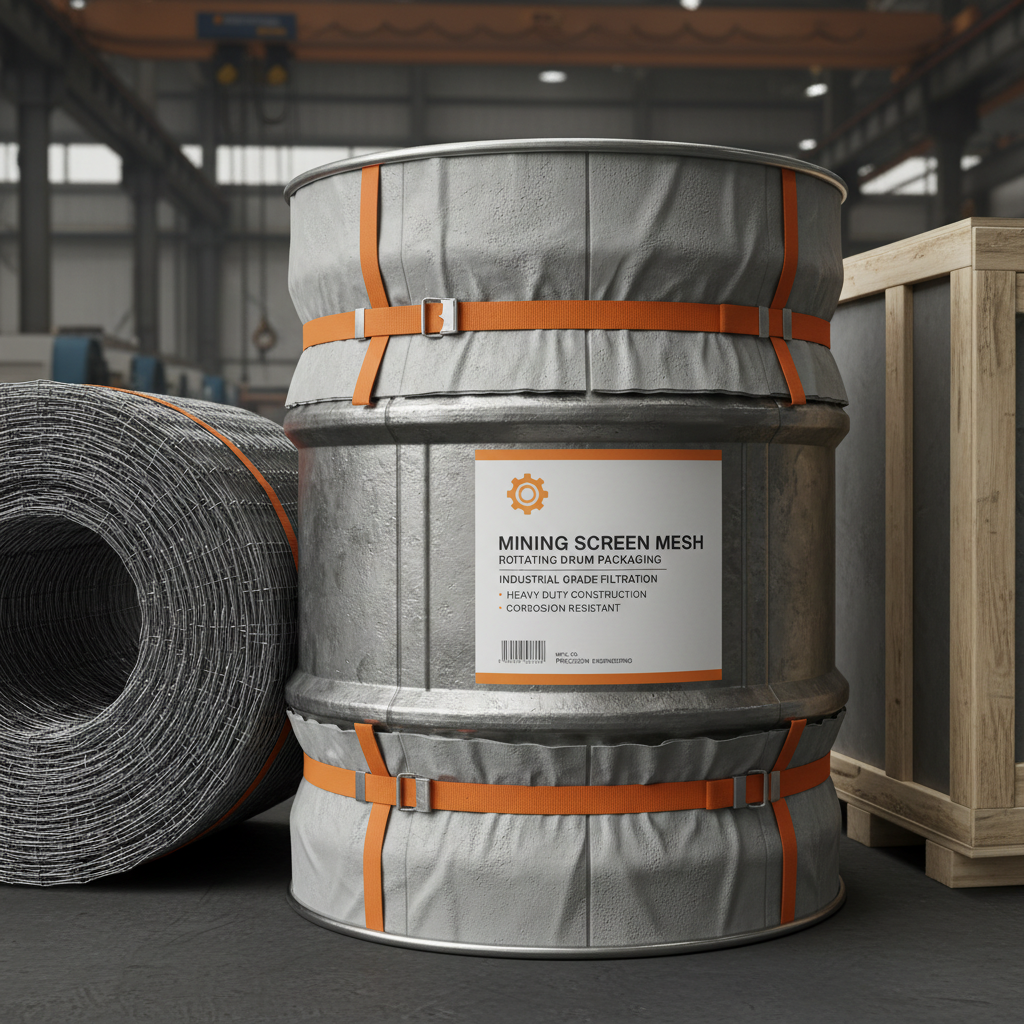
How Does a Rotating Drum Work?
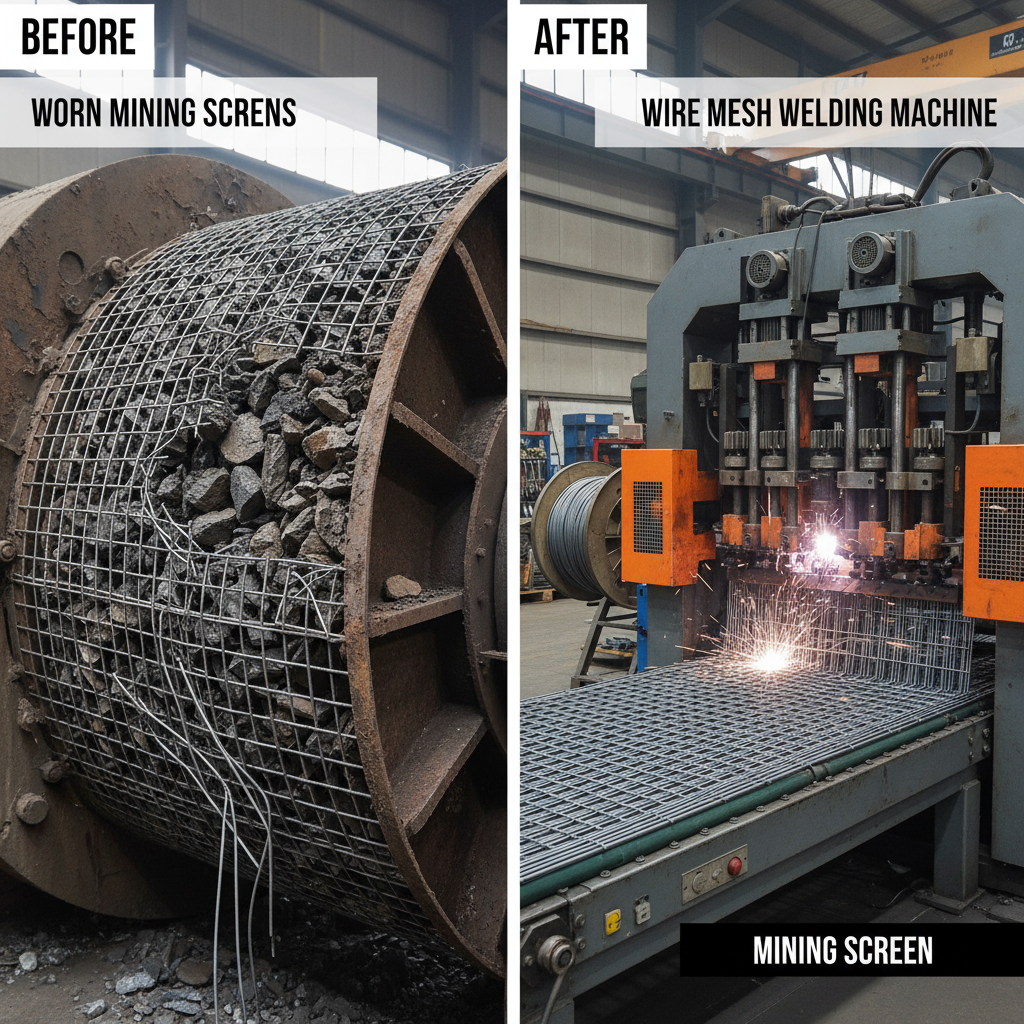
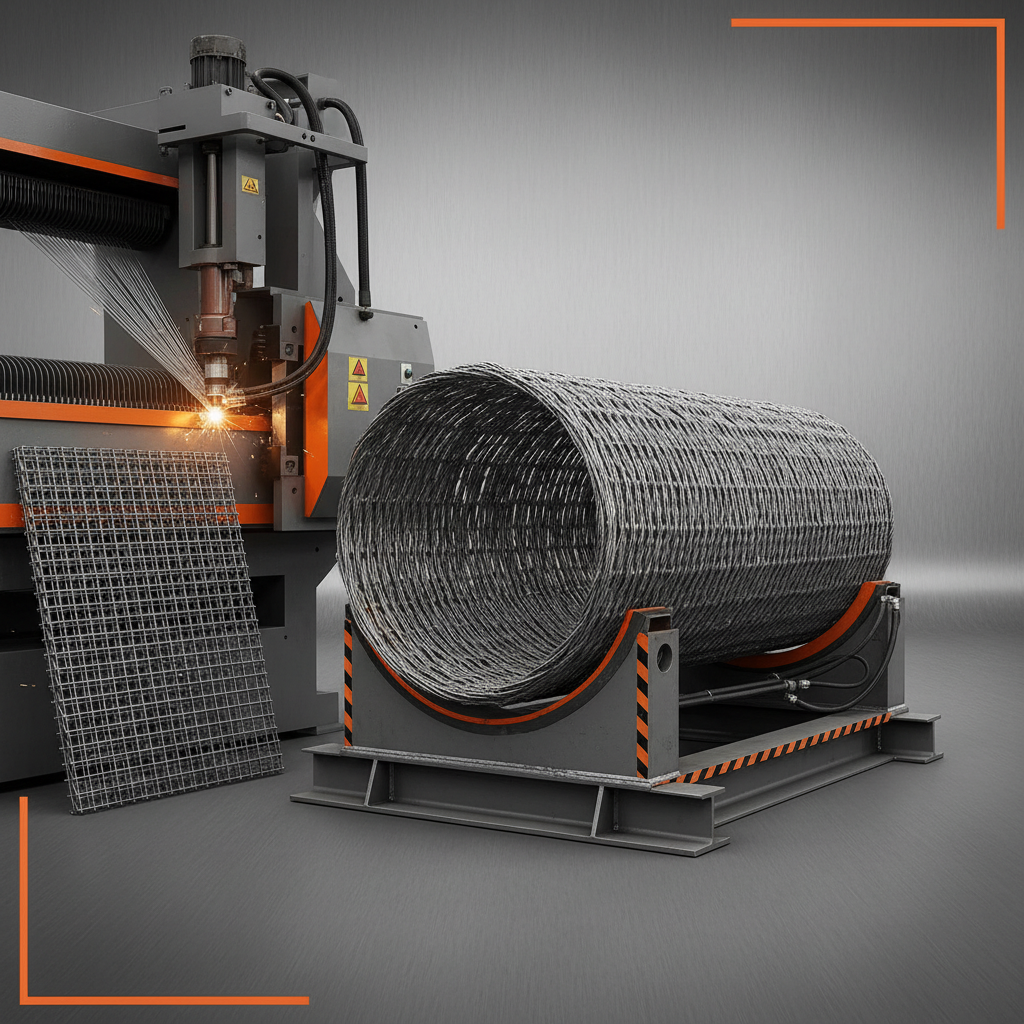
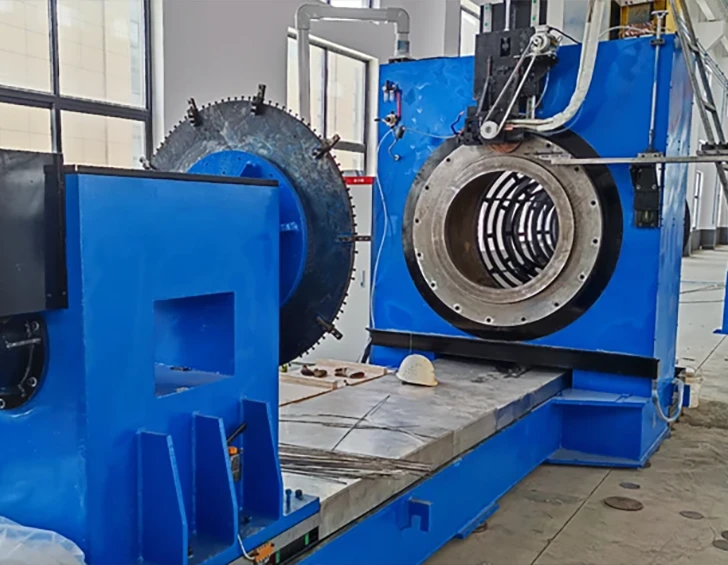
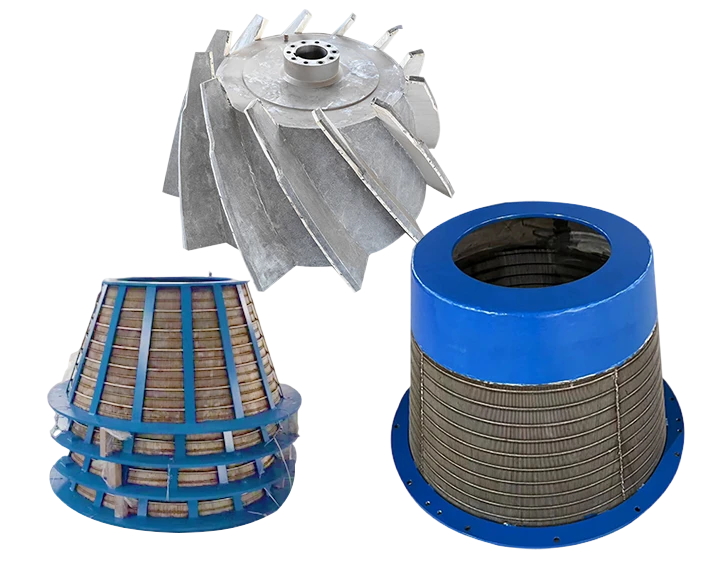
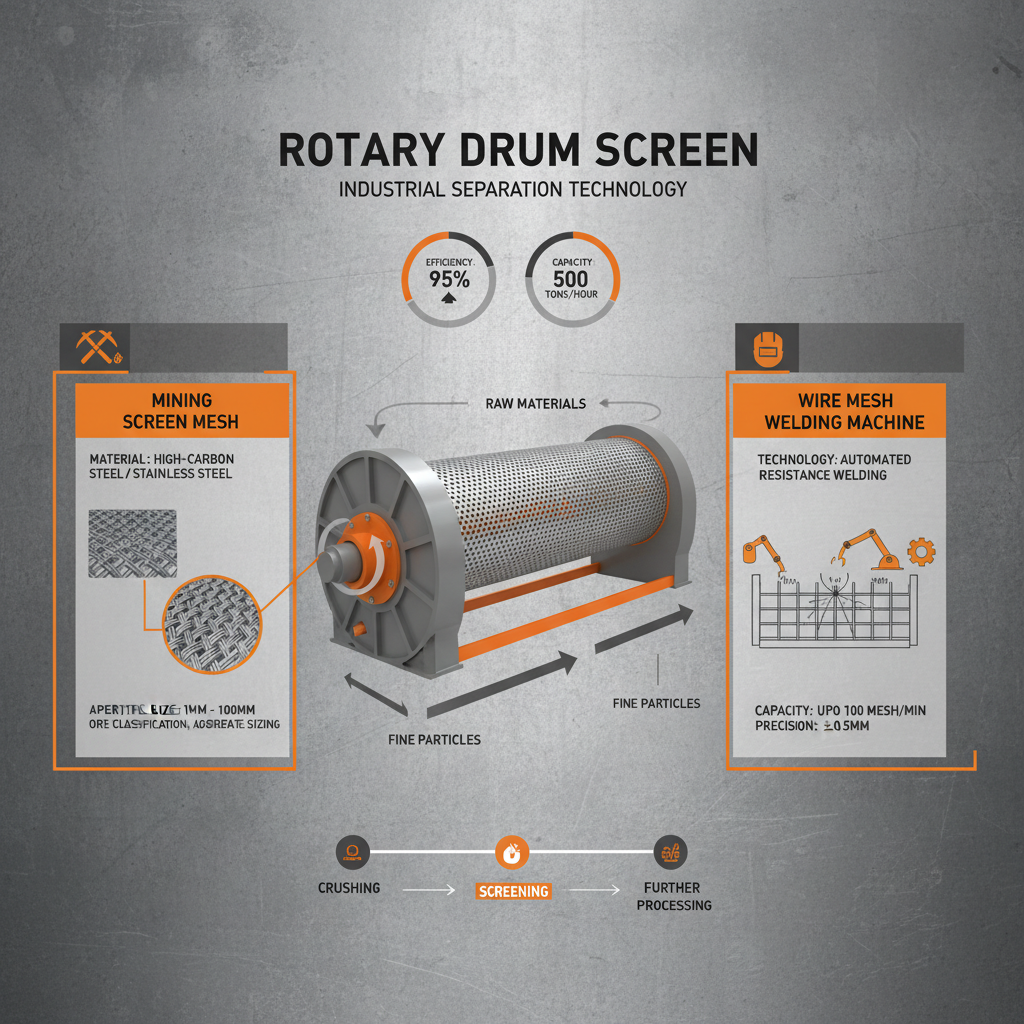
At its core, a rotating drum operates on the principle of controlled tumbling or mixing. Materials are introduced into the cylindrical drum, which then rotates around a horizontal axis. The rotational movement causes the materials to lift and fall, creating a continuous mixing action. The speed of rotation, drum design, and internal baffles can be adjusted to control the intensity of the mixing process. Different designs exist, including those with internal flights to enhance mixing, or perforated surfaces for drying or screening. Understanding these nuances allows for optimization based on the specific material and desired outcome. The simplicity and efficiency of this mechanism contribute to its widespread adoption.
Key Principle: The rotating drum utilizes gravitational force combined with controlled rotation to achieve mixing, drying, coating, or screening of materials.
Diverse Applications of the Rotating Drum
The adaptability of the rotating drum leads to its utilization in a multitude of applications. In the chemical industry, they are used for blending powders and granules. The agricultural sector employs them for composting and fertilizer production. Packaging industries rely on rotating drums for coating processes and even tumbling for deburring or polishing. The wastewater treatment industry utilizes drums for separating solids from liquids. The food processing industry benefits from their gentle mixing capabilities for delicate ingredients. This wide range highlights the drum’s versatility across numerous sectors.
Application Examples:
• Chemical Mixing & Blending
• Agricultural Composting
• Packaging Coating
• Wastewater Solid Separation
Selecting the Right Rotating Drum: Key Considerations
Choosing the optimal rotating drum requires careful consideration of several factors. The material characteristics – including density, abrasiveness, and moisture content – are paramount. The drum's material of construction (stainless steel, carbon steel, etc.) must be compatible with the processed materials to prevent corrosion or contamination. Capacity requirements, desired mixing intensity, and the presence of any specific features like heating or cooling jackets also influence the selection process. It’s critical to collaborate with experienced manufacturers to ensure a tailored solution for your unique needs.
Advantages of Utilizing a Rotating Drum System
The adoption of a rotating drum system offers several compelling advantages. These systems are known for their relatively low maintenance requirements and long operational lifespan. They can handle a wide variety of materials, regardless of shape or size. The enclosed design minimizes dust and emissions, contributing to a cleaner and safer work environment. Additionally, the gentle mixing action is ideal for fragile materials that could be damaged by more aggressive mixing methods. Finally, the scalability of rotating drum systems allows for adjustments to production volumes as needed.
Future Trends in Rotating Drum Technology
The field of rotating drum technology is constantly evolving. Recent advancements include the integration of sensor technology for real-time monitoring of material properties during processing. Automated control systems are becoming increasingly common, allowing for precise adjustments to rotation speed, temperature, and other parameters. Furthermore, the development of more energy-efficient drum designs is gaining traction, driven by sustainability concerns. These innovations promise to further enhance the efficiency, precision, and cost-effectiveness of rotating drum systems.
Conclusion: Optimizing Processes with Rotating Drum Solutions
The rotating drum remains a cornerstone of numerous industrial processes, providing a reliable and versatile solution for mixing, drying, coating, and more. By understanding its operational principles, applications, and selection criteria, businesses can maximize efficiency and achieve optimal results. Contact MutoScreen today to explore customized rotating drum solutions tailored to your specific requirements.
Frequently Asked Questions (FAQs)
What materials are commonly used in rotating drum construction?
Rotating drums are constructed from a variety of materials to suit specific application requirements. Carbon steel is a common choice for general-purpose applications due to its strength and affordability. Stainless steel (304, 316) is preferred when corrosion resistance is critical, especially when handling corrosive materials or operating in harsh environments. Other materials, like fiberglass reinforced plastic (FRP), may be used for specialized applications requiring lightweight construction or resistance to specific chemicals. The selection of material depends on the properties of the materials being processed and the operating conditions.
How can I determine the appropriate rotation speed for my application?
Determining the optimal rotation speed depends on the type of material, the desired mixing intensity, and the specific process objective. Generally, slower speeds are suitable for gentle mixing or drying of delicate materials, while higher speeds are used for more aggressive mixing or tumbling. Factors to consider include the particle size distribution, material density, and the presence of any abrasive components. Experimentation and process testing are often necessary to identify the ideal rotation speed. Consulting with a rotating drum manufacturer can provide valuable guidance based on your specific application.
What maintenance is typically required for a rotating drum system?
Regular maintenance is crucial for ensuring the longevity and reliable performance of a rotating drum system. This typically includes periodic inspection of the drum shell, internal flights, bearings, and drive system. Lubrication of bearings is essential to prevent wear and tear. Checking for signs of corrosion or material buildup is also important. Depending on the application, cleaning the drum interior may be necessary to prevent cross-contamination. Following the manufacturer's recommendations for maintenance schedules and procedures is highly recommended.
Can rotating drums be customized for specific processes?
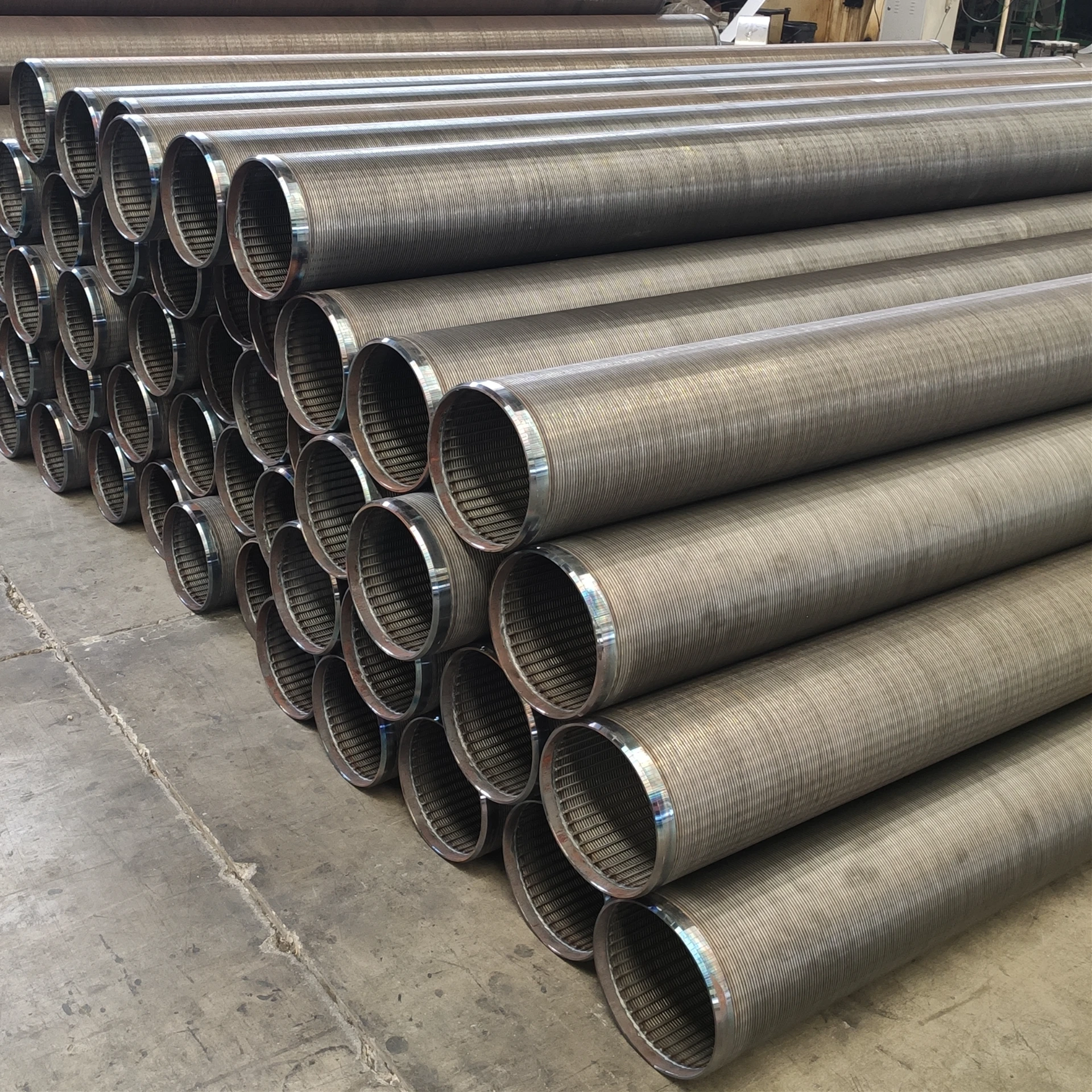
Yes, rotating drums can be highly customized to meet specific process requirements. Customizations may include variations in drum size, shape, and material of construction. Internal flights can be designed to optimize mixing efficiency for particular materials. Heating or cooling jackets can be added to control temperature during processing. Perforated drums can be used for drying or screening applications. Manufacturers like MutoScreen specialize in tailoring rotating drum systems to unique application needs.