Understanding Rotary Drum Technology
Rotary drums are essential components in a wide range of industrial processes, from material drying and mixing to chemical reactions and waste treatment. Their versatility and efficiency make them invaluable in sectors like agriculture, mining, and manufacturing. At MutoScreen, we specialize in designing and manufacturing high-performance rotary drums tailored to meet specific industry needs. This article will explore the principles, applications, advantages, and key considerations when selecting a rotary drum for your operations.
How Rotary Drums Work: The Core Principles
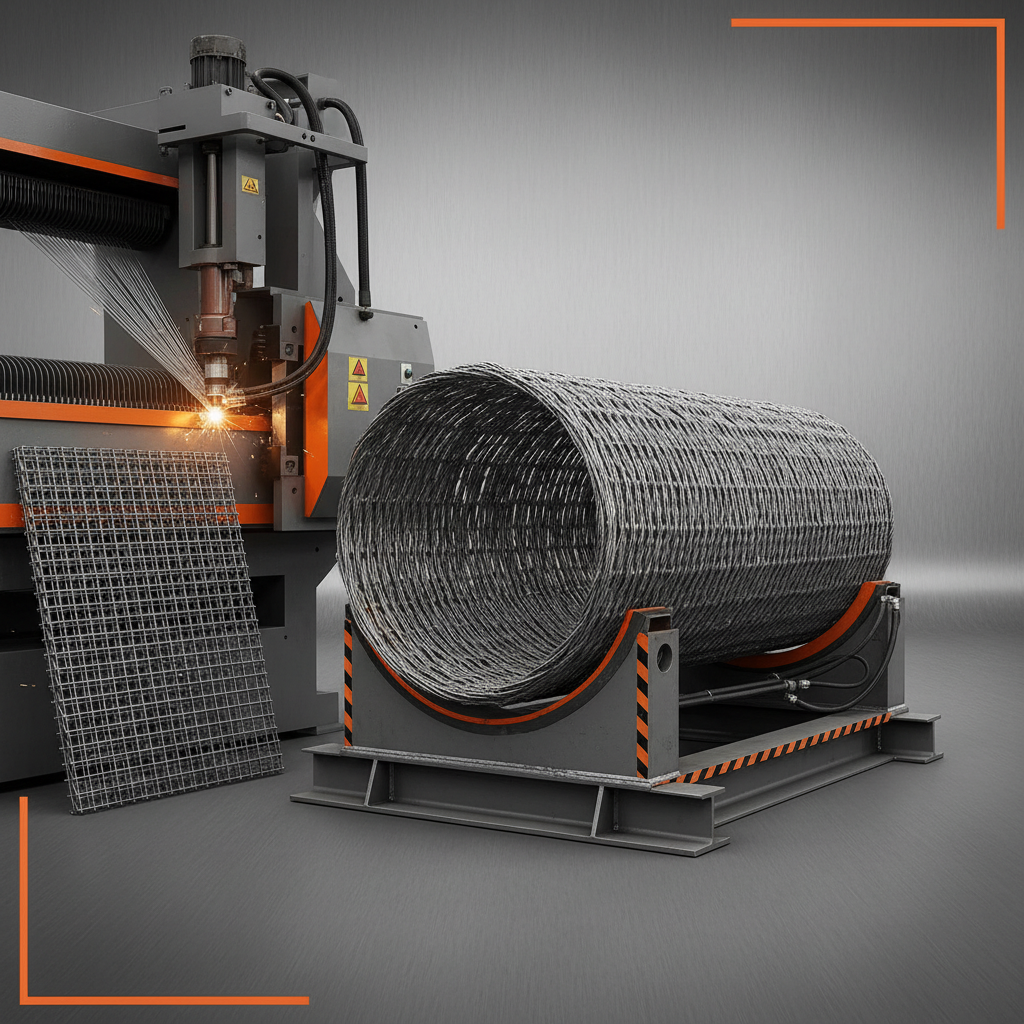
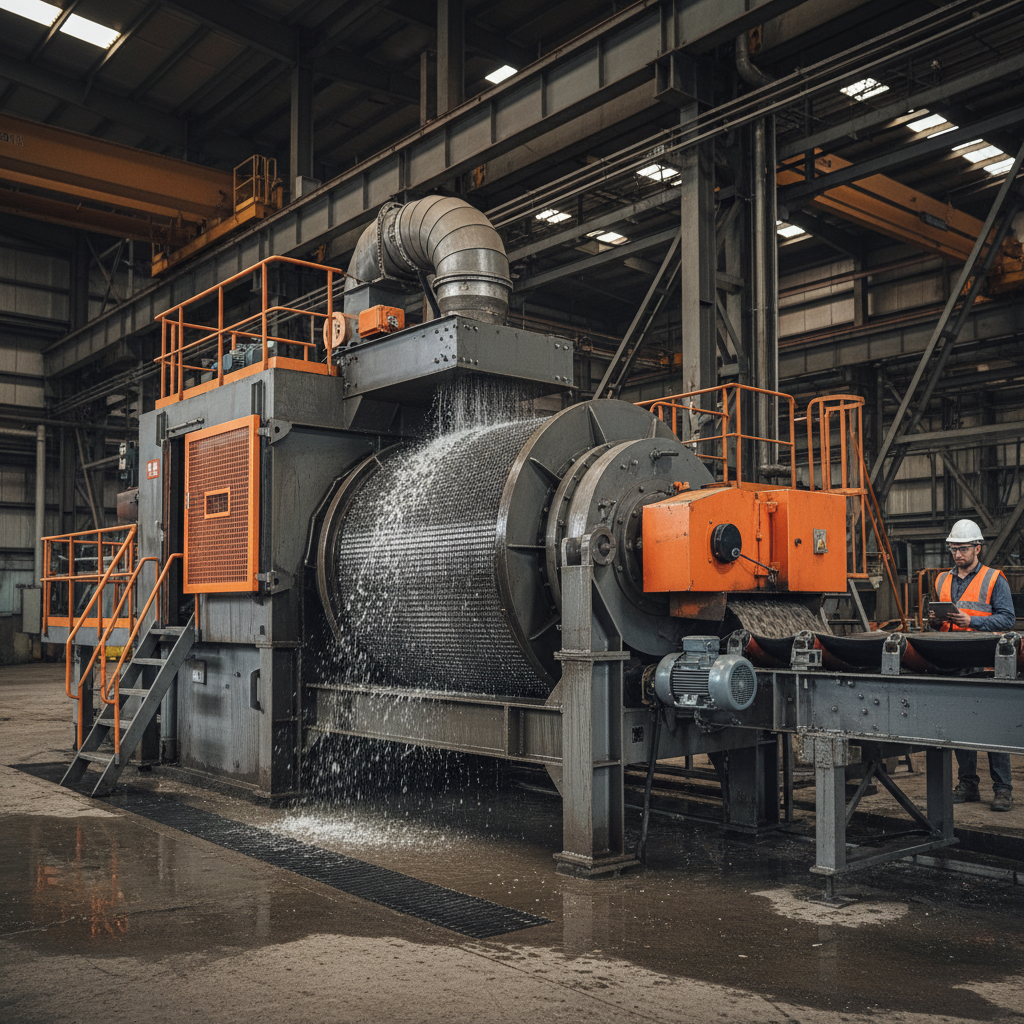
At its core, a rotary drum is a cylindrical vessel that rotates around a horizontal axis. This rotation, combined with internal lifters or flights, causes the material inside to tumble and mix. The tumbling action ensures thorough processing, whether it's drying, mixing, or reacting. The speed of rotation, drum size, and internal design are all critical factors influencing the efficiency of the process. Different materials and applications require different configurations. For instance, a drum designed for fragile materials will operate at a slower speed and incorporate gentler lifters compared to one used for aggressive mixing.
Key Highlights: Rotary drums utilize a simple yet effective principle of tumbling and mixing for diverse industrial processes, offering efficiency and versatility.
Diverse Applications of Rotary Drums Across Industries
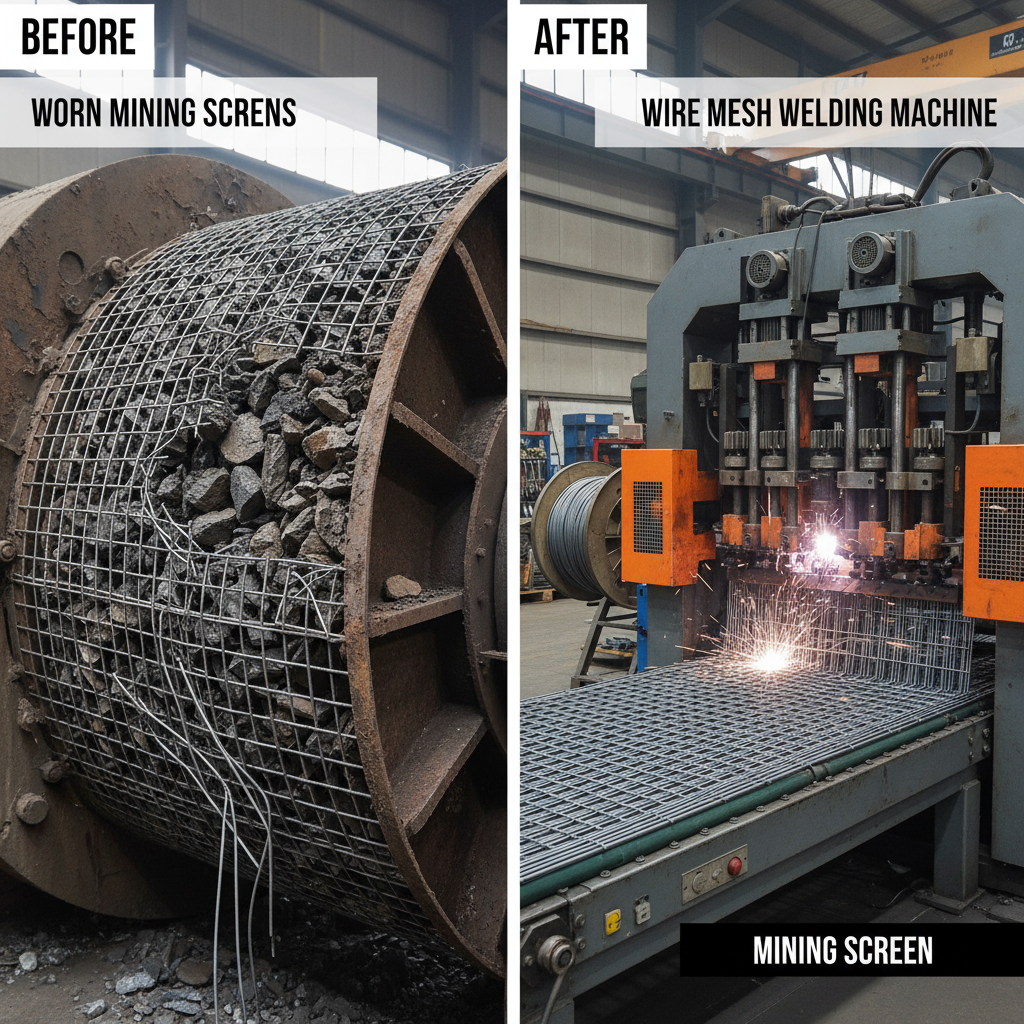
The applications of rotary drums are remarkably diverse. In agriculture, they are used for composting and fertilizer production. In the mining industry, they play a crucial role in ore processing and mineral separation. The chemical industry relies on them for large-scale mixing and reaction processes. Waste treatment facilities employ rotary drums for solidifying and incinerating waste materials. Furthermore, they’re employed in the construction industry for drying aggregates and mixing concrete components. This broad range of applications highlights the adaptability and efficiency of rotary drum technology.
Application Examples:
• Agriculture: Composting, Fertilizer production
• Mining: Ore processing, Mineral separation
• Chemical: Mixing, Reaction processes
• Waste Treatment: Solidification, Incineration
Key Considerations When Choosing a Rotary Drum
Selecting the right rotary drum requires careful consideration of several factors. First, the material being processed – its density, abrasiveness, and chemical properties – is paramount. Second, the desired throughput and processing time must be factored in. Third, the operating environment, including temperature and potential exposure to corrosive substances, should be assessed. Finally, the drum’s size, material of construction (e.g., carbon steel, stainless steel), and internal design (lifters, baffles) must align with the specific application. Consulting with experienced rotary drum manufacturers, like MutoScreen, can ensure optimal selection and performance.
Advantages of Utilizing High-Quality Rotary Drums
Investing in a well-designed and manufactured rotary drum offers several benefits. Increased efficiency in material processing translates to higher productivity. Improved product quality is achieved through consistent mixing and drying. Reduced operational costs are realized through lower energy consumption and reduced maintenance requirements. Enhanced safety is guaranteed through robust construction and adherence to industry standards. Furthermore, a properly selected rotary drum can significantly extend the lifespan of your processing equipment. MutoScreen offers drums that optimize these advantages.
Rotary Drum Specifications and Customization Options
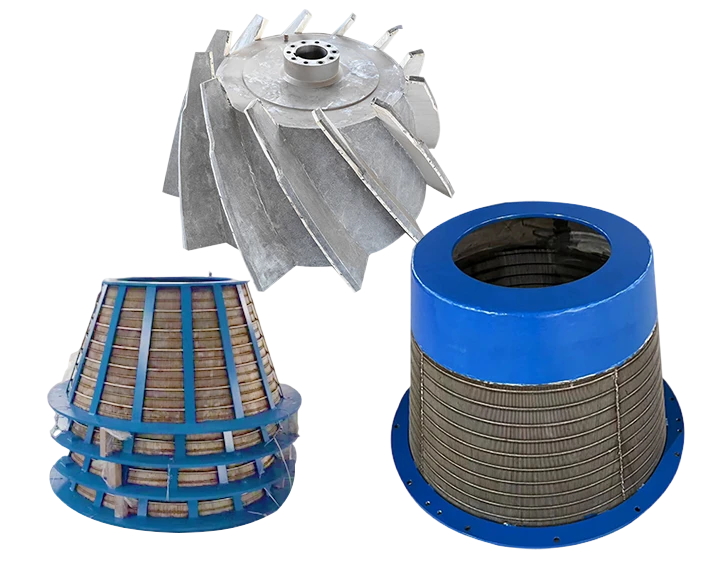
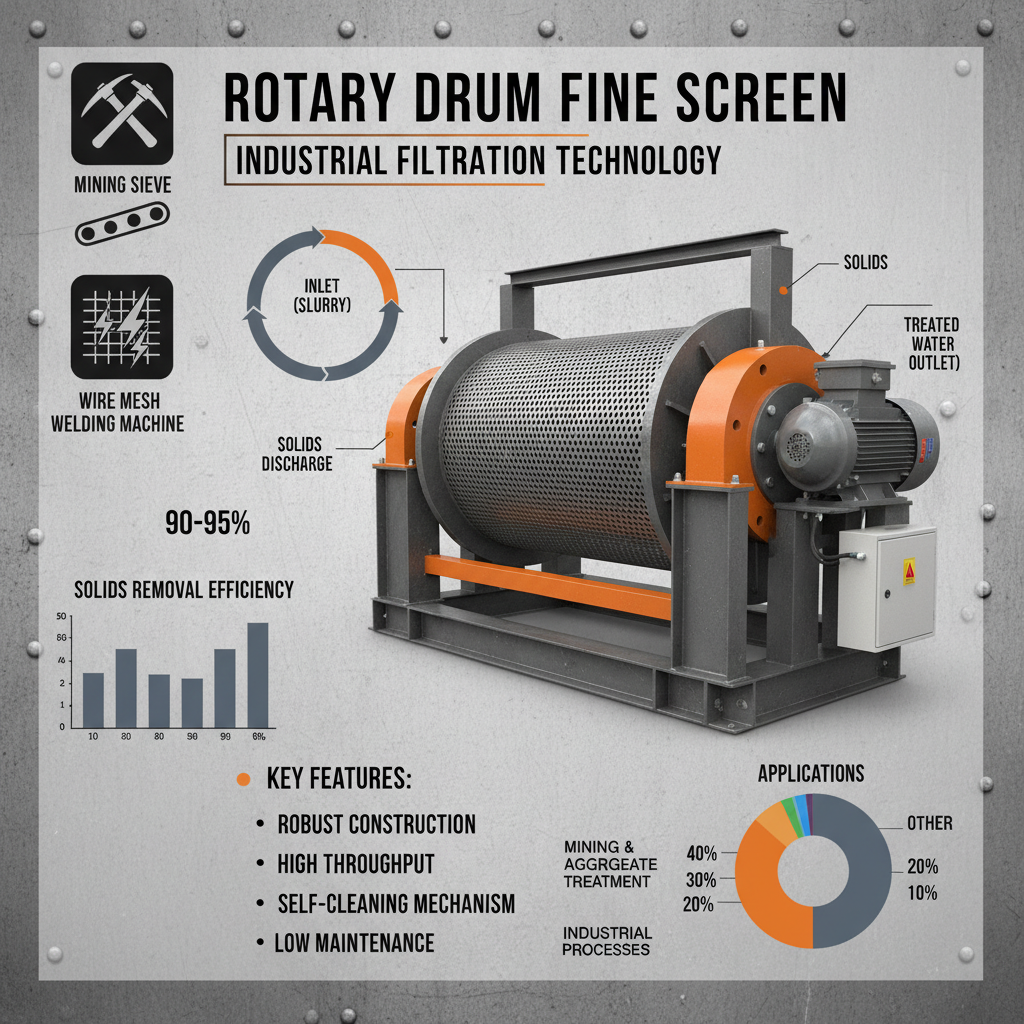
At MutoScreen, we offer a wide range of rotary drum specifications to cater to diverse needs. Drums can be manufactured in various diameters and lengths, with capacities ranging from a few cubic meters to hundreds of cubic meters. We utilize materials such as carbon steel, stainless steel (304, 316L), and specialized alloys depending on the application. Internal lifters and baffles can be custom-designed to optimize mixing and drying performance. We also offer a range of drive systems, including gearboxes and variable frequency drives (VFDs) for precise speed control.
Conclusion: Optimizing Your Processes with Rotary Drum Technology
Rotary drums represent a versatile and efficient solution for a multitude of industrial processes. By carefully considering your specific requirements and partnering with a trusted manufacturer like MutoScreen, you can unlock significant benefits in productivity, product quality, and operational efficiency.
Frequently Asked Questions (FAQs)
What maintenance is required for a rotary drum?
Regular maintenance is crucial for ensuring the longevity and optimal performance of your rotary drum. This includes periodic inspection of the drum shell for wear and tear, lubrication of bearings and drive components, and checking the tightness of all fasteners. Internal lifters should be inspected for damage and replaced as needed. Regular cleaning to prevent material buildup is also essential. Following the manufacturer’s recommended maintenance schedule will minimize downtime and extend the lifespan of the equipment.
Can rotary drums be used for hazardous materials?
Yes, rotary drums can be used for processing hazardous materials, but specific precautions and design considerations are necessary. The drum must be constructed from materials compatible with the hazardous substance, and appropriate safety features, such as sealed ends and explosion-proof drive systems, must be incorporated. Adherence to relevant safety regulations and industry standards is paramount. MutoScreen can provide customized solutions for handling hazardous materials safely and efficiently.
What factors influence the speed of rotation in a rotary drum?
Several factors influence the optimal speed of rotation. The material being processed – its particle size, density, and flow characteristics – is a primary consideration. The desired mixing or drying intensity also plays a role. More fragile materials require slower speeds, while aggressive mixing demands faster rotation. The drum’s diameter and internal lifter design also affect the optimal speed. Precise speed control, often achieved with variable frequency drives (VFDs), is crucial for achieving consistent and efficient results.
What is the typical lead time for a custom-built rotary drum?
The lead time for a custom-built rotary drum varies depending on the complexity of the design, material availability, and current production workload. Typically, the lead time ranges from 8 to 16 weeks from order confirmation to delivery. MutoScreen offers detailed project timelines and regular updates throughout the manufacturing process to ensure timely delivery.