0%

Table of Contents

Submersible well pump screens are critical components in water well systems, safeguarding pumps from sand, silt, and debris. Globally, access to clean and reliable water sources remains a significant challenge, impacting public health, agriculture, and industrial processes. A properly functioning well pump, protected by an effective screen, is essential for sustainable water extraction. Understanding the design, materials, and maintenance of these screens is paramount to ensuring long-term well performance and minimizing operational costs. The use of quality submersible well pump screen is vital for maintaining water quality and pump longevity.

The increasing demand for groundwater, driven by population growth and climate change, places further strain on well systems. Inefficient or damaged screens can lead to reduced well yield, increased energy consumption, and premature pump failure. Therefore, robust and reliable submersible well pump screens are not simply accessories but foundational elements of sustainable water management practices. This is particularly true in regions facing water scarcity or dealing with challenging geological conditions.

Investing in quality submersible well pump screens translates directly to reduced downtime, lower maintenance expenses, and increased access to a vital resource. Advancements in screen technology are constantly emerging, offering improved filtration efficiency, corrosion resistance, and extended service life. Selecting the appropriate screen for a specific well application is crucial, considering factors like water quality, pump capacity, and geological characteristics.
Optimizing Water Well Systems with Durable Submersible Well Pump Screen Solutions

The Importance of Submersible Well Pump Screens
Optimizing Water Well Systems with Durable Submersible Well Pump Screen Solutions

A submersible well pump screen is the first line of defense against abrasive particles that can damage the pump’s impeller and internal components. Without a properly designed screen, the lifespan of a well pump can be dramatically reduced, leading to costly repairs or replacements. The effectiveness of the submersible well pump screen directly impacts the overall efficiency and reliability of the water extraction process.

Choosing the right screen involves considering the specific characteristics of the aquifer, including the grain size distribution of the sand and silt. Incorrectly sized openings can allow particles to pass through, causing wear and tear, or become clogged, reducing well yield. Regular inspection and maintenance of the screen are also essential to ensure optimal performance and prevent potential problems.

Global Context and Industry Relevance

Globally, billions of people rely on groundwater for drinking, irrigation, and industrial purposes. According to the World Bank, groundwater accounts for approximately 50% of the world’s drinking water supply. Protecting this resource requires robust well infrastructure, with submersible well pump screens playing a vital role. Regions experiencing rapid urbanization and agricultural expansion often face increased pressure on groundwater resources, making efficient and reliable well systems even more critical.

The well drilling and pump industries are major economic drivers in many parts of the world. The demand for high-quality submersible well pump screens is directly tied to the growth of these industries. Furthermore, international standards, such as those set by the ISO, emphasize the importance of proper well construction and maintenance, including the use of effective filtration systems like the submersible well pump screen.

The need for sustainable water management practices is becoming increasingly urgent due to climate change and increasing water scarcity. Effective well screens contribute to the long-term viability of groundwater resources by preventing well contamination and maintaining optimal pump performance.

Defining Submersible Well Pump Screens

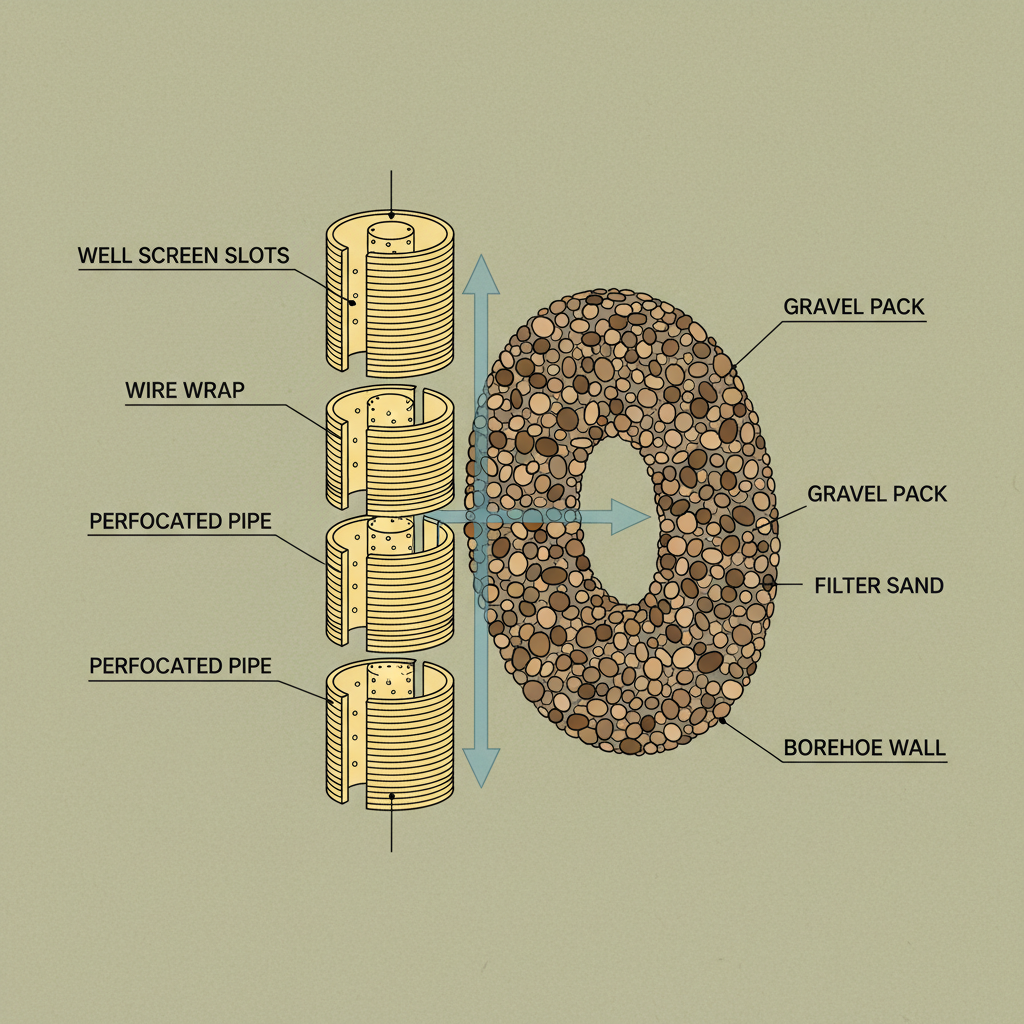
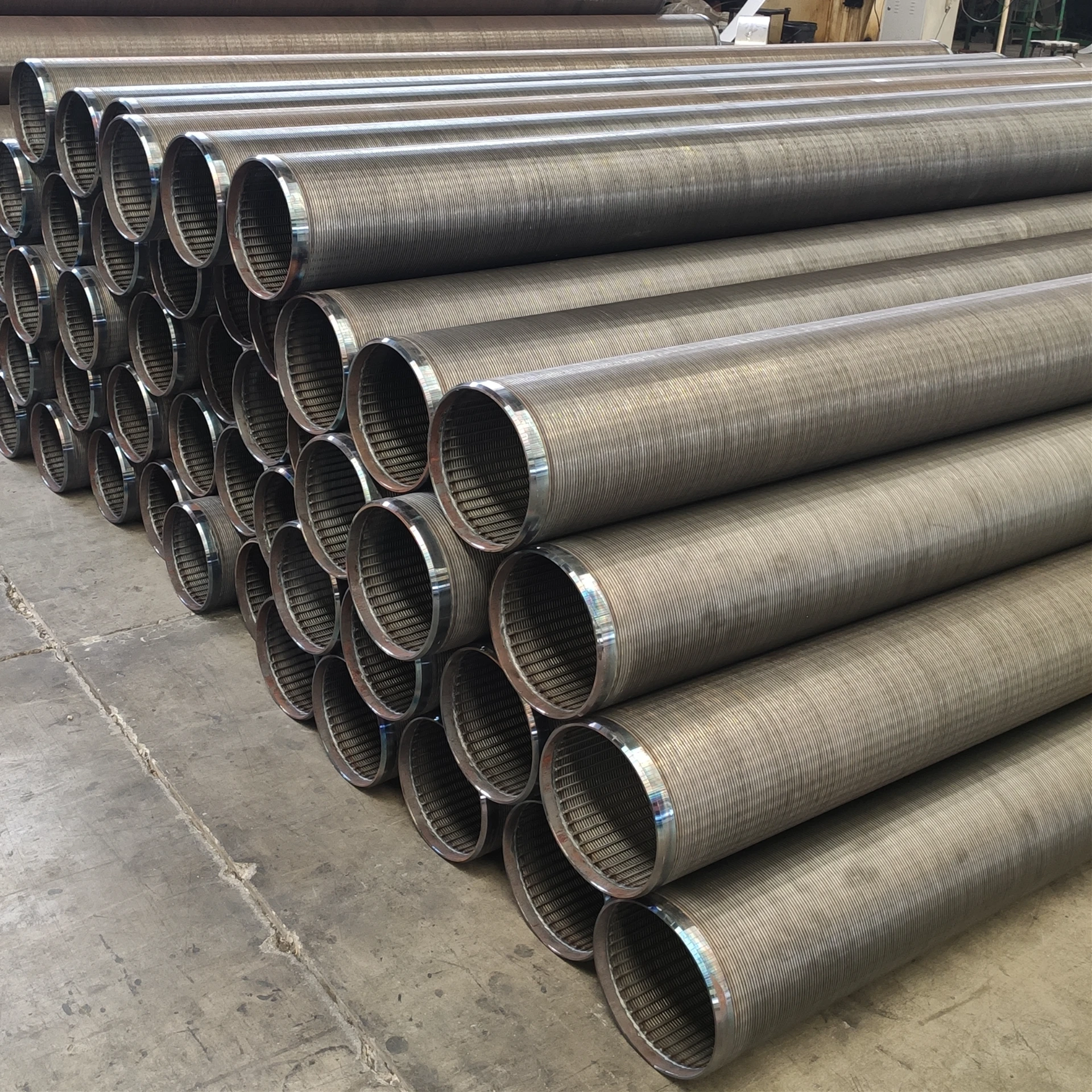
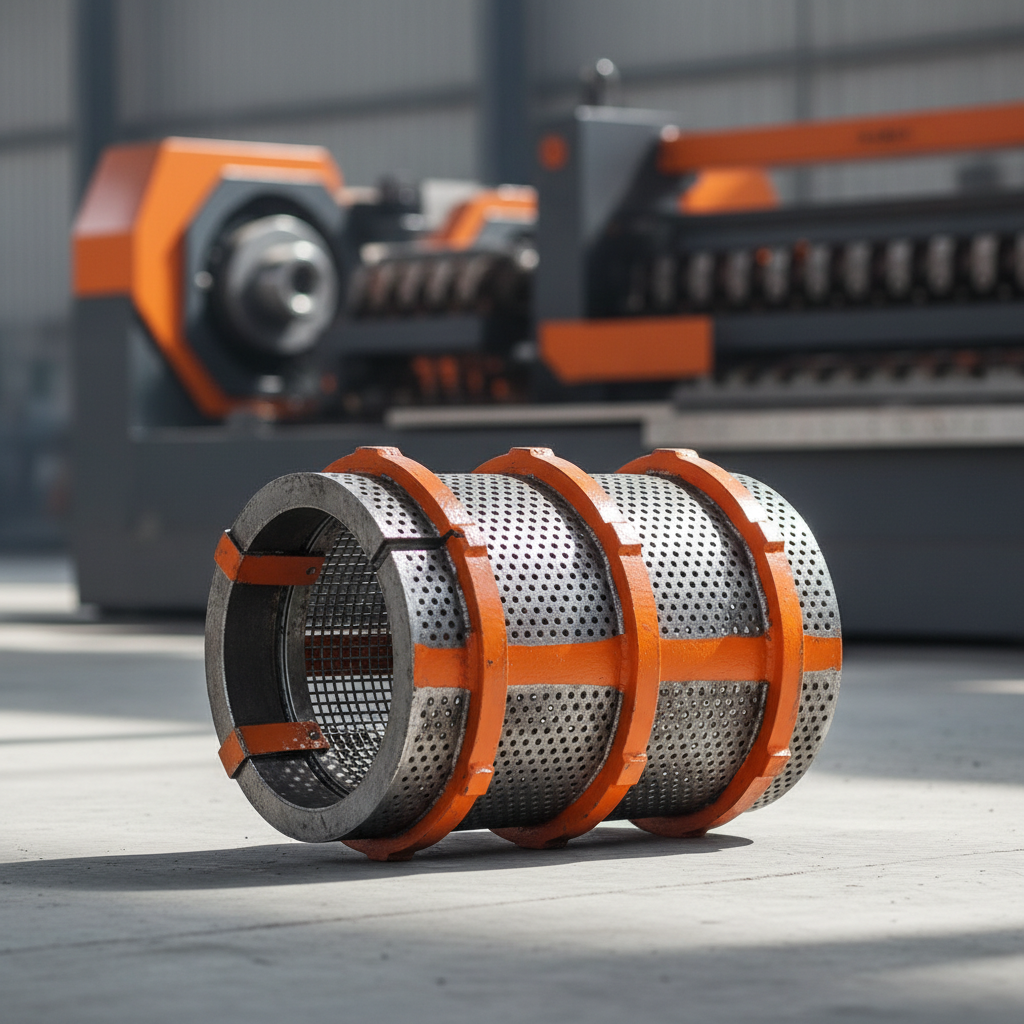
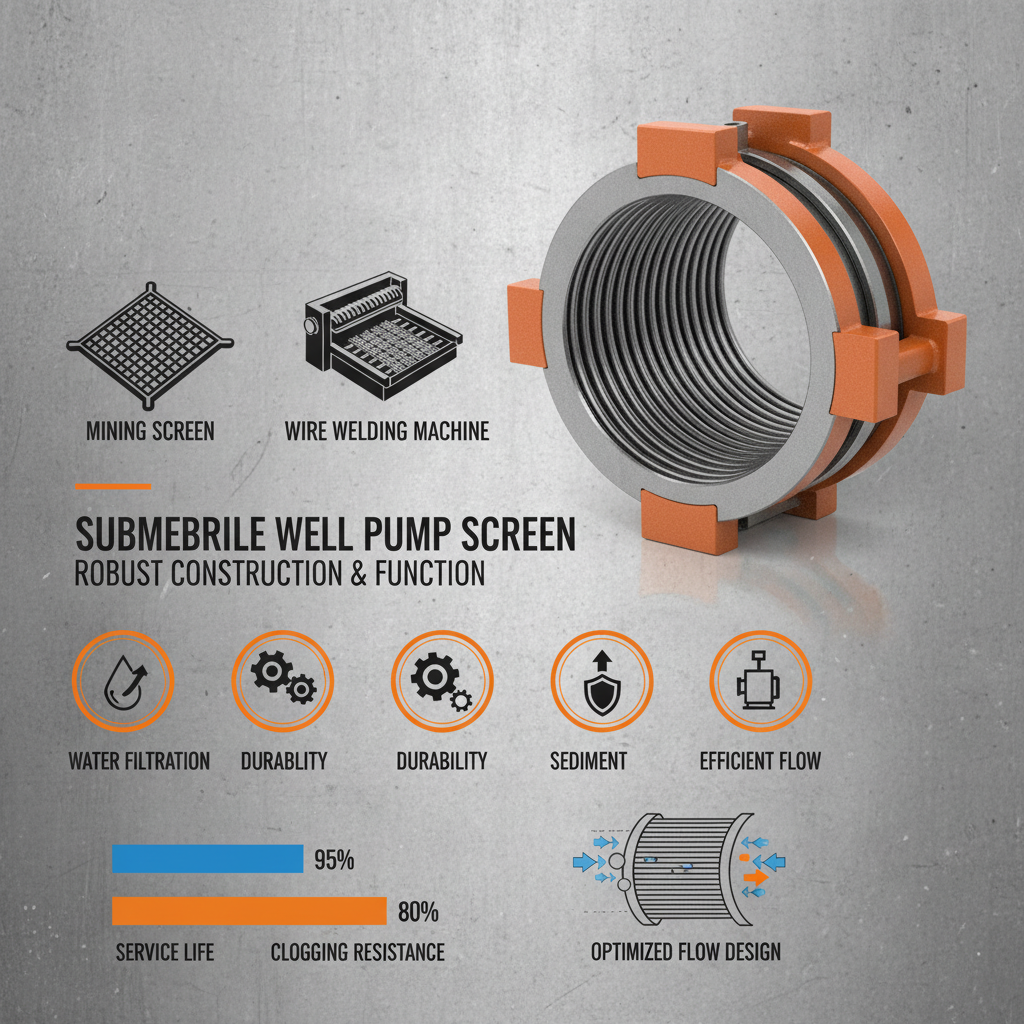
A submersible well pump screen is a cylindrical filter installed around the pump intake in a water well. Its primary function is to prevent sand, silt, gravel, and other debris from entering the pump, which could cause damage or reduce its efficiency. These screens typically consist of a network of wires or perforated materials designed to allow water to flow freely while retaining solid particles.

The design of a submersible well pump screen is influenced by various factors, including the aquifer’s characteristics, the pump’s capacity, and the desired water quality. Screens can be constructed from stainless steel, thermoplastic materials, or other corrosion-resistant alloys. The screen’s slot size, wire diameter, and overall geometry are carefully selected to optimize filtration efficiency and minimize clogging.

Modern submersible well pump screen designs often incorporate features like anti-scaling coatings or self-cleaning mechanisms to enhance performance and extend service life. They are an integral part of ensuring consistent water supply and protecting valuable pumping infrastructure in both municipal and private well systems.

Key Factors in Screen Performance

Durability is paramount. Submersible well pump screens must withstand the harsh conditions within a well, including corrosive water, high pressures, and abrasive particles. Material selection plays a crucial role in ensuring longevity and preventing premature failure.

Filtration efficiency determines the screen’s ability to effectively remove unwanted particles from the water. The slot size and open area are key parameters influencing filtration performance. Selecting the appropriate slot size for a specific application is critical to balance filtration effectiveness with well yield.

Screen Performance Metrics


Real-World Applications

In agricultural regions, submersible well pump screens are crucial for maintaining irrigation systems. Reliable water supply is essential for crop production, and a properly functioning screen prevents pump damage and ensures consistent water flow.

In post-disaster relief operations, access to clean water is often a critical need. Portable and rapidly deployable well systems, equipped with effective screens, can provide a vital source of drinking water for affected communities.

Advantages and Long-Term Value

Investing in a high-quality submersible well pump screen reduces long-term maintenance costs by preventing pump damage and extending its lifespan. This translates to significant savings over the life of the well system.

Reliable water supply contributes to improved public health and economic productivity. A consistently functioning well, protected by an effective screen, ensures access to a vital resource for communities and industries.

Choosing screens constructed from sustainable materials and designed for longevity minimizes environmental impact. The increased efficiency and reduced maintenance associated with quality screens also contribute to a more sustainable water management approach.

Future Trends and Innovations

Advancements in materials science are leading to the development of more durable and corrosion-resistant screen materials. Self-cleaning screens, which incorporate automated flushing or vibration mechanisms, are becoming increasingly popular, reducing maintenance requirements and improving performance.

The integration of sensor technology into submersible well pump screens allows for real-time monitoring of screen performance and early detection of potential problems. This data can be used to optimize maintenance schedules and prevent costly failures.

Digital modeling and simulation are being used to design screens tailored to specific well conditions, maximizing filtration efficiency and minimizing clogging. These innovations promise to further enhance the reliability and sustainability of groundwater extraction.

Summary of Submersible Well Pump Screen Evaluation Criteria

Material Composition Filtration Efficiency Corrosion Resistance Maintenance Requirements
Stainless Steel (304/316) 8/10 9/10 Moderate
Thermoplastic (PVC/Nylon) 6/10 7/10 Low
Duplex Stainless Steel 9/10 10/10 Moderate
Titanium Alloys 9/10 10/10 Low
Screen with Anti-Scaling Coating 7/10 8/10 Moderate
Self-Cleaning Screen Design 8/10 9/10 Very Low

FAQS

What is the typical lifespan of a submersible well pump screen?

The lifespan of a submersible well pump screen varies considerably based on water quality, well conditions, and the materials used in its construction. Generally, stainless steel screens can last 10-20 years with proper maintenance, while thermoplastic screens may have a shorter lifespan of 5-10 years. Regular inspection and cleaning are crucial for maximizing longevity. Choosing a high-quality screen from a reputable manufacturer, such as mutoscreen, can significantly extend its service life.

How often should I inspect my submersible well pump screen?

It’s recommended to inspect your submersible well pump screen at least annually, or more frequently if you notice a decrease in well yield or a change in water quality. During inspection, look for signs of clogging, corrosion, or physical damage. Cleaning the screen regularly, even if it doesn’t appear significantly clogged, can help prevent future problems. Professional well service providers can perform thorough inspections and recommend appropriate maintenance procedures.

What causes a submersible well pump screen to clog?

Clogging is typically caused by the accumulation of sand, silt, iron bacteria, or other debris within the screen’s openings. High iron content in the water, fine-grained sediments, and inadequate pre-filtration can contribute to clogging. In some cases, biofouling – the growth of microorganisms on the screen surface – can also restrict water flow. Utilizing a submersible well pump screen designed for your specific water conditions can minimize clogging.

Can I repair a damaged submersible well pump screen?

Minor damage, such as small perforations, may be repairable using specialized patching materials. However, significant damage, like extensive corrosion or tearing, usually requires screen replacement. Attempting to repair a severely damaged screen can compromise its integrity and lead to further problems. Consult with a qualified well service professional to assess the extent of the damage and determine the best course of action.

What is the importance of slot size in a submersible well pump screen?

Slot size is a critical parameter that determines the screen’s ability to effectively filter out unwanted particles while allowing water to flow freely. A slot size that is too large will allow sand and silt to pass through, potentially damaging the pump. Conversely, a slot size that is too small can restrict water flow and cause the screen to clog quickly. The optimal slot size depends on the grain size distribution of the aquifer materials.

How do I choose the right submersible well pump screen for my well?

Selecting the right screen involves considering several factors, including the well’s depth, pump capacity, water quality, and geological conditions. Consulting with a well drilling contractor or pump specialist is highly recommended. They can assess your specific needs and recommend a screen that is appropriately sized, constructed from suitable materials, and designed to provide optimal performance. Investing in a quality submersible well pump screen is crucial for long-term reliability.

Conclusion

Submersible well pump screens are fundamental components of sustainable water extraction systems. Their role in protecting pumps, maintaining water quality, and extending well lifespan cannot be overstated. Understanding the key factors influencing screen performance – durability, filtration efficiency, and corrosion resistance – is crucial for making informed decisions and ensuring long-term reliability.

Looking ahead, ongoing innovations in materials science and screen design will continue to improve the efficiency and effectiveness of these vital components. Investing in high-quality screens and implementing regular maintenance practices are essential for safeguarding our groundwater resources and ensuring access to clean and reliable water for future generations. Visit our website to learn more about how mutoscreen can help protect your water well: www.mutoscreens.com

David Chen

David Chen

David Chen is the Quality Control Manager at MUTO Wire Screen, responsible for upholding our rigorous quality standards throughout the entire manufacturing process. He brings a decade of experience in materials science and non-destructive testing. David oversees all testing procedures, from raw material inspection of stainless steel wire and synthetic
Previous Optimizing Well Productivity with Advanced Well Casing Screen Technologies
Next Comprehensive Guide to Submersible Well Pump Sand Screen Technology and Applications