The quest for sustainable water resource management has led to the widespread adoption of advanced filtration and extraction technologies, among which the wire wrapped well screen stands as a critical engineering marvel. By utilizing a precision-engineered design that balances open area with structural integrity, these screens allow for the efficient intake of groundwater while effectively blocking the ingress of unwanted sand and silt. In an era where water scarcity is becoming a global crisis, the reliability of the interface between the aquifer and the pump is paramount to ensuring long-term productivity.
From an industrial perspective, the implementation of a high-quality wire wrapped well screen is not merely about installation, but about optimizing the hydraulic conductivity of the well. These components are designed to withstand the immense pressures of deep-bore environments, ensuring that the well does not collapse or clog over decades of operation. For engineers and contractors in the mining, agricultural, and municipal sectors, selecting the correct slot size and material is the difference between a high-yield water source and a costly failure.
Understanding the intricacies of these systems allows operators to maximize the lifespan of their infrastructure while reducing maintenance overhead. By integrating modern metallurgy with precise wrapping techniques, the contemporary wire wrapped well screen provides a scalable solution for everything from small-scale irrigation to massive industrial cooling systems. This guide explores the technical foundations, global applications, and future innovations that make these screens indispensable in modern hydrology.
On a global scale, the demand for potable water and industrial fluids has surged, placing immense pressure on groundwater aquifers. According to reports aligned with ISO standards for water quality and extraction, the efficiency of water recovery is heavily dependent on the quality of the intake filter. The wire wrapped well screen has emerged as the gold standard for maximizing flow rates while preventing the "sand-up" effect that can destroy expensive submersible pumps.
The primary challenge facing the industry today is the increasing salinity and corrosiveness of deeper aquifers. As we drill deeper to find untapped reserves, the materials used in well screens must evolve to resist chemical degradation. This global shift toward high-grade stainless steels and specialized alloys ensures that infrastructure remains operational for 30 to 50 years, reducing the need for frequent, disruptive well rehabilitation.
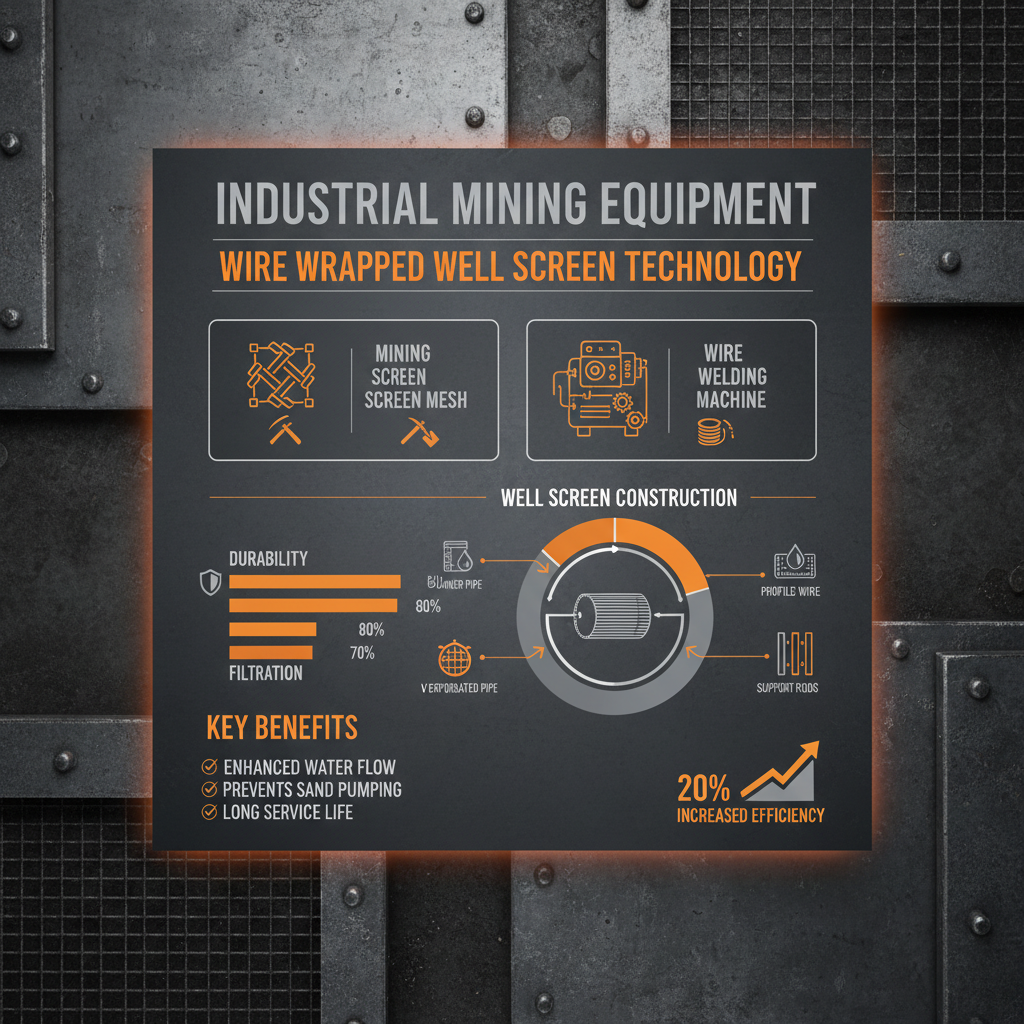
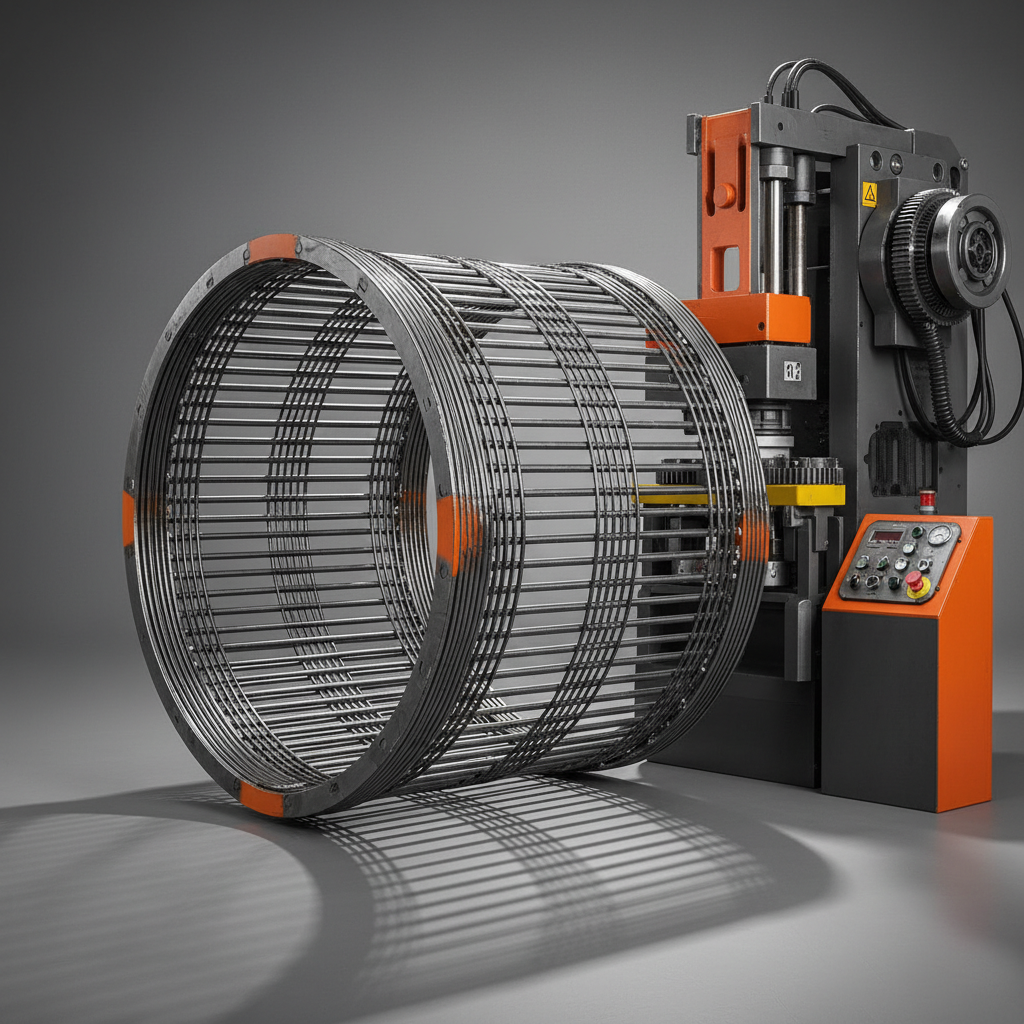
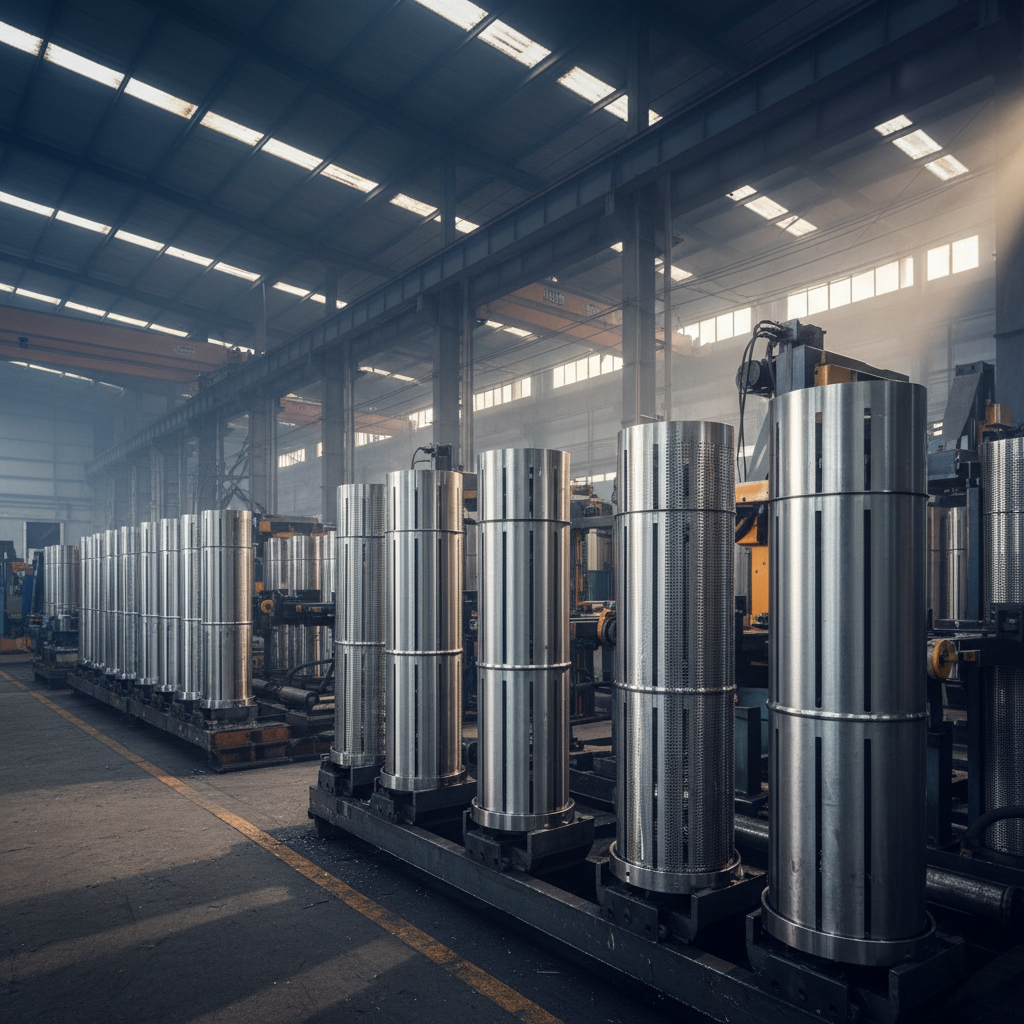
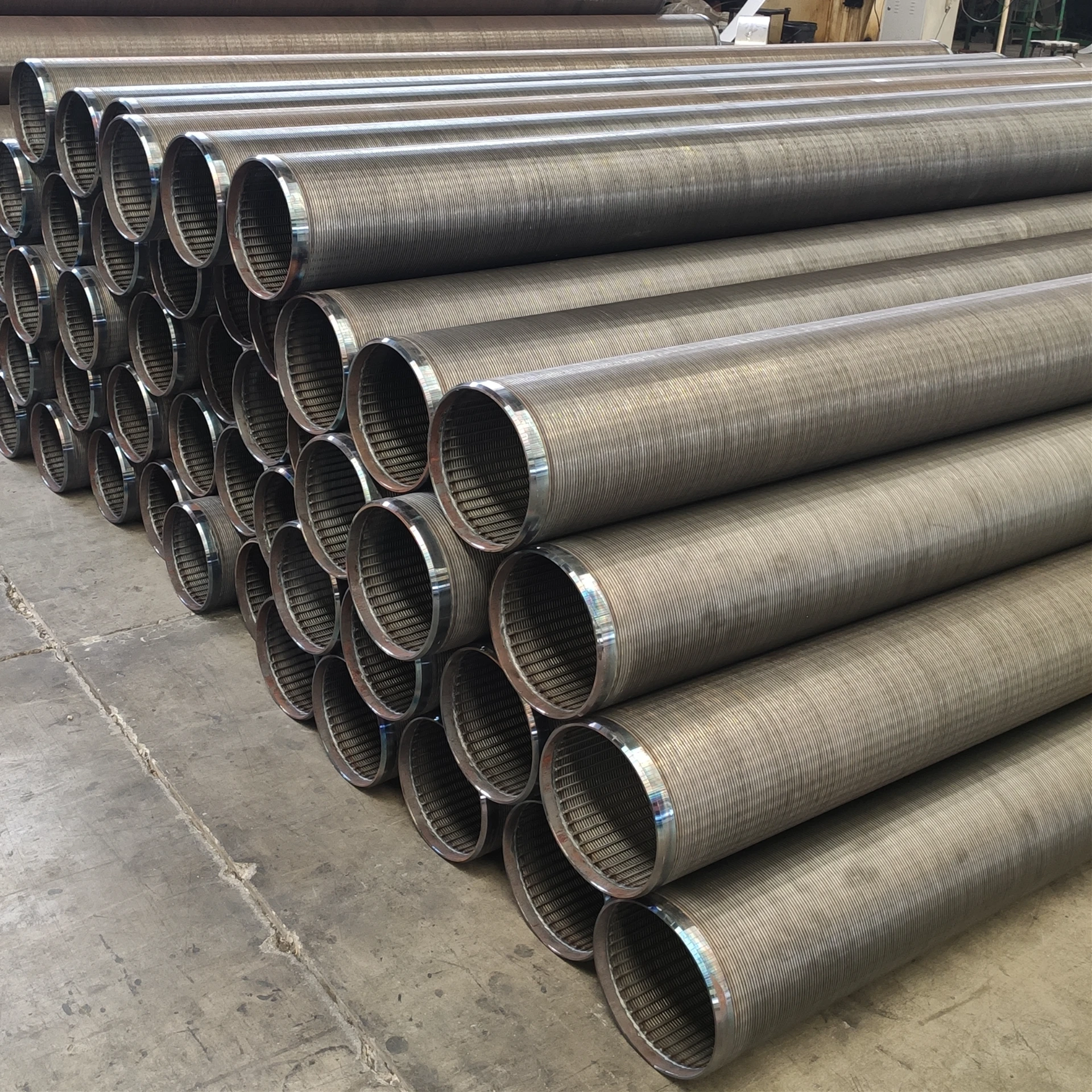
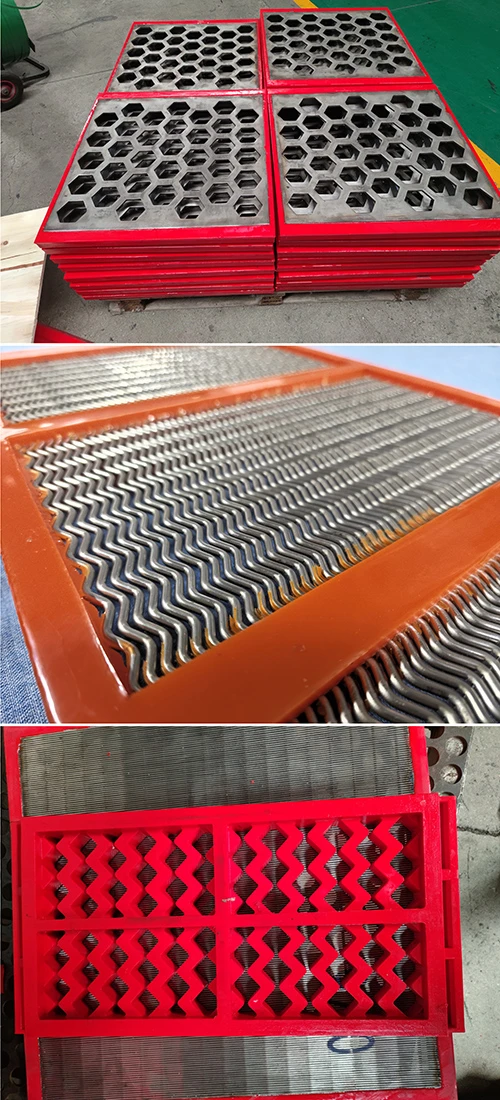
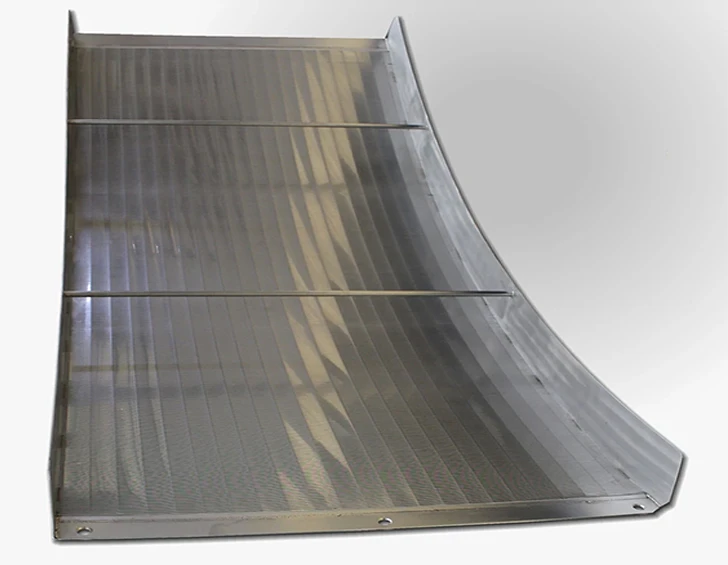
In simple technical terms, a wire wrapped well screen consists of a V-shaped wire wound helically around a series of support rods. This specific "V-wire" geometry is crucial because it creates a slot that is narrower on the inside and wider on the outside. This design ensures that particles larger than the slot width are blocked on the surface, whereas particles that do enter the slot are not trapped, allowing them to pass through the screen and preventing the filter from clogging over time.
This mechanical approach addresses a critical humanitarian need: the provision of clean, reliable water in arid regions. By effectively filtering out sediment at the source, these screens reduce the need for complex surface filtration plants in remote areas. Whether it is for a village borehole in Sub-Saharan Africa or a municipal water project in Southeast Asia, the simplicity and effectiveness of the wire-wrap design provide a dependable lifeline.
Furthermore, the connection between these screens and modern industrial needs is evident in the oil and gas sector and geothermal energy extraction. In these high-temperature and high-pressure environments, the structural stability of the wrapped wire prevents the screen from collapsing under tectonic or hydrostatic pressure, ensuring that energy resources can be extracted safely and consistently without contaminating the surrounding strata.
The durability of a wire wrapped well screen begins with the selection of the base material. Most high-performance screens utilize Stainless Steel 304, 316L, or even Duplex steels to combat the corrosive nature of subterranean brine. The metallurgical composition determines the screen's resistance to pitting and stress-corrosion cracking, which are the primary causes of premature well failure in saline environments.
Another critical factor is the "Open Area Ratio." A superior wire wrapped well screen is engineered to maximize the percentage of open space relative to the total surface area. By increasing the open area, the entrance velocity of the water is lowered, which significantly reduces the likelihood of drawing fine sands into the well and minimizes the pressure drop (head loss) across the screen.
Finally, the precision of the welding and the stability of the support rods are what provide the necessary structural scalability. These rods must be perfectly spaced to prevent the wire from sagging or shifting under the weight of the gravel pack. When these components are synchronized, the resulting screen can be scaled from small-diameter domestic wells to massive industrial diameters without compromising its filtering efficiency or mechanical strength.
Choosing the correct slot size for a wire wrapped well screen is a scientific process that requires a detailed analysis of the aquifer's grain size distribution. If the slot is too wide, the well will be contaminated with sand; if it is too narrow, the water flow will be restricted, forcing the pump to work harder and increasing energy costs.
The following data illustrates how different configurations of wire-wrapped screens perform based on typical aquifer characteristics, measuring their effectiveness in balancing flow rate against sand retention.
In real-world contexts, the wire wrapped well screen is utilized across a diverse array of environments. In the agricultural hubs of the Central Valley in California or the plains of India, these screens are essential for sustainable irrigation, allowing farmers to extract water without degrading the soil structure around the well.
Beyond agriculture, they play a pivotal role in industrial zones and post-disaster relief operations. When emergency water supplies must be established quickly in disaster-stricken areas, the rapid deployment of pre-fabricated wire-wrapped screens ensures that clean water can be accessed without the need for extensive filtration systems, providing immediate safety and dignity to affected populations.
The long-term value of investing in a premium wire wrapped well screen is found in the reduction of the Total Cost of Ownership (TCO). While lower-quality alternatives may be cheaper initially, they often lead to pump failure and the need for expensive chemical treatments to clear clogged screens. A high-efficiency wrap reduces energy consumption by lowering the drawdown level, which directly translates to lower carbon emissions from the power grids.
From a sustainability angle, these screens prevent the "mining" of fine sediments, which can lead to land subsidence—a dangerous phenomenon where the ground literally sinks due to the loss of structural support in the aquifer. By maintaining the geological integrity of the subsurface, wire-wrapped technology protects the environment for future generations.
Moreover, the trust built between engineering firms and their clients relies on the reliability of these components. When a municipal water system remains operational for decades without a single failure in its screening system, it represents a triumph of innovation and a commitment to public safety and reliability.
The future of wire wrapped well screen technology is leaning heavily toward "smart" materials and automation. We are seeing the emergence of polymer-coated stainless steels that provide an additional layer of protection against extremely aggressive sulfuric acids found in geothermal wells. These hybrid materials combine the strength of steel with the chemical inertness of advanced plastics.
Digital transformation is also entering the field through the integration of embedded sensors. Imagine a well screen that can monitor its own clogging levels in real-time and send data to a central hub, allowing for predictive maintenance rather than reactive repairs. This shift toward the "Industrial Internet of Things" (IIoT) will revolutionize how we manage the world's underground water reserves.
Additionally, the move toward green energy is driving the development of screens for hydrogen production and carbon capture sequestration wells. As we transition to a low-carbon economy, the precision engineering of these filtration interfaces will be key to the success of underground carbon storage projects.
| Material Type | Corrosion Resistance | Mechanical Strength | Estimated Lifespan (Years) |
|---|---|---|---|
| Standard SS304 | Moderate | High | 15-20 |
| Premium SS316L | High | High | 25-30 |
| Duplex Steel | Very High | Very High | 40-50 |
| Polymer Coated | Extreme | Moderate | 30-35 |
| Titanium Alloy | Absolute | Extreme | 60+ |
| Composite Hybrid | High | High | 30-40 |
Selecting the slot size requires a sieve analysis of the aquifer's formation sand. Typically, the slot width is chosen to be slightly smaller than the median grain size (d50) of the natural sand or matched to the size of the artificial gravel pack. A professional hydrologist usually provides these specifications to ensure the screen blocks sediment while maximizing water flow.
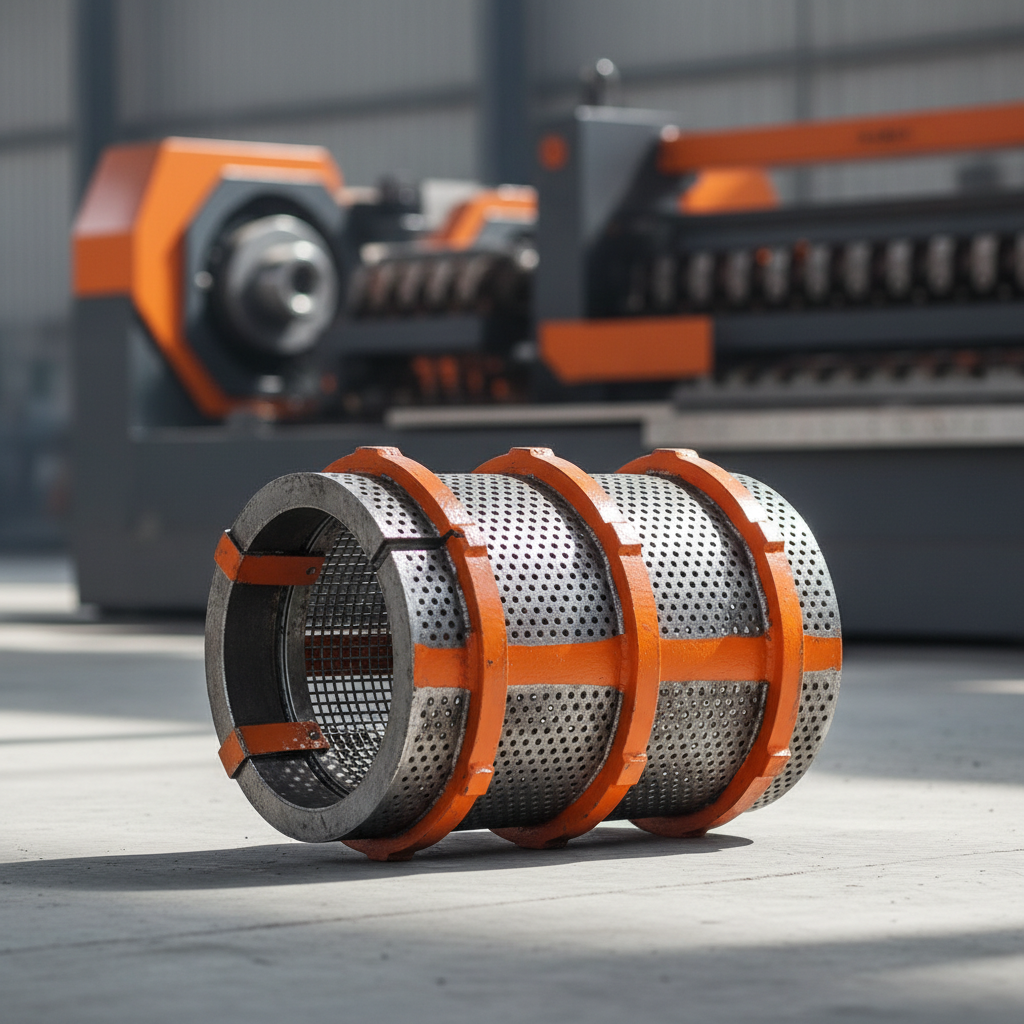
Yes, in most high-yield applications. Wire-wrapped screens offer a significantly larger open area (often over 30-50%) compared to slotted pipes, which drastically reduces the entrance velocity of water. This lowers the risk of sand infiltration and reduces the pressure drop, leading to higher pump efficiency and a longer well lifespan.
While they are designed to resist clogging, mineral scaling can occur. They can be cleaned using chemical acidification (to dissolve carbonates) or mechanical surging and brushing. However, the high-precision "V" shape of the wire makes them much easier to clean than traditional mesh screens, as particles are not embedded deep into the material.
Depending on the water chemistry and installation quality, a high-grade stainless steel (316L) screen can last between 25 to 50 years. In highly corrosive environments, Duplex steel or Titanium options are recommended to reach the upper end of that lifespan and avoid costly well redevelopment.
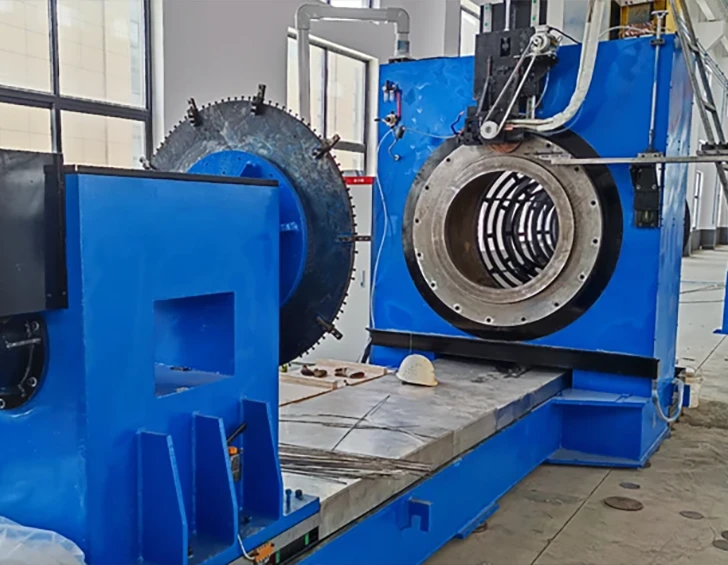
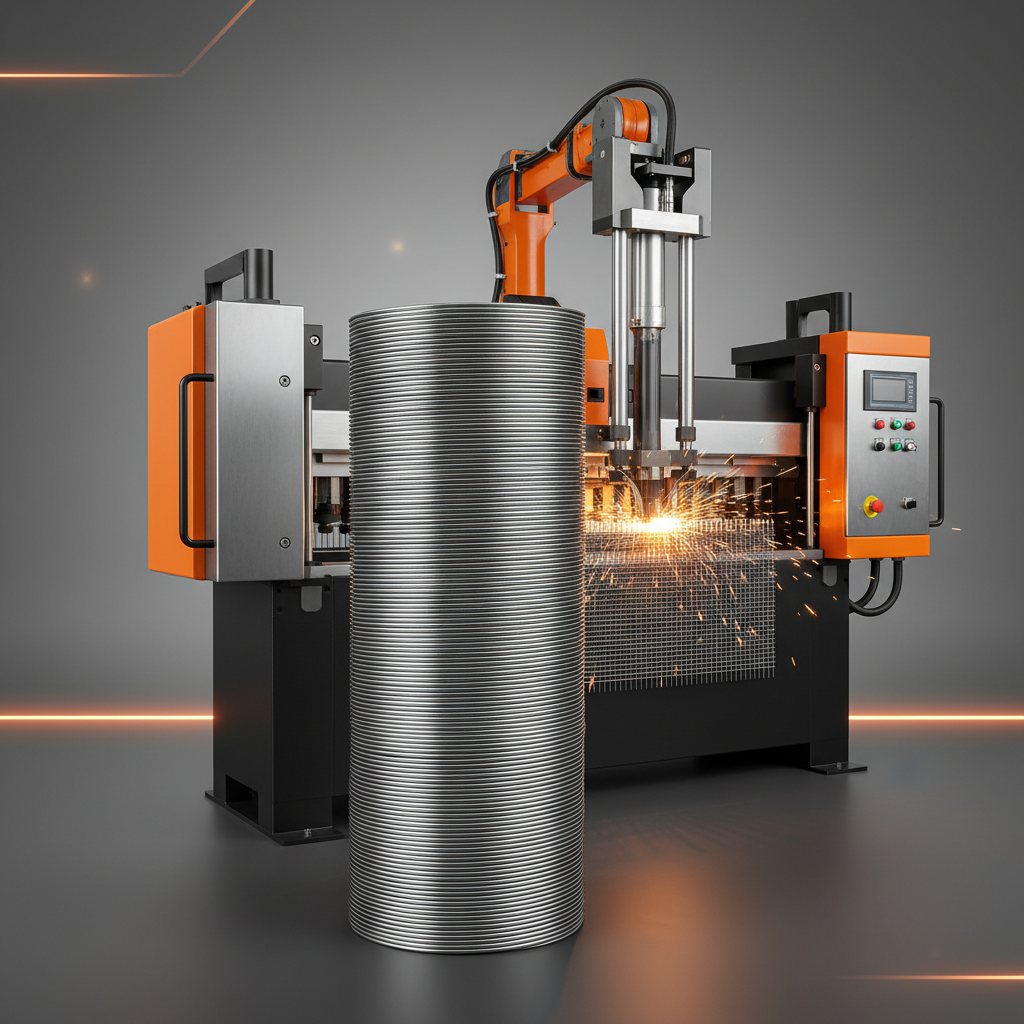
The process involves a precision CNC winding machine that wraps the V-shaped wire around longitudinal support rods at a precise pitch. The intersection points are then welded using high-frequency resistance welding, ensuring a rigid, monolithic structure that maintains its slot geometry even under extreme hydrostatic pressure.
While some "sand-tight" configurations exist, the majority of wire-wrapped screens are designed to be used with a gravel pack. The gravel pack acts as a primary filter, distributing the flow evenly around the screen and providing additional structural support to the borehole wall, which prevents the screen from being directly exposed to shifting sands.
The wire wrapped well screen represents the intersection of metallurgical precision and hydrological necessity. By balancing the competing needs of high flow rates and strict sediment control, these components ensure that groundwater extraction remains sustainable, efficient, and cost-effective. From the choice of Duplex steels for corrosive environments to the optimization of the V-wire geometry for maximum open area, every detail is engineered to protect the pump and the aquifer.
Looking forward, the integration of smart monitoring and advanced hybrid materials will only further enhance the reliability of water infrastructure. For engineers and project managers, the transition toward these high-performance screening solutions is not just a technical upgrade, but a commitment to long-term resource security. To ensure your project utilizes the highest industry standards in filtration, visit our website: www.mutoscreens.com