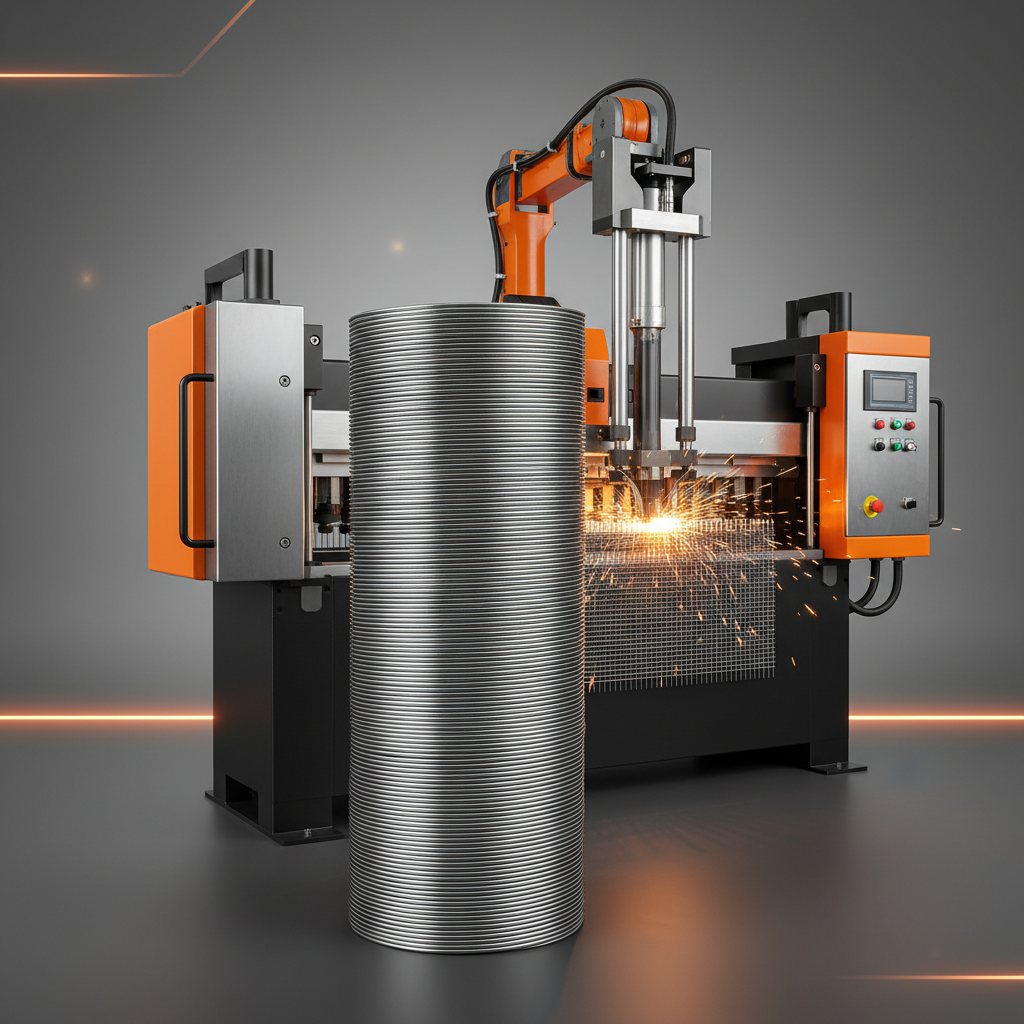
The selection of a high-performance 1 1 4 well screen is critical for the long-term viability of groundwater extraction and industrial filtration projects. By optimizing the flow of fluids while effectively barring the entry of unwanted particulates, these specialized screens prevent well clogging and maximize the yield of the aquifer. Understanding the technical nuances of these components allows engineers to design systems that are not only efficient but also sustainable over decades of operation.
Globally, the demand for precision-engineered wedge wire solutions has surged as water scarcity drives the need for deeper and more reliable boreholes. The 1 1 4 well screen serves as a primary defense mechanism, utilizing a specific slot geometry to balance open area and structural integrity. This balance is essential for maintaining high flow rates without compromising the stability of the surrounding geological formation.
Investing in the correct screen specification ensures a reduction in operational costs and minimizes the frequency of expensive well rehabilitation. Whether applied in municipal water supply, geothermal energy extraction, or industrial wastewater management, the 1 1 4 well screen provides the reliability needed to secure essential resources in an increasingly volatile environmental landscape.
Global Industrial Significance of 1 1 4 Well Screen
In the current global industrial climate, the 1 1 4 well screen has become a cornerstone of efficient hydraulic engineering. According to ISO standards for water intake systems, the precision of the slot width directly correlates to the longevity of the borehole. In regions facing acute water stress, the implementation of high-precision screens prevents the "sand-pumping" effect, which often leads to premature pump failure and environmental degradation.
Furthermore, the shift toward sustainable mining and geothermal energy has highlighted the necessity of the 1 1 4 well screen's ability to handle high-pressure environments. By adhering to strict manufacturing tolerances, these screens ensure that the drawdown of the water table is managed efficiently, preventing the collapse of the well wall and ensuring a steady supply of resources for industrial growth.
Technical Definition and Design Logic
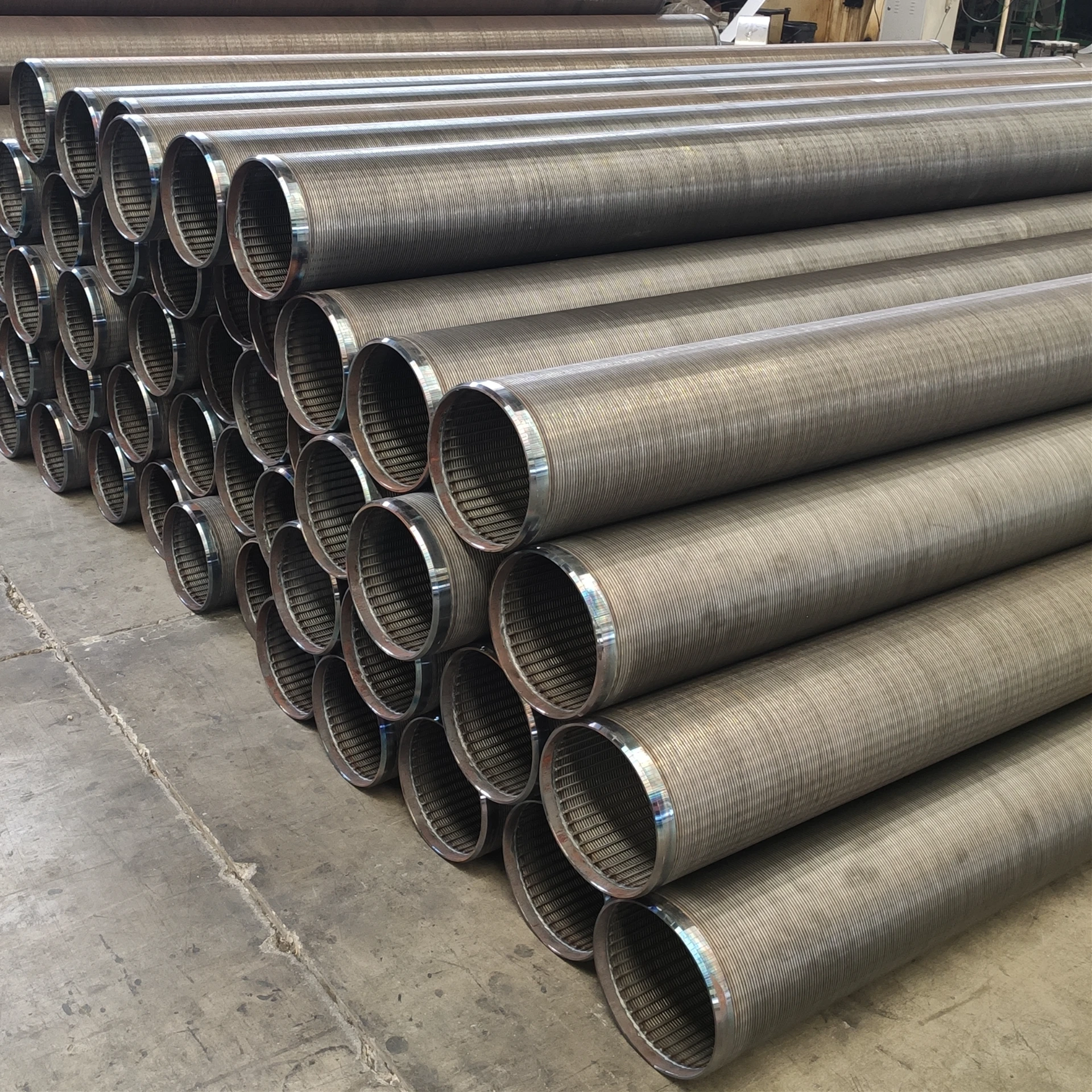
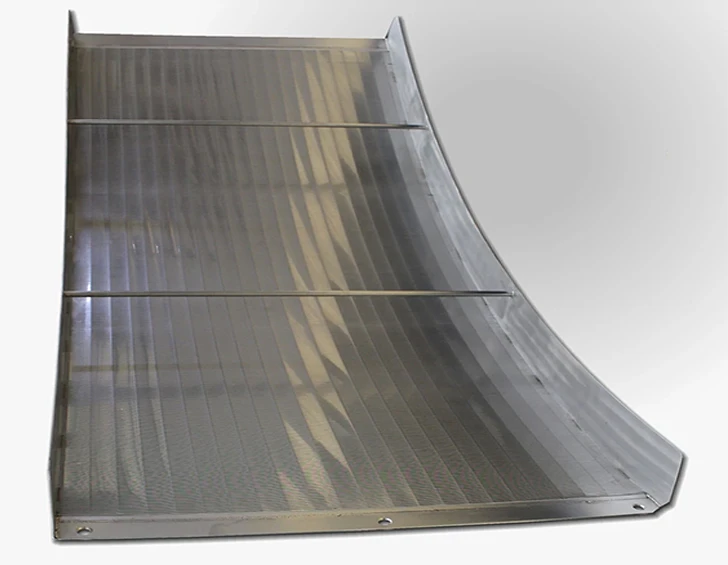
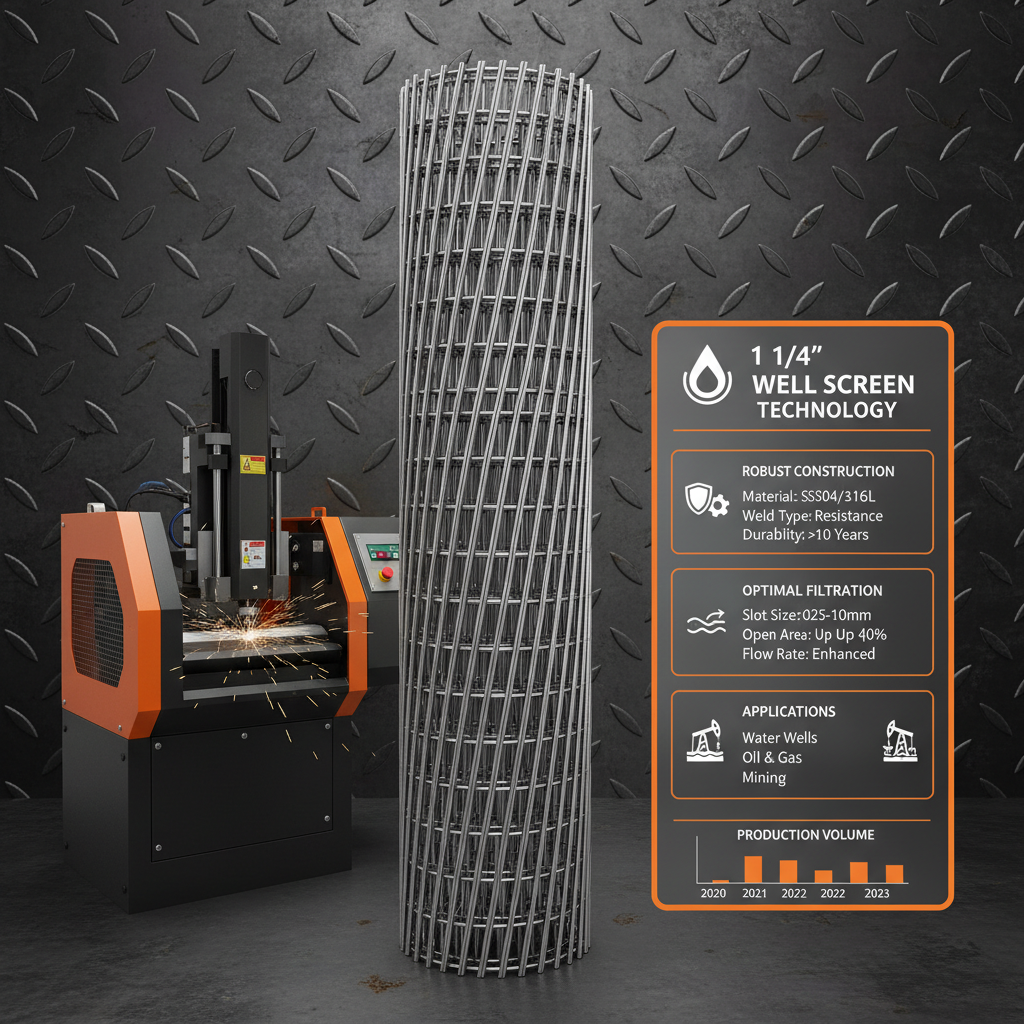
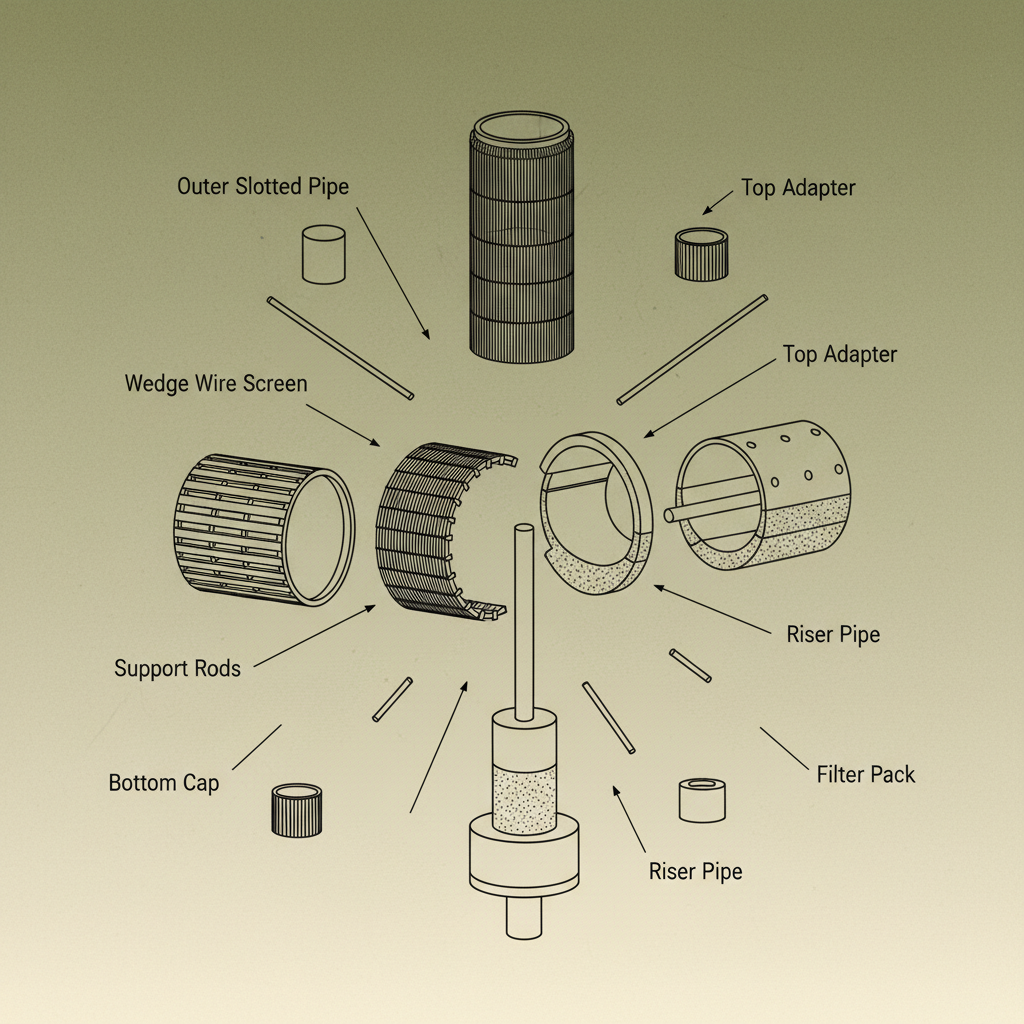
At its core, the 1 1 4 well screen is a sophisticated filtration device constructed from V-shaped wedge wire wrapped around a series of support rods. The "1 1 4" designation typically refers to specific dimensional ratios or slot configurations that are optimized for specific grain sizes of the surrounding aquifer. This geometry creates a "non-clogging" effect, as the narrowest part of the slot is at the exterior, allowing particles to pass through easily if they are small enough, or be blocked decisively if they are too large.
Unlike traditional slotted pipes, the wedge wire design of the 1 1 4 well screen provides a significantly higher open area. This reduction in entrance velocity decreases the friction loss as water enters the screen, which in turn lowers the energy requirements for pumping. This efficiency is paramount in large-scale agricultural projects where electricity costs for irrigation can be a deciding factor in economic viability.
The integration of high-grade stainless steel (such as 304 or 316L) ensures that the 1 1 4 well screen can withstand corrosive groundwater chemicals. The design logic emphasizes a marriage between mechanical strength and hydraulic conductivity, ensuring that the screen does not deform under the immense lithostatic pressure found at significant depths.
Core Components for Maximum Durability
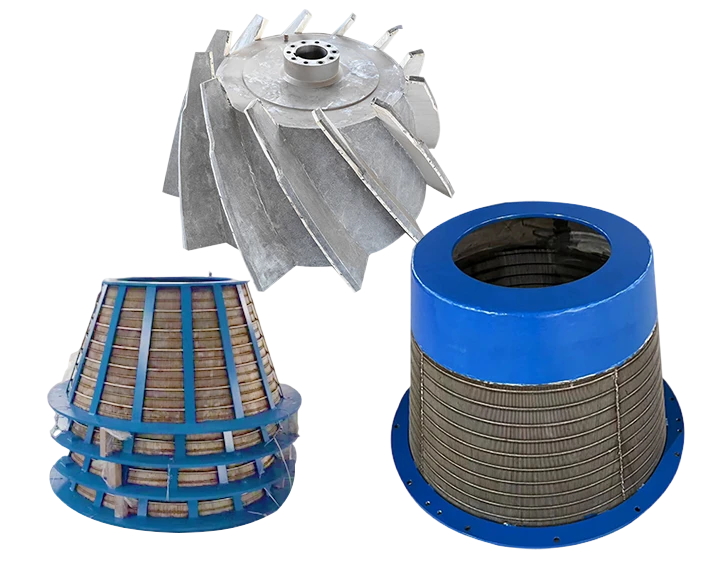
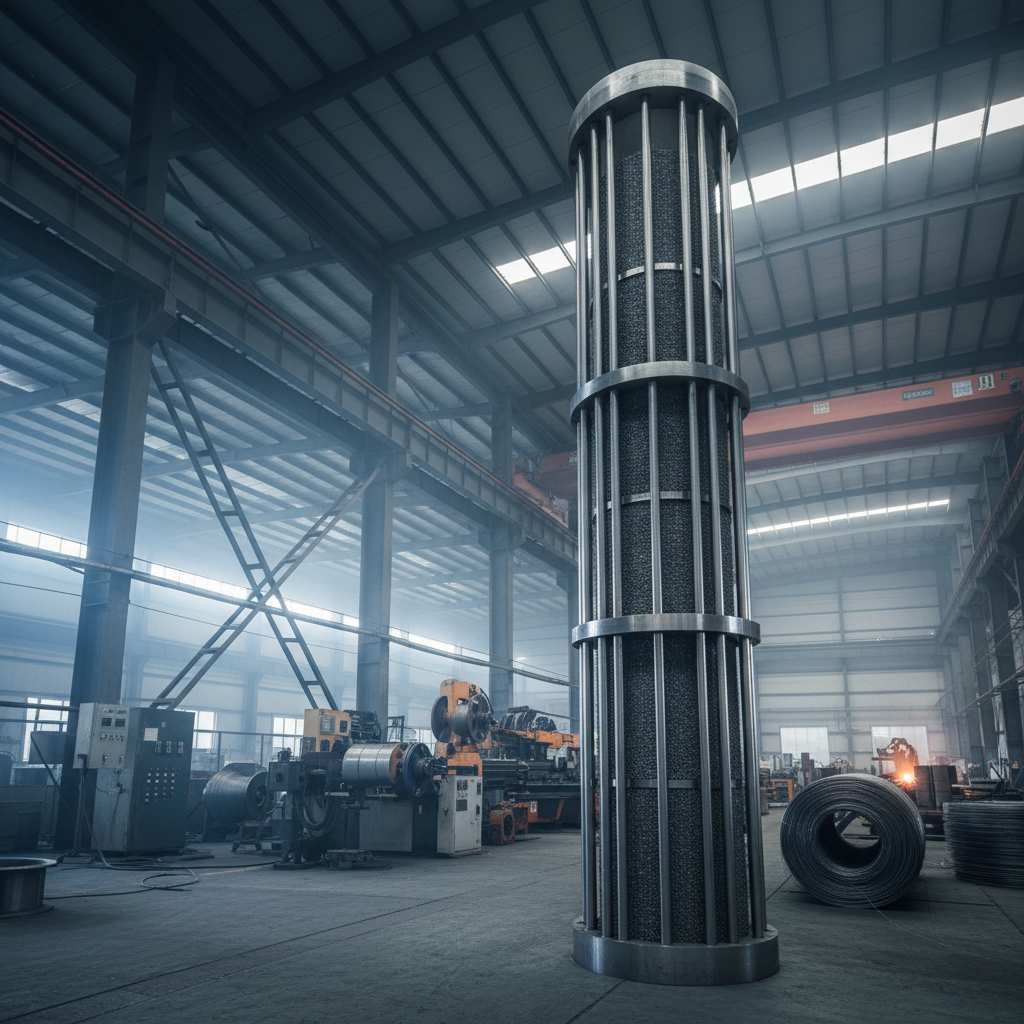
The structural integrity of a 1 1 4 well screen depends heavily on the quality of its support rods. These rods act as the skeleton of the screen, distributing the external pressure of the soil and gravel pack evenly across the wedge wire. Without precise spacing and robust welding, the screen could buckle, leading to total well failure.
Material selection is the second pillar of durability for the 1 1 4 well screen. Utilizing duplex stainless steel or specialized alloys allows the screen to operate in hypersaline environments or acidic soils without pitting. This prevents the "leakage" of sand into the well, which would otherwise act as an abrasive on the submersible pump.
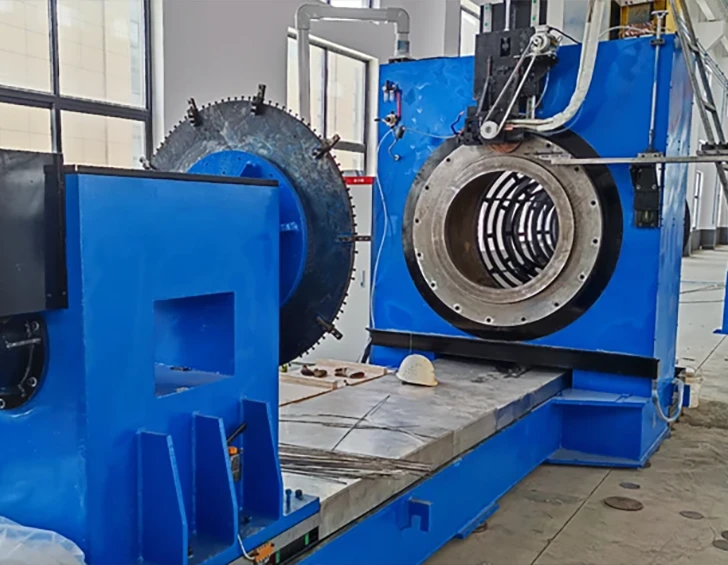
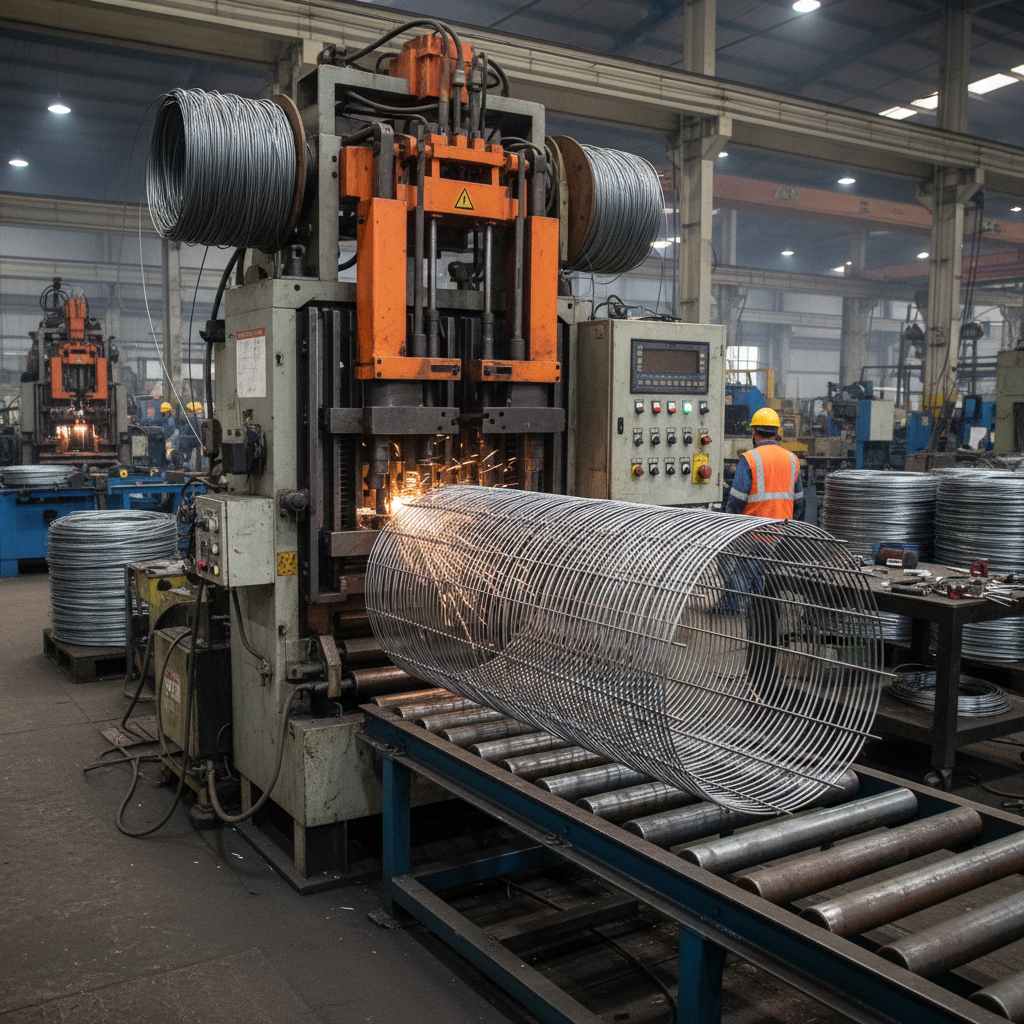
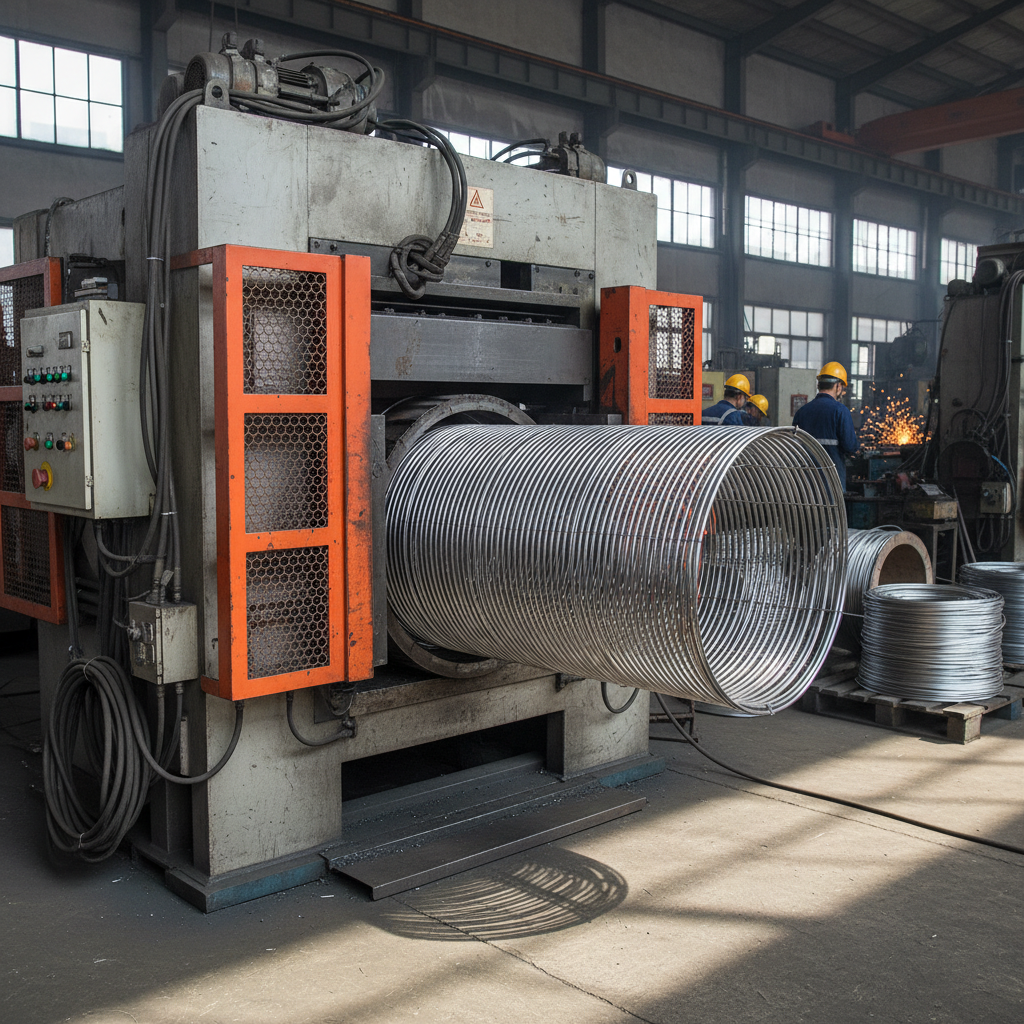
Lastly, the precision of the slot welding process in the 1 1 4 well screen determines its filtration accuracy. Automated TIG welding ensures that every joint is seamless and corrosion-resistant. This level of detail prevents localized turbulence and minimizes the risk of biological fouling, extending the time between necessary chemical cleanings.
Performance Metrics and Efficiency Analysis
To evaluate the effectiveness of a 1 1 4 well screen, engineers look at the "Open Area Percentage." A higher open area means lower entrance velocity, which reduces the likelihood of drawing in fine silts. When compared to traditional perforated screens, the wedge wire configuration of the 1 1 4 well screen often yields a 30-50% increase in hydraulic efficiency.
Furthermore, the "Slot-to-Grain Ratio" is a critical metric. By matching the slot size of the 1 1 4 well screen to the D10 or D50 diameter of the filter pack, operators can achieve a "perfect seal" against the formation. This optimizes the flow pattern and ensures that the well operates at its maximum theoretical capacity without risk of collapse.
Comparative Efficiency of 1 1 4 Well Screen Variants
Global Applications in Diverse Environments
The versatility of the 1 1 4 well screen allows it to be deployed across wildly different geographic regions. In the arid landscapes of the Middle East, these screens are used in deep municipal wells to ensure a steady water supply for growing urban populations. Their resistance to mineral scaling makes them ideal for the high-salinity groundwater common in these coastal and desert regions.
In contrast, within the industrial zones of Southeast Asia and North America, the 1 1 4 well screen is frequently integrated into wastewater treatment plants and chemical processing facilities. Here, the screen acts as a high-capacity intake or discharge filter, ensuring that treated water is returned to the environment without carrying harmful sediments or debris.
Long-Term Value and Sustainability Benefits
From an economic perspective, the 1 1 4 well screen offers immense long-term value by reducing the Total Cost of Ownership (TCO). While the initial investment in wedge wire is higher than in slotted PVC, the lifespan is exponentially longer. By preventing well sanding and pump wear, operators avoid the catastrophic costs of drilling replacement wells or frequent pump overhauls.
Sustainability is another key driver. The use of a precision 1 1 4 well screen ensures that the aquifer is not over-stressed. By optimizing the flow area, the system reduces the "cone of depression" during pumping, which helps maintain the local water table and prevents the drying up of neighboring shallow wells, fostering a more equitable distribution of water resources.
Moreover, the reliability of these screens provides a psychological sense of security for community planners and industrial managers. Knowing that the 1 1 4 well screen is engineered to withstand geological shifts and chemical attacks means that critical infrastructure is protected against unforeseen environmental changes.
Future Innovations in Well Screen Technology
The future of the 1 1 4 well screen is being shaped by the integration of "smart" materials and digital monitoring. We are seeing the emergence of screens embedded with fiber-optic sensors that can monitor flow rates and pressure differentials in real-time. This allows for predictive maintenance, where operators can detect the early signs of clogging and initiate cleaning before the well's productivity drops.
Material science is also evolving, with the introduction of nano-coatings that repel biological biofilm and mineral deposits. These "anti-fouling" 1 1 4 well screens will significantly reduce the need for harsh chemical treatments, making groundwater extraction more eco-friendly and reducing the risk of groundwater contamination.
Furthermore, automation in the manufacturing process is allowing for "hyper-customization." Future 1 1 4 well screens can be manufactured with varying slot sizes along a single pipe to match the different geological layers of a complex aquifer, maximizing the yield from every single foot of the borehole.
Technical Comparison and Analysis of 1 1 4 Well Screen Innovations
| Innovation Type |
Core Improvement |
Impact on Yield |
Longevity Score (1-10) |
| Smart Sensor Integration |
Real-time flow monitoring |
High (Predictive) |
9 |
| Nano-AntiFouling Coat |
Reduced biological clogging |
Medium |
10 |
| Duplex Alloy V2 |
Superior corrosion resistance |
Low (Stability focus) |
10 |
| Variable Slot Design |
Layer-specific filtration |
Very High |
8 |
| Automated TIG Welding |
Zero-defect joint integrity |
Medium |
9 |
| Hybrid Polymer-Steel |
Weight reduction & Flex |
Medium |
7 |
FAQS
A 1 1 4 well screen is a precision wedge-wire filter designed with a specific slot geometry to maximize water intake while excluding sand. Unlike standard perforated screens, which have simple holes and are prone to clogging, the wedge-wire design creates a V-shaped opening. This ensures that particles are blocked at the surface, preventing them from becoming wedged inside the slot, which significantly increases the screen's lifespan and flow efficiency.
The choice depends primarily on a grain-size analysis of your aquifer's formation. You should compare the slot size of the 1 1 4 well screen with the D10 or D50 diameter of the surrounding sand or the chosen filter pack. If the slot is too wide, the well will pump sand; if it is too narrow, the flow rate will be restricted. Consulting a hydrogeologist to match the screen to the soil profile is highly recommended.
Yes, one of the primary advantages of wedge-wire screens is their ease of rehabilitation. Because the slots are open and not obstructed by internal burrs, they respond very well to mechanical brushing and chemical surging. Acid treatments can be used to dissolve mineral scales, and high-pressure jetting can remove biological biofilms, restoring the screen's original hydraulic conductivity.
While 304 and 316L stainless steel are the industry standards due to their balance of cost and corrosion resistance, other materials are available for extreme conditions. For highly acidic or saline environments, Duplex stainless steel or Super Duplex alloys are used. In some specific low-pressure applications, specialized polymers may be used, but for industrial-grade depth and durability, metal wedge wire remains the gold standard.
With proper installation and a correct filter pack, a high-quality stainless steel 1 1 4 well screen can easily last 20 to 50 years. The longevity is largely dependent on the corrosivity of the groundwater and the stability of the formation. Regular monitoring and occasional maintenance cleaning can further extend this lifespan, making it a far more sustainable investment than cheaper alternatives.
Importing these solutions requires adherence to ISO and ASTM standards to ensure quality. It is best to work with manufacturers who provide full material certifications and pressure test reports. Logistics typically involve sea freight with specialized protective packaging to prevent the wedge wire from being dented during transit. Many suppliers offer end-to-end shipping and customs clearance support to facilitate global deployment.
Conclusion
The implementation of a 1 1 4 well screen represents a strategic commitment to hydraulic efficiency and structural longevity. By combining advanced wedge-wire geometry with high-grade materials, these screens solve the age-old problem of well clogging and sand infiltration. From improving the yield of municipal water supplies to enabling the precision filtration required in industrial wastewater treatment, the technical superiority of this design ensures that critical water resources are managed with maximum reliability and minimum environmental impact.
Looking forward, the evolution of "smart" screens and anti-fouling coatings will only further enhance the value proposition of the 1 1 4 well screen. As the world faces increasing water volatility, investing in precision-engineered filtration is no longer optional—it is a necessity for sustainable development. We encourage engineers and project managers to prioritize high-specification wedge wire solutions to secure the future of their water infrastructure. Visit our website for more professional guidance: www.mutoscreens.com