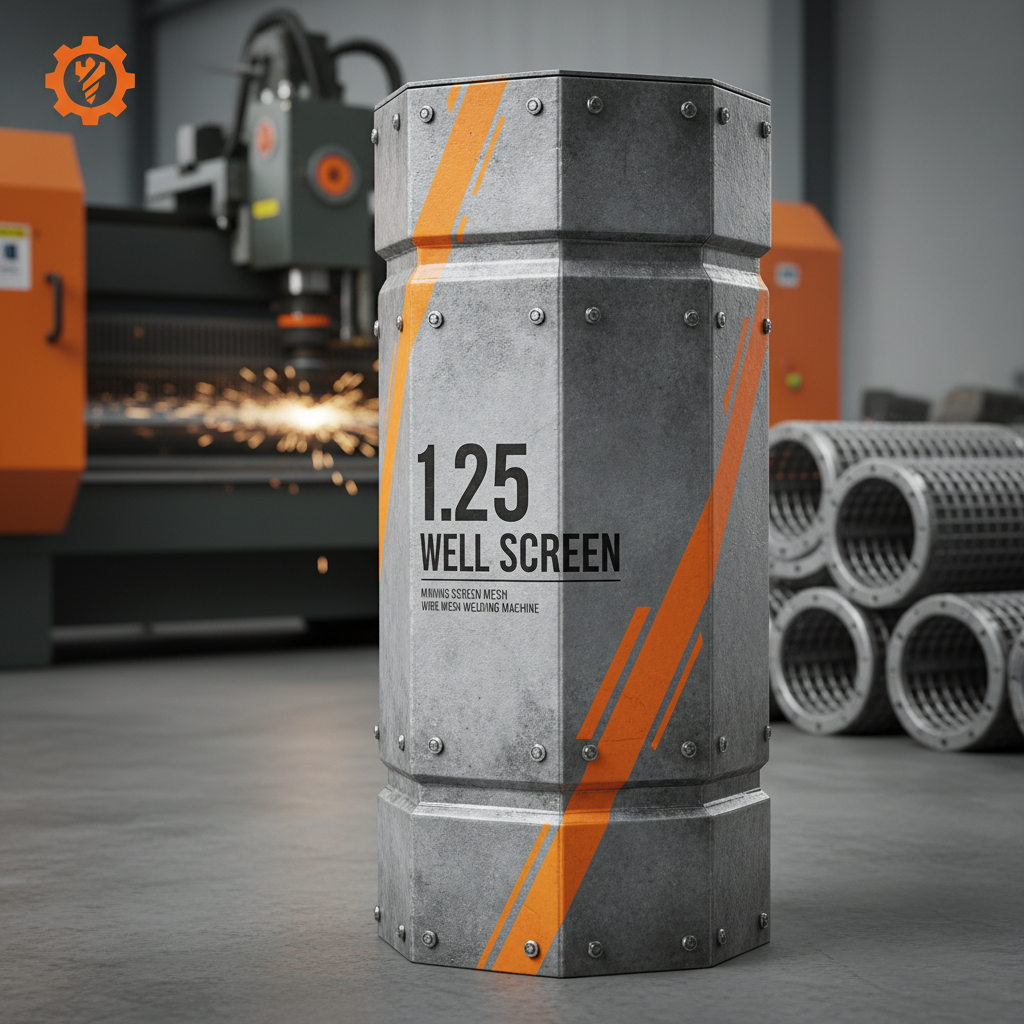
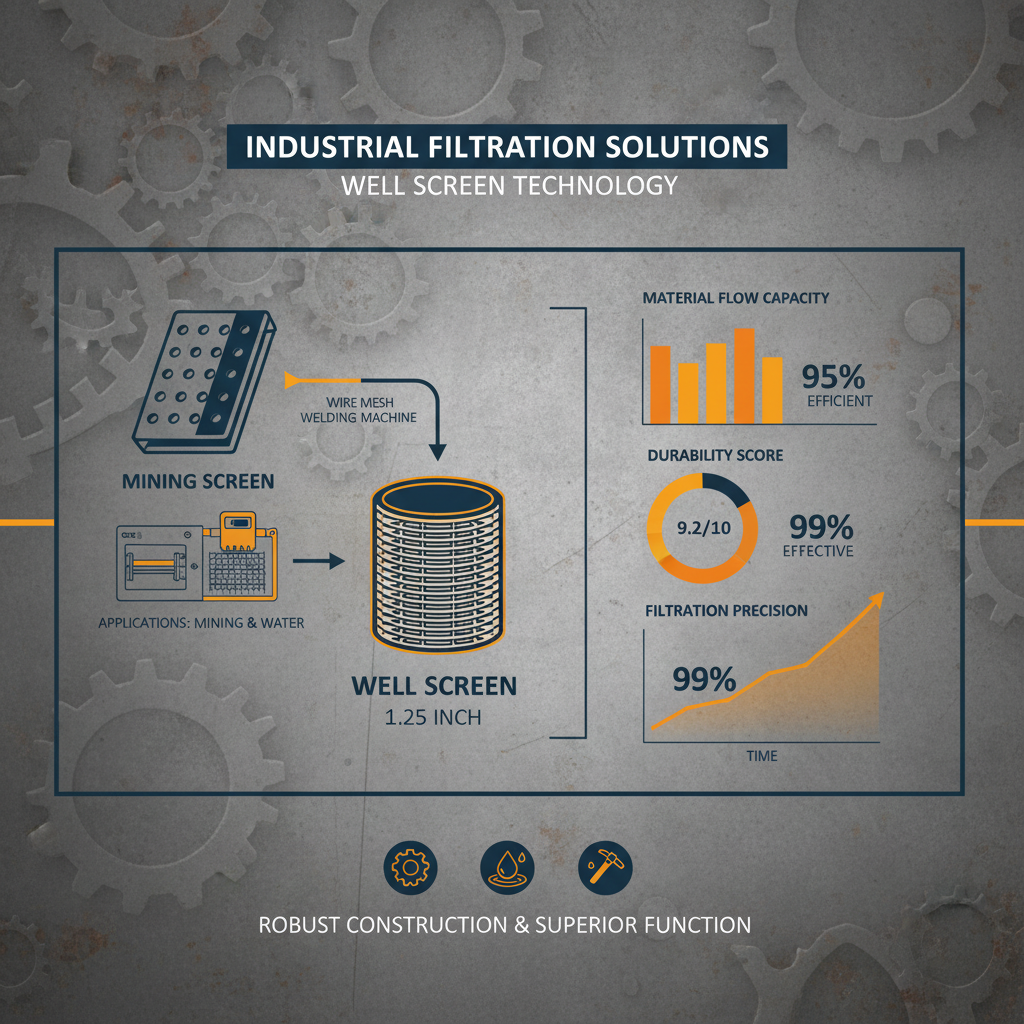
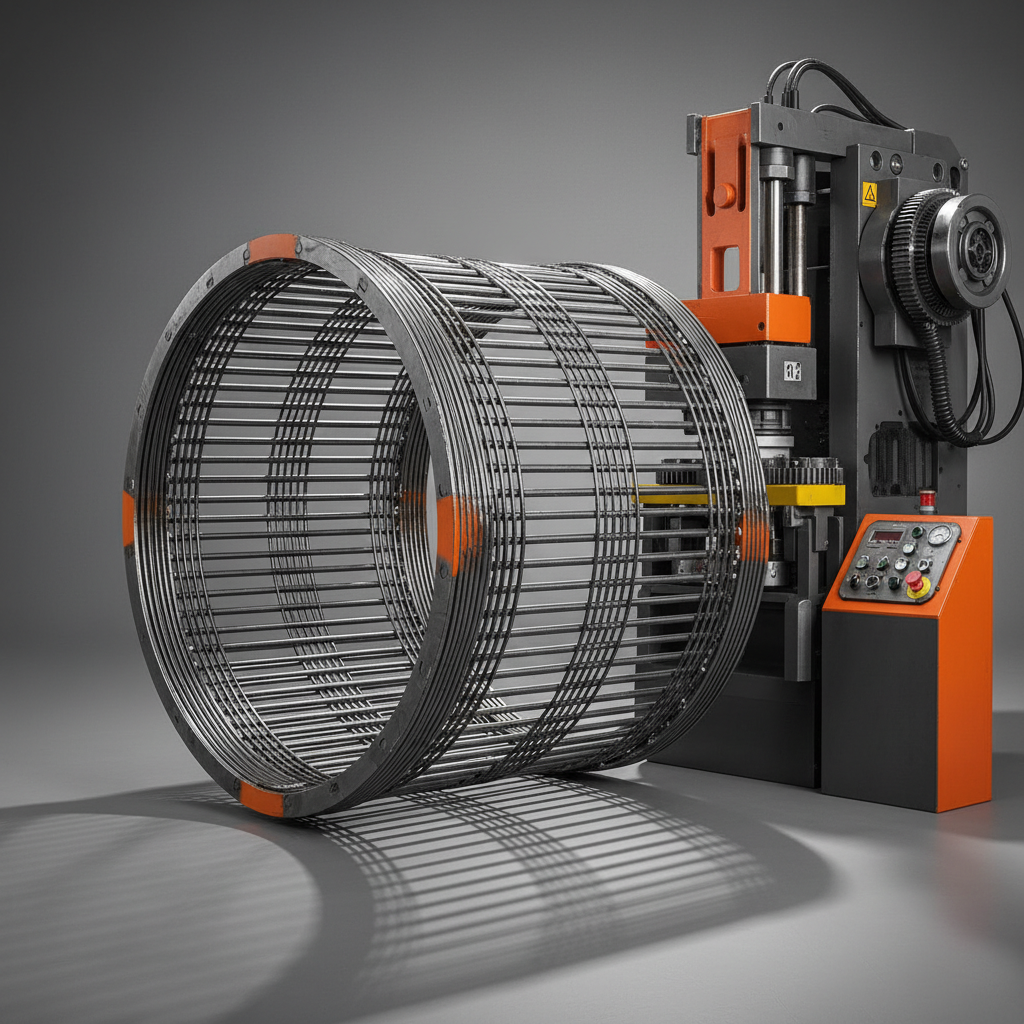
The selection of a 1.25 well screen is a critical decision in the engineering of high-yield water wells and industrial filtration systems. By balancing the open area with precise slot dimensions, this specific screen configuration ensures that maximum fluid flow is achieved while effectively excluding unwanted sediment and sand. Understanding the technical nuances of this equipment is essential for engineers looking to extend the lifespan of their bores and reduce maintenance costs.
Globally, the demand for precision-engineered filtration has surged as groundwater scarcity drives the need for more efficient extraction methods. A 1.25 well screen serves as a frontline defense against borehole collapse and pump wear, utilizing advanced wedge wire technology to create a stable, high-velocity intake. Its ability to handle varying geological pressures makes it a versatile tool in both municipal water projects and oil and gas recovery.
Investing in the correct slot size, such as the 1.25mm variant, can significantly impact the sustainability of an aquifer. By preventing "sand pumping," this hardware preserves the integrity of the surrounding formation, ensuring a consistent flow rate over decades. For professionals in the metal wire and mesh industry, mastering the deployment of the 1.25 well screen is the key to delivering high-performance, long-term water management solutions.
Global Relevance of 1.25 Well Screen Engineering
In an era where water security is recognized by the UN as a fundamental human right, the role of the 1.25 well screen has shifted from a simple hardware component to a strategic asset. Across Africa and Southeast Asia, where groundwater is the primary source of potable water, the failure of well screens due to corrosion or improper slot sizing can lead to the total loss of a community's water supply.
Industry data suggests that improperly screened wells experience a 40% higher rate of pump failure within the first five years. By utilizing a precision-manufactured 1.25 well screen, engineers can minimize the entry of fine silts, thereby adhering to ISO standards for water quality and structural borehole stability.
Defining the 1.25 Well Screen and Its Mechanism
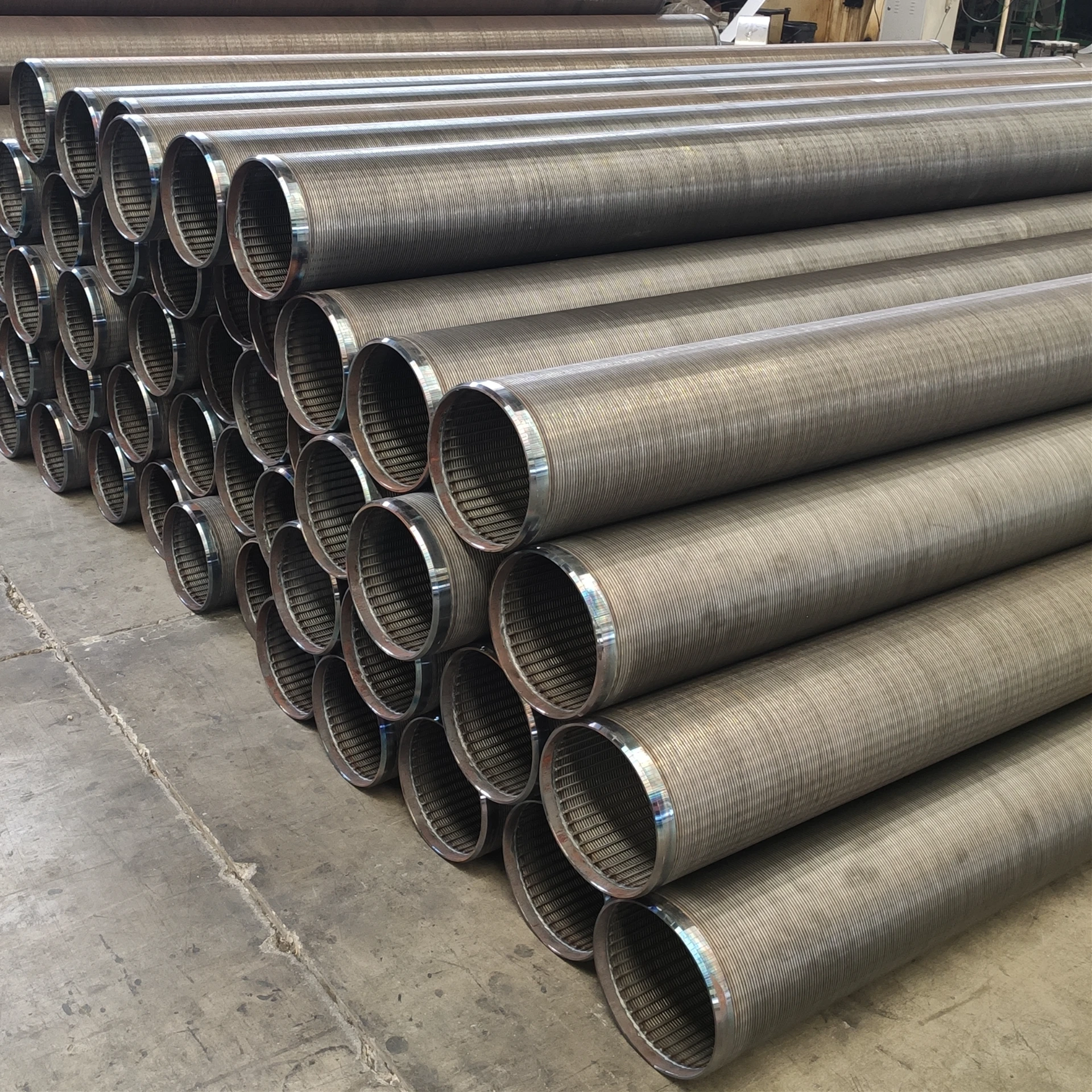
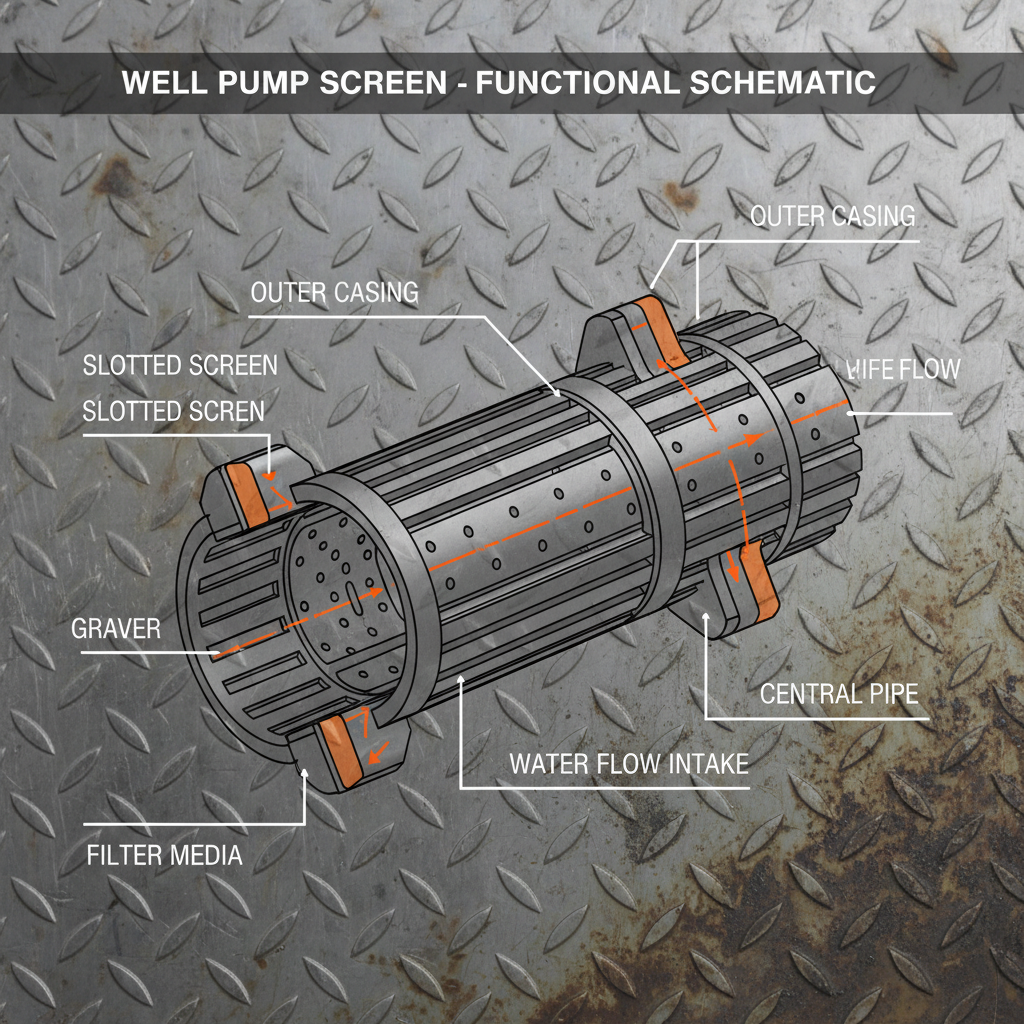
At its core, a 1.25 well screen is a specialized filtration device designed with a 1.25mm slot opening, typically constructed using the wedge wire process. Unlike traditional slotted pipes, the V-shaped wire profile prevents particles from plugging the opening, as any particle smaller than the slot width can pass through, while larger particles are held back firmly against the screen surface.
This mechanism is vital for modern humanitarian and industrial needs, where "sand-free" water is a requirement for high-pressure pumps and sensitive filtration membranes. The 1.25 well screen acts as a mechanical filter that stabilizes the aquifer's boundary, creating a natural filter cake of coarser sand around the screen, which further enhances the purity of the extracted fluid.
By integrating high-grade stainless steel (such as 304 or 316L), these screens resist the corrosive nature of deep-earth minerals. The specific 1.25mm dimension is often the "sweet spot" for medium-grained sandy aquifers, providing an optimal balance between high hydraulic conductivity and effective solids control.
Core Components and Performance Factors
The durability of a 1.25 well screen depends heavily on the metallurgical composition of the wedge wires and support rods. High-tensile strength is required to withstand the immense lithostatic pressure of deep-well installations, ensuring that the screen does not deform, which would otherwise compromise the precision of the 1.25mm slot.
Scalability is another key factor; these screens can be customized in length and diameter to fit various borehole sizes. Whether it is a small-scale agricultural bore or a massive municipal project, the 1.25 well screen can be manufactured as continuous lengths or modular sections for easier transport and installation in remote areas.
Finally, cost efficiency is realized through the reduction of long-term operational expenses. While a high-quality 1.25 well screen may have a higher initial price point than PVC alternatives, its resistance to chemical attack and mechanical wear ensures that the well does not need to be re-drilled or chemically treated for decades.
Technical Efficiency and Flow Analysis
Analyzing the flow dynamics of a 1.25 well screen requires a deep dive into the "Open Area" percentage. Because the wedge wire design maximizes the space through which water can enter, it significantly reduces the entrance velocity of the fluid. Lower velocity means less friction loss and a reduced likelihood of pulling fine particles from the formation into the well.
When compared to alternative screening methods, the 1.25mm wedge wire configuration consistently outperforms in high-yield environments. The linear flow paths created by the wires ensure that the pressure drop across the screen is kept to a minimum, allowing pumps to operate at their peak efficiency curves.
Comparative Performance of 1.25 Well Screen Configurations
Global Applications in Diverse Terrains
In remote industrial zones, particularly in the mining sectors of Australia and Canada, the 1.25 well screen is used for groundwater control and mine Dewatering. In these high-stakes environments, any failure in the screening system can lead to flooding of the mine shafts, making the reliability of the 1.25mm slot crucial for operational safety.
Furthermore, in post-disaster relief operations where rapid access to clean water is required, modular 1.25 well screen systems are deployed to create temporary but high-capacity boreholes. Their ability to be quickly installed and their resistance to local groundwater contaminants make them an ideal choice for NGOs and government agencies working in unstable geological regions.
Long-Term Economic and Environmental Value
The long-term value of implementing a 1.25 well screen extends beyond mere hardware costs; it is an investment in ecological sustainability. By preventing the migration of fines, these screens protect the aquifer from "silting up," which can permanently destroy the productivity of a water source. This preserves the dignity of local communities by ensuring their water security for future generations.
From a logical business perspective, the use of a 1.25 well screen reduces the frequency of "well surging" and chemical cleaning. This means lower energy consumption for pumps and a significant reduction in the carbon footprint associated with heavy machinery maintenance.
Trust in infrastructure is built on reliability. When an engineer specifies a 1.25mm wedge wire screen, they are opting for a proven technology that balances hydraulic performance with structural integrity, providing peace of mind to stakeholders and ensuring that the water extraction process remains steady and predictable.
Future Innovations in Wedge Wire Technology
The future of the 1.25 well screen is being shaped by the integration of "Smart Screens." We are seeing the emergence of sensors embedded within the support rods that can monitor real-time flow rates and detect early signs of clogging or corrosion. This digital transformation allows for predictive maintenance, where a well can be serviced before a total failure occurs.
Material science is also evolving, with the introduction of super-duplex stainless steels and polymer-coated wires. These innovations allow the 1.25 well screen to be used in even more extreme environments, such as hypersaline deep-sea aquifers or highly acidic industrial waste sites, without sacrificing the precision of the slot.
As the world moves toward green energy, these screens are also finding applications in geothermal energy extraction. The ability to handle high-temperature fluids while maintaining a strict 1.25mm filtration threshold is essential for the efficiency of heat exchangers in geothermal plants.
Comparative Analysis of 1.25 Well Screen Material and Application
| Material Grade |
Corrosion Resistance |
Typical Application |
Lifespan Rating (1-10) |
| SS 304 |
Moderate |
Freshwater Municipal |
7 |
| SS 316L |
High |
Brackish Water/Industrial |
9 |
| Duplex 2205 |
Very High |
Oil & Gas / Sea Water |
10 |
| Carbon Steel |
Low |
Temporary Dewatering |
4 |
| Polymer Coated |
Excellent |
Chemical Filtration |
8 |
| Titanium |
Extreme |
Deep-Sea Specialized |
10 |
FAQS
To determine if a 1.25 well screen is appropriate, you must perform a sieve analysis of the aquifer's formation sand. The slot size should generally be matched to the d10 or d50 particle size distribution to prevent sand ingress while maintaining flow. If your sand is medium-coarse, the 1.25mm slot is often the ideal choice for stability.
Yes, wedge wire screens are designed for easier cleaning compared to perforated pipes. Because the wires are V-shaped, particles are not wedged deep into the metal. Clogging can be addressed through mechanical brushing or "well surging" (pumping water in and out rapidly) to lift sediments away from the 1.25mm slots.
A standard slotted pipe has parallel edges, which can lead to "plugging" where particles get stuck in the slot. A 1.25 well screen uses wedge wire, creating a V-profile that allows particles to pass through or stay on the surface, resulting in a much higher open area and lower entrance velocity for the water.
Depending on the material grade (304 vs 316L) and the chemistry of the groundwater, a high-quality 1.25 well screen can last between 20 to 50 years. The use of Duplex stainless steel in highly corrosive environments can extend this lifespan even further by preventing pitting and stress corrosion cracking.
Absolutely. The screen's primary job is to protect the pump from solids. By ensuring a sand-free environment, a 1.25 well screen protects submersible pumps, turbine pumps, and jet pumps from impeller erosion, thereby extending the pump's operational life and reducing electricity costs.
Yes, professional manufacturers can customize the length and diameter of the 1.25 well screen to meet specific project requirements. They can also provide specialized end-caps or threaded connections to ensure a seamless fit with the rest of the well casing.
Conclusion
The implementation of a 1.25 well screen represents a sophisticated approach to groundwater management, blending precise mechanical engineering with geological necessity. By focusing on the critical balance of slot precision, material durability, and flow efficiency, these screens solve the perennial problem of sand ingress and borehole instability. From municipal water systems to industrial mining operations, the 1.25mm wedge wire design stands as a benchmark for reliability and performance.
Looking ahead, the integration of smart monitoring and advanced alloys will only enhance the value of these filtration systems. For developers and engineers, prioritizing high-quality screening is not just a technical requirement but a commitment to environmental stewardship and long-term infrastructure resilience. To explore our full range of precision screening solutions, visit our website: www.mutoscreen.com.