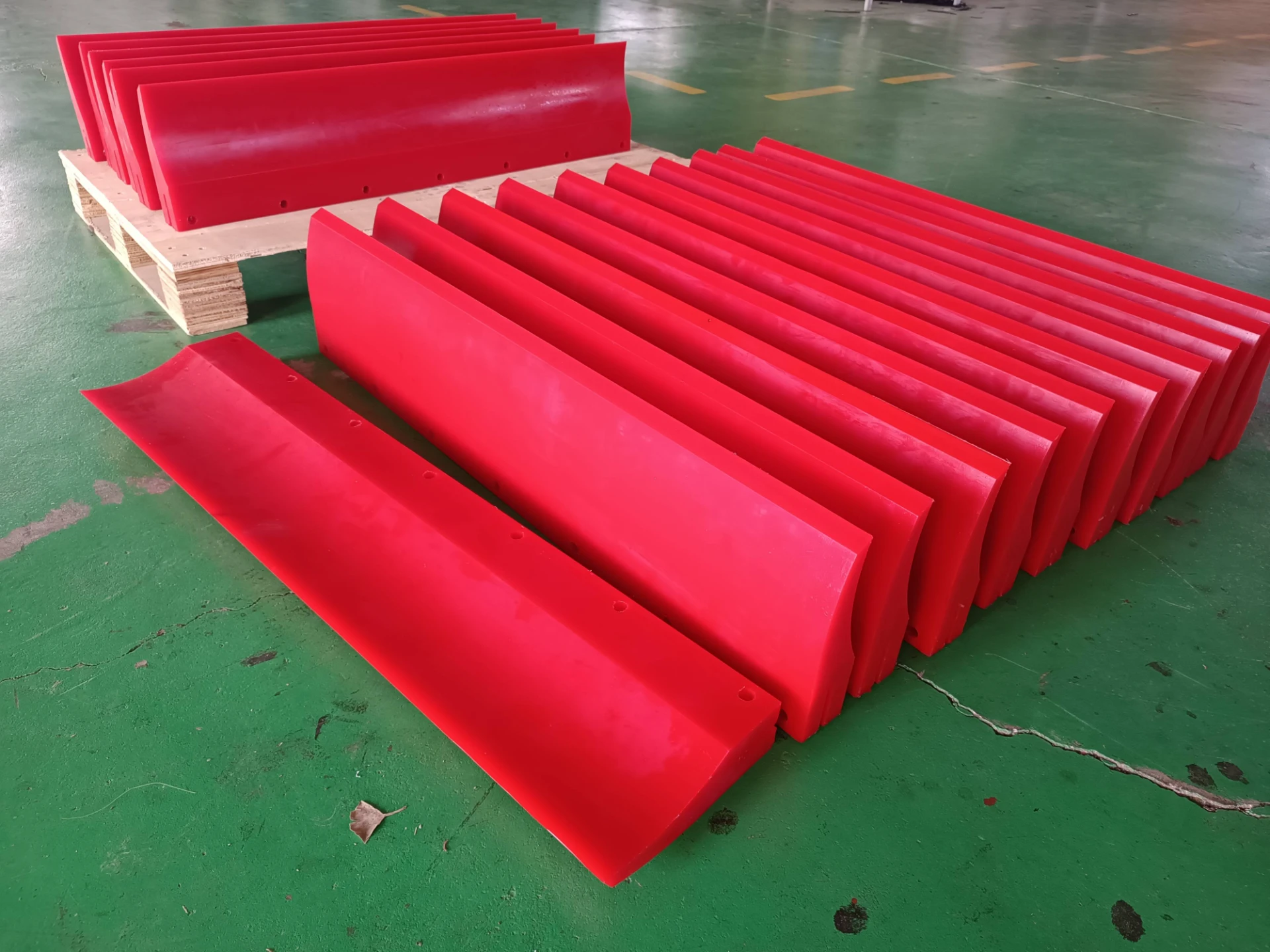
Selecting the right partner among polyurethane screen panels manufacturers is often the deciding factor between an efficient screening operation and constant downtime due to premature wear. In heavy-duty mining and industrial filtration, the transition from traditional steel wire to advanced polymer composites has fundamentally shifted how engineers approach material separation.
The challenge for most operators is not just finding a supplier, but identifying a manufacturer capable of balancing aperture precision with the elastomeric properties required to resist abrasive slurry. Polyurethane's unique ability to absorb impact while maintaining structural integrity makes it indispensable for high-tonnage applications where steel would typically fail through fatigue or corrosion.
This guide examines the critical technical benchmarks and procurement strategies necessary to evaluate suppliers, ensuring that the screen media selected aligns with the specific abrasive characteristics of your material and the mechanical constraints of your vibrating equipment.

Evaluating Material Resilience in Polyurethane Screen Fabrication

The efficacy of a polyurethane panel depends entirely on the chemical formulation of the polymer and the precision of the molding process. Unlike stainless steel, which relies on hardness, polyurethane utilizes a combination of high tensile strength and flexibility to "bounce" abrasive particles, significantly reducing the rate of surface erosion.
When vetting manufacturers, it is essential to analyze their approach to shore hardness. A panel that is too hard may crack under extreme impact, while one that is too soft may suffer from "blinding" or excessive deformation, which alters the slot size and compromises the accuracy of the separation process.
Furthermore, the integration of reinforcement materials or specialized additives for heat and UV resistance determines whether a panel will maintain its dimensions over months of operation or warp within weeks, particularly in outdoor mining environments with extreme temperature fluctuations.
Core Engineering Advantages of Modular Polyurethane Systems
Modular polyurethane panels offer a strategic advantage over traditional tensioned screens by allowing for localized replacement. Rather than replacing an entire screen deck, operators can swap out specific high-wear zones, drastically reducing maintenance labor and minimizing unplanned plant shutdowns.
From a technical standpoint, the noise reduction provided by the elastomeric nature of these panels is a significant benefit for workplace safety and equipment longevity. By dampening the vibrations transmitted to the screen frame, these panels reduce the risk of structural fatigue in the vibrating machinery itself.
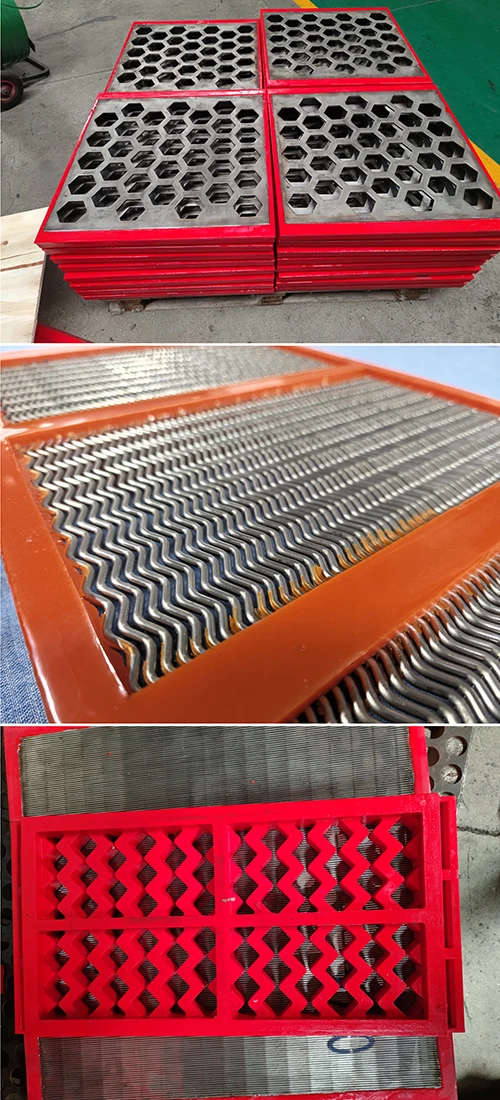
Additionally, the ability to customize aperture shapes—ranging from square and round to specialized slots—allows for higher efficiency in grading wet materials, as the smooth surface finish of high-quality polyurethane prevents the adhesion of sticky fines.
Critical Application Scenarios for High-Performance Polyurethane Panels
In the aggregate and mining sectors, polyurethane panels are primarily deployed in secondary and tertiary screening where the material is highly abrasive. Their ability to handle wet, sticky ores makes them superior to wire mesh in environments where clogging is a frequent operational bottleneck.
Another critical application is in the processing of industrial minerals and chemical powders. Here, the corrosion resistance of polyurethane allows for the screening of materials treated with aggressive chemicals that would rapidly degrade carbon steel or even some grades of stainless steel.
Waste management and recycling plants also utilize these panels for sorting heavy debris. The impact absorption of the polymer prevents the panels from shattering when exposed to oversized, heavy contaminants, ensuring a continuous flow of material without the need for frequent emergency repairs.
Quantifying Performance: Wear Life and Throughput Analysis
Performance evaluation for screening media is typically measured by the "wear-life ratio," comparing the operational hours of polyurethane against traditional steel. While steel may have higher initial rigidity, its failure mode is usually abrupt (snapping), whereas polyurethane wears gradually, providing a predictable maintenance window.
Throughput efficiency is also improved because the optimized surface tension of polyurethane reduces the friction between the material and the screen, allowing particles to glide across the surface more rapidly toward the apertures.
polyurethane screen panels manufacturers Performance Metrics
As illustrated in the benchmark data, the transition to specialized polyurethane solutions typically results in a marked increase in service life and a reduction in energy consumption, as the lighter weight of the panels reduces the load on the vibrating motors.
Procurement Framework for Industrial Screening Solutions
When sourcing from polyurethane screen panels manufacturers, the procurement team must look beyond the unit price. A lower-cost panel often utilizes lower-grade fillers that compromise the polymer's elasticity, leading to premature cracking under high-frequency vibration.
Key technical queries for the manufacturer should include their quality control process for aperture consistency and their method for ensuring a strong bond between the polyurethane and any metal inserts used for mounting. Any void in the bonding process can become a point of failure where the panel detaches from the frame.
Additionally, ensure the supplier provides comprehensive technical support for model selection. The wrong shore hardness for a specific material type can lead to a 50% reduction in expected service life, making technical consultancy more valuable than a slight price discount.
Future Trends in Elastomeric Screen Material Science
The next evolution in screening media is likely to involve the integration of "smart" polymers that can signal wear levels through embedded sensors or color-changing indicators. This would allow operators to predict failure with absolute precision, moving from scheduled maintenance to condition-based maintenance.
There is also a growing movement toward sustainable polyurethane formulations. Manufacturers are exploring bio-based polyols to reduce the environmental footprint of screen production without sacrificing the abrasion resistance required for mining applications.
Furthermore, the adoption of 3D-printed polyurethane components may allow for complex, non-linear aperture geometries that are impossible to achieve through traditional molding, potentially increasing throughput by optimizing the flow dynamics of the material across the screen deck.
Comparative Matrix for Selection of Screen Panel Types
Choosing the correct panel type requires a trade-off analysis between throughput, precision, and wear life. The following matrix provides a decision-support framework for different operational conditions.
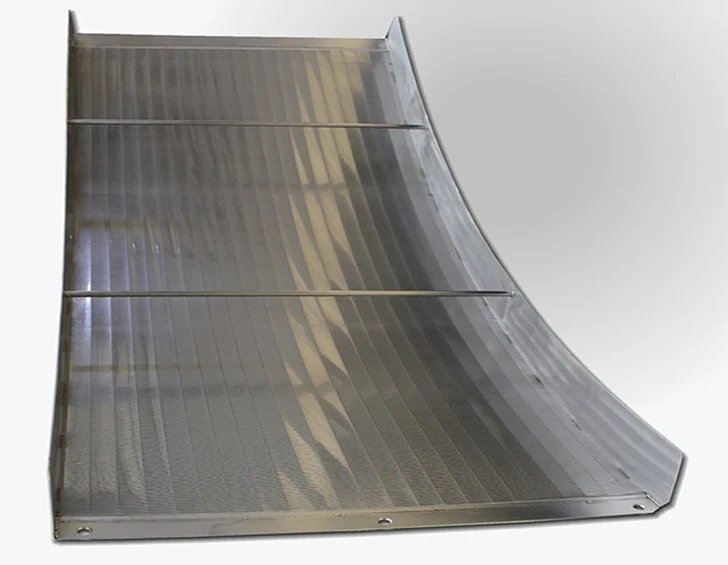
Depending on whether the primary goal is high-volume throughput or strict grading precision, the choice between modular polyurethane, wedge wire, or traditional mesh will vary significantly.
| Panel Type | Best Use Case | Wear Resistance | Maintenance Effort |
|---|---|---|---|
| Modular Polyurethane | Abrasive Mining Ore | Exceptional | Low (Local Swap) |
| Wedge Wire Screen | High-Precision Filtration | High | Medium (Static) |
| Tensioned Mesh | Coarse Primary Scalping | Moderate | High (Full Replace) |
| Hybrid Polymer | Corrosive Chemical Slurry | Very High | Low (Modular) |
| Perforated Plate | Heavy Impact Debris | High | Medium (Bolted) |
| Reinforced PU | High-Tonnage Aggregate | Superior | Low (Local Swap) |
Ultimately, the selection process should be guided by a thorough analysis of the feed material's moisture content and abrasive index to maximize the ROI of the screening installation.
Frequently Asked Questions
Conclusion
The transition to advanced polyurethane screening is no longer just an option but a necessity for operations seeking to optimize throughput and reduce maintenance overhead. By focusing on material science, modularity, and precise aperture control, operators can transform their screening process from a bottleneck into a high-efficiency asset.
For those currently evaluating their screening infrastructure, reviewing the specific technical capabilities and product ranges available through www.mutoscreens.com can provide the necessary insights to make an informed procurement decision.