Well screens suppliers provide the critical filtration components necessary for efficient groundwater extraction and water well completion. These specialized manufacturers design screens that prevent sand and sediment from entering the well bore while maximizing the flow of water into the pumping system, ensuring the long-term viability of the water source.
Selecting the right supplier is often a challenge for procurement teams due to the technical complexity of slot sizes, material compatibility, and the specific geological conditions of the installation site. A failure in screen selection can lead to rapid well clogging, pump failure, and expensive remediation efforts.
This guide analyzes the technical selection criteria, material advantages, and supplier evaluation methods to help engineers and procurement specialists secure high-performance screening solutions that balance initial cost with lifetime operational efficiency.

1Understanding Well Screen Engineering

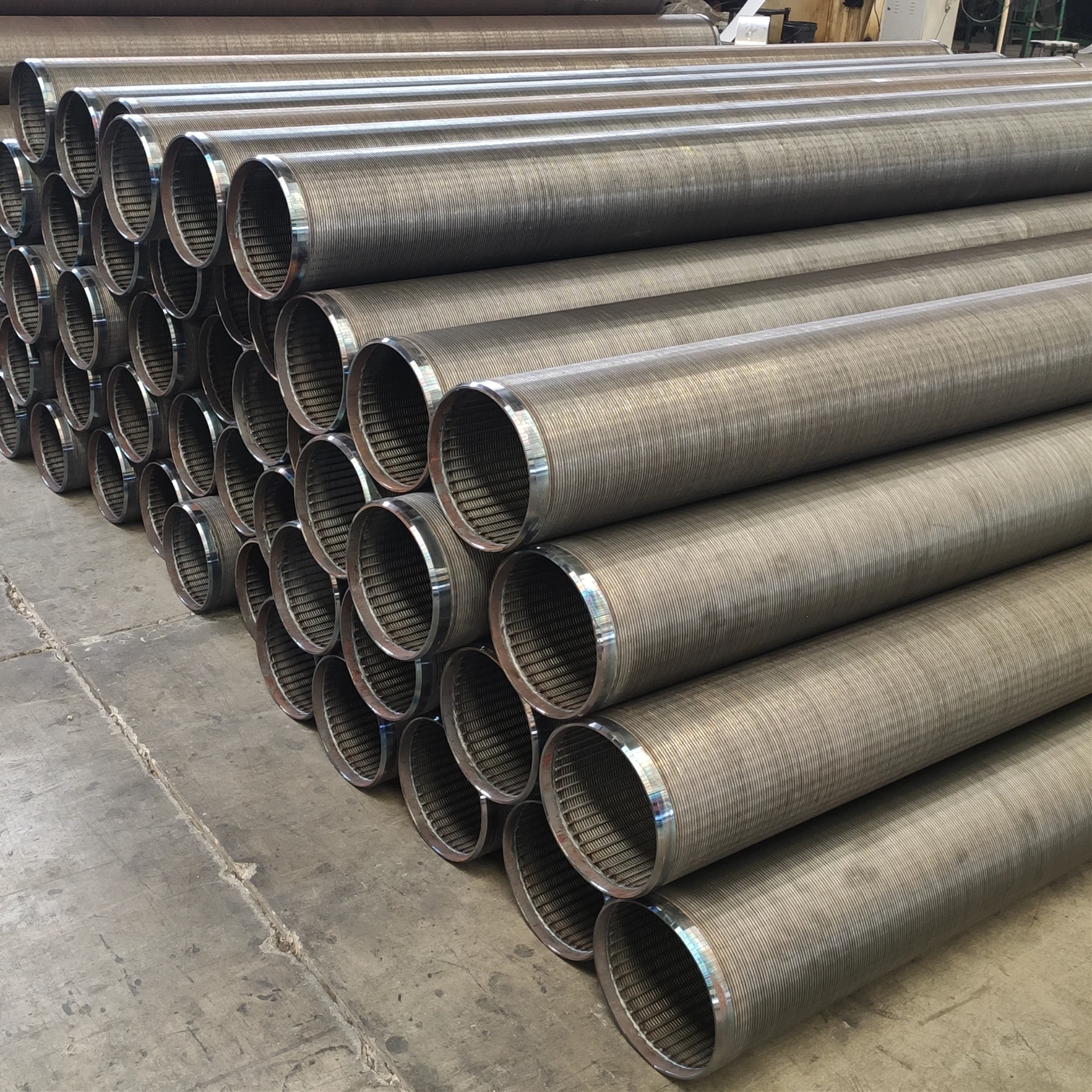
Well screen engineering focuses on the balance between open area and structural integrity. The primary goal is to create a barrier that allows water to pass through while excluding particles of a certain size. High-quality well screens suppliers utilize precision welding and slotting technologies to ensure uniform aperture sizes across the entire length of the screen.
The structural design must withstand the collapse pressure of the surrounding soil and the hydraulic forces generated during high-volume pumping. This requires rigorous testing of the material's yield strength and the stability of the screen's geometry under load.
Modern engineering also incorporates the concept of "entrance velocity." By maximizing the open area, suppliers can reduce the speed at which water enters the screen, which significantly lowers the risk of turbulence and subsequent clogging over time.
2Core Material Specifications and Benefits
Material selection is the most critical decision in screen procurement. Stainless steel, particularly grades 304 and 316L, remains the industry standard due to its exceptional resistance to corrosion and high mechanical strength. For more aggressive chemical environments, specialized alloys or high-strength plastics may be employed.
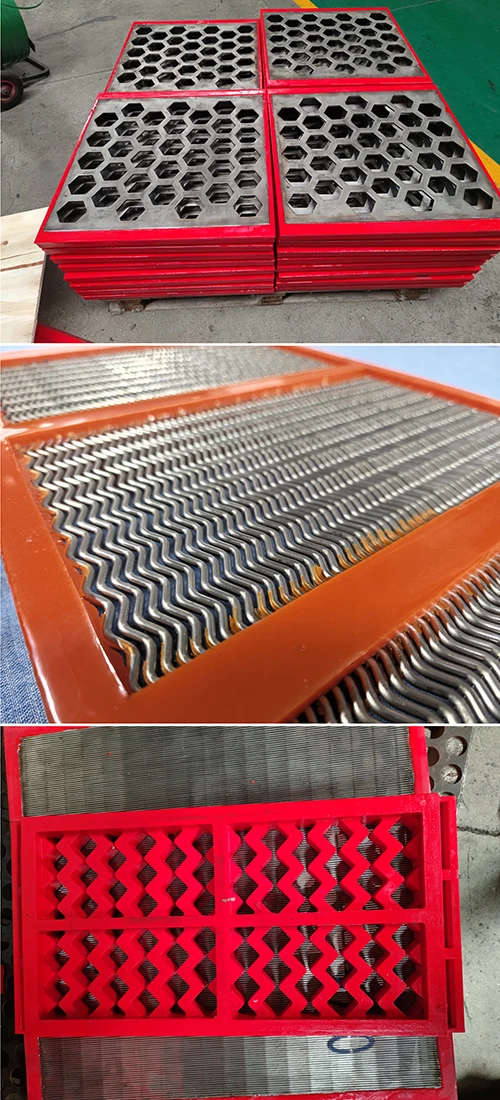
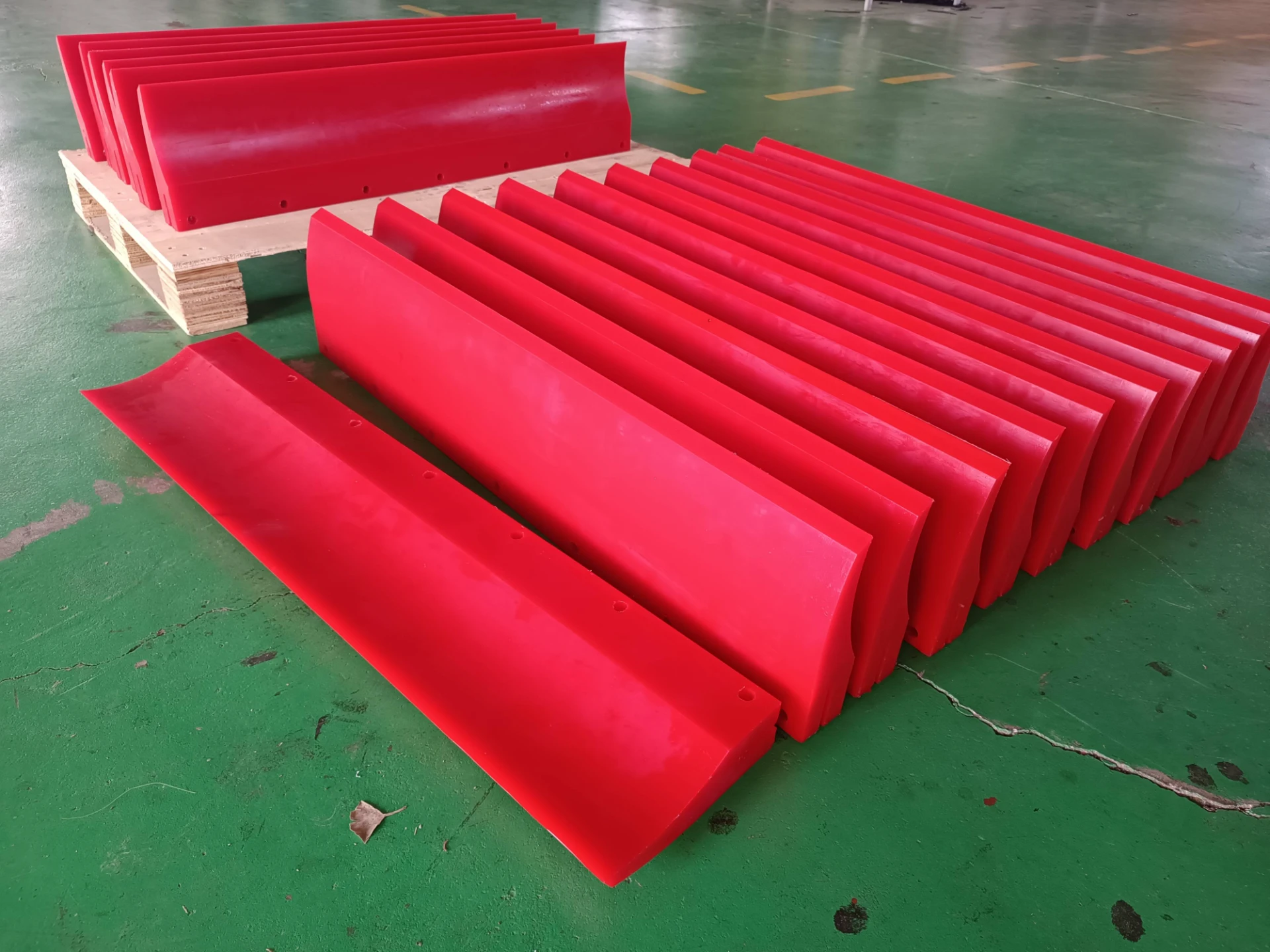
Polyurethane components are often integrated into the surrounding system, such as in conveyor belt scrapers used in mining applications, to provide wear resistance and elasticity. However, for the primary well screen, metal alloys are required to maintain the precise slot geometry under immense pressure.
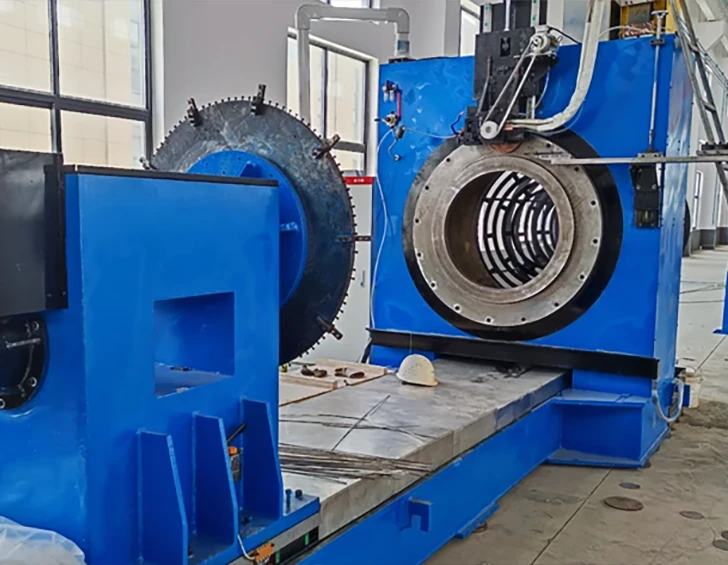
The manufacturing process involves drawing, cutting, and precise welding. MUTO focuses on these precision steps to ensure that the final product meets the strict tolerances required for industrial filtration, reducing the likelihood of premature well failure.
3Application Scenarios in Industrial Water Systems
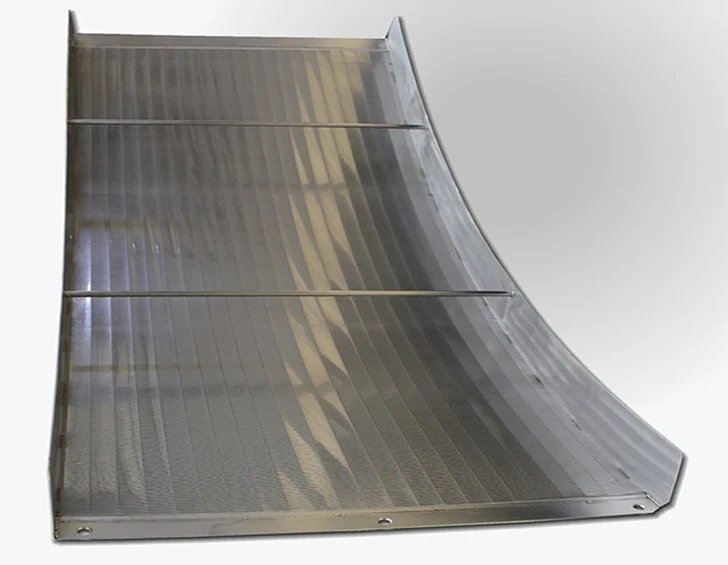
Well screens are deployed across various sectors, including municipal water supply, agricultural irrigation, and industrial mining. In mining operations, screens must handle high sediment loads and potentially acidic water, requiring robust wedge wire designs that can be cleaned through backwashing.
In municipal settings, the priority is often the longevity of the well. Suppliers provide screens that optimize the flow for thousands of residents, where the cost of replacing a screen buried hundreds of feet underground is prohibitively high.
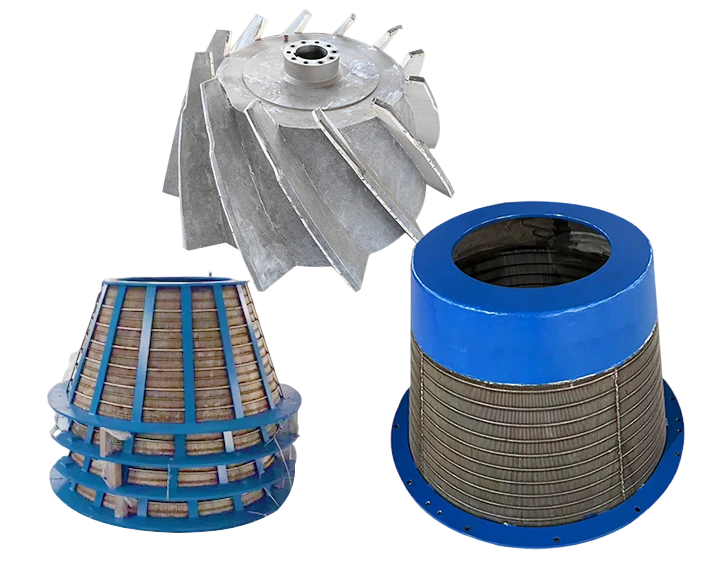
Furthermore, these screens are used in specialized filtration systems, such as centrifugal separators and vibrating screen accessories, to ensure that only the desired fluid fractions proceed through the processing line.
4Performance Metrics for Screen Selection
Evaluating a supplier requires looking beyond the price tag. Key performance indicators include the effective open area percentage, the precision of the slot width, and the corrosion rate of the material. A higher open area typically leads to lower drawdown and improved pump efficiency.
Comparison data suggests that precision-engineered screens from specialized well screens suppliers significantly outperform generic alternatives in terms of sediment exclusion and longevity, particularly in challenging geological formations.
well screens suppliers Performance Metrics
The data indicates that while the initial investment in high-spec screens may be higher, the reduction in maintenance costs and the extension of the well's lifecycle provide a much higher return on investment over a 10-year period.
5Procurement and Supplier Evaluation Criteria
When vetting well screens suppliers, procurement teams should examine the manufacturer's technical certifications and their ability to provide customized solutions. A supplier that offers project consultancy, feasibility analysis, and process design is generally more reliable than a simple component vendor.
The capacity for after-sales support is another critical metric. This includes warranties on materials and technical guidance during the installation phase. For complex industrial setups, on-site technical support for diagnosis and repair can prevent costly downtime.
Quality control during assembly is paramount. The removal of foreign bodies and impurities during the manufacturing of wedge wire screens ensures that the filtration effect is not compromised from day one.
6Future Trends in Filtration Technology
The industry is moving toward "smart" screening solutions and the use of advanced composite materials. We are seeing a rise in the integration of sensors within the well screen to monitor flow rates and clogging levels in real-time, allowing for predictive maintenance.
Additive manufacturing (3D printing) is also beginning to influence the design of complex screen geometries that were previously impossible to weld, allowing for tailored slot patterns that adapt to the specific layering of the aquifer.
Sustainability is also driving the demand for screens that facilitate easier rehabilitation. New designs are focusing on maximizing the effectiveness of chemical and mechanical cleaning processes to extend the life of the well indefinitely.
7Comparative Analysis of Screen Types
Different geological conditions require different screen architectures. While wedge wire screens provide high open areas and strength, continuous slot screens may be more suitable for specific gravel-packed wells.
Choosing the wrong type can lead to "sand pumping," which destroys the submersible pump in a matter of weeks. The following table compares common options provided by leading well screens suppliers.
| Screen Type | Best Use Case | Main Strength | Primary Limitation |
|---|---|---|---|
| Wedge Wire | Industrial/Mining | High Open Area | Higher Cost |
| Continuous Slot | Municipal Wells | Structural Stability | Lower Flow Rate |
| Perforated Pipe | Shallow Wells | Low Cost | Easier to Clog |
| Polymer Screens | Corrosive Soils | Chemical Inertness | Lower Strength |
| Stainless Mesh | Fine Filtration | Precise Micron Control | Fragile Structure |
| Hybrid Designs | Complex Aquifers | Versatility | Complex Installation |
Ultimately, the selection should be based on a professional analysis of the soil sample and the expected flow volume. Consulting with an expert supplier ensures that the chosen screen is compatible with the pump and the long-term goals of the project.
Frequently Asked Questions
Conclusion
Securing the right components from experienced well screens suppliers is an investment in the infrastructure's future. By focusing on material compatibility, precise slot engineering, and supplier technical capability, operators can avoid the catastrophic costs associated with well failure and pump degradation.
For organizations evaluating high-performance filtration solutions and custom wedge wire screens, detailed technical specifications and product catalogs are available at www.mutoscreens.com.