
Introduction
When evaluating wedge wire screen suppliers, procurement managers often face a critical dilemma: balancing the precision of the aperture with the long-term durability of the filter media. In high-pressure environments like mining and chemical processing, a slight deviation in wire arrangement can lead to premature clogging or systemic failure, directly impacting the throughput of the entire production line.
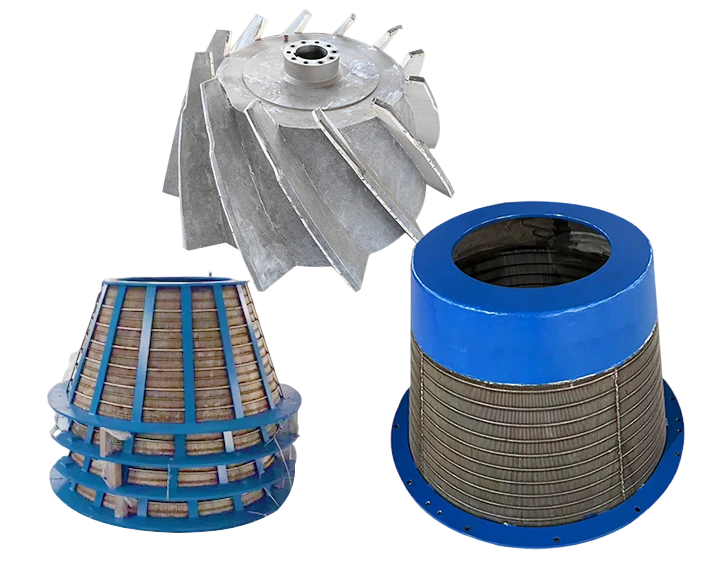
The selection of a supplier is not merely about purchasing a component, but about securing a filtration solution that integrates seamlessly with existing machinery. Whether dealing with Centrifuge Series, Curved Screens, or Well Screens, the synergy between material selection and welding precision determines whether a screen operates for a few months or exceeds a year of continuous service.
Understanding the technical nuances behind wedge wire construction allows buyers to move beyond price-point comparisons and focus on total cost of ownership. By analyzing the manufacturing capabilities of wedge wire screen suppliers, industries can optimize their desliming and grading processes for maximum efficiency.

Understanding Wedge Wire Architecture and Mechanics

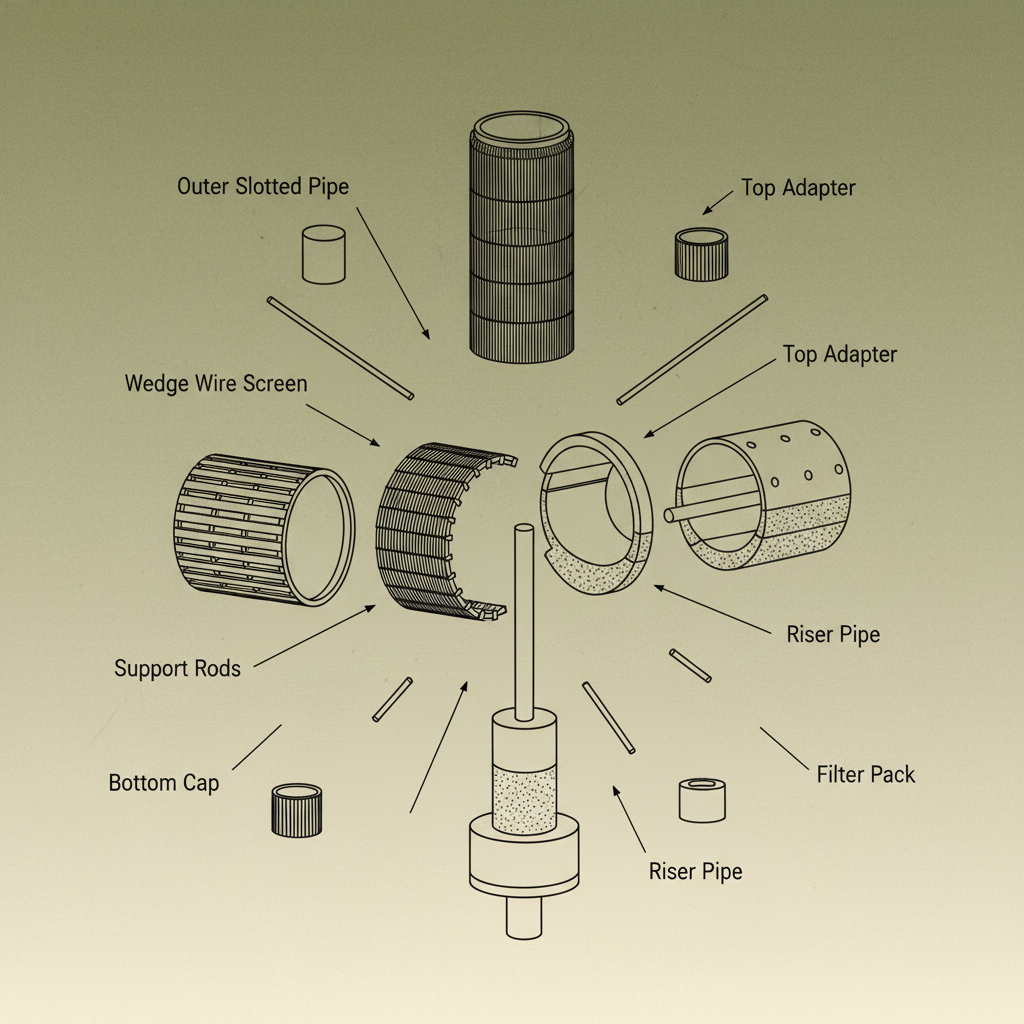
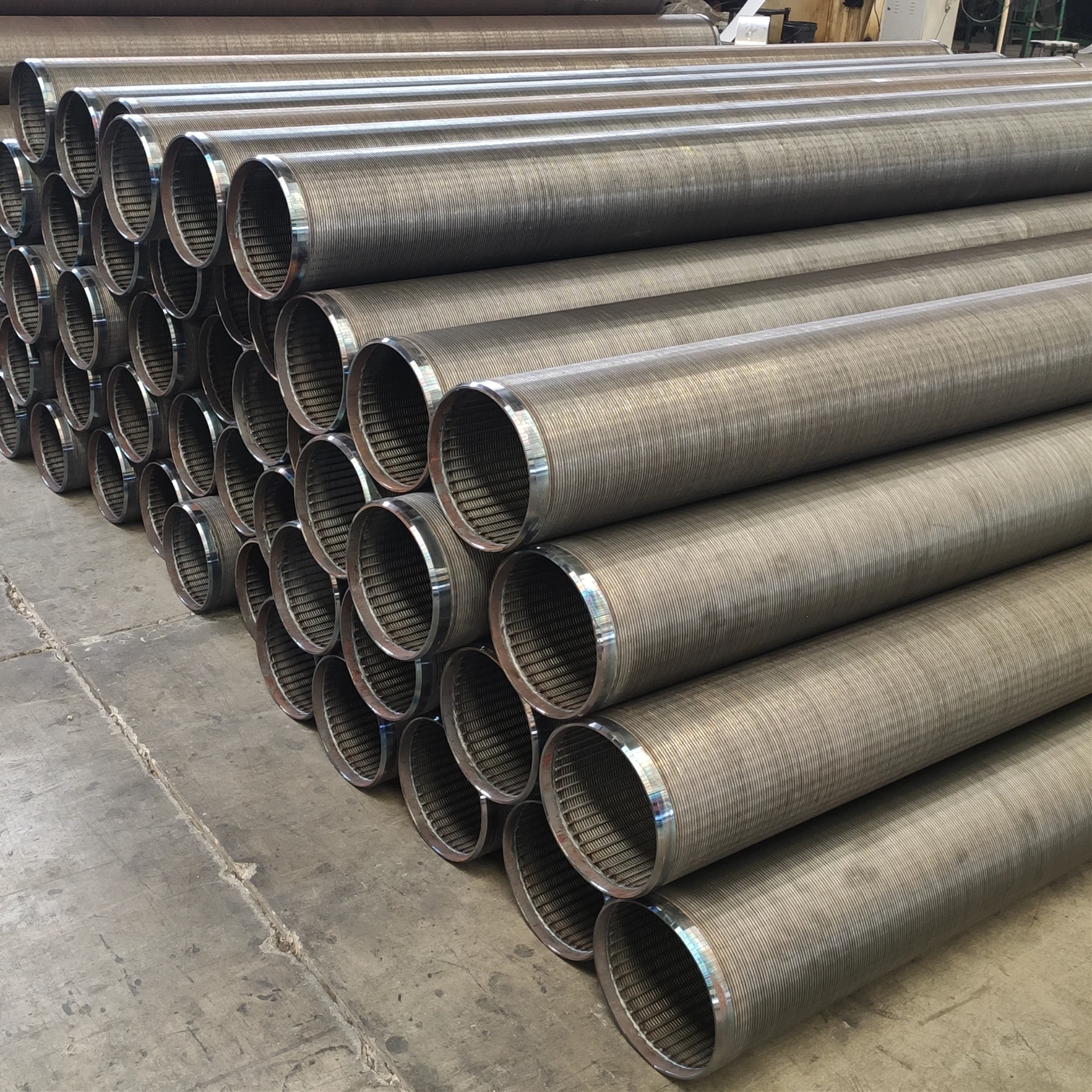
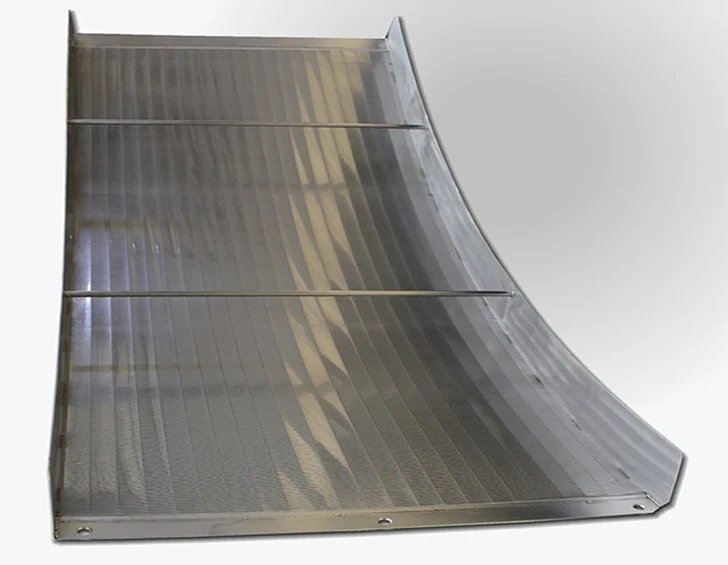
Wedge wire screens are engineered using a V-shaped wire profile that is welded to supporting rods. This specific geometry creates a tapered opening that prevents particles from becoming wedged within the slot, a common failure point in traditional woven mesh. The arrangement of the sieve wire typically falls into two categories: diagonal holes, which prioritize self-cleaning efficiency and strength, and parallel wave holes, which maximize the open area for higher flow rates.
From a manufacturing perspective, the process involves precise drawing, cutting, bending, and specialized welding. The structural integrity depends on the bond between the wedge wire and the support rods, which must withstand significant mechanical stress and abrasive wear during high-frequency vibration or centrifugal force. This architectural precision ensures that the screening accuracy remains constant over the product's service life.
Critical Factors Influencing Screen Longevity
The operational lifespan of a screen, typically ranging from 6 to 12 months in harsh environments, is primarily dictated by the material's hardness and chemical compatibility. For instance, alloy steel is frequently employed in desliming plates due to its superior wear resistance, while non-magnetic stainless steel is essential for environments where magnetic interference must be avoided or where extreme corrosion is present.
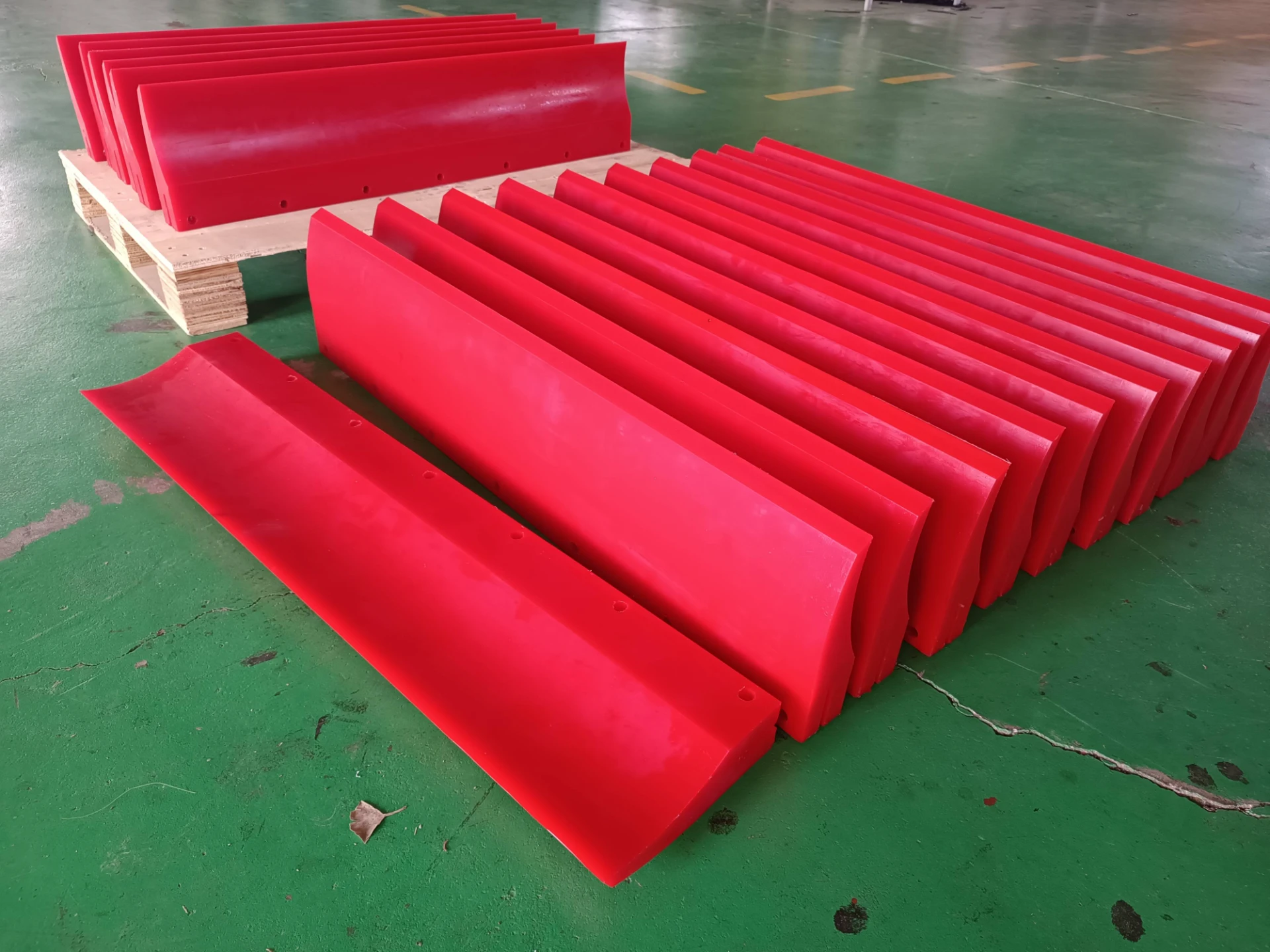
Material hardness, often measured between 80-95 Shore A for polyurethane components, directly correlates with the screen's ability to resist abrasive wear in coal washing and mining, ensuring that the minimum aperture of 0.015mm does not widen over time.
Beyond material, the assembly process is a critical determinant of longevity. The removal of foreign bodies, cotton wool, and screws during assembly prevents internal hotspots or structural weaknesses that could lead to premature failure. Rigorous testing of every single product before loading ensures that the specified aperture ratio of 35%-43% is maintained across the entire surface area.
Strategic Value of Precision Welding and Design
Precision welding is the cornerstone of high-performance wedge wire screens. When the weld is inconsistent, it creates turbulence in the fluid flow and potential points of structural fatigue. A professional design approach includes feasibility analysis and process design to ensure that the screen model matches the specific granularity of the material being processed.
The true value of a specialized manufacturer lies in the ability to provide integrated filtration solutions, moving from project consultancy to installation and commissioning, which reduces downtime and optimizes the screening accuracy for granular materials.
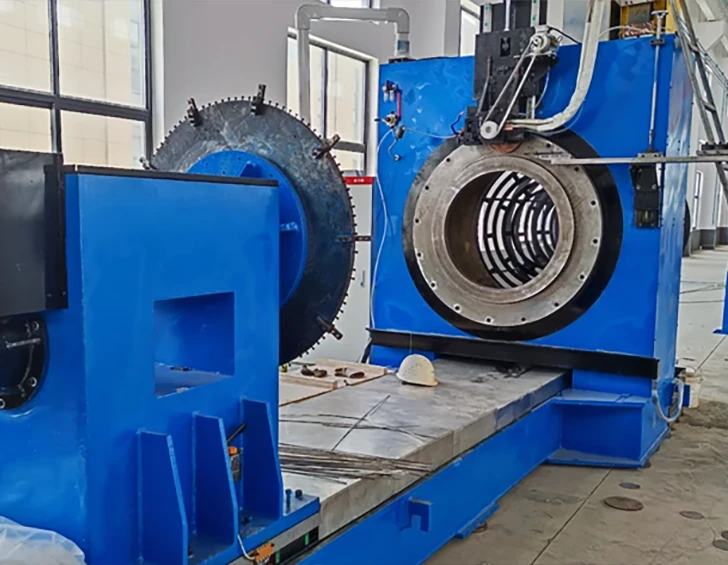
Furthermore, the integration of smart technology in production—evidenced by patents in screen welding machinery—allows for tighter tolerances. This technical capability ensures that curved screens and centrifuge series maintain a perfect seal and consistent aperture, which is vital for high-speed separation and dehydration tasks.
Evaluating Aperture Performance Metrics
Aperture ratio is a key performance indicator that balances the throughput volume against the accuracy of the separation. An aperture ratio between 35% and 43% is typically ideal for balancing these two conflicting needs. If the ratio is too low, the system may experience bottlenecks; if too high, the structural strength of the plate may be compromised.
When comparing different screen types, the efficiency of self-cleaning depends heavily on the angle of the wedge wire. Diagonal arrangements generally offer higher self-cleaning capabilities in sticky materials, whereas parallel arrangements are preferred for high-volume desliming where flow rate is the primary objective.
Relative Flow Efficiency by Screen Type (%)
Deployment Scenarios in Harsh Environments
In the coal washing and mining industries, screens are exposed to extreme abrasive forces and corrosive slurries. Polyurethane high-frequency screens are particularly effective here, as they combine the precision of wedge wire with the impact resistance of synthetic materials. These are deployed for the separation of granular materials, dehydration, and product classification in crushing and beneficiation stages.
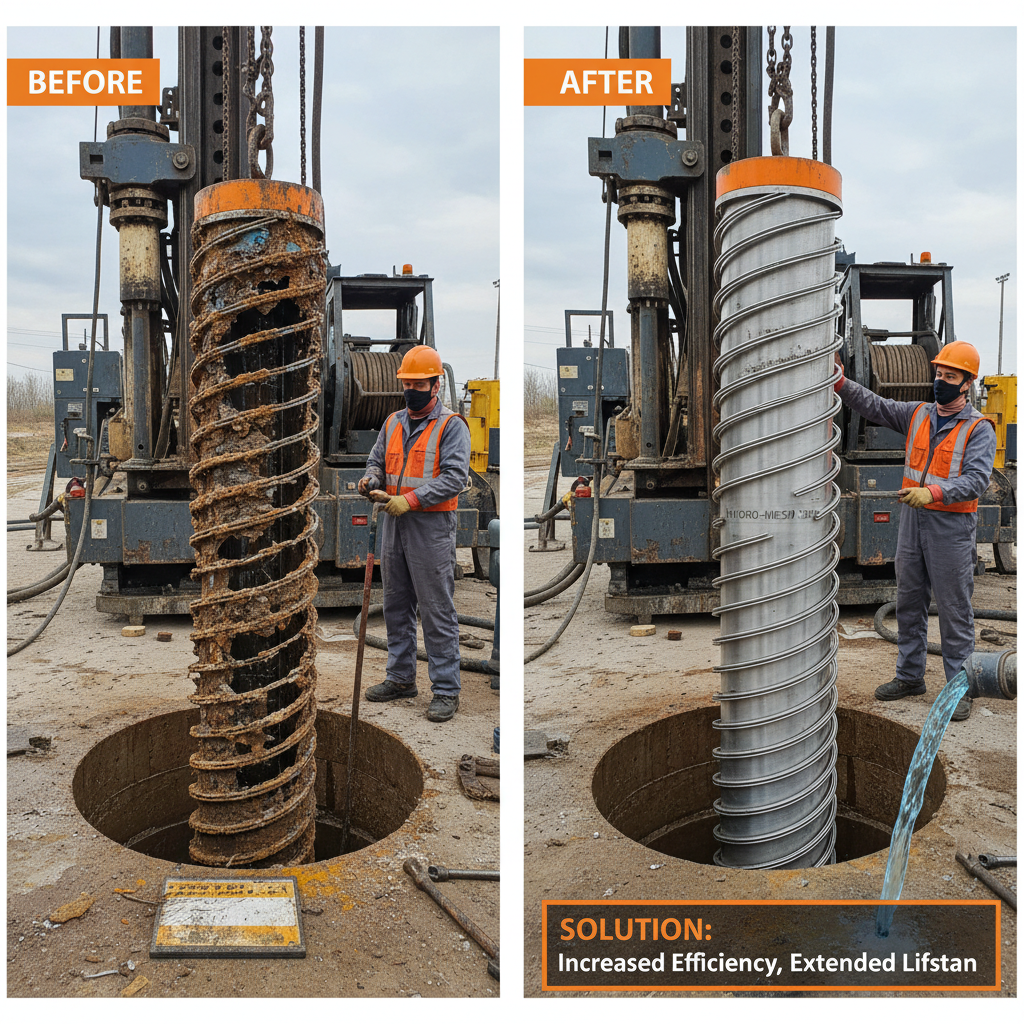
Another critical application is in well screens, where the wedge wire must prevent sand ingress while maximizing water flow. In these scenarios, the precision of the 0.015mm minimum aperture is vital to protect downstream pumping equipment from abrasive wear, demonstrating how precise manufacturing directly prevents catastrophic equipment failure in the field.
Evolution of Sieve Media Technology
The shift toward "smart technology" in the manufacturing of industrial sieves has led to the development of more durable polyurethane accessories and high-precision welding machinery. The industry is moving away from generic mesh toward customized modular and tension sieves that can be replaced quickly, reducing the total downtime during maintenance cycles.
Innovation is also evident in the diversification of materials. While stainless steel remains the gold standard for corrosion resistance, the integration of synthetic materials and plastics has allowed for the creation of screens that are lighter and more resistant to the fatigue caused by high-frequency vibration.
Future developments are likely to focus on further increasing the open area ratio without sacrificing structural hardness. This will likely involve new welding techniques and the use of advanced alloys that maintain a Shore A hardness of 95 while offering better elasticity to handle shock loads in mining environments.
Overcoming Operational Challenges in Filtration
One of the primary challenges in industrial screening is the balance between screening accuracy and service life. Many operators find that high-accuracy screens clog faster, while durable screens lack the precision needed for fine grading (0.35-1mm). The solution lies in selecting the correct sieve wire arrangement based on the material's viscosity and particle shape.
Maintenance is another significant hurdle. The cost of downtime often exceeds the cost of the screen itself. Implementing a structured spare parts supply and utilizing free maintenance training provided by the manufacturer can mitigate these risks, ensuring that operators can diagnose problems before they lead to system failure.
Finally, compatibility with existing vibrating machinery is essential. A screen that does not fit perfectly will create stress concentrations at the mounting points, leading to premature cracking. Professional on-site service for diagnosis and repair is often necessary for complex installations to ensure the system is commissioned correctly.
Screening Solution Selection Guide
| Application | Recommended Material | Wire Arrangement | Key Performance Goal |
|---|---|---|---|
| Coal Grading | Alloy Steel | Parallel Wave | High Throughput |
| Fine Desliming | Stainless Steel | Diagonal Hole | Self-Cleaning |
| Water Wells | Stainless Steel | V-Wedge | Sand Prevention |
| High-Freq Vibrating | Polyurethane | Modular | Impact Resistance |
| Centrifuge Separation | Special Alloy | Precision Slot | High G-Force Stability |
| Chemical Filtration | Non-Magnetic SS | Diagonal Hole | Corrosion Resistance |
Frequently Asked Questions
The normal service life generally ranges from 6 to 12 months, depending on the material and the harshness of the working environment. Factors such as the hardness of the material (e.g., 80-95 Shore A for polyurethane) and the abrasive nature of the granular materials being processed significantly influence this duration.
Choose diagonal holes if your priority is high screening accuracy and efficient self-cleaning, especially with sticky materials. Parallel wave holes are better suited for applications where a high open area and maximum flow rate are required, such as in certain coal grading and desliming processes.
Non-magnetic stainless steel is the recommended material for corrosive or non-magnetic environments. For extremely abrasive but non-corrosive environments, alloy steel with high wear resistance is more appropriate for desliming plates in the 0.35-3mm grading size.
The minimum aperture available is 0.015mm. This level of precision is critical for high-accuracy filtration and separation in industries where even microscopic particles must be removed to protect downstream equipment or ensure product purity.
Yes, professional suppliers provide a comprehensive service suite including project consultancy, feasibility analysis, equipment model selection, and on-site installation. Additionally, they offer free product use and maintenance training and a dedicated supply of spare parts.
Screens typically come with a warranty ranging from 3 to 12 months, depending on the material used. For wedge wire screen welding machinery and other equipment, a standard one-year warranty is usually provided to ensure operational reliability.
Conclusion
Selecting the right partner among wedge wire screen suppliers requires a deep understanding of the intersection between material science and mechanical engineering. From the precise aperture ratio of 35%-43% to the selection of high-hardness polyurethane or alloy steel, every technical detail contributes to the overall efficiency of the separation process. By focusing on the total lifecycle value and the precision of the welding process, operators can significantly reduce downtime and increase the purity of their final products.
For organizations seeking to optimize their filtration systems or upgrade their screening equipment, engaging with a provider that offers full-cycle support—from design to on-site commissioning—is the most reliable path to success. You can explore professional filtration solutions and technical guidance by visiting the resources available at https://www.mutoscreens.com.