Finding a reliable vibrating screen manufacturer is critical for industries dealing with bulk material separation, where the precision of the mesh and the durability of the frame directly impact production throughput. In the specialized field of metal wire and mesh products, the quality of screening media determines the accuracy of grading in mining and chemical processing.
Procurement teams often struggle to balance the trade-off between initial equipment cost and long-term wear resistance. Choosing a partner that provides not just the hardware, but a comprehensive filtration solution, helps eliminate common bottlenecks such as screen blinding, premature material fatigue, and inefficient particle classification.
This guide provides a professional framework for evaluating manufacturers, analyzing the technical specifications of polyurethane and stainless steel screen media, and matching specific screen designs to harsh industrial environments to ensure maximum operational ROI.

Critical Selection Criteria for Manufacturers

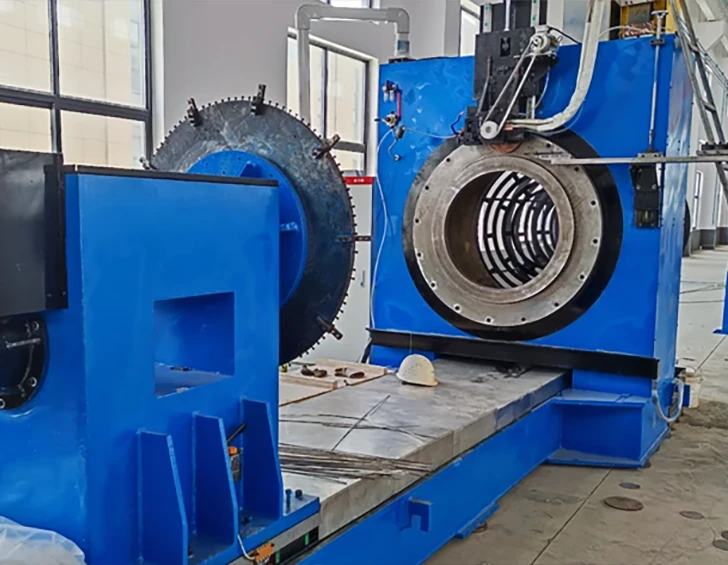
When auditing a vibrating screen manufacturer, the focus must shift from simple capacity to engineering capability. A qualified manufacturer should demonstrate expertise in wire processing—including drawing, cutting, bending, and welding—and provide a documented testing process for every product batch. The ability to provide a full service cycle, from project consultancy and feasibility analysis to installation and commissioning, distinguishes a solution provider from a basic equipment vendor.
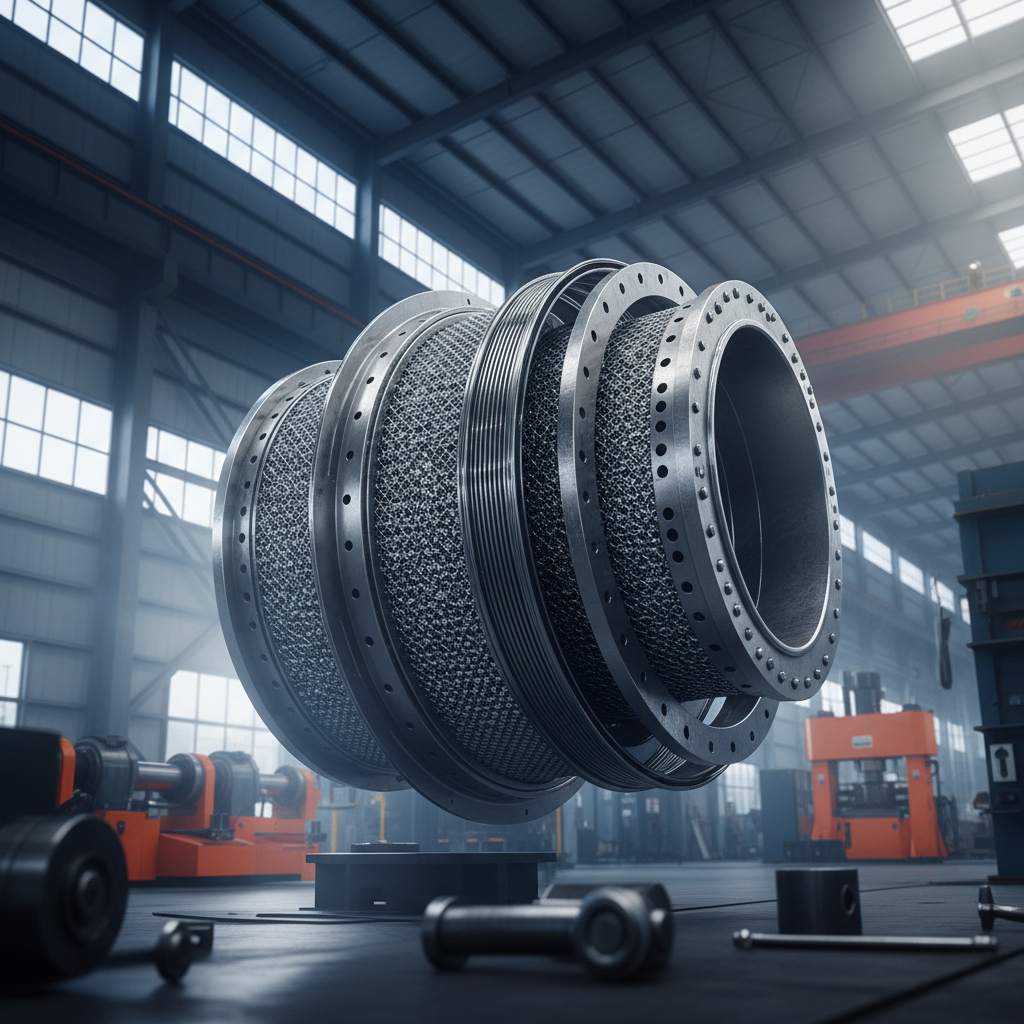
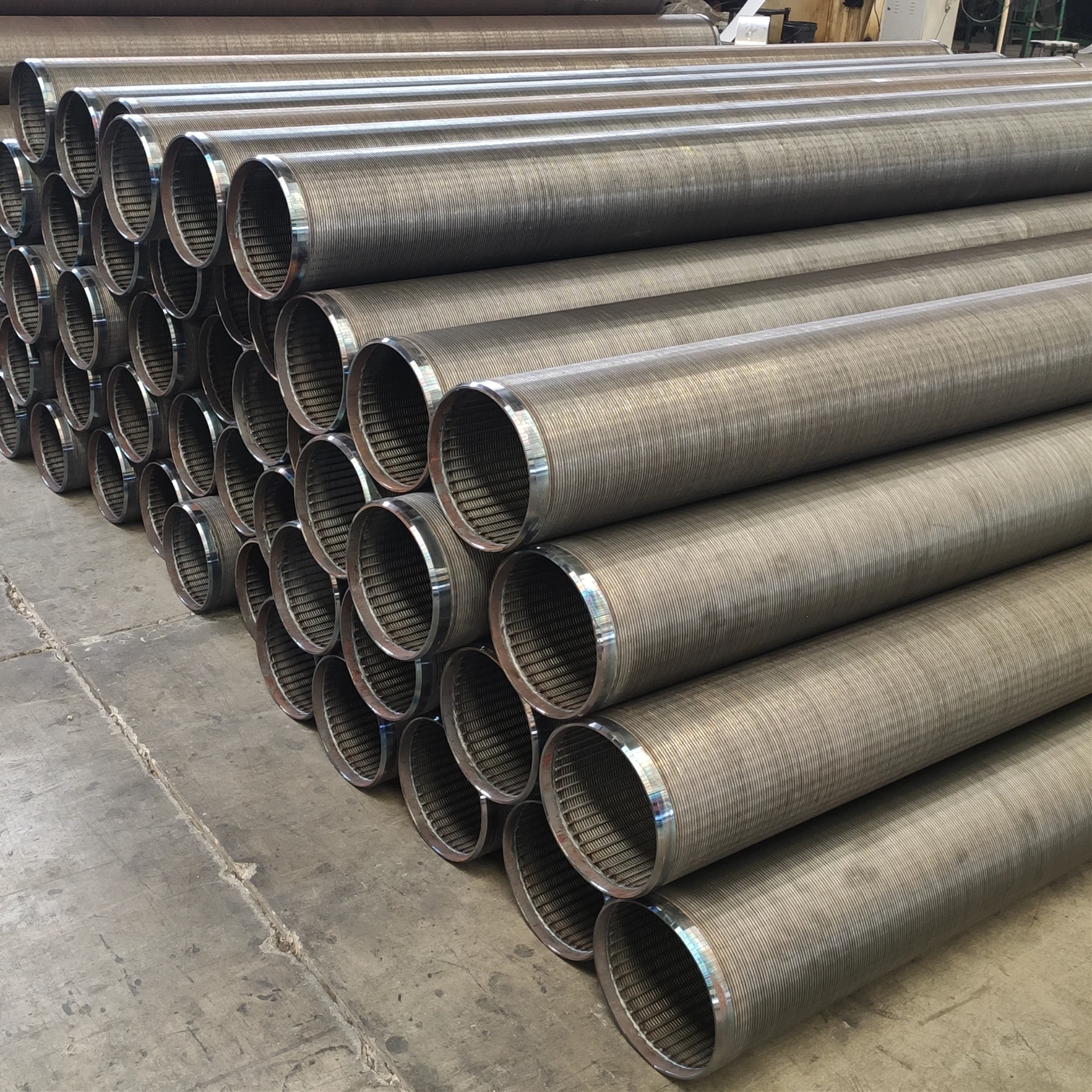
Operational scale also serves as a proxy for reliability. For instance, facilities with dedicated workshops for different screen types, such as wedge wire welding and polyurethane modular assembly, are better equipped to handle complex, customized orders. Ensuring the manufacturer has a proven track record in high-wear environments like coal washing or mining is essential for verifying the longevity of the supplied components.
Polyurethane vs. Metal Screening Media
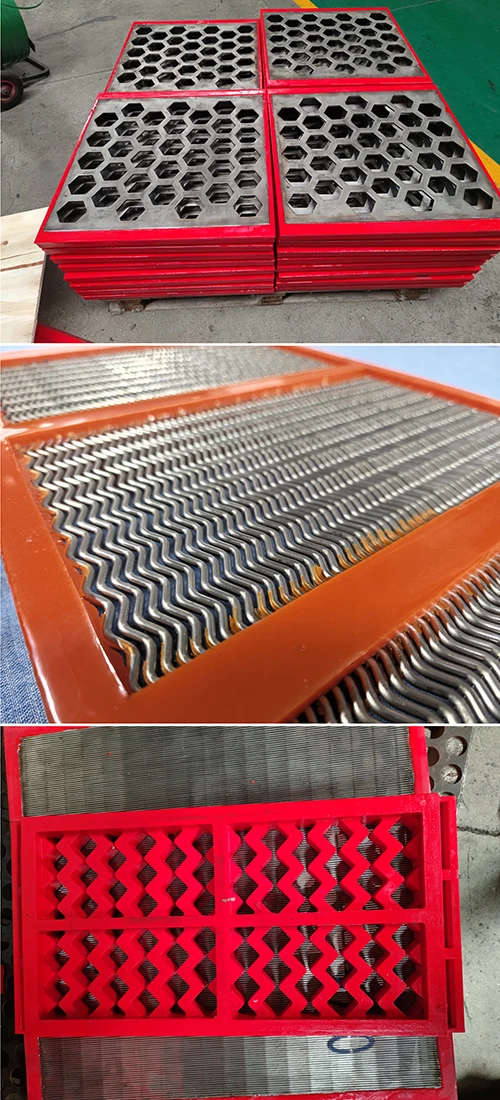
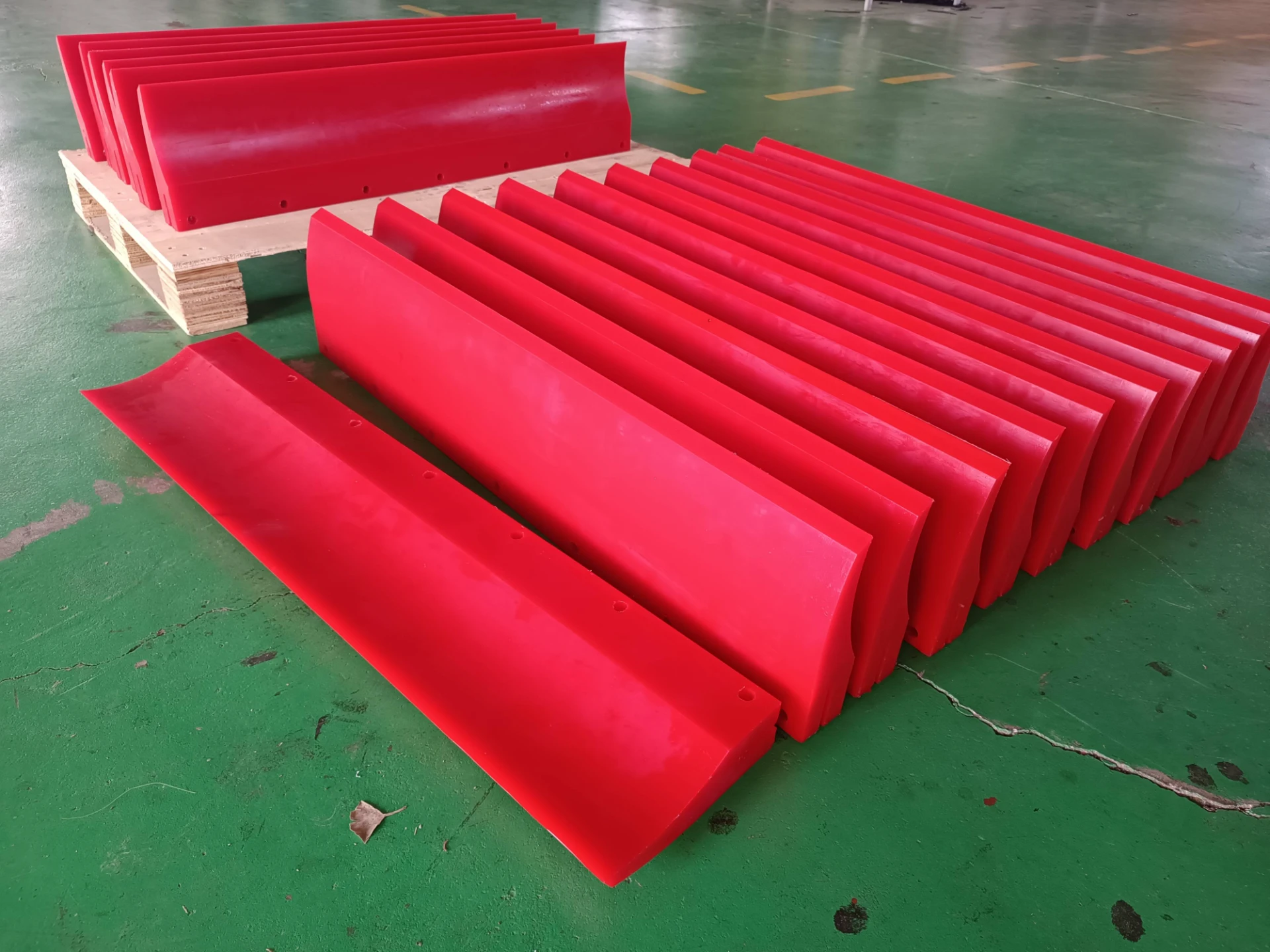
The choice between polyurethane and metal media depends on the abrasive nature of the material and the required aperture precision. Polyurethane accessories are preferred for their high elasticity and wear resistance, typically featuring hardness levels between 80-95 Shore A. These materials are ideal for desliming and dehydration in mining, where they offer a service life of 6 to 12 months depending on the application.
Conversely, stainless steel and alloy steel media are utilized when high structural strength and extreme temperature resistance are required. While metal screens may be more susceptible to certain types of corrosion, their ability to maintain precise aperture ratios (typically 35%-43%) under heavy loads makes them indispensable for primary grading. A professional manufacturer like MUTO integrates both materials into a comprehensive portfolio to address different stages of the beneficiation process.
Matching Screen Apertures to Material Application
Aperture selection is a science of balancing "opening rate" with "screening accuracy." For example, diagonal hole efficient self-cleaning screen plates are engineered for high strength and long service life, reducing the frequency of downtime caused by clogging. In contrast, parallel wave hole plates are designed to maximize the opening rate, ensuring a higher throughput of material per hour.
Application-specific grading sizes are critical: coal grading typically requires sizes between 3mm and 50mm, while desliming processes demand much finer apertures, ranging from 0.35mm to 3mm. For specialized filtration, minimum apertures can go as low as 0.015mm. Using the wrong aperture or material—such as using magnetic steel where non-magnetic stainless steel is required—can lead to product contamination and operational failure.
Operational Performance Evaluation Metrics
To quantify the efficiency of a screening installation, operators should track normalized performance scores across key dimensions. These metrics allow a vibrating screen manufacturer to fine-tune the equipment for the specific density and moisture content of the material being processed. The following conceptual index illustrates the relative priority of performance factors in different industrial settings.
In the illustrative framework above, wear resistance and throughput are prioritized for heavy mining, while aperture precision and self-cleaning efficiency are the primary drivers for fine chemical and desliming applications. Understanding these relative weights helps in selecting the correct screen plate arrangement and material hardness.
Evaluating Technical Support and After-Sales
The value of a vibrating screen manufacturer extends beyond the point of sale. High-performance screening requires ongoing calibration. Buyers should look for providers that offer a tiered support system: standard warranties (ranging from 3 to 12 months for screens and one year for machinery), professional technical guidance, and on-site diagnostic services for complex installations.
Crucially, the availability of spare parts and free maintenance training ensures that the onsite team can handle routine adjustments without waiting for external technicians. A manufacturer that provides feasibility analysis and process design as part of their service is more likely to deliver a system that integrates seamlessly with existing crushing and beneficiation workflows.
Avoiding Common Procurement Pitfalls
A frequent mistake in sourcing screening equipment is prioritizing the lowest unit price over the "Total Cost of Ownership" (TCO). Low-cost screen plates often have poor aperture consistency and lower hardness, leading to more frequent replacements and increased downtime. When evaluating a supplier, verify their quality control steps, specifically the removal of impurities during assembly to prevent screening defects.
Another risk is the "one-size-fits-all" approach. Using a standard screen size (e.g., 1045mm700mm) without considering the actual feed rate and material characteristics can lead to overloading or insufficient separation. Buyers must ensure the manufacturer can customize aperture ratios (typically 35%-43%) to match the specific gravity and particle size distribution of their material.
Screening Solution Comparison Framework
Selecting the right screening medium requires a structured comparison of material properties and application needs. The table below provides a qualitative comparison of common solutions provided by a professional vibrating screen manufacturer to help guide the decision-making process.
| Solution Type | Primary Strength | Best Use Case | Key Consideration |
|---|---|---|---|
| Polyurethane Modular | Extreme Wear Resistance | Mining & Desliming | Hardness (Shore A) |
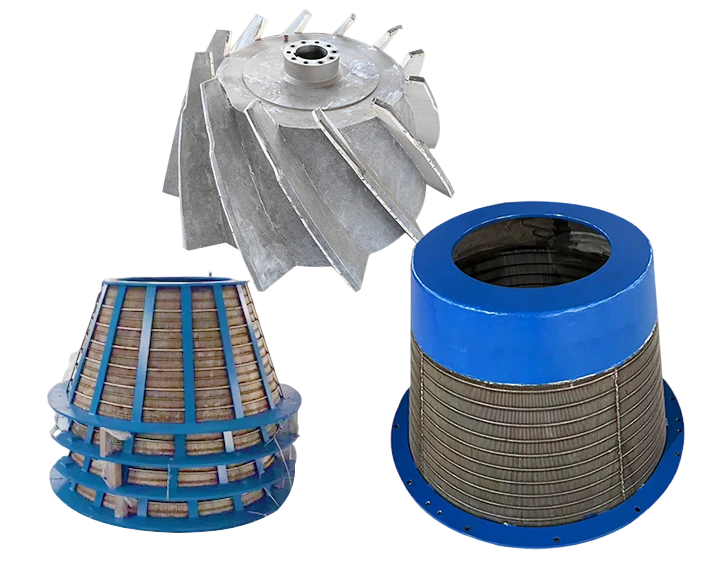
| Wedge Wire Screen | High Precision/No Clogging | Fine Filtration | Welding Quality |
| Stainless Steel Mesh | Corrosion Resistance | Chemical Processing | Wire Gauge/Tension |
| Alloy Steel Plate | Structural Rigidity | Heavy Coal Grading | Abrasion Rate |
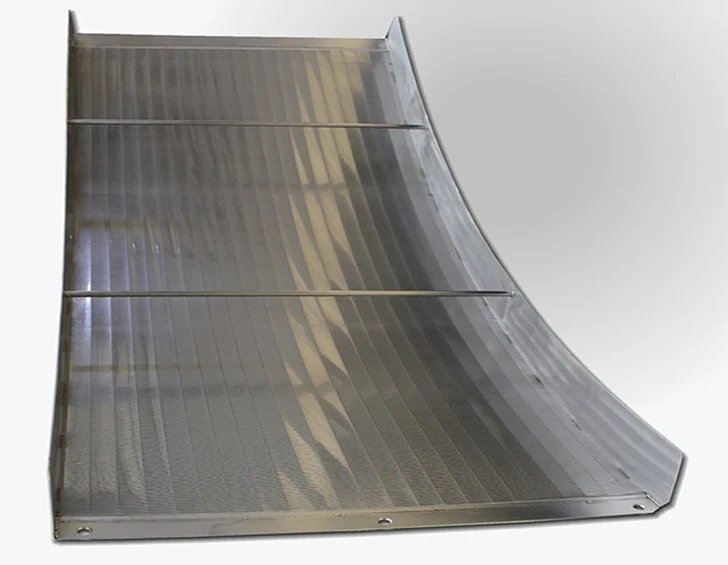
| Curved Screens | Enhanced Flow/Throughput | High-Volume Sorting | Installation Space |
| Self-Cleaning Plates | Reduced Blinding | Sticky/Moist Materials | Aperture Geometry |
By utilizing this framework, procurement managers can move from a price-based selection to a performance-based selection, ensuring the chosen manufacturer's capabilities align with the technical demands of the beneficiation environment.
Frequently Asked Questions
Desliming typically requires apertures between 0.35mm and 3mm. The exact size depends on the target particle separation; however, using non-magnetic stainless steel or alloy steel with high wear resistance is recommended for these fine ranges.
Depending on the hardness (typically 80-95 Shore A) and the abrasiveness of the material, polyurethane screens generally last between 6 and 12 months before requiring replacement.
Diagonal hole screens are specifically engineered for efficient self-cleaning and higher strength, making them superior for materials prone to clogging, whereas parallel holes prioritize a higher opening rate for maximum throughput.
Professional providers offer complete services including project consultancy, equipment model selection, installation, commissioning, and technical training for the operation team.
Common materials include various grades of stainless steel wire, high-strength alloy steels, synthetic polymers, and specialty plastics, depending on the chemical and mechanical requirements of the application.
Testing occurs at every stage, focusing on aperture accuracy, material hardness, welding integrity, and the total removal of foreign impurities before final packing and loading.
Conclusion
Selecting the right vibrating screen manufacturer is a strategic decision that impacts the long-term efficiency and cost-effectiveness of mineral processing and industrial filtration. By focusing on material science—such as the appropriate Shore A hardness for polyurethane or the aperture ratio for metal mesh—and ensuring the partner provides full-lifecycle technical support, companies can significantly reduce operational downtime and increase grading accuracy.
For organizations seeking tailored filtration and screening solutions, detailed product specifications and technical guidance are available at www.mutoscreens.com to ensure the equipment matches the specific demands of your production environment.