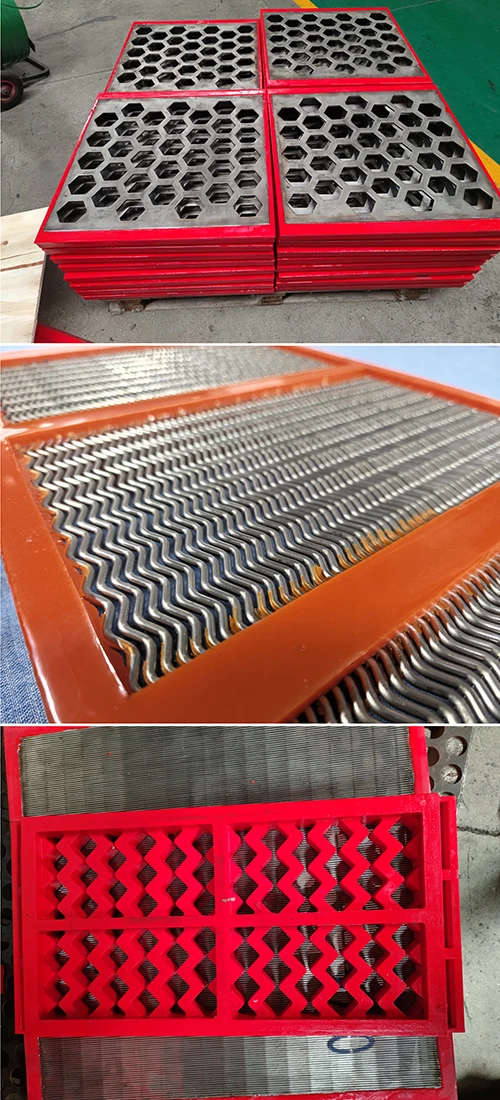
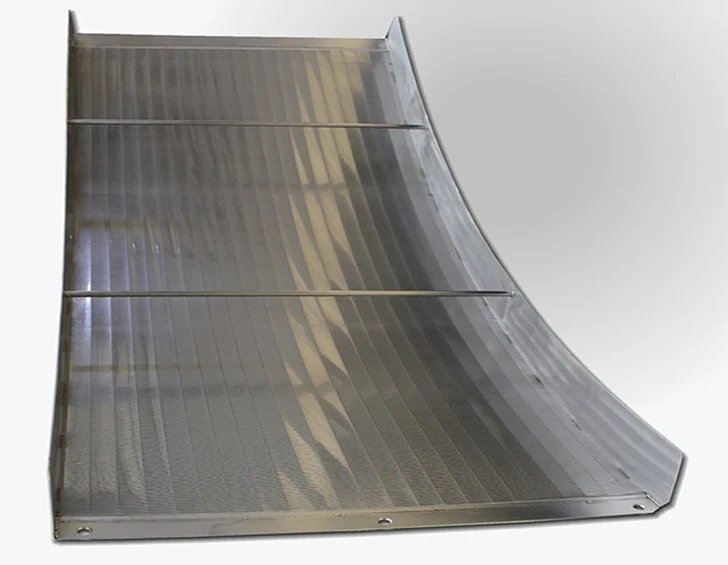
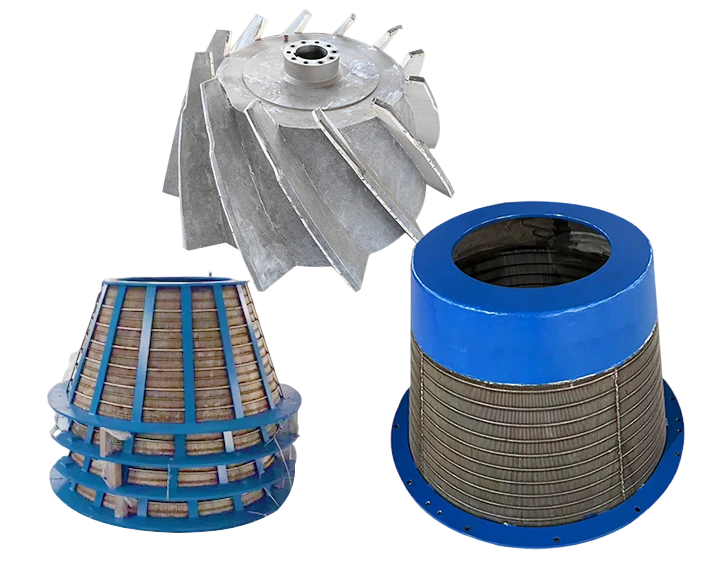
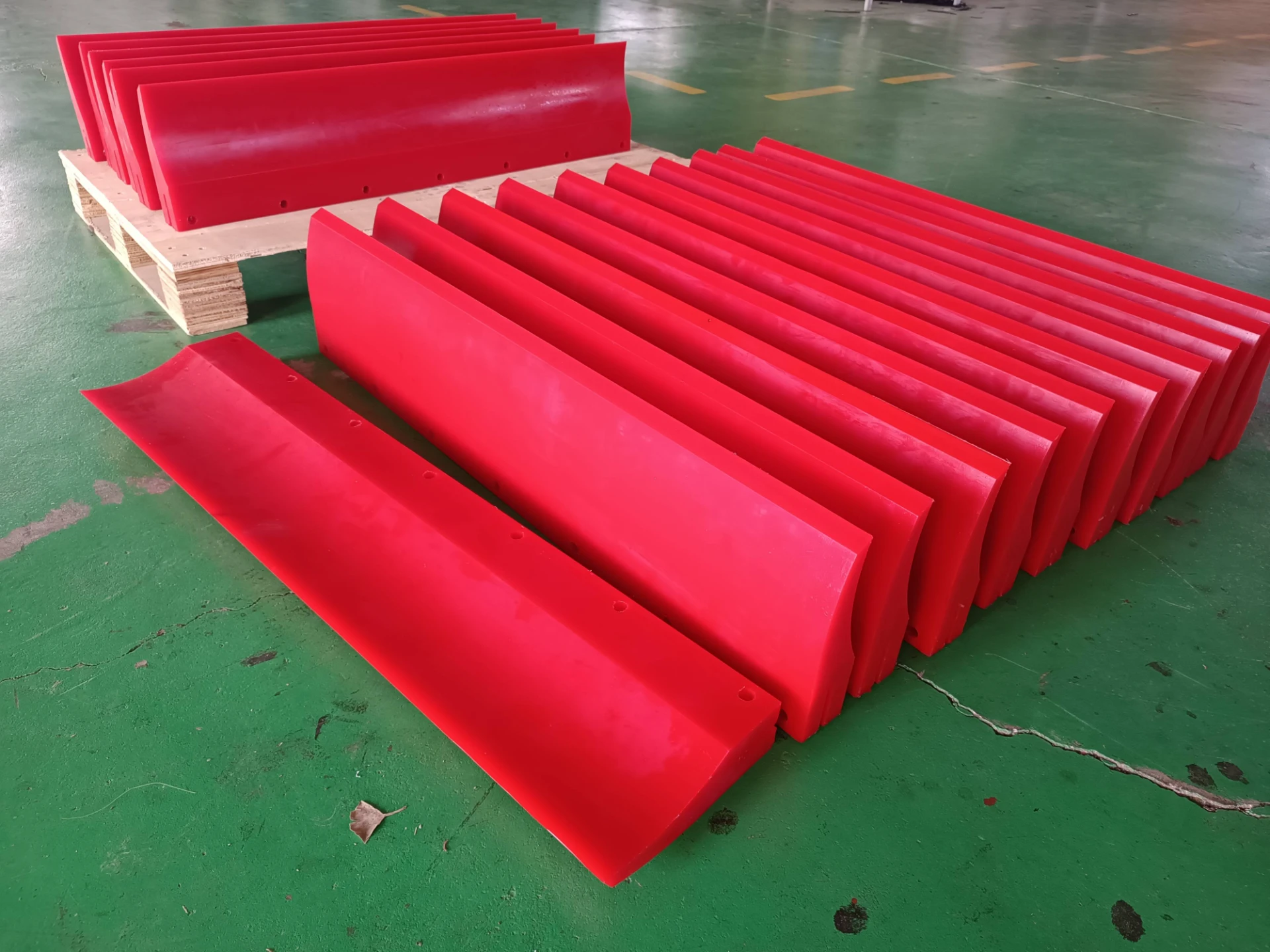
Operational downtime in mineral processing often traces back to a single point of failure: the screening surface. Whether dealing with abrasive ores or sticky clays, the choice of hardware directly dictates the throughput efficiency and the purity of the final concentrate.
The shift toward high-density polymers and precision-engineered wedge wire has redefined how plants approach material separation. Modern mineral processing now requires a balance between extreme abrasion resistance and the prevention of blinding, a challenge that pushes the boundaries of material science in screen design.
To optimize these critical stages, procurement teams are increasingly scrutinizing the capabilities of mining screen manufacturers to ensure that the equipment is not just a component, but a tailored filtration solution.

Evolution of Industrial Sieve Engineering

The transition from basic woven wire to precision-engineered wedge wire and modular polyurethane reflects the increasing complexity of global mining operations. Early screening relied on simple aperture sizes, but today's processes demand exact flow control and minimal structural deformation under immense pressure.
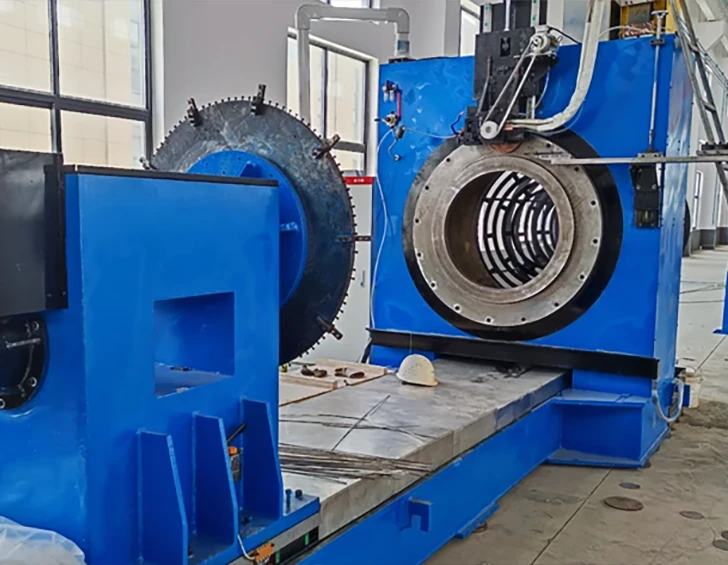
Companies like MUTO have evolved from stainless steel mesh production into comprehensive solution providers, integrating patents in screen welding machinery to achieve tighter tolerances. This shift from "product selling" to "process design" allows for the creation of customized curved screens and centrifuge series that match the specific kinetic energy of the material being processed.
Technical Mechanics of Modern Screen Media
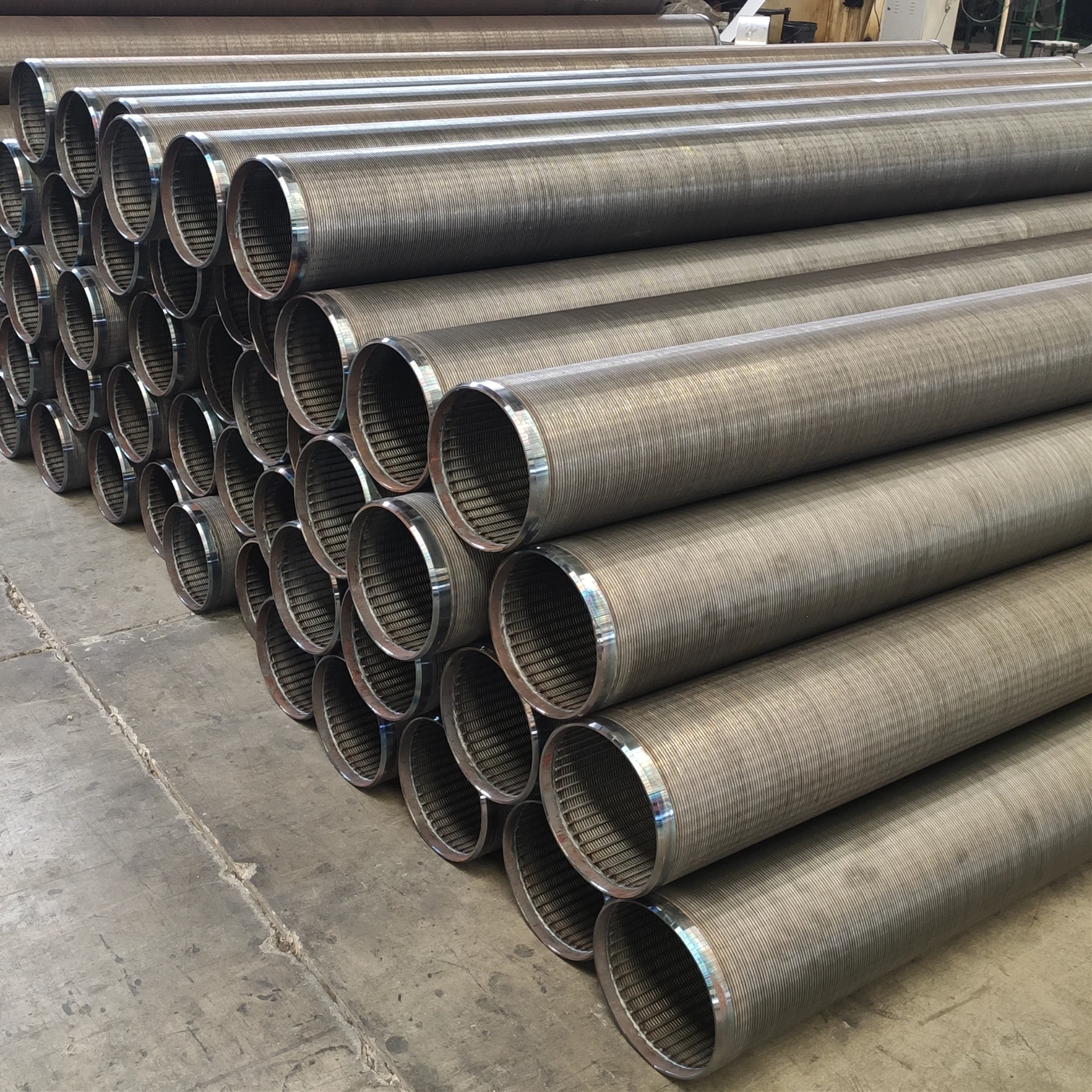
The efficiency of a screen is determined by the relationship between the aperture geometry and the material's angle of repose. In wedge wire systems, the V-shaped profile is critical; it allows particles to pass through while preventing "pegging" (where a particle becomes wedged in the opening). This geometric advantage is essential for well screens and high-pressure filtration.
Beyond geometry, the manufacturing process—comprising drawing, cutting, bending, and precise welding—determines the structural integrity of the media. High-density polymers are now frequently integrated as accessories for vibrating screens to dampen noise and resist the corrosive effects of chemical slurries, extending the mean time between failures (MTBF).
Moreover, the assembly phase is where quality is locked in. Removing impurities like cotton wool or stray screws during the assembly of modular screens is not merely a cleaning step but a critical requirement to prevent premature blinding and ensure consistent water flow in wet screening applications.
Polyurethane vs. Metal: The Wear Resistance Trade-off
Selecting between metal alloys and polyurethane involves a strategic analysis of the material's abrasiveness and the fluid environment. While stainless steel offers unmatched thermal stability and structural rigidity, polyurethane provides a unique elastic memory that resists impact wear.
High-density polyurethane's primary advantage lies in its ability to absorb kinetic energy from falling ores, significantly reducing the frequency of structural cracks compared to brittle metal screens in high-impact zones.
This material choice is further complicated by the need for self-cleaning properties. Polyurethane's surface tension and flexibility can be engineered to prevent clogging, which is particularly vital in coal processing and waste management where moisture levels vary.
Performance Indices in Mineral Separation
Quantifying the performance of screening equipment requires looking beyond simple throughput. The critical metrics include the separation accuracy, the blinding rate, and the wear rate per thousand tons of processed material. A high-performance system must maintain a consistent flow without requiring excessive manual cleaning.
When evaluating different media, the interaction between the spray angle and the surface tension of the material is paramount. For instance, a 120-degree fan-shaped spray pattern is often employed to create a water curtain that ensures an even distribution of fluid across the screening deck, maximizing the probability of particle passage.
Figure 2. Material Suitability Index by Screen Type
Operational Scenarios and Material Compatibility
In the chemical industry, the priority is corrosion resistance and precise filtering of slurries. Here, high-grade stainless steel wedge wire is often the only viable option due to the aggressive nature of the reagents. Conversely, in waste management and food processing, the focus shifts toward hygiene and the ability to handle irregular, non-homogeneous materials without clogging.
For coal processing, the integration of high-pressure spray systems (typically 50 to 200 PSI) combined with polyurethane media allows for the efficient removal of fine particles. The synergy between the spray angle and the screen's flexibility ensures that the fine coal is washed through while the larger debris is effectively separated.
Future Directions in Precision Filtration
The industry is moving toward "smart screening," where the wear of the screen media can be monitored in real-time to predict failure before it happens. This shift is driven by the need to eliminate unplanned outages in 24/7 mining operations.
We are also seeing a trend toward hybrid materials—combining the structural strength of metals with the wear-resistant properties of advanced polymers in a single modular unit. This reduces the total cost of ownership by extending the replacement cycle while maintaining high separation precision.
The role of specialized mining screen manufacturers is expanding to include full-cycle consultancy, from feasibility analysis and process design to installation and commissioning. This holistic approach ensures that the screen is optimized for the specific mineralogy of the site.
Manufacturer Evaluation Framework
When auditing potential partners, procurement managers must look beyond the product catalog. The presence of dedicated R&D workshops and a proven track record of patents in screen welding and technology indicates a manufacturer's ability to solve non-standard problems.
Post-sale support is another critical differentiator. A manufacturer that provides on-site diagnosis and free maintenance training reduces the operational risk for the end-user. Warranty periods (ranging from 3 to 12 months) should be viewed in the context of the material used and the expected wear environment.
Ultimately, the decision should be based on a matrix of technical capability, material quality, and the ability to provide a complete service package including project consultancy and spare parts supply.
| Application | Recommended Material | Key Technical Requirement | Relative Suitability |
|---|---|---|---|
| Hard Rock Mining | Stainless Steel / Alloy | Impact Strength | High |
| Fine Coal Washing | Polyurethane | Anti-clogging | Very High |
| Chemical Slurries | Wedge Wire (316L) | Corrosion Resistance | High |
| Water Well Filtration | Precision Wedge Wire | Aperture Accuracy | Extreme |
| Waste Recycling | Modular Polyurethane | Abrasion Resistance | High |
| Food Grade Filtering | Polished Stainless Steel | Hygienic Surface | High |
Questions & Answers
Wedge wire screens feature a V-shaped profile created by longitudinal wires welded to support rods. Unlike woven mesh, which can fray or deform, wedge wire provides a rigid structure with high open area, significantly reducing the risk of blinding and allowing for much higher flow rates in high-pressure applications.
A 120-degree fan-shaped spray creates a uniform curtain of water across the screening surface. This ensures that the entire deck is washed consistently, preventing the buildup of fine particles and ensuring that materials are distributed evenly, which maximizes the active screening area and throughput.
Polyurethane is preferred when the primary concern is abrasion and impact wear, or when noise reduction is required. It is ideal for coal processing and waste management due to its elasticity. Stainless steel is better for high-temperature environments, chemical corrosion, or where absolute structural rigidity is required.
Regularly checking for blinding (clogging) and measuring the remaining thickness of the wear layer are critical. For modular systems, ensuring that the fasteners are tight and that no foreign bodies are trapped in the assembly is essential to maintain the designed screening effect and prevent premature failure.
Yes. While customized designs (such as curved screens or tailored aperture sizes) may have a higher initial cost, they often result in significantly lower costs over time by reducing downtime, extending the life of the screen media, and increasing the recovery rate of the valuable mineral.
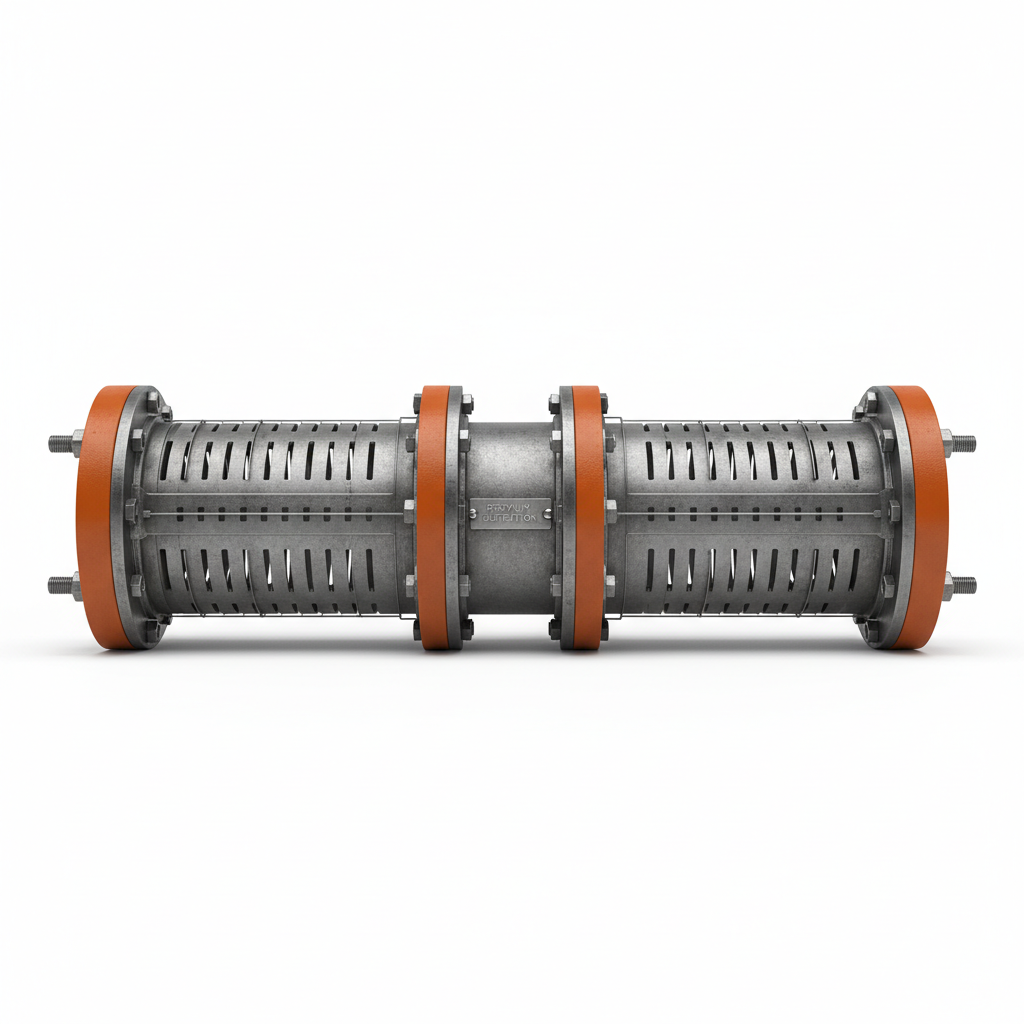
High-pressure applications (up to 200 PSI) require secure, leak-proof connections. Depending on the frequency of screen changes, manufacturers provide threaded connections for stability, quick-connect options for rapid maintenance, or flange options for heavy-duty industrial integration.
Final Thoughts
The efficiency of any mineral processing plant is inextricably linked to the quality of its screening media. From the precision of wedge wire welding to the durability of high-density polyurethane, every technical detail influences the final throughput and operational cost.
By partnering with specialized mining screen manufacturers who offer a comprehensive range of design and manufacturing services, operators can move beyond generic hardware toward optimized filtration solutions that drive long-term profitability.