
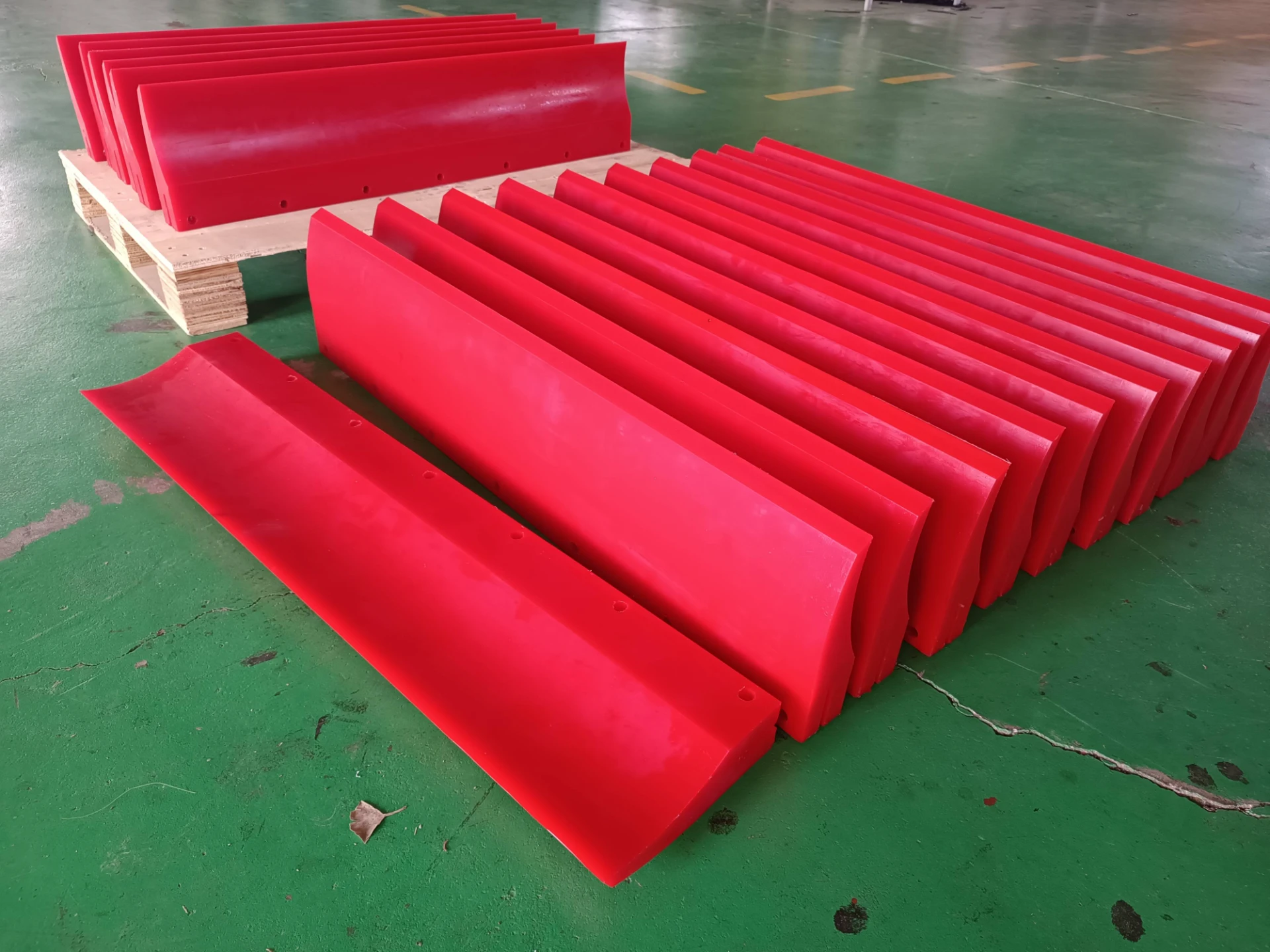
A polyurethane slot screen plate fits active screening areas that separate, classify or dewater material through defined openings. A polyurethane blind plate fits the feed or discharge end of vibrating screening equipment for granular-material separation, dehydration, desliming and product classification.

At a glance
Material properties
Main screening role and equipment position
Opening or slit design
Additional operating properties
Typical applications
Polyurethane slot screen plate vs blind plate
Both products use polyurethane, but the screen position and working role differ. The slot screen plate is the active screening panel. The blind plate is made for the feed or discharge end of vibrating screening equipment.
| Criterion | Polyurethane slot screen plate | Polyurethane blind plate |
|---|---|---|
| Material properties | Wear resistance, flexibility and chemical resistance | Wear resistance and corrosion resistance |
| Main screening role | Particle separation, classification and dewatering | Granular-material separation, dehydration, desliming and product classification |
| Equipment position | Screening panel | Feed end or discharge end of the screen |
| Opening or slit design | Bar or slot, round, square and rectangular openings | Unique slit structure |
| Additional operating property | Moisture resistance, including operation with water, oil and other media | Vibration absorption and noise reduction |
| Typical applications | Coal washing, coking, mining, power generation, dredging, metallurgy, petroleum and petrochemical processing | Coal washing, mining and related industries |
Select the active panel or the end plate
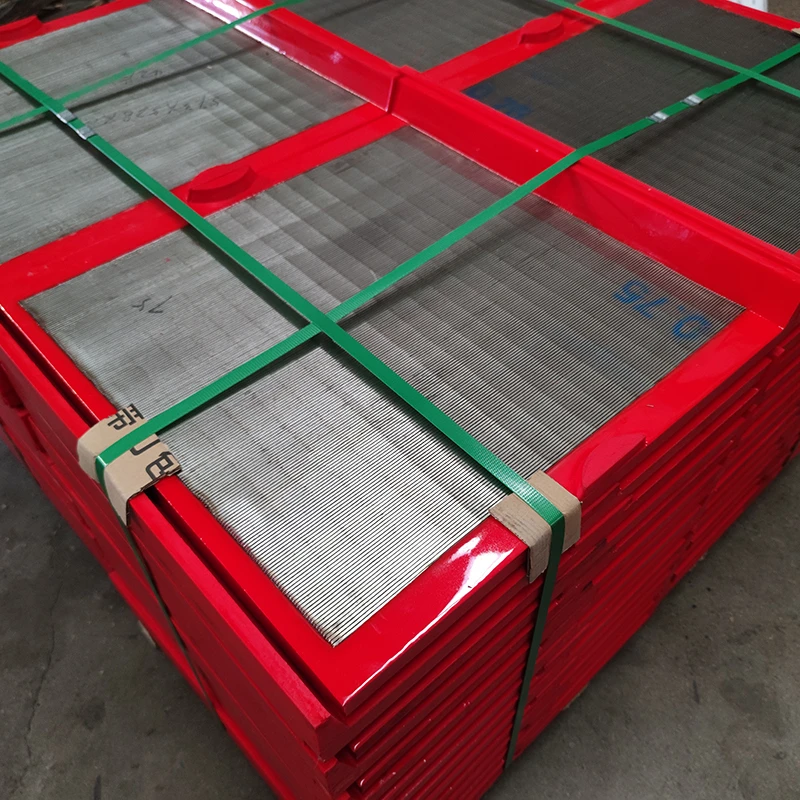
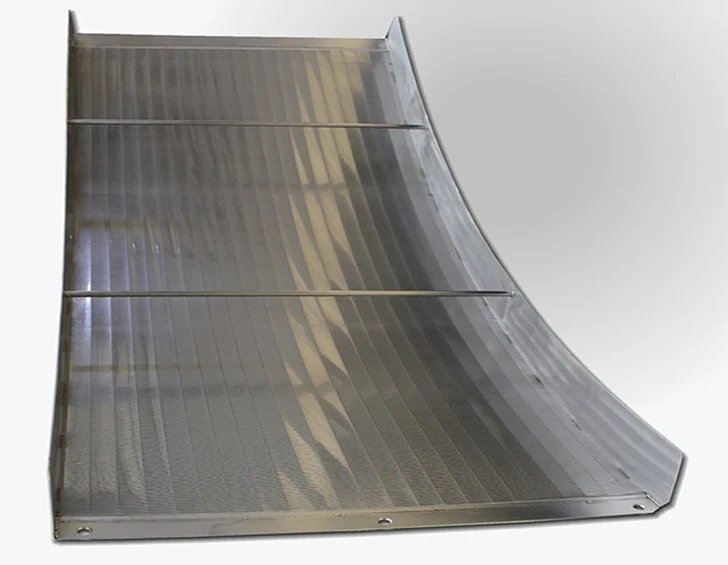
Choose the polyurethane slot screen plate when the replacement part must separate material through a selected opening pattern. Bar or slot, round, square and rectangular openings support different screening arrangements. Coal washing, coke classification, ore screening and sediment separation are among its stated uses.
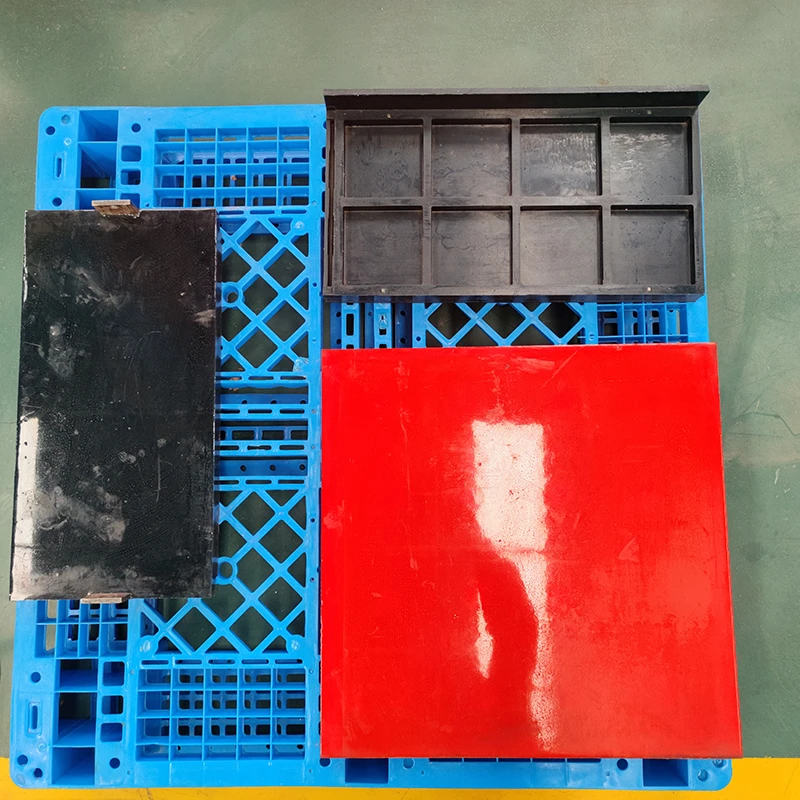
Choose the polyurethane blind plate when the required position is the end of the screen. The feed blind plate goes at the screen intake, and the discharge blind plate goes at the screen output. Its applications include granular-material separation, dehydration, desliming and product classification in coal washing, mining and related industries.
Compare material behavior and process conditions
Both options use polyurethane, while their listed property sets differ. The slot screen plate combines wear resistance, flexibility and chemical resistance. It can work with water as the medium, and water, oil and other media can reduce its friction coefficient during screening.
The blind plate combines wear resistance and corrosion resistance with vibration absorption and noise reduction. Its unique slit structure supports self-cleaning during screening and helps avoid screen clogging.
Check the opening or end position before ordering
For a slot screen plate, specify the required opening type, opening size, thickness and screen position. The available configurations include bar or slot, round, square and rectangular openings, with the opening pattern and plate thickness matched to the screen arrangement.
For a blind plate, identify the feed or discharge position first. Then send the screen equipment details and the intended separation, dehydration, desliming or classification task so we can match the plate to the installation.
The two options
Polyurethane Slot Screen Plate
Polyurethane Blind Plate
Which product fits your replacement?
Select the slot screen plate for the active screening panel and the blind plate for the feed or discharge end. Include the opening pattern or end position, screen model and process task in your request to Muto Wire Screen Co., Ltd.

About the author
The company