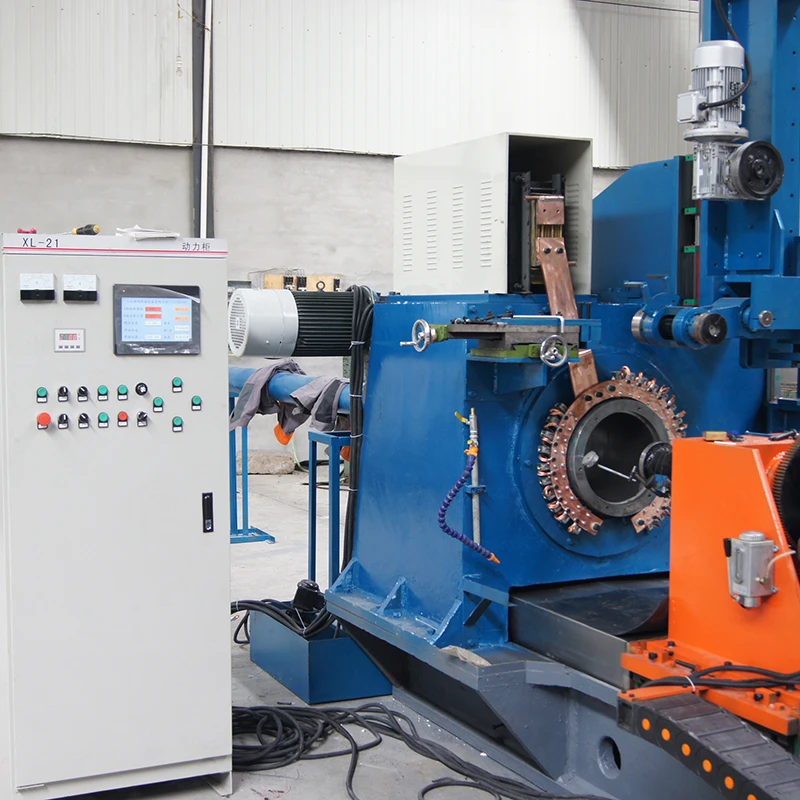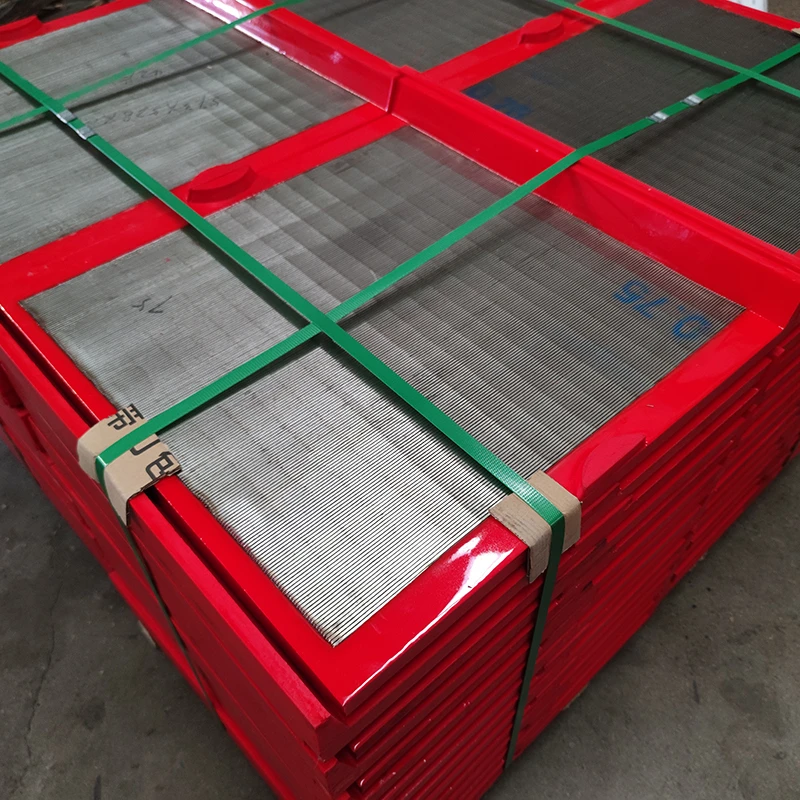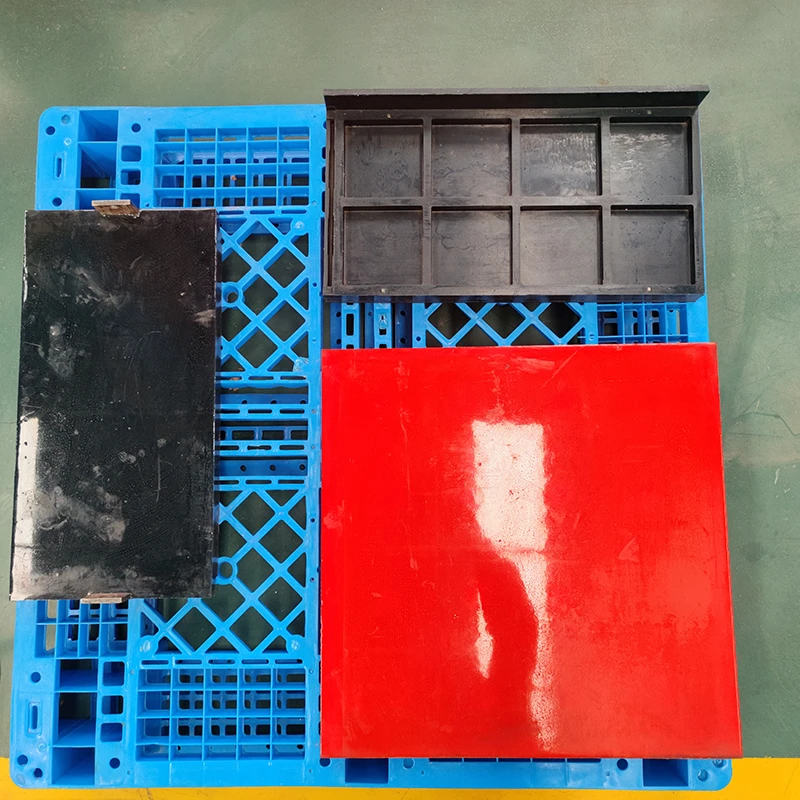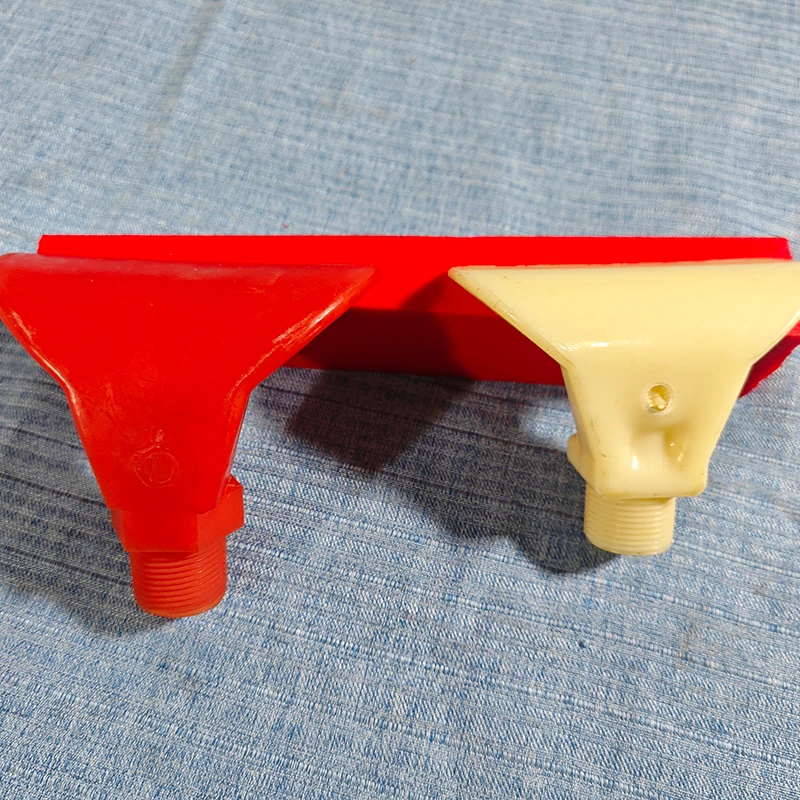
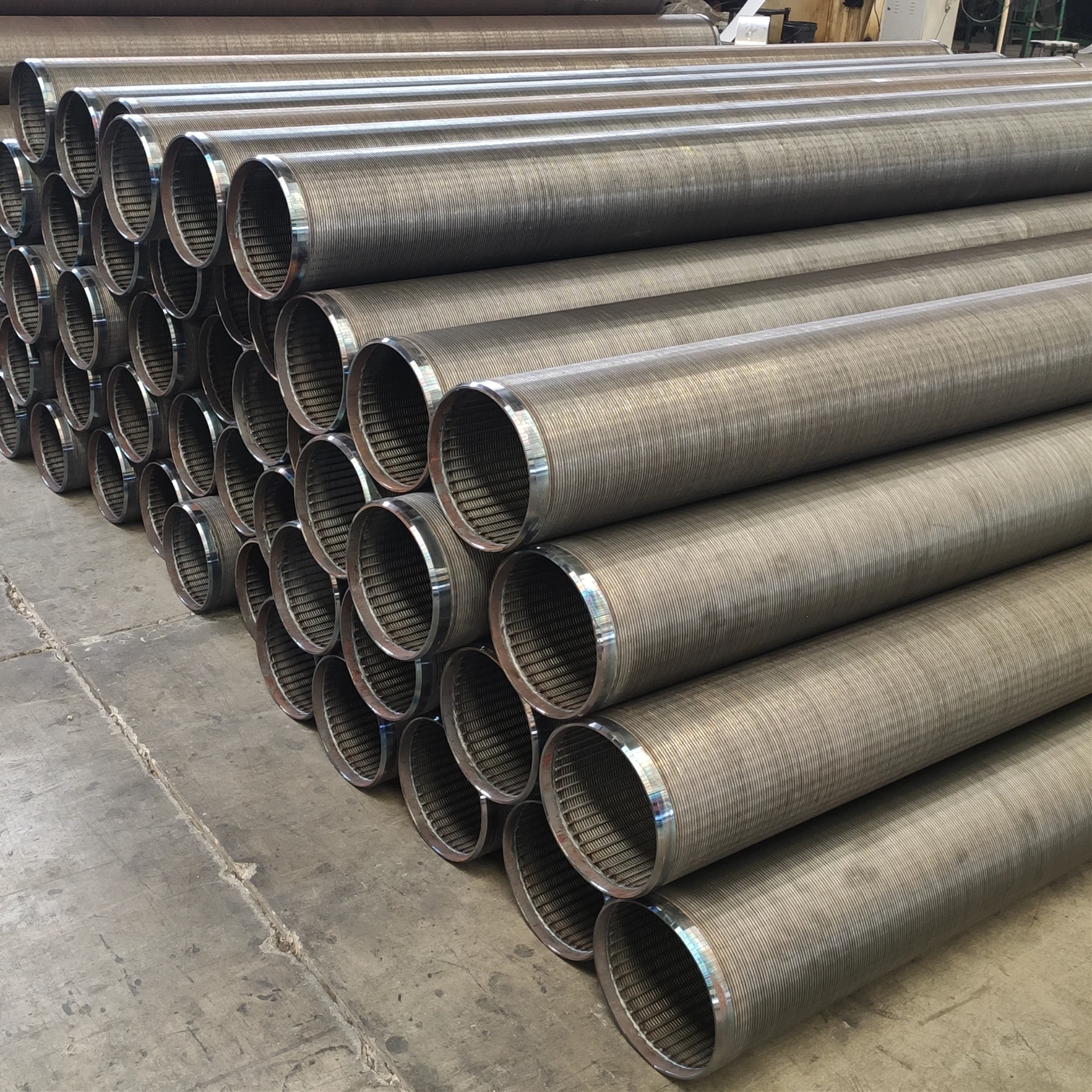
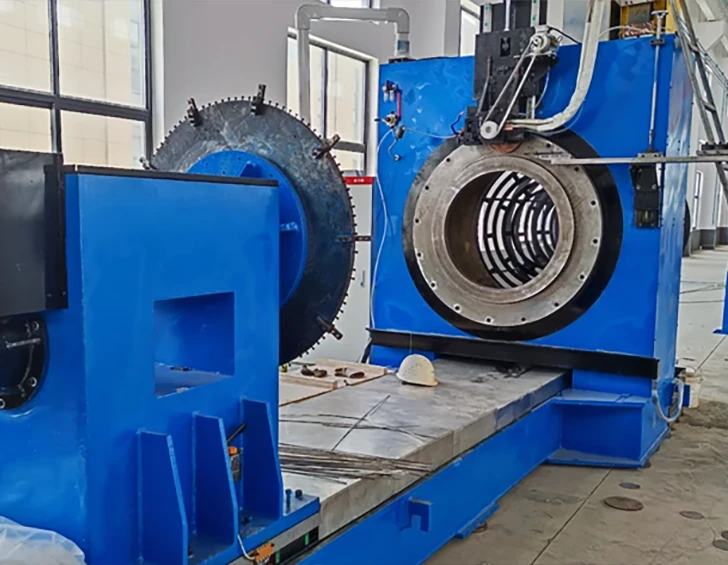

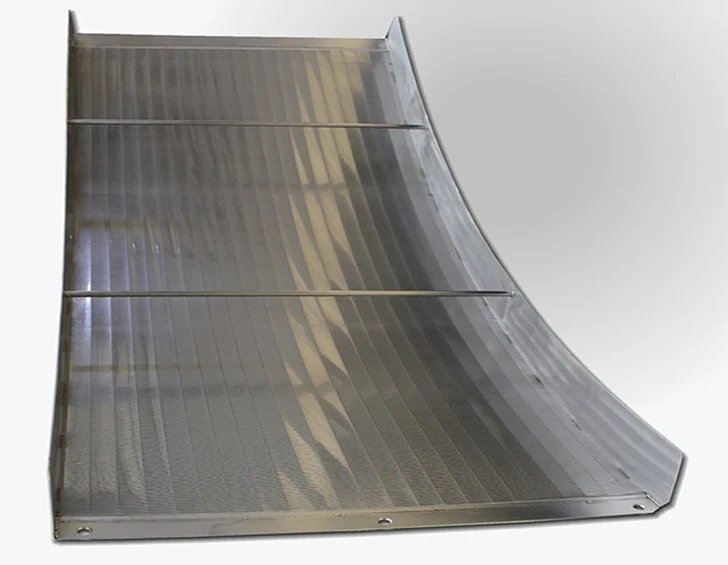
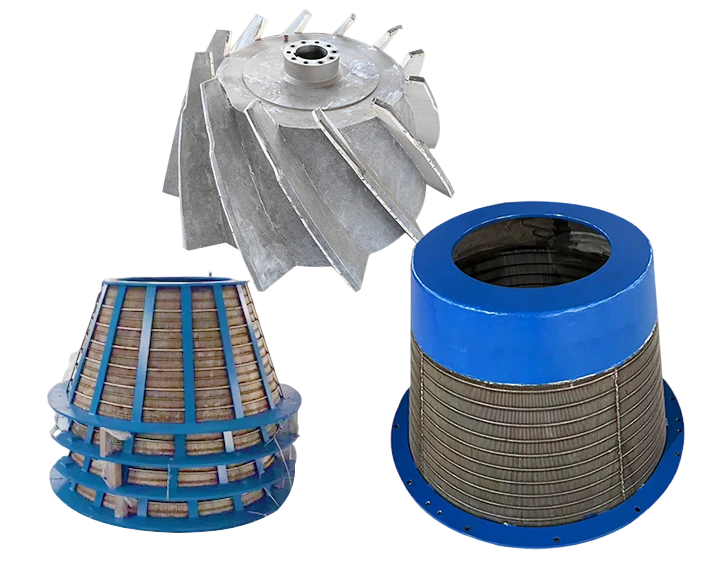
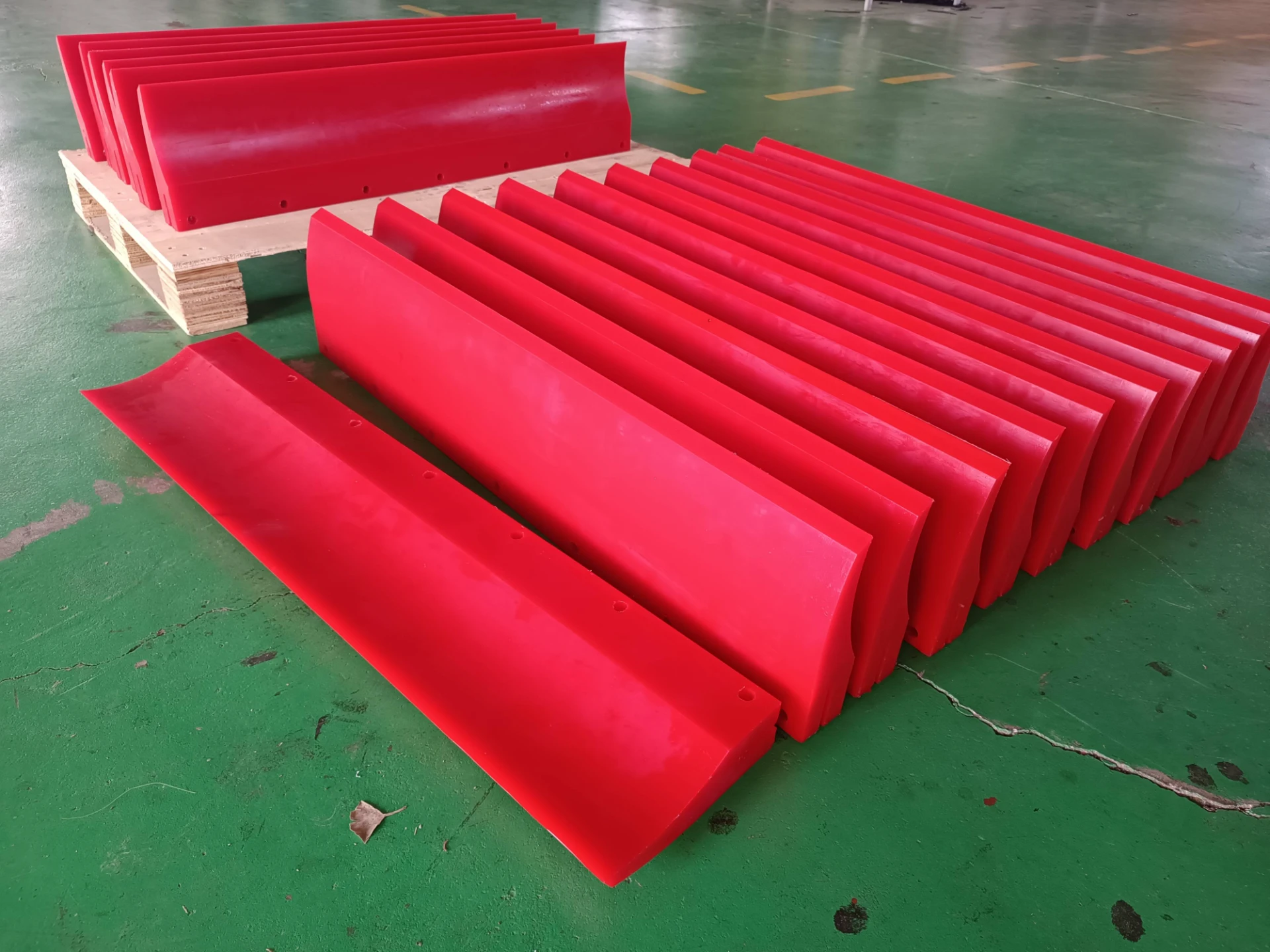
A sieve plate for jigging must match the separation method, working environment, and process stage. Our Jigging Screen Plate is intended for jigging machines handling solid-liquid separation, screening, grading, and dehydration. Its welded high-strength steel frame and wear-resistant, corrosion-resistant screen surface suit mineral, coal, chemical, and food processing applications where size and density separation are required.

Start with the separation method
Choose a sieve plate designed for a jigging machine when your process separates material by size and density. Our Jigging Screen Plate is a specialized screening surface for this method. It supports screening, grading, and dehydration in solid-liquid separation work.
This makes it a suitable choice for processing lines that already use jigging equipment and need a screen surface for material classification or water removal. It is less suitable as a general replacement for a screen used in a different separation method, because its product design is centered on jigging machines.
Match the plate to the working environment
The working environment should guide the screen surface material. Our plate uses a screen surface made from wear-resistant and corrosion-resistant materials, including stainless steel or special alloys. These material choices suit harsh working environments where abrasion or corrosion is part of the process.
The surrounding structure also matters. The screen frame is usually welded with high-strength steel, while the plate includes a support frame and drive device. This combination gives the assembly a structural arrangement for industrial screening, grading, and dehydration applications. Check that the plate's frame, support arrangement, and drive connection match the jigging machine before placing an order.
Select by process stage and industry
Mineral processing and coal processing are suitable application areas when the line requires separation, grading, or dehydration. Chemical and food processing are also named application areas for the Jigging Screen Plate. The right choice depends on the material flow and the stage where the plate will work.
Use the plate for screening when the process needs a separation surface. Use it for grading when the output must be classified by size or density. Use it for dehydration when solid-liquid separation includes water removal. These are different process needs, so describe the intended stage clearly when requesting a configuration.
| Selection point | Jigging Screen Plate fit |
|---|---|
| Separation method | Jigging machines separating materials by size and density |
| Main process stages | Screening, grading, and dehydration |
| Screen surface | Stainless steel or special alloys with wear-resistant and corrosion-resistant properties |
| Frame structure | Screen frame, screen, support frame, and drive device |
| Suitable industries | Mineral processing, coal processing, chemical, and food processing |
Check the machine interface before ordering
Confirm the existing jigging machine and the intended installation arrangement first. The product includes a screen frame, screen, support frame, and drive device, so the order should be matched to the equipment layout rather than treated as a loose sheet of screening material.
Send the supplier the machine arrangement and the intended process stage so we can assess the relevant plate configuration. The screen surface material should also be selected around the working environment, especially where abrasive or corrosive conditions affect the process.
What to weigh
Your shortlist
Questions to settle before selection
Is this sieve plate suitable for coal processing?
Yes. Coal processing is one of the stated application areas for the Jigging Screen Plate. It can be considered where a jigging machine performs screening, grading, or dehydration. Describe whether the plate will handle classification or solid-liquid separation, because that process stage affects the selection discussion and the required machine arrangement.
Which screen surface materials can we use?
Stainless steel or special alloys are suitable screen surface materials for this plate. The surface materials are selected for wear-resistant and corrosion-resistant properties, which fit harsh working environments. Tell us whether abrasion, corrosion, or both are present in the process so we can review the appropriate surface material for the application.
Does the plate support dehydration?
Yes. The Jigging Screen Plate is used for dehydration as well as screening and grading. It fits a solid-liquid separation stage where the process needs to remove liquid from the handled material. Confirm that the intended jigging machine and support arrangement can accommodate the plate before ordering.
Choose the plate around the process
Our Jigging Screen Plate fits buyers who need a screening surface for a jigging machine used in mineral, coal, chemical, or food processing. It is the relevant option when the job involves separation by size and density, screening, grading, or dehydration. Send us the machine arrangement, process stage, and working environment for a configuration discussion.

About the author
The company