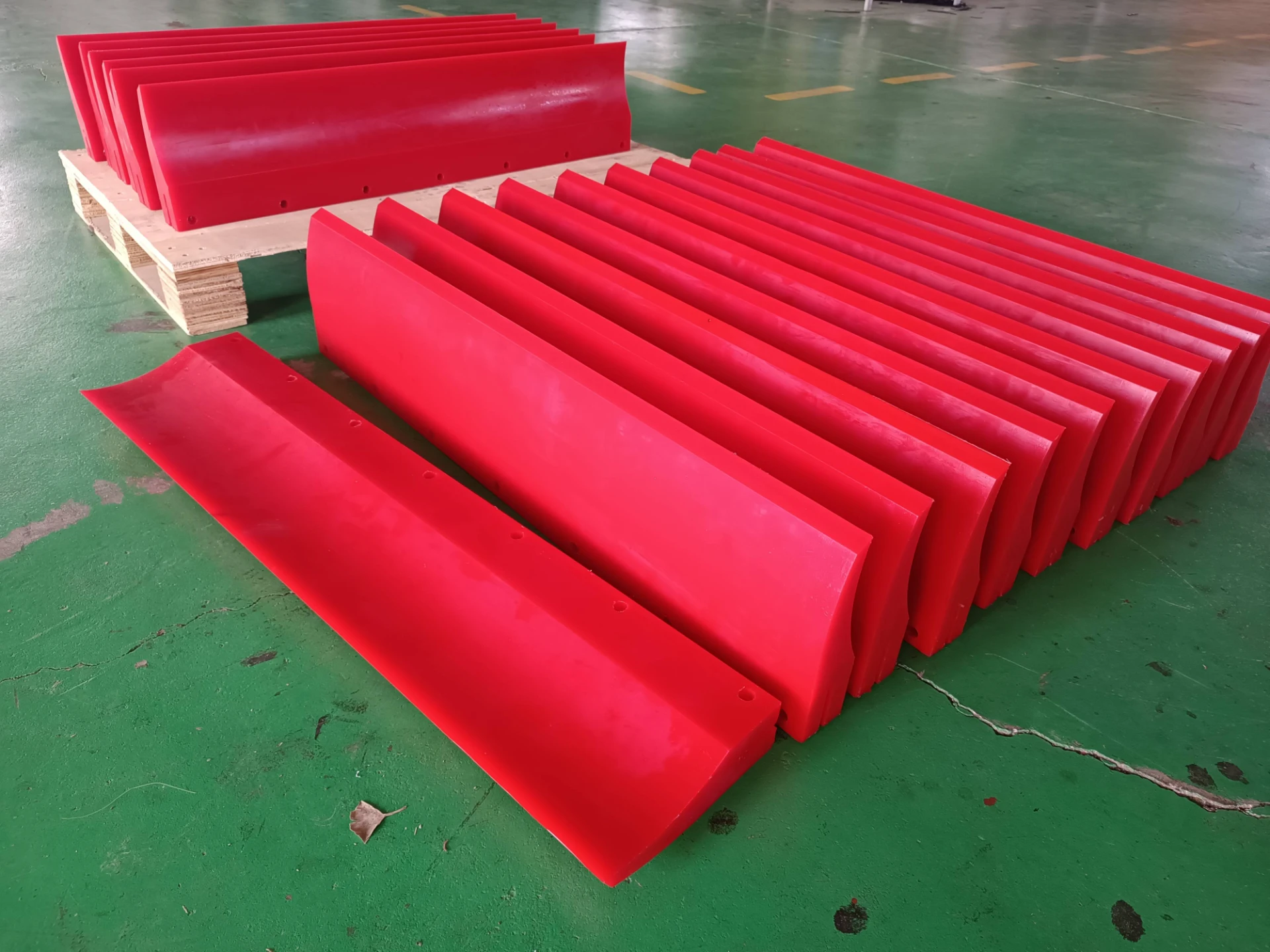
Understanding Rotary Vibrating Screens: A Comprehensive Guide
Rotary vibrating screens are essential equipment in numerous industries, playing a crucial role in material separation and classification. From aggregates and mining to food processing and pharmaceuticals, these screens efficiently separate materials based on size. This article provides an in-depth look at rotary vibrating screens, covering their principles, applications, benefits, and key considerations when choosing the right screen for your needs. A correctly specified and maintained rotary vibrating screen will significantly enhance operational efficiency and product quality.
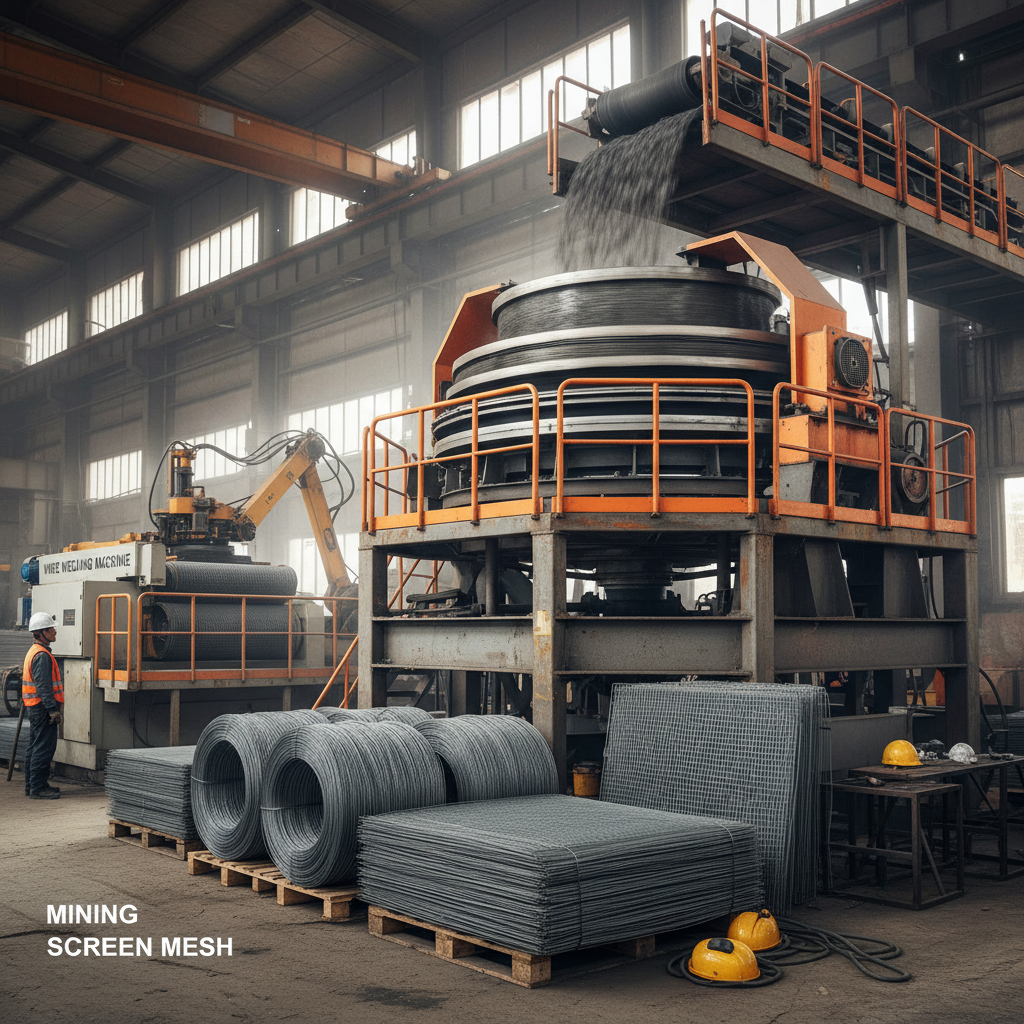
How Do Rotary Vibrating Screens Work?
At their core, rotary vibrating screens utilize a combination of rotational and vibratory motion to separate materials. The screen is typically composed of a rotating drum fitted with multiple layers of screening media – woven wire, punched plates, or other specialized materials – each with different aperture sizes. As the drum rotates, an unbalanced weight generates a vibratory force, causing the material to move across the screen surface. Finer particles pass through the apertures, while larger particles remain on the screen and are discharged at the opposite end. The rotational speed and vibration amplitude can be adjusted to optimize separation efficiency for different materials.
Key Applications of Rotary Vibrating Screens
The versatility of rotary vibrating screens makes them valuable across a wide range of industries. Common applications include:
- Aggregates & Mining: Separating gravel, sand, and other aggregate materials by size; classifying ore and removing fines.
- Food Processing: Grading and classifying food products like grains, seeds, and powders.
- Pharmaceuticals: Precisely separating active pharmaceutical ingredients (APIs) from excipients.
- Chemical Processing: Filtering and separating chemicals and powders.
- Recycling: Separating different materials in recycling streams (plastics, metals, etc.).
- Wood Processing: Screening wood chips and sawdust.
Key Benefit: Rotary vibrating screens offer high throughput, efficient separation, and minimal material loss.
Rotary Vibrating Screen vs. Other Screening Technologies
Several screening technologies are available, each with its strengths and weaknesses. Compared to linear vibrating screens or trommel screens, rotary vibrating screens often excel in handling wet and sticky materials. Linear screens are better suited for dry, free-flowing materials, while trommel screens are typically used for higher volume, coarser materials. Choosing the right screen depends on the material characteristics, throughput requirements, and desired separation accuracy.
Comparison Chart:
• Rotary Vibrating Screen: Excellent for wet/sticky materials, high efficiency.
• Linear Vibrating Screen: Best for dry, free-flowing materials, fine separation.
• Trommel Screen: High volume, coarse material separation, lower precision.
Selecting the Right Rotary Vibrating Screen
Choosing the appropriate rotary vibrating screen requires careful consideration of several factors, including material properties, particle size distribution, throughput requirements, and available space. Key parameters to consider are screen mesh size, drum speed, vibration amplitude, and the number of screen decks.
Maintenance and Longevity of Your Rotary Vibrating Screen
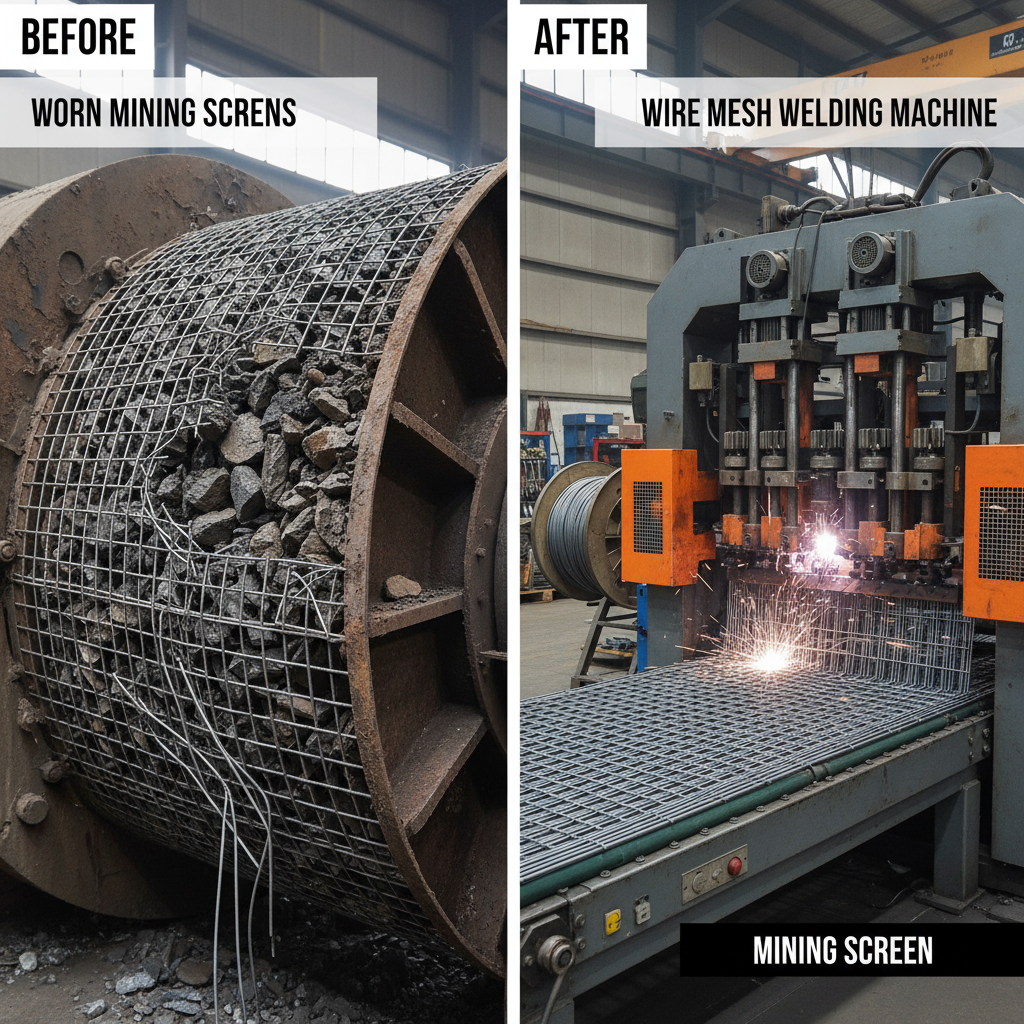
Regular maintenance is critical to maximizing the lifespan and performance of your rotary vibrating screen. This includes routine inspection of the screen media for wear and tear, cleaning the screen to prevent clogging, and lubricating moving parts. Prompt replacement of worn components will prevent costly downtime and ensure consistent separation efficiency. It’s also important to follow the manufacturer's guidelines for operation and maintenance.
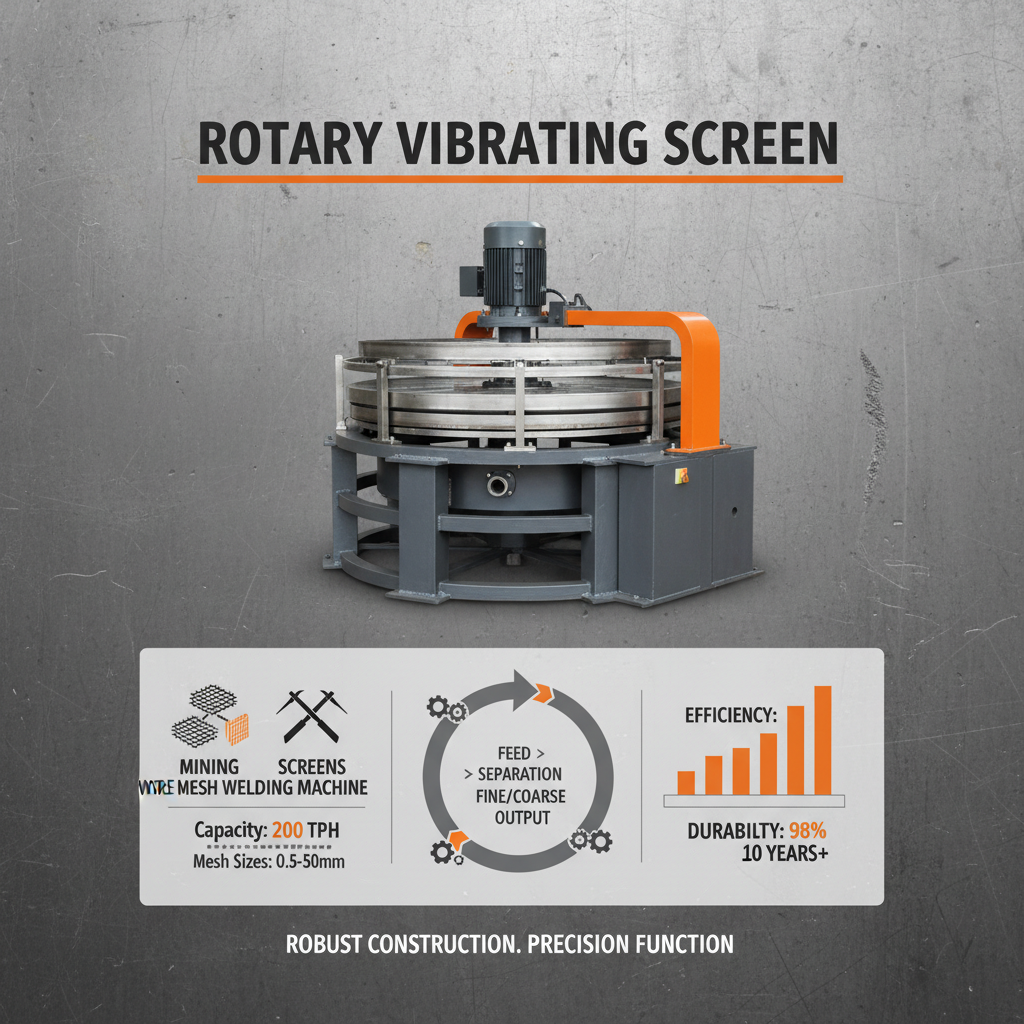
Conclusion: Optimizing Your Processes with Rotary Vibrating Screens
Investing in a high-quality rotary vibrating screen from a reputable manufacturer like Muto Screen is a strategic move for businesses seeking to enhance their material separation processes. By carefully selecting the right screen and implementing a proactive maintenance plan, you can significantly improve efficiency, reduce costs, and ensure consistently high product quality.
Frequently Asked Questions (FAQs)
What materials can a rotary vibrating screen handle?
Rotary vibrating screens are incredibly versatile and can handle a wide range of materials, including dry and wet materials, coarse and fine particles, and abrasive substances. They are commonly used with aggregates, minerals, sands, gravels, food products, chemicals, plastics, and even some types of waste materials. The key is to select the appropriate screen media and adjust the operating parameters to suit the specific material properties. For particularly abrasive materials, consider using hardened steel or ceramic screen media to prolong the screen's lifespan.
How often should the screen media be replaced?
The frequency of screen media replacement depends on the abrasiveness of the material being processed and the operating conditions. Regularly inspecting the screen media for wear, tear, or blockage is crucial. As a general guideline, screen media should be replaced when significant damage or reduction in aperture size is observed, impacting separation efficiency. This could range from several months to a year or more, depending on the application.
What are the benefits of using multiple screen decks?
Using multiple screen decks in a rotary vibrating screen allows for simultaneous separation of materials into three or more different size fractions. This significantly increases throughput and efficiency, reducing the need for multiple screening stages. Multi-deck screens are particularly beneficial when precise size classification is required, such as in the production of graded aggregates or pharmaceutical ingredients.
How can I prevent material from blinding the screen?
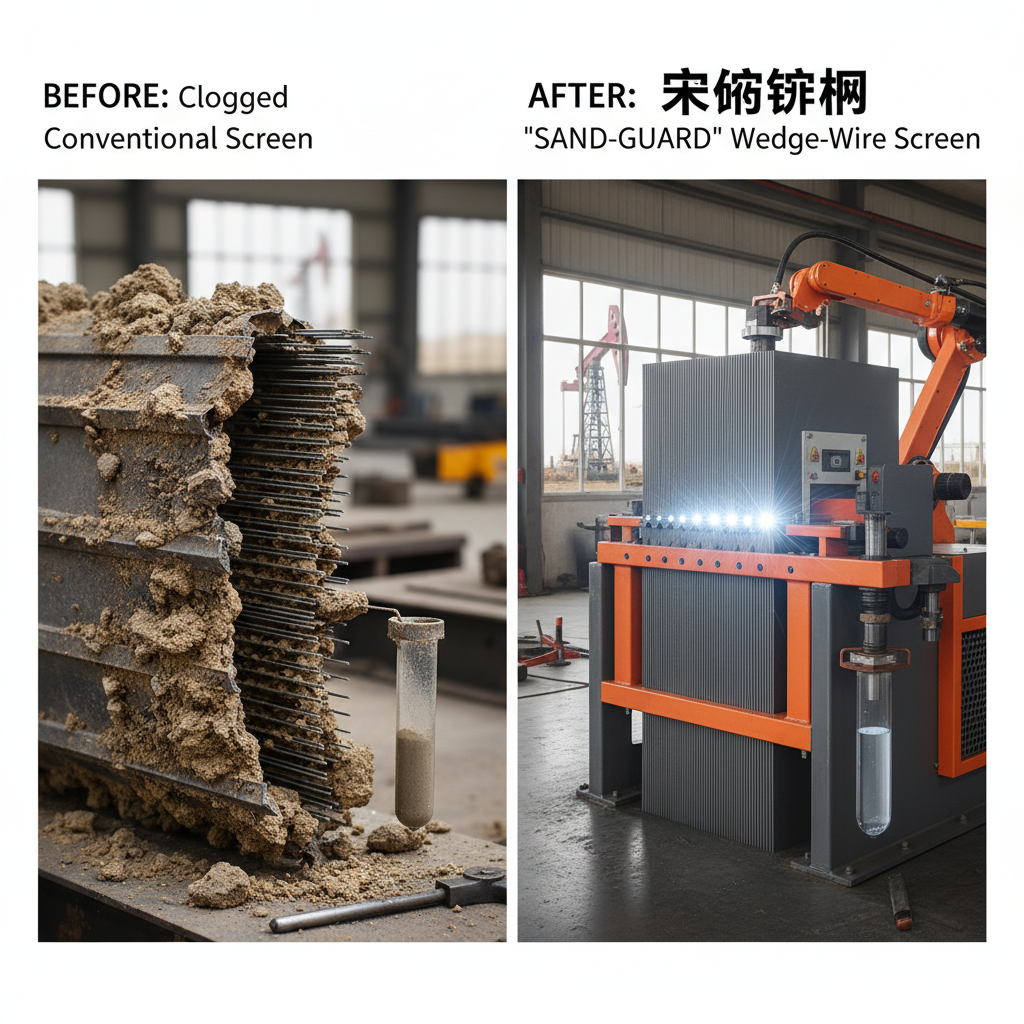
Blinding, or clogging of the screen apertures, can significantly reduce efficiency. Several strategies can help prevent this, including adjusting the screen's vibration amplitude and drum speed, using screen media with anti-blinding features (like self-cleaning designs), and ensuring the material feed is evenly distributed across the screen surface. Pre-screening the material to remove oversized particles can also help reduce blinding.