Rotary Drum Screen Manufacturers: A Comprehensive Guide
In the realm of solid-liquid separation, rotary drum screens are indispensable. These robust machines efficiently remove solids from liquids across diverse industries, including wastewater treatment, pulp and paper, food processing, and more. Choosing the right manufacturer is crucial for optimal performance and longevity. This article provides a comprehensive overview of rotary drum screen manufacturers, key considerations when selecting a supplier, and the benefits of investing in high-quality screening technology. Selecting a reliable rotary drum screen manufacturer ensures you receive a solution tailored to your specific needs.
What are Rotary Drum Screens and Their Applications?
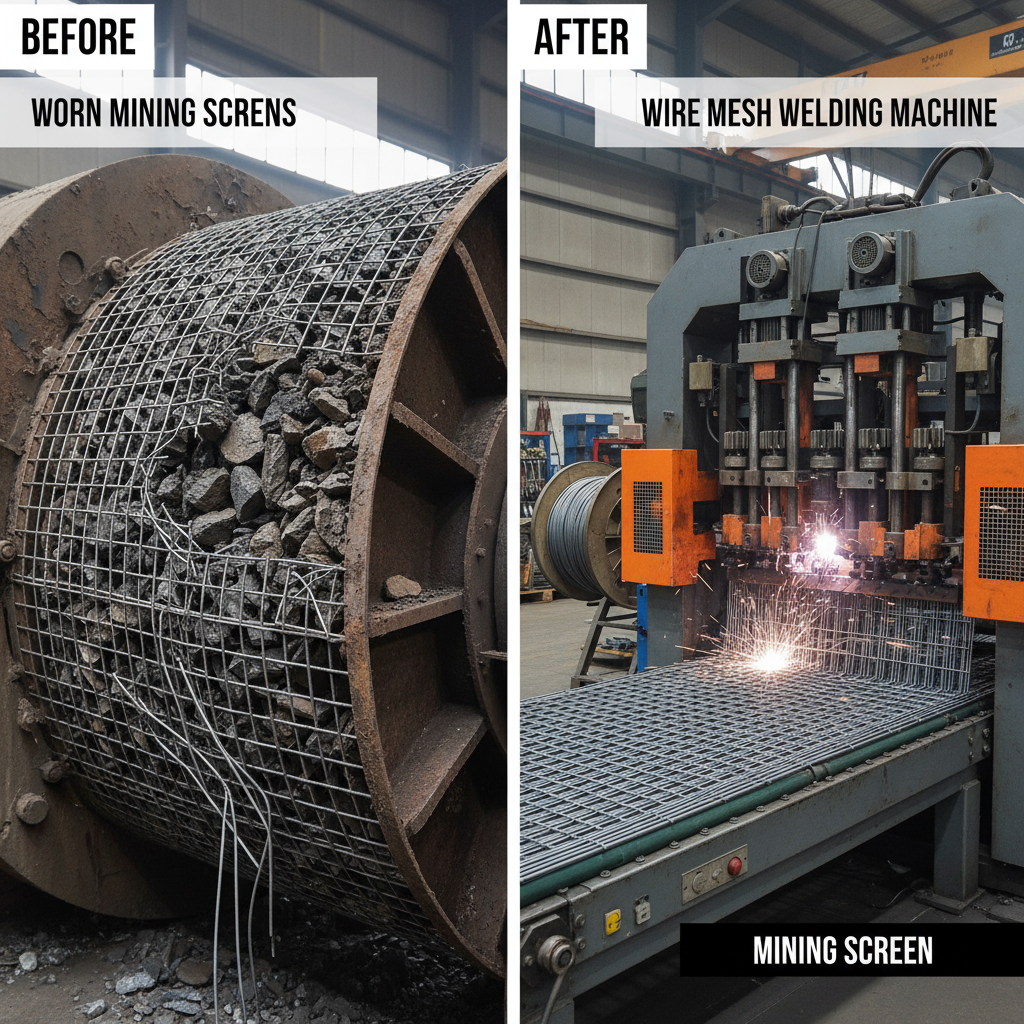
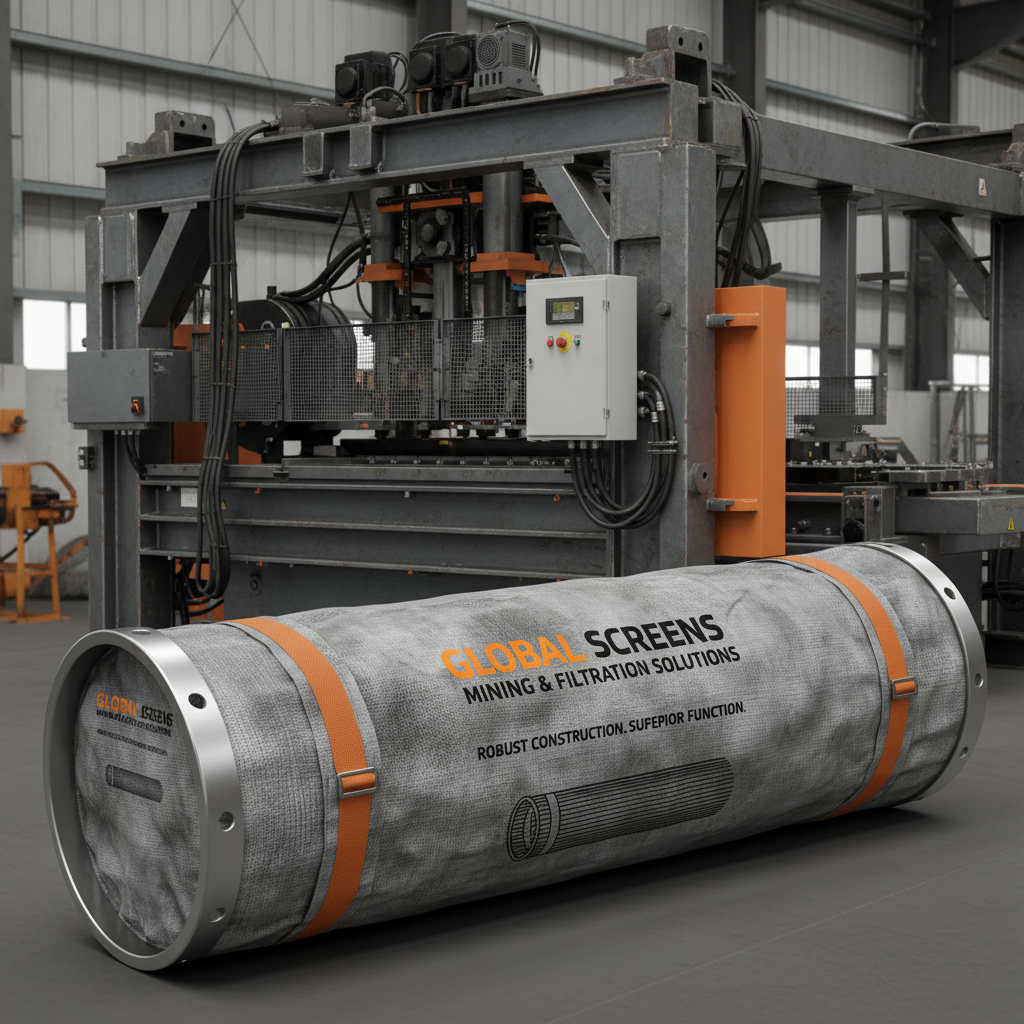
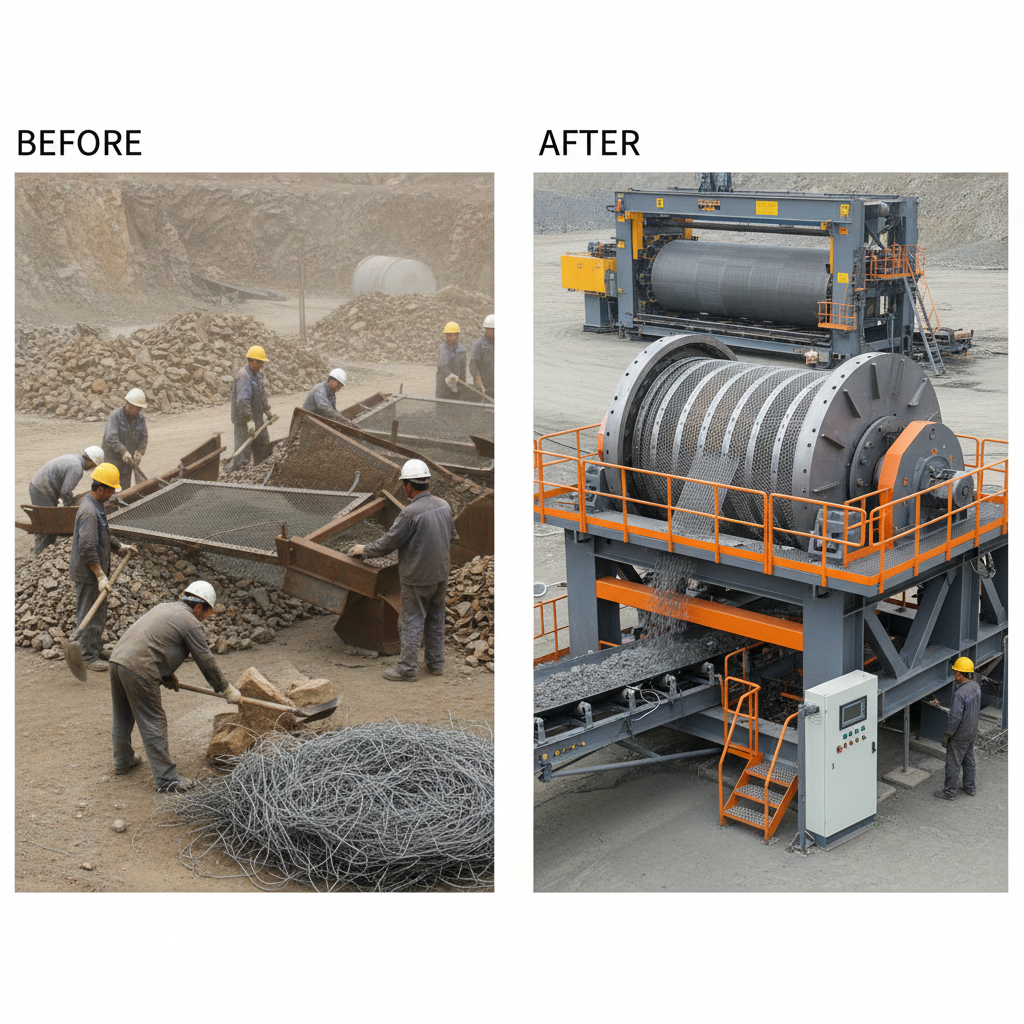
Rotary drum screens, also known as cylindrical screens, utilize a rotating cylindrical drum with perforated surfaces to separate solids from liquids. The drum is partially submerged in the liquid, and as it rotates, solids are retained inside while the liquid passes through the perforations. These screens excel in handling high solids loading and offer continuous operation, making them ideal for various applications. Common uses include: primary and secondary wastewater treatment, pulp and paper mill screening, food processing waste removal, chemical processing, and oil and gas applications. They offer efficient and reliable solid-liquid separation, contributing to cleaner processes and resource recovery.
Key Considerations When Choosing Rotary Drum Screen Manufacturers
Selecting the appropriate rotary drum screen manufacturers involves careful evaluation. Here are crucial factors to consider:
- Experience and Reputation: Opt for manufacturers with a proven track record and positive customer testimonials.
- Customization Capabilities: Ensure the manufacturer can tailor the screen to your specific flow rates, solids content, and particle size requirements.
- Material of Construction: Stainless steel is preferred for corrosion resistance and durability, particularly in harsh environments.
- Screen Design and Technology: Evaluate the screen’s internal cleaning mechanisms and screen media options for optimal performance.
- After-Sales Service and Support: Reliable technical support, spare parts availability, and maintenance services are essential.
- Compliance with Industry Standards: Confirm the manufacturer adheres to relevant safety and environmental regulations.
Top Rotary Drum Screen Manufacturers – A Comparative Overview
The market features several reputable rotary drum screen manufacturers. Here's a comparative overview of a few leading players:
Understanding Rotary Drum Screen Types and Specifications
Rotary drum screens come in various configurations, each suited for specific applications. These include:
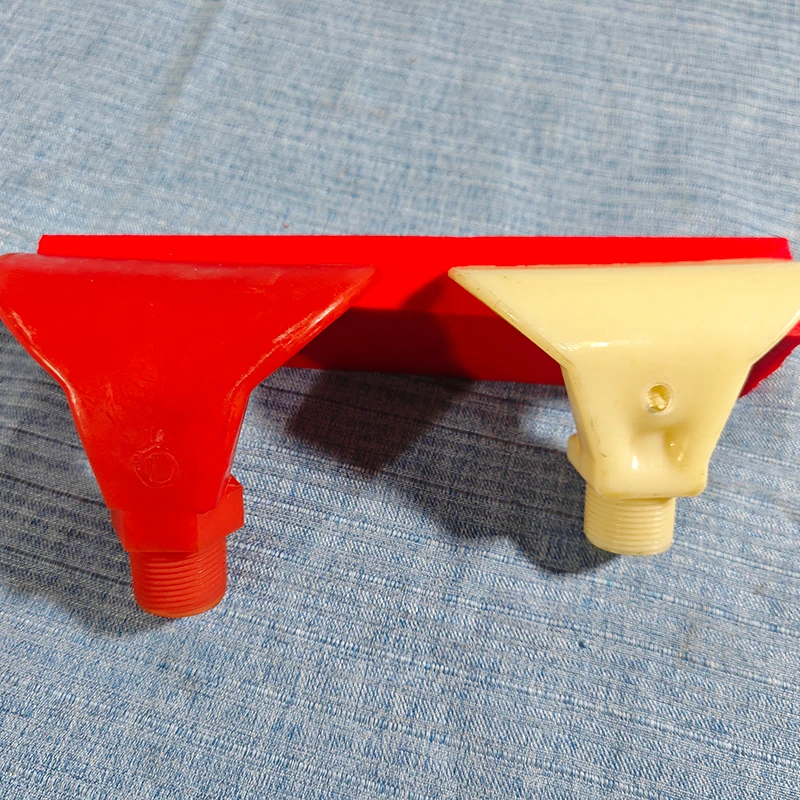
- Self-Cleaning Screens: Employ internal spray nozzles or brushes to remove accumulated solids, minimizing manual cleaning.
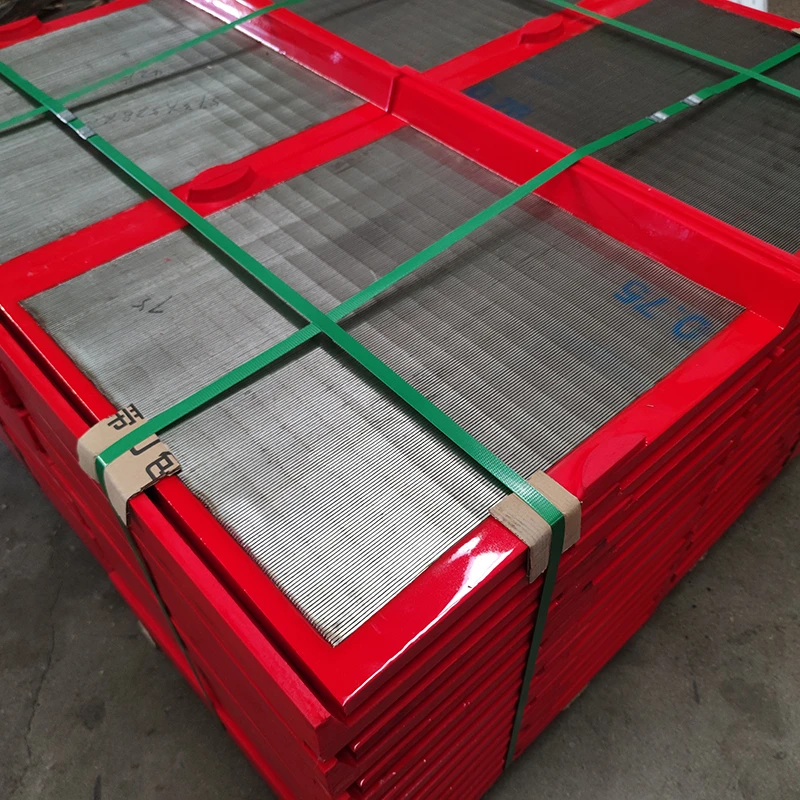
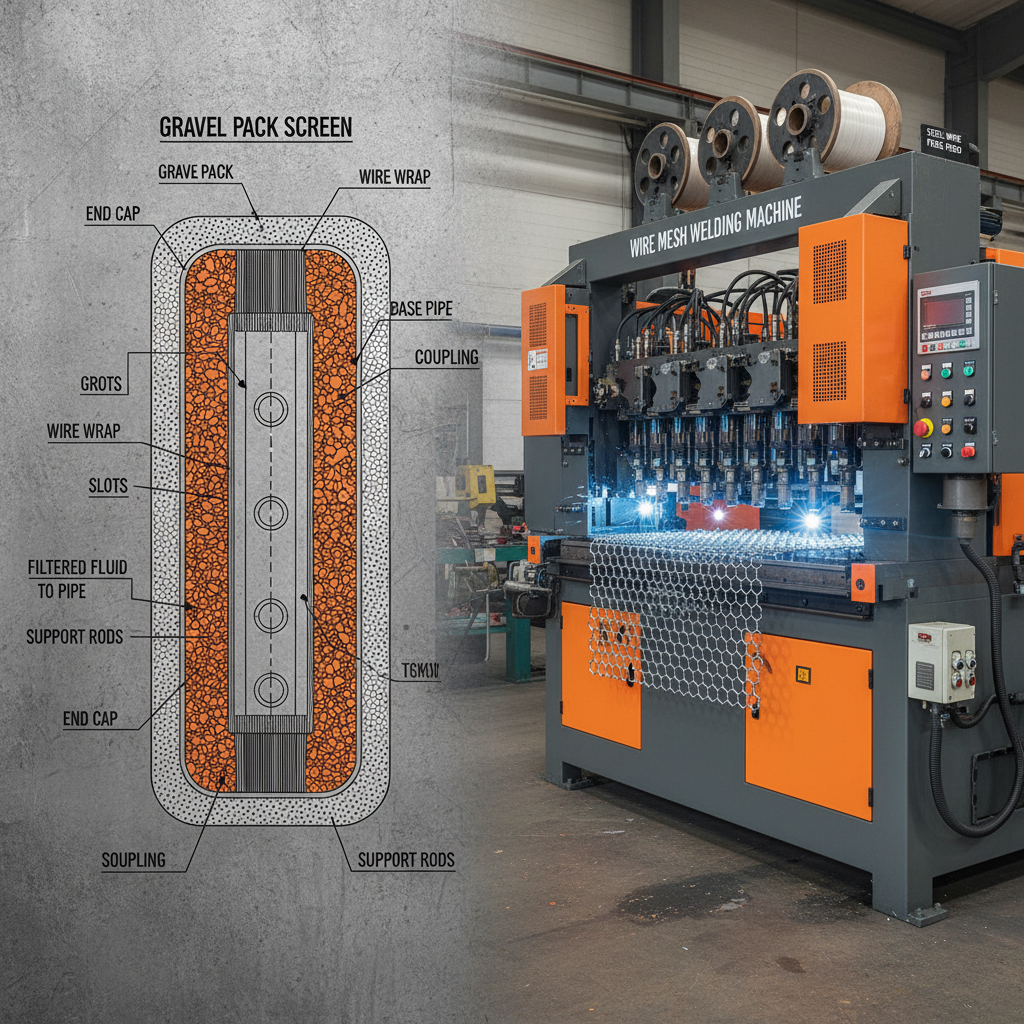
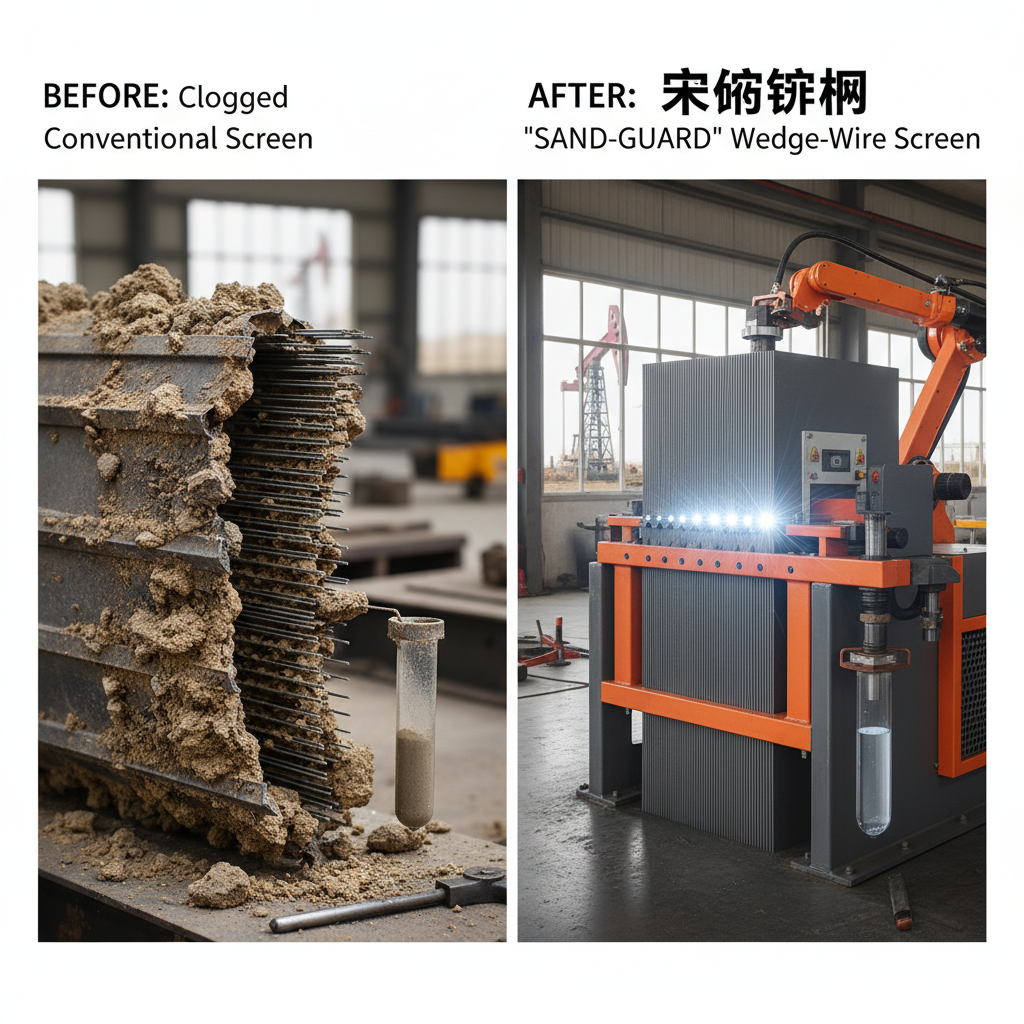
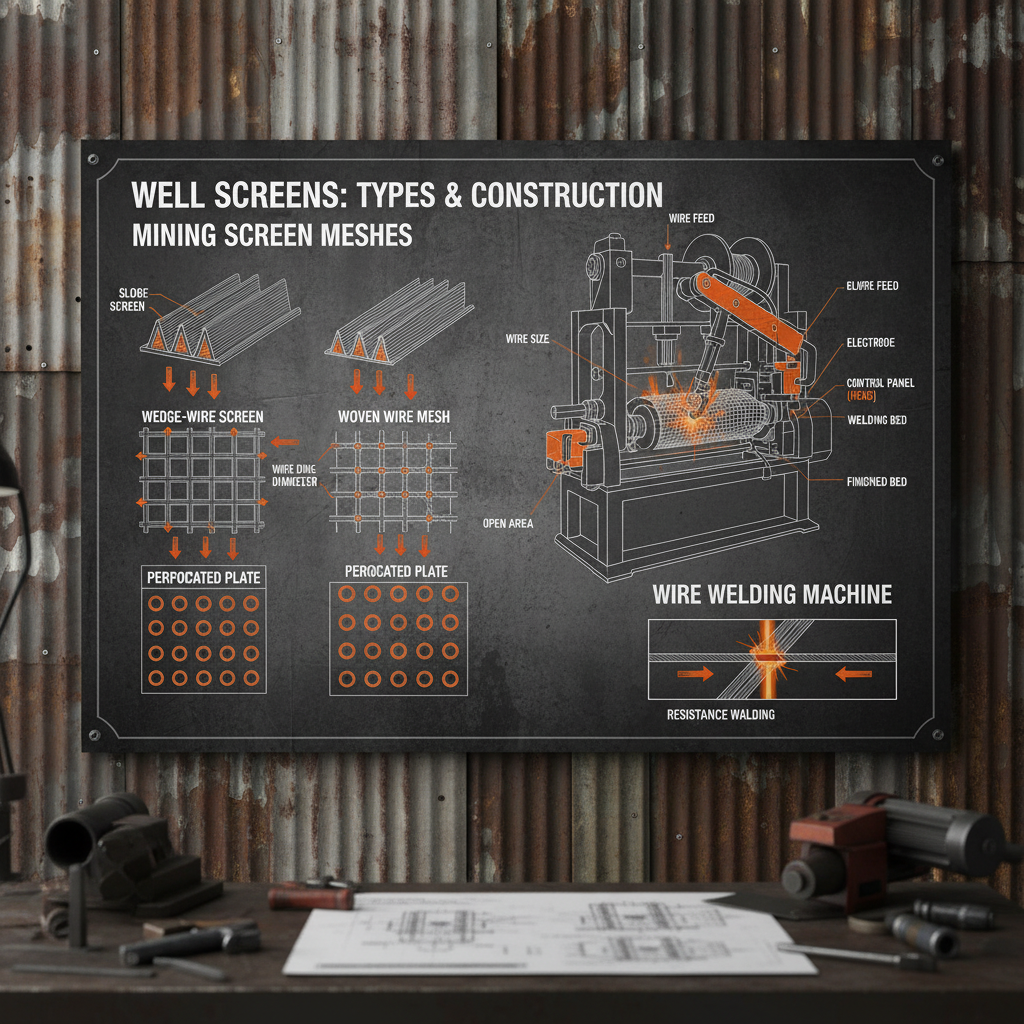
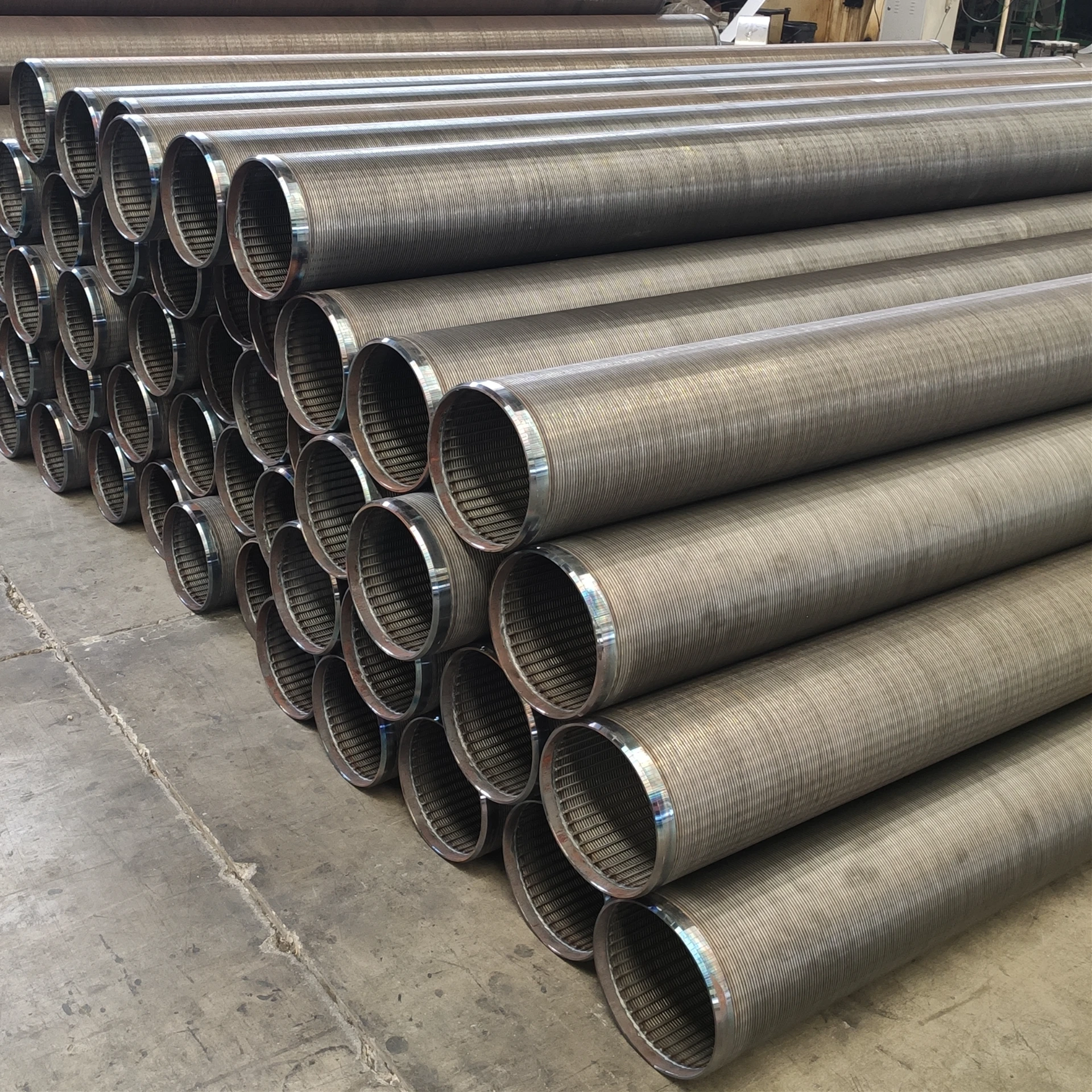
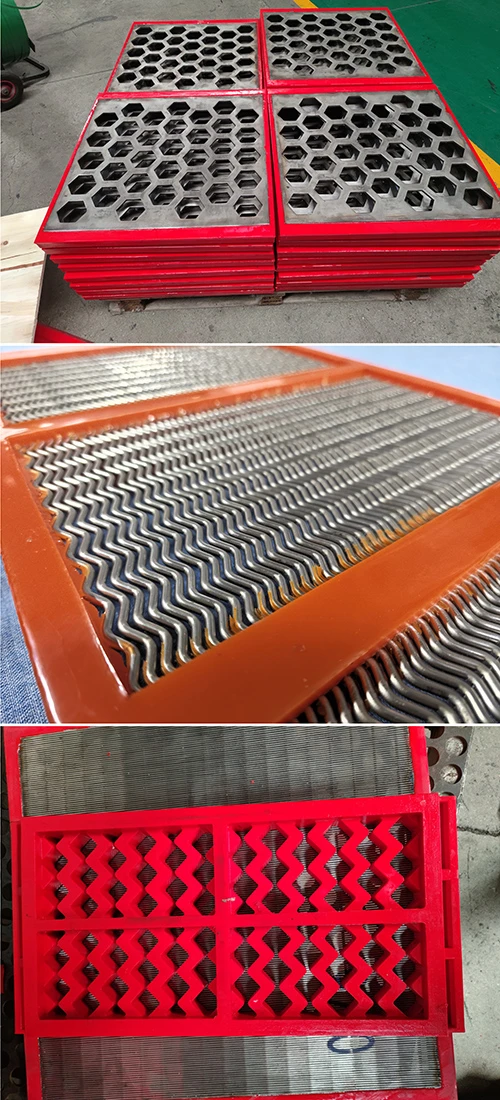
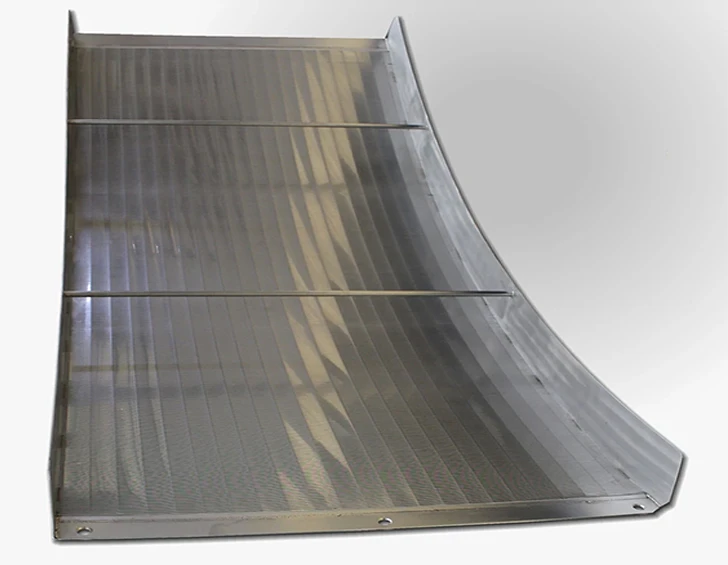
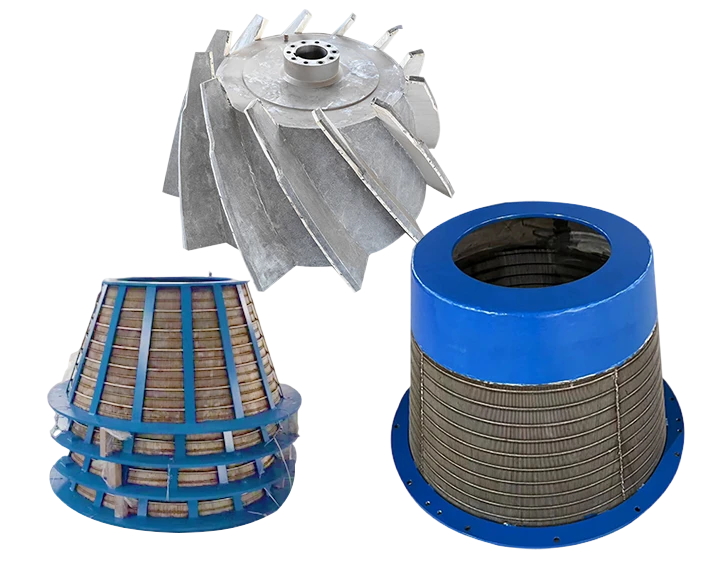
- Wedge Wire Screens: Feature V-shaped wire profiles offering high strength and efficient screening.
- Perforated Plate Screens: Utilize flat plates with precisely sized perforations for accurate solid-liquid separation.
Key specifications to consider include drum diameter, length, screen aperture size, flow rate capacity, and motor power. Muto Screen provides detailed specifications for its range of rotary drum screens to help customers select the optimal solution.
Benefits of Investing in High-Quality Rotary Drum Screens
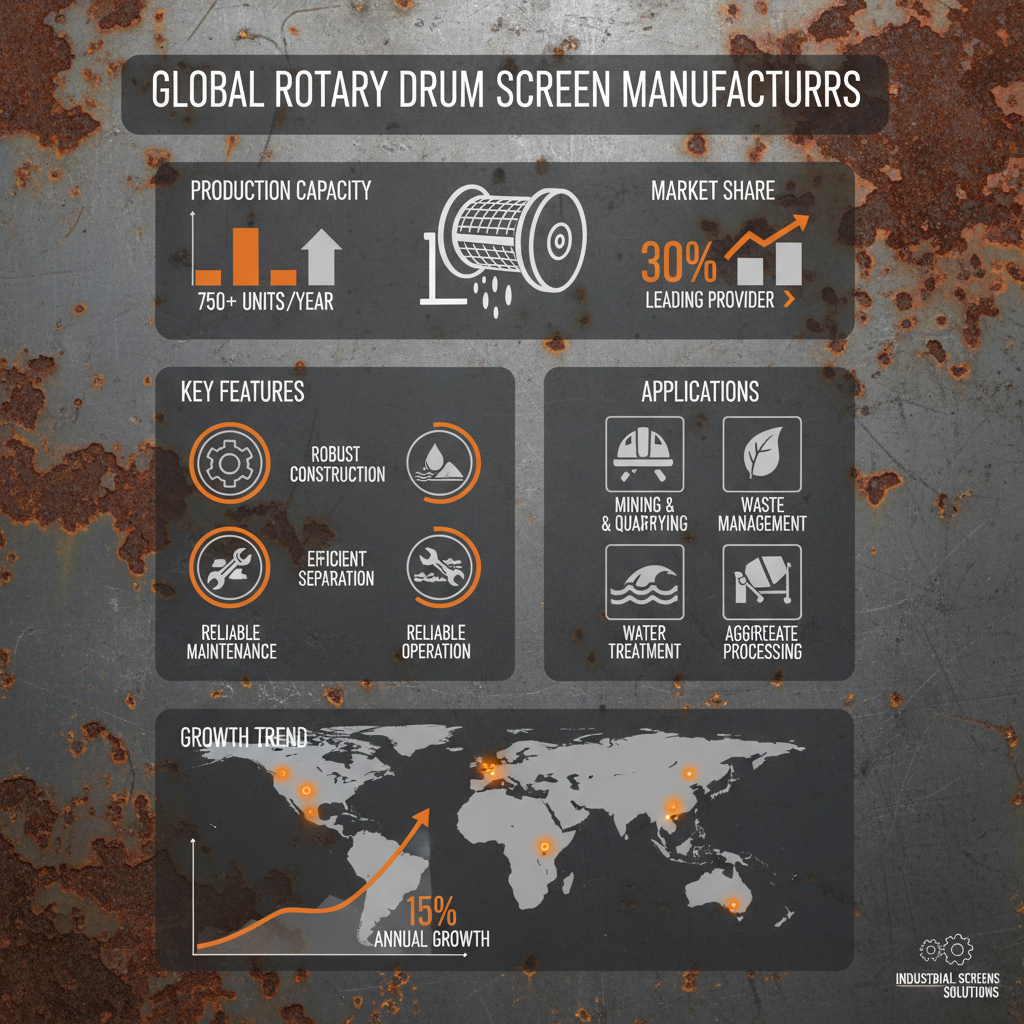
Investing in a high-quality rotary drum screen from a reputable manufacturer like Muto Screen offers numerous benefits, including:
- Increased Efficiency: Optimized screening performance reduces downtime and maximizes throughput.
- Reduced Operating Costs: Automated cleaning systems minimize manual labor and maintenance expenses.
- Improved Product Quality: Effective solid-liquid separation enhances the quality of the processed liquid.
- Environmental Compliance: Efficient removal of solids helps meet environmental regulations and reduce discharge costs.
- Long-Term Reliability: Durable construction and quality components ensure long-term performance and minimize replacements.
Conclusion
Choosing the right rotary drum screen manufacturer is a crucial investment for any operation requiring efficient solid-liquid separation. By carefully considering your specific needs, evaluating manufacturer capabilities, and prioritizing quality and reliability, you can secure a solution that delivers long-term value and contributes to the success of your business.
Frequently Asked Questions (FAQs)
What is the typical lifespan of a rotary drum screen?
The lifespan of a rotary drum screen can range from 10 to 20 years or even longer, depending on factors like the materials of construction, the abrasiveness of the solids being processed, the maintenance schedule, and the operating conditions. Screens constructed from high-quality stainless steel and regularly maintained will naturally last longer. Consistent inspection for wear and tear, and prompt replacement of worn parts, are essential for maximizing the screen’s lifespan. Muto Screen offers comprehensive maintenance programs to help extend the life of your equipment.
How do I determine the appropriate screen aperture size for my application?
Selecting the correct screen aperture size is critical for efficient separation. It depends on the particle size distribution of the solids you need to remove. Generally, the aperture size should be slightly smaller than the smallest particle you want to retain. It’s important to consider the potential for blinding – the clogging of the screen openings by fine particles. Muto Screen’s engineers can assist you in determining the optimal aperture size based on your specific application and solids characteristics.
What maintenance is required for a rotary drum screen?
Regular maintenance is essential for ensuring optimal performance and longevity. Key maintenance tasks include: inspecting and cleaning the screen media, lubricating bearings and drive components, checking the motor and electrical connections, and inspecting the drum for wear and tear. Automated cleaning systems, like those offered by Muto Screen, significantly reduce the need for manual cleaning and minimize downtime. Following the manufacturer's recommended maintenance schedule is crucial.
Can rotary drum screens handle highly abrasive materials?
Yes, rotary drum screens can be designed to handle highly abrasive materials. Using wear-resistant materials for the screen media, such as hardened stainless steel or ceramic, is crucial. The screen’s construction and internal components should also be robust enough to withstand the abrasive forces. Muto Screen offers specialized designs and materials for applications involving abrasive solids, ensuring long-term reliability and performance.