What is a Rotary Dryer? A Comprehensive Guide
A rotary dryer is a thermal drying apparatus used to reduce the moisture content of a wide range of materials. It’s a versatile and efficient solution for industries handling solids like minerals, agricultural products, wood chips, and more. This article will delve into the mechanics, applications, benefits, and considerations when choosing a rotary dryer, providing a complete overview for those looking to optimize their drying processes. Choosing the right drying technology is crucial for product quality and overall process efficiency. Muto Screen offers a range of solutions designed to meet diverse industrial needs.
Understanding the Core Mechanics of a Rotary Dryer
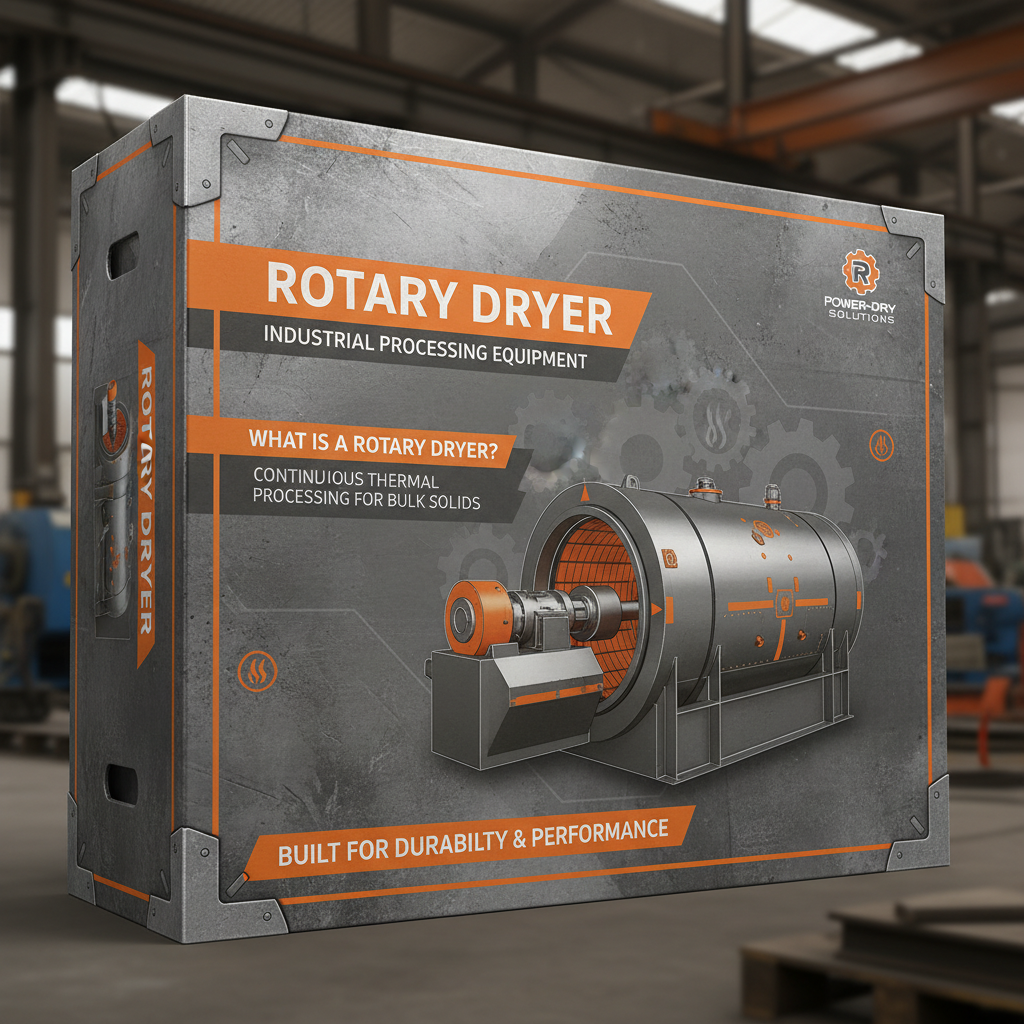
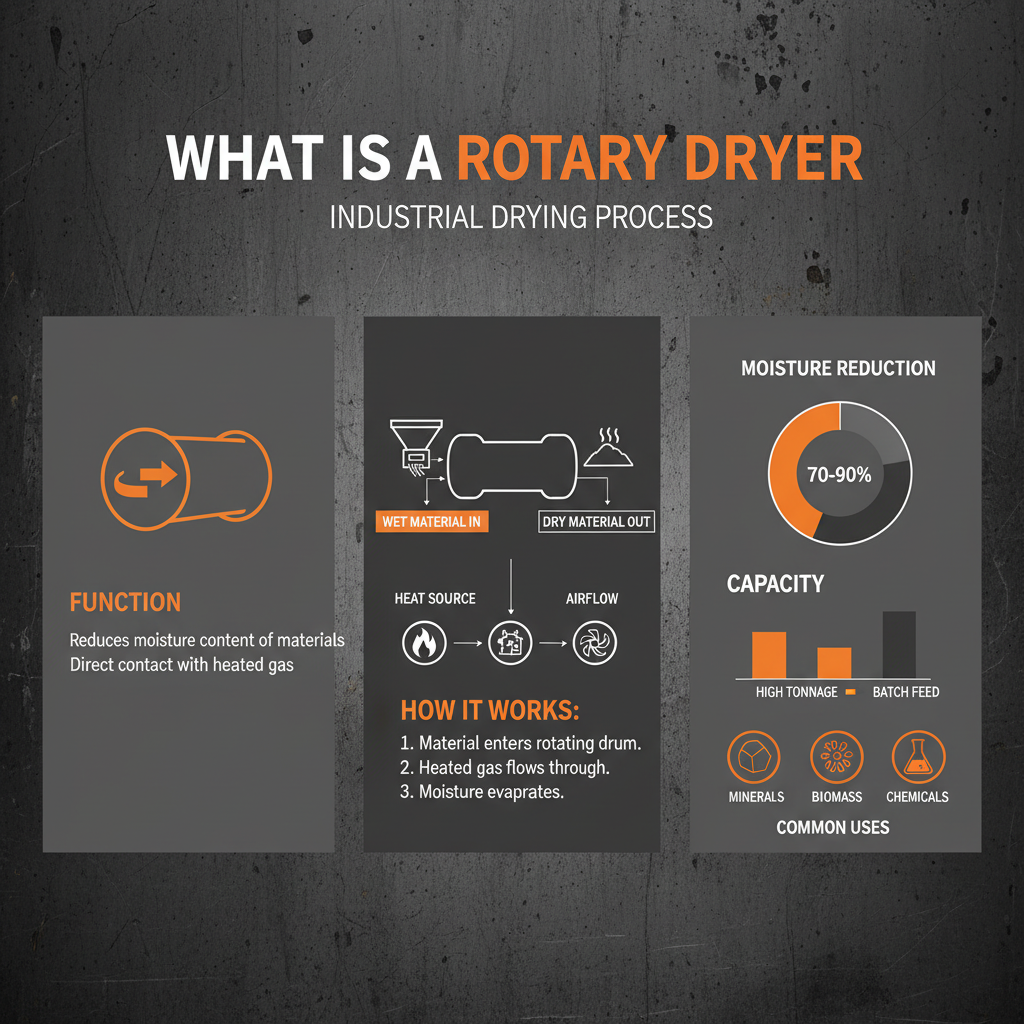
At its heart, a rotary dryer consists of a rotating cylindrical shell, typically constructed from steel. The material to be dried is fed into one end of the cylinder, and hot gas (usually air, but can also be combustion gases) is passed through it, either co-currently (with the material) or counter-currently (against the material). As the cylinder rotates, the material is lifted and cascaded, maximizing its exposure to the hot gas stream. This continuous mixing action promotes even drying. Internal flights, strategically positioned within the cylinder, further enhance mixing and material residence time, ensuring efficient moisture removal. The dried material is then discharged from the opposite end of the dryer.
Key Components: Rotating drum, heat source (burner, heated air), material feed system, discharge system, internal flights, dust collection system.
Rotary Dryer Applications: A Diverse Range of Industries
The versatility of rotary dryers makes them indispensable in numerous industries. The mining industry utilizes them for drying ores and concentrates. In agriculture, they are crucial for drying grains, fertilizers, and animal feed. Wood processing plants employ them to dry wood chips and sawdust. Chemical processing facilities use them for drying various powders and granules. The ability to handle a wide range of materials and particle sizes, coupled with relatively low operating costs, contribute to their widespread adoption. Muto Screen's rotary dryers are designed to handle diverse materials effectively.
Common Applications:
• Mining: Drying ores, concentrates, and tailings.
• Agriculture: Drying grains, fertilizers, and animal feed.
• Wood Processing: Drying wood chips, sawdust, and shavings.
• Chemical Processing: Drying powders, granules, and slurries.
Rotary Dryer Types: Choosing the Right Configuration
While the fundamental principle remains the same, rotary dryers come in several configurations to suit specific applications. Direct-heated dryers utilize a burner within the dryer shell, providing highly efficient heat transfer. Indirect-heated dryers employ an external heat source, such as a steam jacket or hot oil, minimizing dust emissions. Single-drum dryers are suitable for lower capacities, while multi-drum dryers handle larger volumes. The selection depends on factors like material characteristics, desired drying rate, and environmental regulations.
Benefits of Using a Rotary Dryer
Employing a rotary dryer offers several significant advantages. They provide continuous operation, maximizing throughput. Their robust construction ensures longevity and minimal maintenance. The ability to handle a diverse range of materials without significant adjustments is a key benefit. Effective drying reduces material weight, lowering transportation costs and improving storage efficiency. Furthermore, proper drying prevents spoilage and degradation, extending the shelf life of products. Selecting Muto Screen's rotary dryers can optimize these benefits.
Key Considerations When Selecting a Rotary Dryer
Several factors must be considered when choosing a rotary dryer. The material's characteristics, including particle size, moisture content, and thermal sensitivity, are paramount. The desired drying rate and production capacity will dictate the dryer's size and configuration. Energy efficiency and environmental regulations are also crucial considerations. Proper dust collection systems are essential to minimize emissions and maintain air quality. Finally, consider the availability of maintenance and support services from the dryer manufacturer. Muto Screen provides comprehensive support and customized solutions.
Conclusion: Optimizing Your Drying Process with a Rotary Dryer
The rotary dryer remains a cornerstone of industrial drying operations. Its efficiency, versatility, and reliability make it a valuable asset for businesses across diverse sectors. By carefully considering the factors outlined in this guide and partnering with a reputable supplier like Muto Screen, you can optimize your drying process and achieve significant operational improvements.
Frequently Asked Questions (FAQs)
What types of materials can a rotary dryer handle?
Rotary dryers are incredibly versatile and can process a wide range of materials. These include various minerals like limestone, clay, and iron ore; agricultural products such as grains, seeds, and fertilizers; wood by-products like sawdust and wood chips; and many chemical compounds in powder or granular form. The key is ensuring the material is free-flowing or can be adequately agitated within the dryer. Factors like abrasive properties and thermal sensitivity need to be considered to select the appropriate dryer materials and operating parameters. Muto Screen specializes in designing dryers for challenging materials.
What is the typical thermal efficiency of a rotary dryer?
The thermal efficiency of a rotary dryer typically ranges from 30% to 70%, depending on various factors. These include the type of dryer (direct or indirect heated), the material being dried, the inlet and outlet temperatures, and the dryer’s design. Direct-heated dryers generally have lower thermal efficiency than indirect-heated dryers due to heat losses through the exhaust gases. However, direct-heated dryers often have lower initial costs. Optimizing air-to-material ratios and utilizing waste heat recovery systems can significantly improve efficiency.
How important is dust control in a rotary drying system?
Dust control is critically important in rotary drying systems, for both environmental and safety reasons. Fine particles released during the drying process can create air pollution, pose health hazards, and represent a loss of valuable product. Effective dust control systems typically include cyclones, baghouses, or scrubbers to capture and remove dust from the exhaust gas stream. Proper design and maintenance of these systems are essential to ensure compliance with environmental regulations and maintain a safe working environment. Muto Screen integrates advanced dust control technologies into its dryer designs.
What maintenance is typically required for a rotary dryer?
Regular maintenance is crucial for ensuring the reliable operation and longevity of a rotary dryer. Key maintenance tasks include inspecting and lubricating bearings, checking the condition of internal flights, monitoring the burner system (for direct-heated dryers), and maintaining the dust collection system. Periodic inspections for wear and tear on the shell and seals are also essential. A well-defined preventative maintenance schedule can minimize downtime and extend the dryer's lifespan. Muto Screen offers comprehensive maintenance services and spare parts.