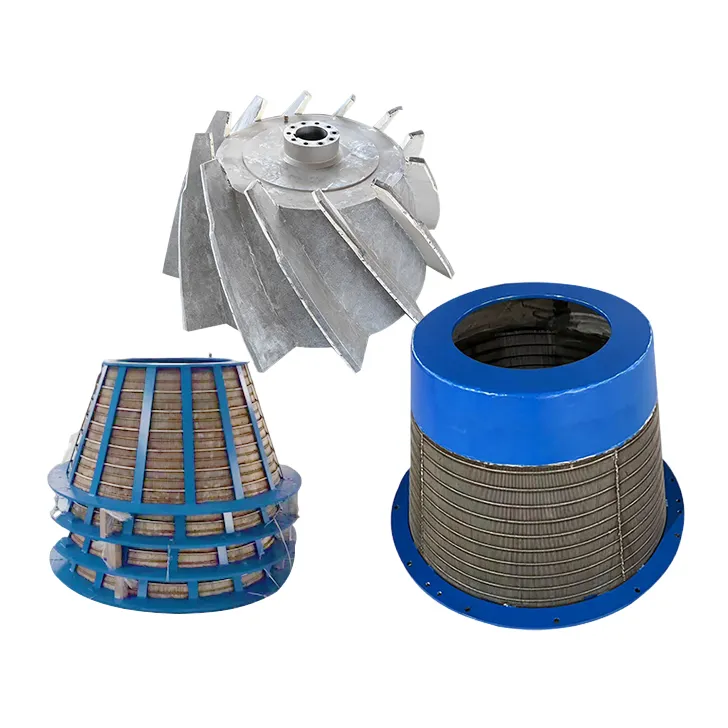
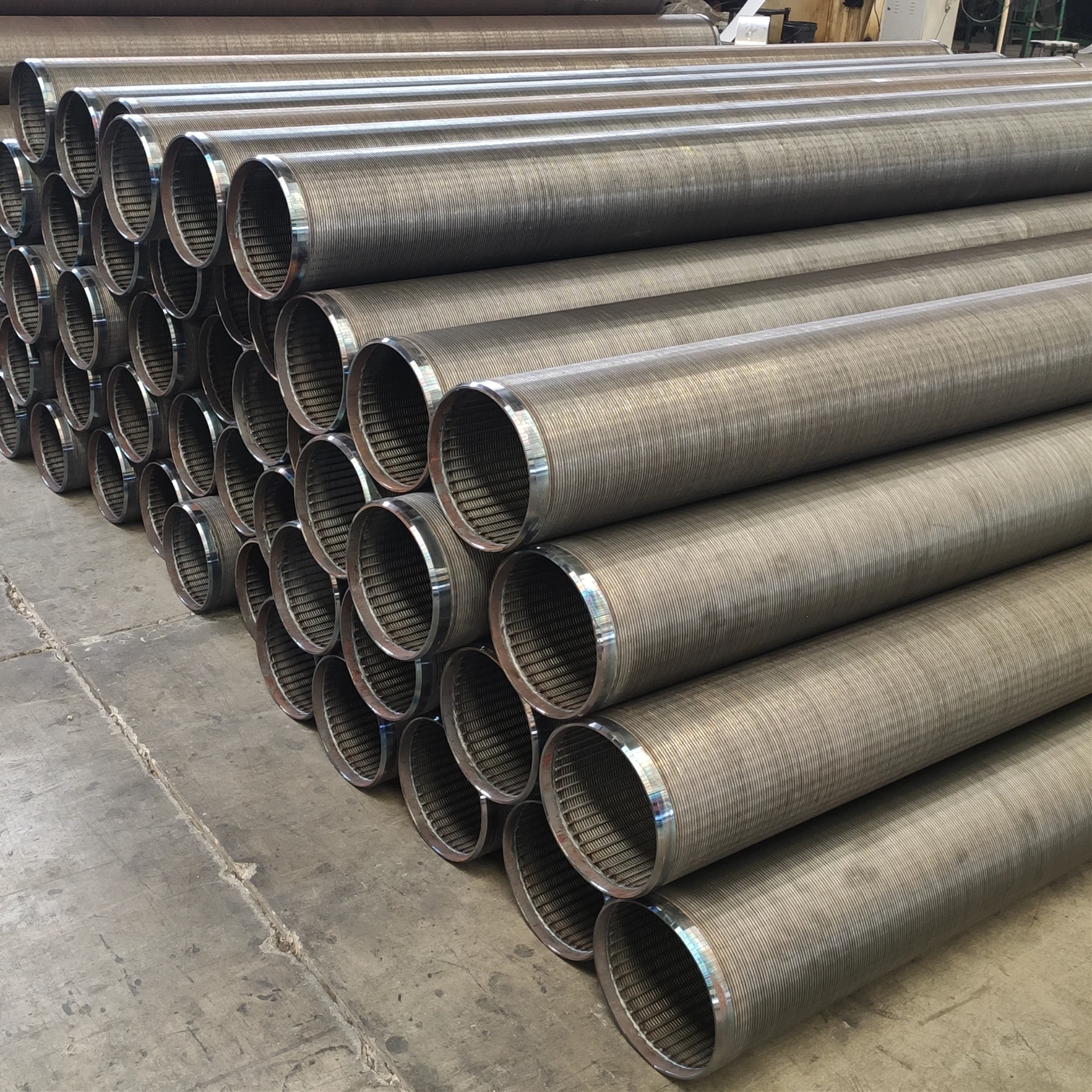
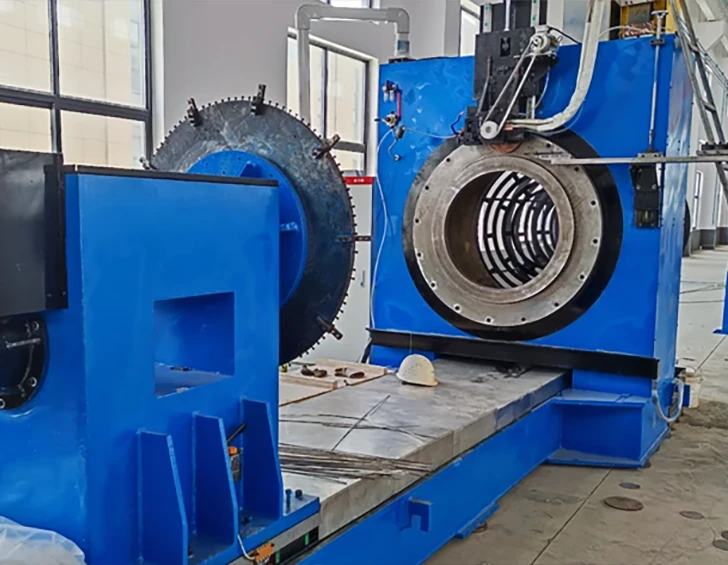

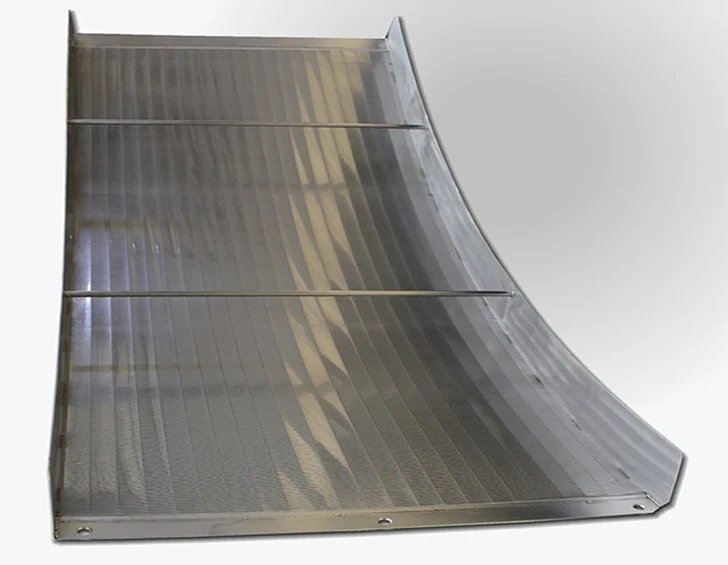
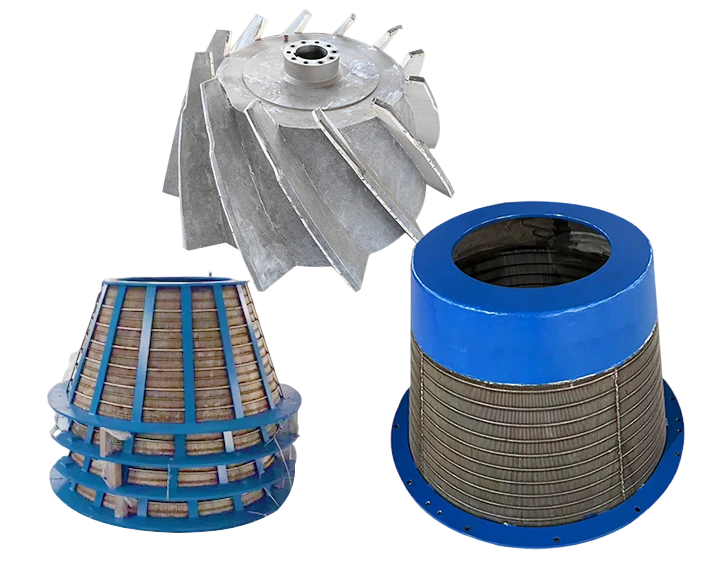
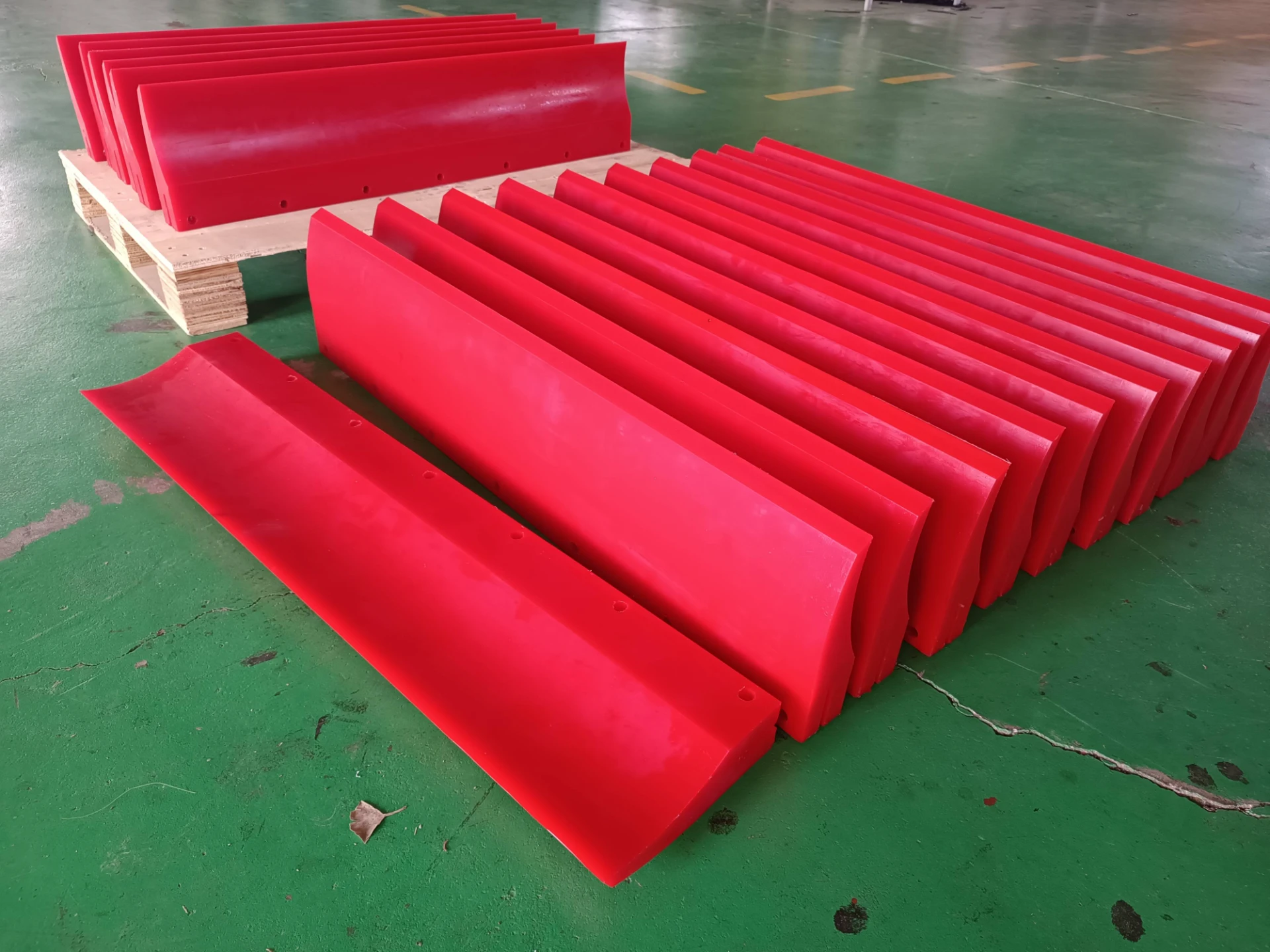
Efficient Scraper Centrifuge Unloaders from Well Screen Manufacturers
Maintaining the continuous operation of centrifugal separation systems often hinges on the efficiency of the discharge process. The scraper centrifuge unloader is specifically engineered to solve the challenge of material accumulation in cyclones and centrifuges, where density-based separation typically results in settled solids that can impede flow and cause costly downtime. By integrating a precise mechanical scraping action, this equipment ensures that separated solids are removed consistently without interrupting the primary separation cycle.
For engineers in mineral extraction and chemical processing, selecting the right unloading mechanism is critical to preventing clogging and simplifying maintenance. Whether managing gold mining tailings or wastewater sludge, the objective is to maximize throughput while minimizing manual intervention. This guide examines the technical design, material selection, and operational logic of high-performance unloaders to help operators optimize their separation workflows.

Mechanical Principles of Centrifugal Solids Discharge
The scraper centrifuge unloader operates on the principle of continuous displacement. In a centrifugal environment, materials are forced against the bowl wall based on their density. While the clarified liquid is easily discharged via overflow weirs, the heavier solids adhere to the periphery. The unloader utilizes a mechanical scraper mechanism that traverses the inner circumference of the bowl, physically pushing the settled cake or slurry toward the discharge outlet.
This synergy between centrifugal force and mechanical scraping eliminates the need for batch-style emptying, which typically requires the machine to stop. By maintaining a constant removal rate, the system prevents the "packing" effect, where solids become so compressed that they restrict the flow of the remaining liquid, thereby maintaining the efficiency of the sedimentation process.
- Continuous Removal: Eliminates intermittent shutdowns for manual cleaning.
- Density Optimization: Specifically targets the heaviest fraction of the separated material.
- Flow Stability: Ensures the liquid overflow remains constant by preventing solid buildup.

Material Specifications and Corrosion Resistance
Given that centrifugal unloaders are frequently exposed to abrasive minerals or corrosive chemicals, material integrity is the primary factor in equipment longevity. The most common choice is high-grade stainless steel, specifically SS304 or SS316. These materials provide the necessary tensile strength to withstand the torque of the scraping mechanism while offering superior resistance to oxidation and chemical attack.
In applications such as wastewater treatment or chemical manufacturing, the risk of pitting and stress corrosion cracking is high. The use of stainless steel ensures that the scraper blades do not degrade rapidly when contacting acidic or alkaline slurries. Furthermore, the precision of the assembly—ensuring a tight tolerance between the scraper blade and the bowl wall—is essential to prevent material "slip" and ensure a clean discharge in every rotation.
Industrial Application Scenarios and Requirements
The versatility of the scraper centrifuge unloader makes it indispensable across several heavy-industry sectors. In gold mining and coal preparation, it is used to manage the heavy mineral concentrates separated from the slurry. The ability to handle abrasive particles without excessive wear on the scraper is critical for these operations.
In the food processing and chemical sectors, the focus shifts toward hygiene and purity. Here, the unloader must be designed to avoid stagnant zones where bacteria or chemical residues could accumulate. The continuous discharge of clarified liquid through adjustable outlets allows for precise control over the moisture content of the discharged solids, which is often a key requirement for subsequent drying or disposal processes.
- Mineral Extraction: High-abrasion resistance for tailings and concentrates.
- Water Treatment: Efficient sludge removal for continuous clarification.
- Chemical Plants: Corrosion-proof construction for hazardous reagent separation.
Technical Selection Matrix for Centrifuge Unloaders
| Parameter | Standard Range | Material Choice | Performance Impact |
|---|---|---|---|
| Bowl Diameter | 300 mm to 1200 mm+ | Stainless Steel | Determines total throughput capacity |
| Construction Material | SS304 / SS316 | Corrosion Resistant | Directly affects service life in acids |
| Solids Discharge | Mechanical Scraper | Hardened Alloy | Prevents clogging and downtime |
| Liquid Discharge | Overflow Weir | Precision Machined | Controls clarity of the overflow |
| Operation Mode | Continuous | Automated Drive | Maximizes operational efficiency |
Evaluating Supplier Capabilities for Filtration Equipment
When sourcing discharge equipment, it is vital to evaluate the manufacturer's integrated capabilities. A provider that understands the entire filtration chain—from wedge wire screens to final discharge—can offer a more cohesive solution. Key considerations include the manufacturer's ability to perform feasibility analysis and process design, ensuring the unloader is correctly matched to the centrifugal force and material viscosity of the specific project.
Reliability in the field is often a result of rigorous testing and assembly control. The removal of impurities during assembly and the precision of the component fit determine whether the scraper will operate smoothly or create vibration that could damage the centrifuge bowl. Professional technical support and on-site commissioning are essential for complex installations to ensure the equipment reaches its rated efficiency.
Operational Maintenance and Longevity Strategies
To extend the lifespan of a scraper centrifuge unloader, a proactive maintenance schedule is required. The primary wear point is the scraper blade; regular inspection for thinning or pitting is necessary to avoid scraping the inner wall of the bowl, which could lead to catastrophic failure. Depending on the abrasiveness of the material, blade replacement intervals should be established based on operational hours.
Additionally, ensuring the drive mechanism is properly lubricated and that the liquid overflow weir remains clear of debris will optimize performance. For organizations operating in remote mining sites, maintaining a stock of critical spare parts and receiving comprehensive training on maintenance procedures can reduce unplanned outages and ensure the separation process remains continuous and profitable.
Technical Questions on Centrifuge Unloading
What is the primary advantage of a scraper unloader over batch discharge?
The primary advantage is the ability to operate continuously. Batch discharge requires the centrifuge to stop, slowing down the entire production line, whereas the scraper removes solids while the machine is running.
Which material is best for highly acidic chemical separation?
Stainless steel SS316 is generally recommended for acidic environments due to its higher molybdenum content, which provides better resistance to pitting and corrosion compared to SS304.
How does bowl diameter affect the choice of unloader?
Bowl diameter determines the surface area that needs to be scraped. Larger diameters (up to 1200mm+) require more robust drive mechanisms to maintain constant torque across the wider scraping radius.
Can these unloaders be customized for specific mineral types?
Yes, customization typically involves adjusting the scraper blade material for hardness (to combat abrasion) and modifying the discharge outlet to suit the flow characteristics of the specific solid.
What causes common failures in scraper mechanisms?
The most common failures are caused by excessive wear on the blades or the entry of foreign hard objects into the bowl, which can bend the scraper or damage the bowl wall.
How is the clarified liquid managed during the scraping process?
The clarified liquid is continuously discharged through an overflow weir or an adjustable outlet, ensuring that the scraping of solids does not interfere with the liquid recovery.
Industrial Technical References
- Centrifugal Separation Principles and Applications
- International Standards for Stainless Steel Equipment
- Wastewater Sludge Management Guidelines
- Mineral Processing and Tailings Discharge Tech
For professional guidance on integrating scraper centrifuge unloaders into your existing separation plant, consult with a specialist to ensure the material specifications and bowl dimensions match your process requirements.
Related Industrial Solutions