
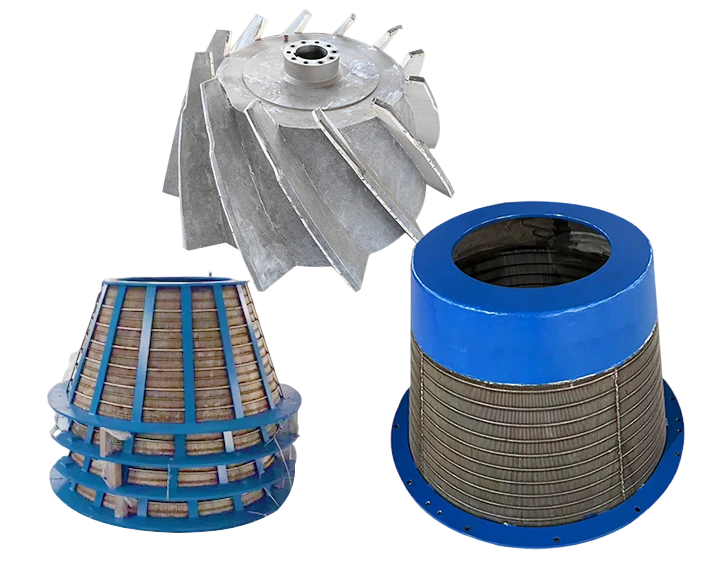
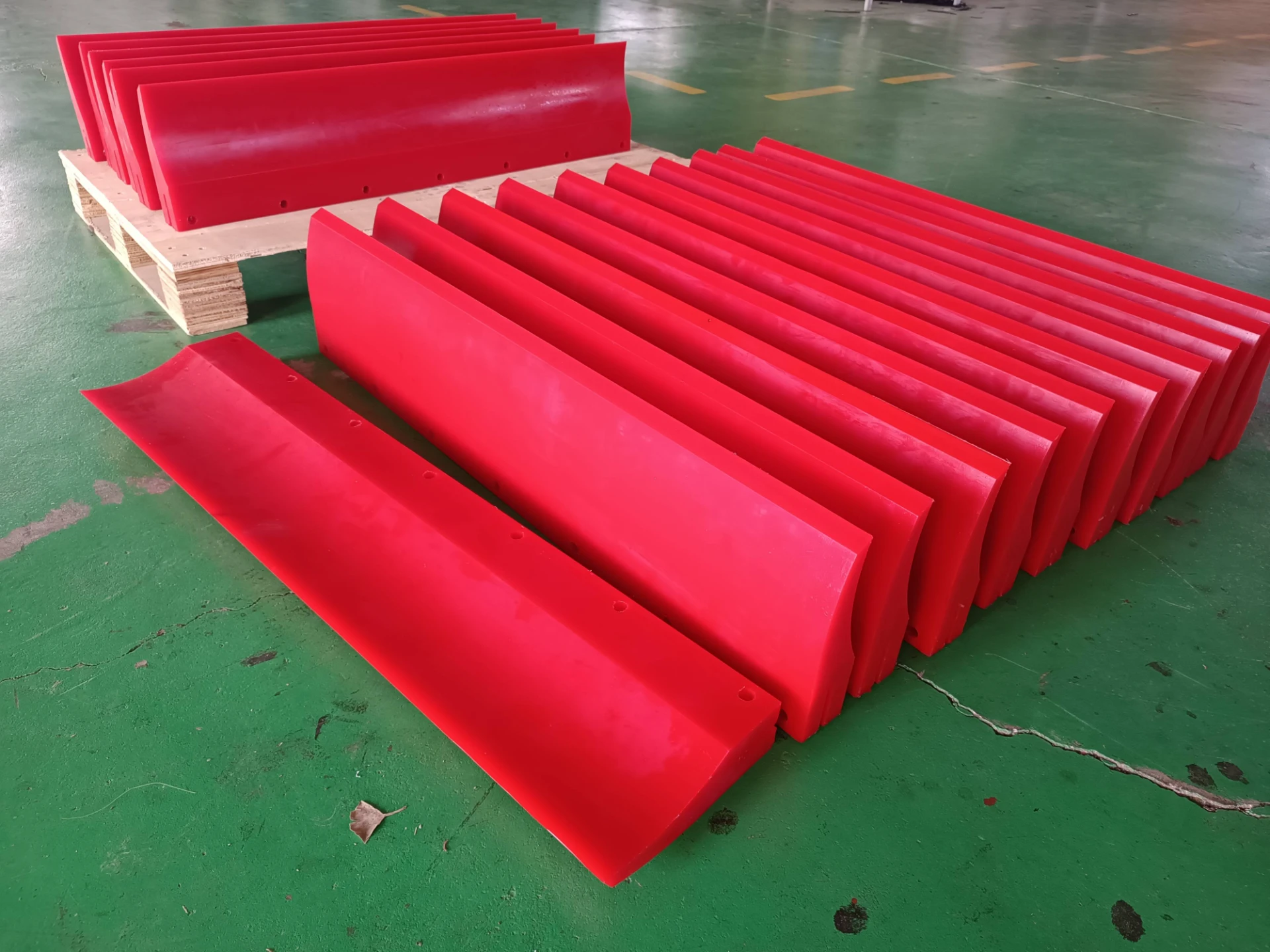
Reliable Polyurethane Blind Plate Well Screen Manufacturer
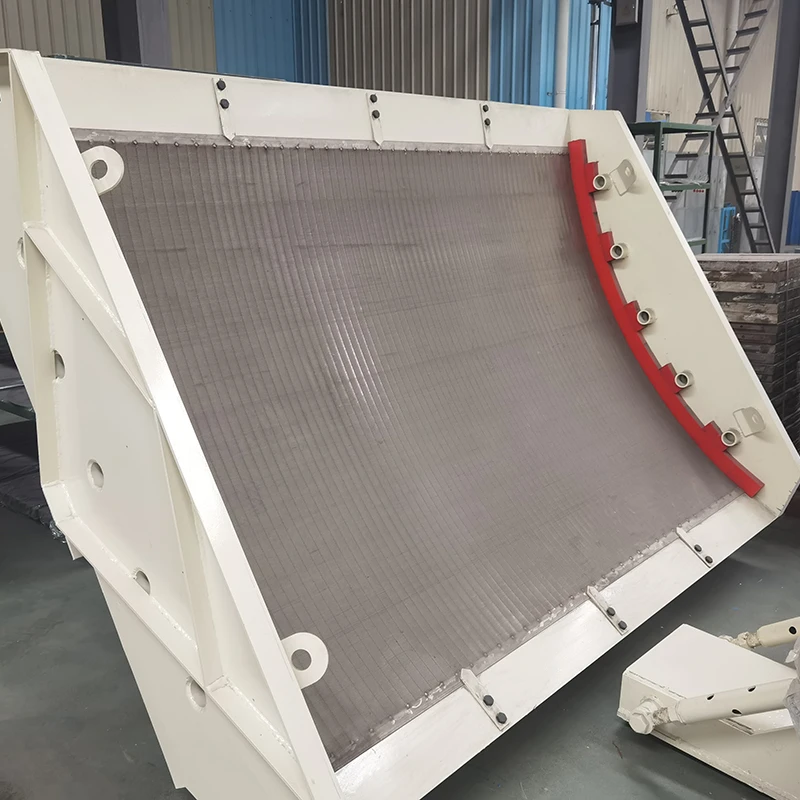
In high-intensity mining and coal washing operations, the efficiency of granular material separation often hinges on the durability of the screen's end components. Polyurethane blind plates serve as critical structural interfaces, specifically engineered to manage material flow at the feed and discharge ends of screening equipment. By replacing traditional metal plates with advanced elastomeric materials, operators can significantly mitigate the impact of abrasive ores and corrosive slurries, which typically cause premature failure in standard setups.
These components are not merely passive barriers; they are precision-engineered tools designed to optimize the transition of materials. Whether utilized as a feed blind plate to distribute incoming loads evenly or a discharge blind plate to ensure clean material exit, the integration of polyurethane provides a unique balance of flexibility and hardness. For procurement managers and plant engineers, selecting a reliable well screen manufacturer ensures that these components are tailored to specific vibration frequencies and material densities, directly impacting the overall uptime of the screening circuit.

Technical Advantages of Polyurethane Over Traditional Sieve Plates
The transition toward polyurethane in blind plate manufacturing is driven by the material's inherent resistance to wear and corrosion. Unlike carbon steel or stainless steel, which can suffer from oxidative stress and abrasive pitting in wet mining environments, polyurethane maintains its structural integrity under constant frictional contact. This durability is complemented by superior vibration absorption and noise reduction capabilities, which protect the primary screen frame from fatigue stress and create a safer acoustic environment for onsite personnel.
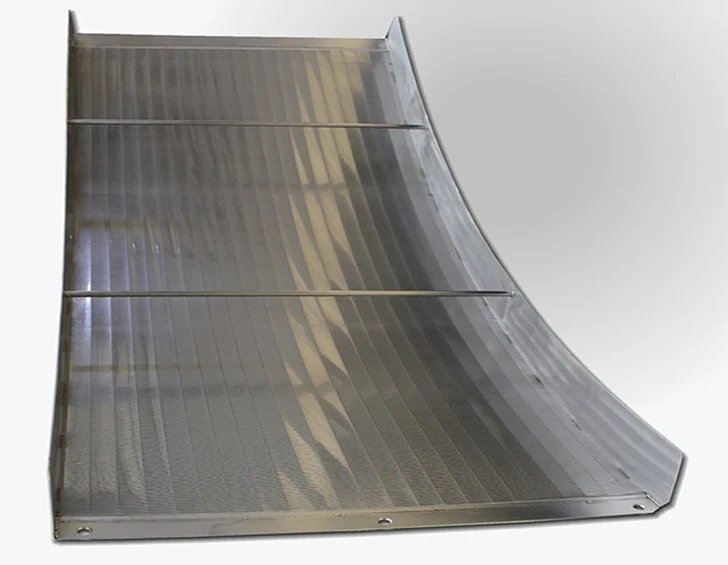
One of the most significant technical breakthroughs is the implementation of a unique slit structure design. This geometry enables a self-cleaning effect, effectively preventing the "blinding" or clogging that frequently plagues traditional plates. When combined with a high opening rate—often exceeding traditional alternatives by more than 30%—the processing capacity per unit area is substantially increased. In practical terms, this allows plants to increase their total production capacity by up to 40% without expanding the physical footprint of their screening machinery.

Strategic Application in Coal Washing and Mineral Processing
Polyurethane blind plates are indispensable in environments where material classification must be precise and continuous. In coal washing plants, they are primary tools for dehydration and desliming, ensuring that the fine particles are separated from the coarser product without compromising the flow rate. The ability to withstand chemical corrosion makes them particularly suitable for processes involving aggressive leaching agents or high-salinity groundwater.
The application logic follows a specific operational requirement: the feed blind plate must withstand the initial high-impact energy of raw ore, while the discharge blind plate must ensure that the classified material exits the screen without recirculation. By customizing the hardness (Durometer) of the polyurethane, the plates can be tuned to the specific characteristics of the granular material, whether it be highly abrasive quartz or softer coal deposits, ensuring optimal product classification and reduced wear on the surrounding equipment.
Manufacturing Precision and Quality Control Standards
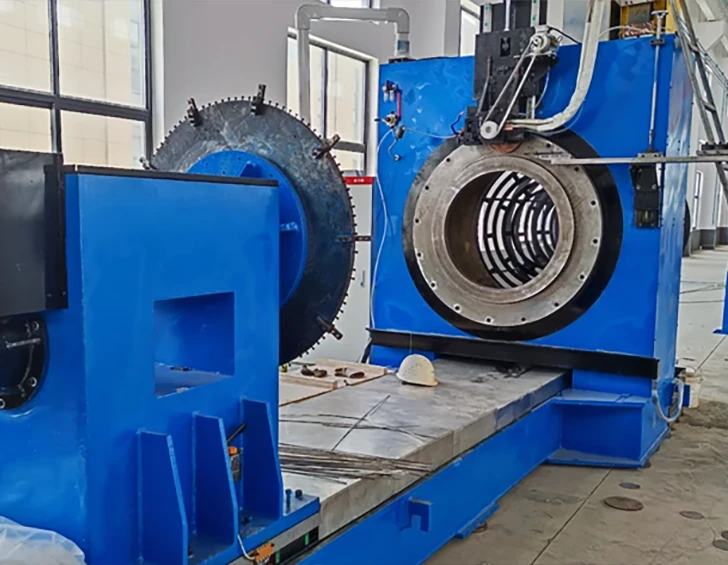
Producing high-performance blind plates requires a rigorous manufacturing sequence. The process begins with precise material selection, where polyurethane grades are chosen based on the expected chemical exposure and mechanical stress. Following the molding or cutting phase, the critical step is assembly. Precise control over dimensions is mandatory to ensure a seamless fit within the screen frame; any gap can lead to material leakage and accelerated wear of the support structures.
Quality assurance involves multi-stage testing. Every component is inspected for foreign bodies and impurities, such as cotton wool or metal fragments, which could compromise the screening effect or lead to premature tearing. At MUTO, this is managed through a specialized testing area where products are validated for dimensional accuracy and material consistency before packing and loading, ensuring that each shipment meets the strict tolerances required for industrial mining applications.
Performance Comparison: Polyurethane vs. Traditional Metal Plates
| Feature | Traditional Steel Plate | Polyurethane Blind Plate | Operational Impact |
|---|---|---|---|
| Wear Resistance | Medium (Subject to Pitting) | High (Elastomeric Wear) | Extended Replacement Cycle |
| Opening Rate | Standard | +30% Higher | Increased Throughput |
| Noise Level | High (Metal-on-Metal) | Low (Vibration Damping) | Improved Worker Safety |
| Clogging Risk | High (Easy Blinding) | Low (Self-Cleaning Slits) | Stable Screening Efficiency |
| Corrosion Resistance | Limited (Requires Coating) | Excellent (Inherent) | Lower Maintenance Costs |
Buyer's Guide for Selecting Industrial Screening Components
When evaluating a supplier for blind plates, procurement managers should look beyond the unit price and focus on the Total Cost of Ownership (TCO). A high-quality polyurethane plate may have a higher initial cost but reduces downtime through longer service intervals and increased production capacity. Key evaluation criteria should include the supplier's ability to provide customized slit designs and their track record in handling materials specific to the buyer's ore type.
It is also essential to verify the supplier's technical support capabilities. Because every screening plant has unique vibration profiles, the ability to receive project consultancy and feasibility analysis is invaluable. A partner that offers a comprehensive service—from equipment model selection to installation and commissioning—can prevent common implementation errors, such as improper tensioning or incorrect material hardness selection, which can lead to premature component failure.
Future Trends in Elastomeric Screening Technology
The industry is moving toward "smart" screening solutions where materials are engineered for specific particle shapes and sizes. We are seeing a trend toward modular polyurethane designs that allow for rapid replacement of high-wear zones without dismantling the entire screen. This modularity, combined with advancements in synthetic polymer chemistry, is expected to further increase the lifespan of blind plates in extremely aggressive chemical environments.
Furthermore, the integration of digital monitoring to track wear patterns in real-time is becoming a priority for large-scale mining operations. By analyzing the degradation of the blind plate, operators can move from reactive maintenance to predictive maintenance, scheduling replacements during planned outages. This evolution ensures that the screening efficiency remains at its peak, maximizing the recovery rate of valuable minerals while minimizing operational risk.
Frequently Asked Questions About Polyurethane Blind Plates
What is the primary difference between a feed blind plate and a discharge blind plate?
The feed blind plate is installed at the entry point of the screen to manage the initial impact and distribute material, while the discharge blind plate is located at the exit to facilitate the clean removal of classified materials.
How does the "self-cleaning ability" of polyurethane plates work?
Through a unique slit structure design and the inherent elasticity of polyurethane, the plates resist the adhesion of sticky materials and use vibration to naturally shed particles, preventing clogging.
Can polyurethane blind plates handle highly corrosive chemicals?
Yes, polyurethane is inherently resistant to many corrosive agents found in mining and coal washing, making it a superior choice over untreated metal plates in such environments.
By how much can production capacity be increased using these plates?
Due to a higher opening rate (over 30% more than traditional plates), production capacity can be increased by more than 40% per unit area.
What should I consider when choosing a supplier for these components?
Look for a manufacturer that provides complete services, including project consultancy, material selection based on your specific ore, and a robust warranty for both materials and machinery.
What is the typical warranty period for industrial screens?
Warranty periods typically range from 3 to 12 months depending on the material used; it is recommended to contact the manufacturer for specific terms based on your application.
Technical Resources and Industry Standards
- ISO Standards for Industrial Filtration and Screening
- Research on Elastomeric Wear in Mining Applications
- Mineral Processing Equipment Efficiency Guides
- ASTM Standards for Polyurethane Material Testing
Optimizing your screening process requires a combination of high-performance materials and precision engineering. If you are seeking to increase your plant's throughput or reduce maintenance downtime, our team of experts is ready to provide a tailored filtration solution. Contact us today for a professional technical consultation.
Related Industrial Screening Insights