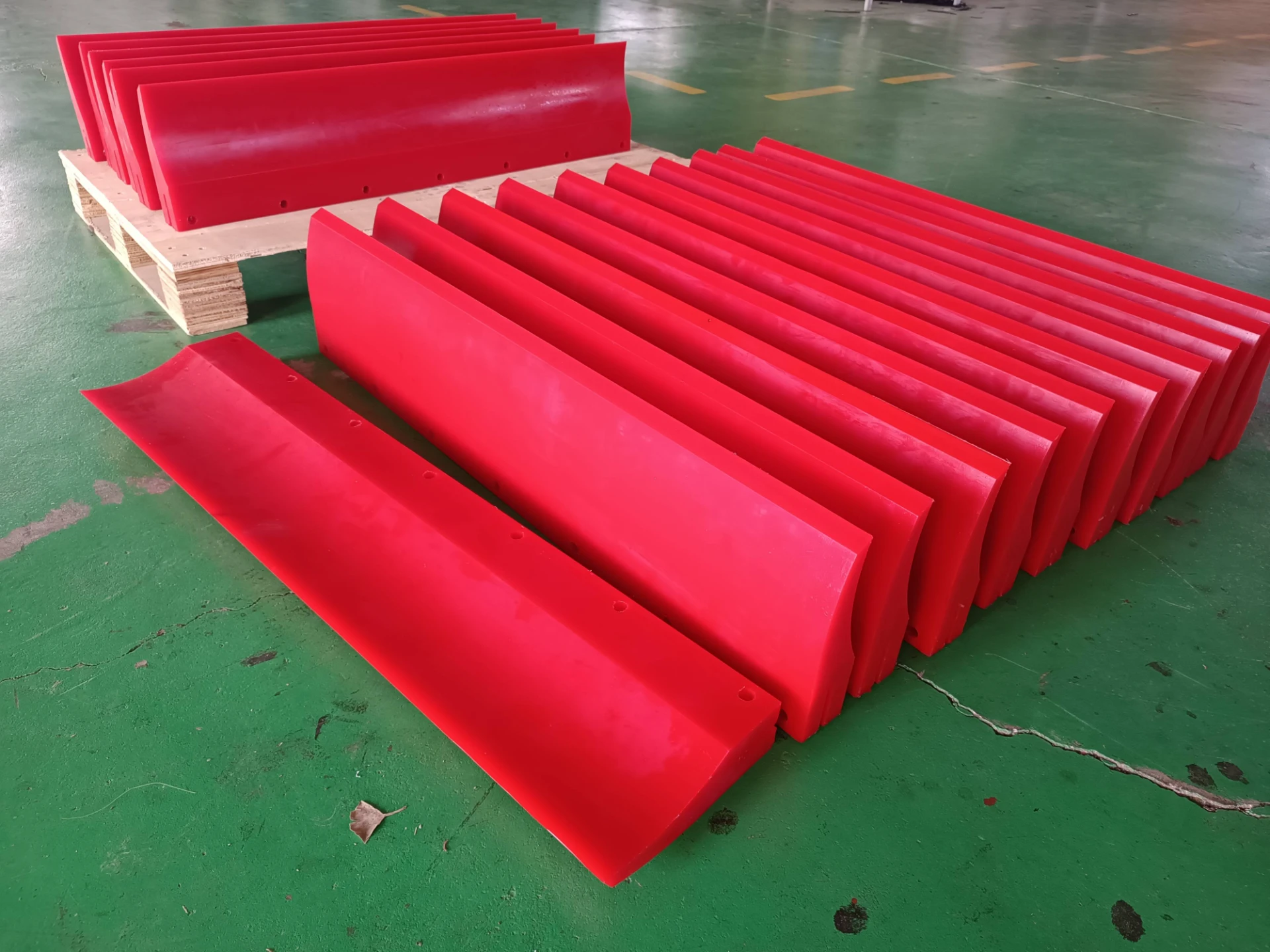
Reliable Flip Flow Screen Manufacturer for Industrial Mining
When dealing with moist, sticky, or cohesive materials, standard vibrating screens often suffer from blinding and clogging, which severely halts production. The flip flow screening mechanism addresses this by creating a unique "flipping" motion that constantly self-cleans the screen surface. For operators in the mining and chemical sectors, selecting a reliable flip flow screen manufacturer is not just about buying hardware, but about implementing a solution that maintains throughput regardless of material moisture. By integrating high-performance backing plates and precision-engineered screen frames, this technology ensures that materials are classified accurately without the need for constant manual intervention, significantly reducing downtime and operational costs.

The Critical Role of Backing Plates in Vibrating Screen Stability
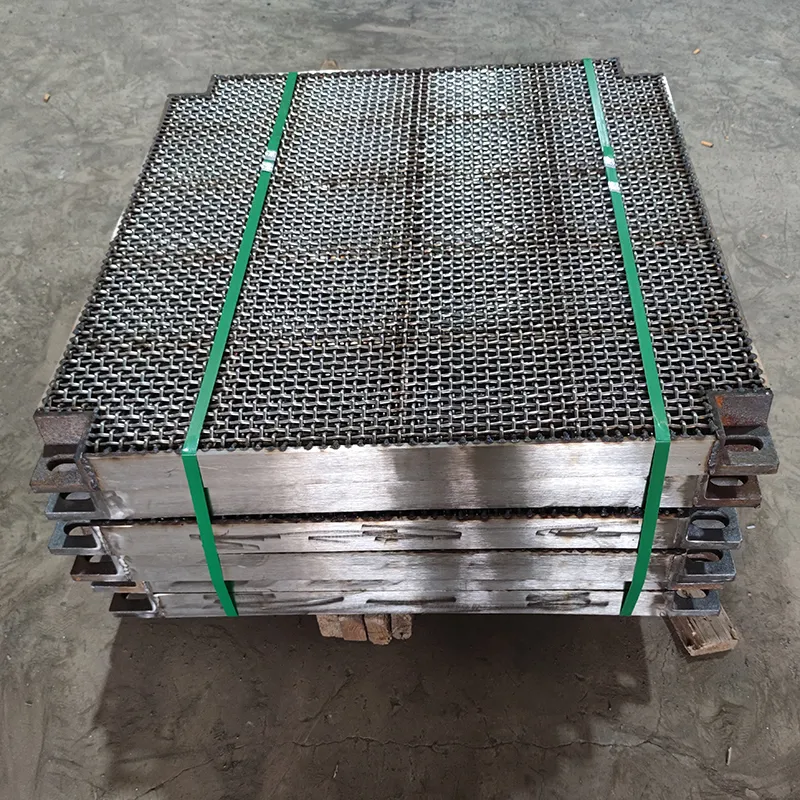
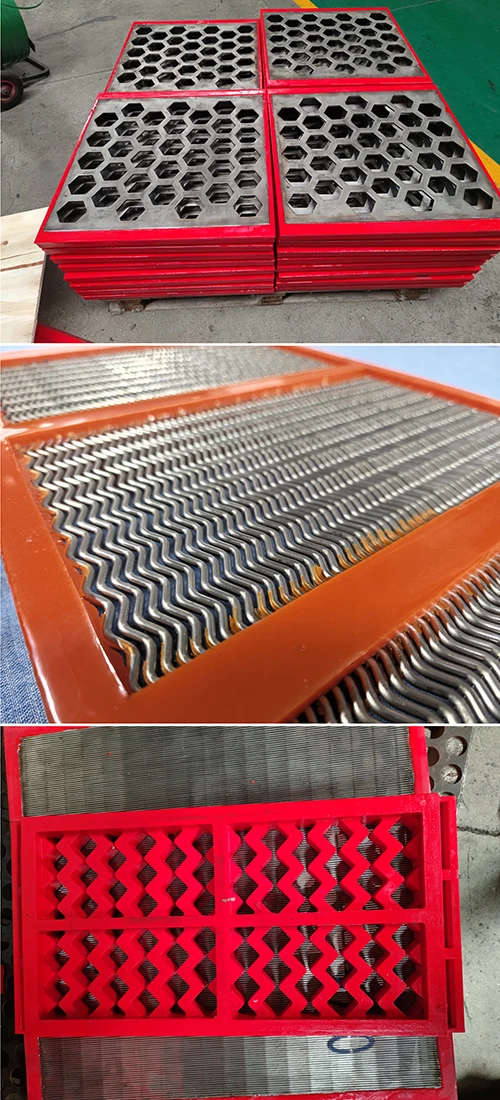
A vibrating screen is only as effective as its structural support. The backing plate serves as the primary foundation, designed specifically to support the screen mesh and prevent deformation under the intense stress of continuous vibration. Without a precision-engineered backing plate, the screen can sag or warp, leading to inaccurate aperture sizes and a total loss of screening efficiency.
By firmly fixing the screen between the back liner and the screen frame, the stability of the entire system is ensured. This tight fit is essential for preventing "leakage"—where material bypasses the screen and escapes from the rear—which would otherwise compromise the purity of the classified material. Furthermore, the backing plate acts as a shock absorber, slowing down the direct impact forces of heavy materials on the screen surface, thereby extending the operational service life of the consumable components.

Manufacturing Precision and Material Integrity in Screen Production
The durability of industrial screens depends heavily on the synergy between material selection and processing technology. High-grade stainless steel wire is frequently used for its corrosion resistance, but the manufacturing process involves much more than simple weaving. It requires a disciplined sequence of drawing, cutting, bending, and precision welding to ensure every component meets stringent tolerances.
Assembly is the most critical phase of production. At this stage, the size and material of individual components must be controlled precisely. A key quality requirement is the absolute removal of foreign bodies, such as cotton wool or stray screws, during assembly; any impurity left behind can disrupt the screening effect or cause premature wear. Once assembled, products undergo rigorous testing in specialized areas before packing and loading to ensure they perform as expected in harsh industrial environments.
Application Scenarios for High-Efficiency Filtration Solutions
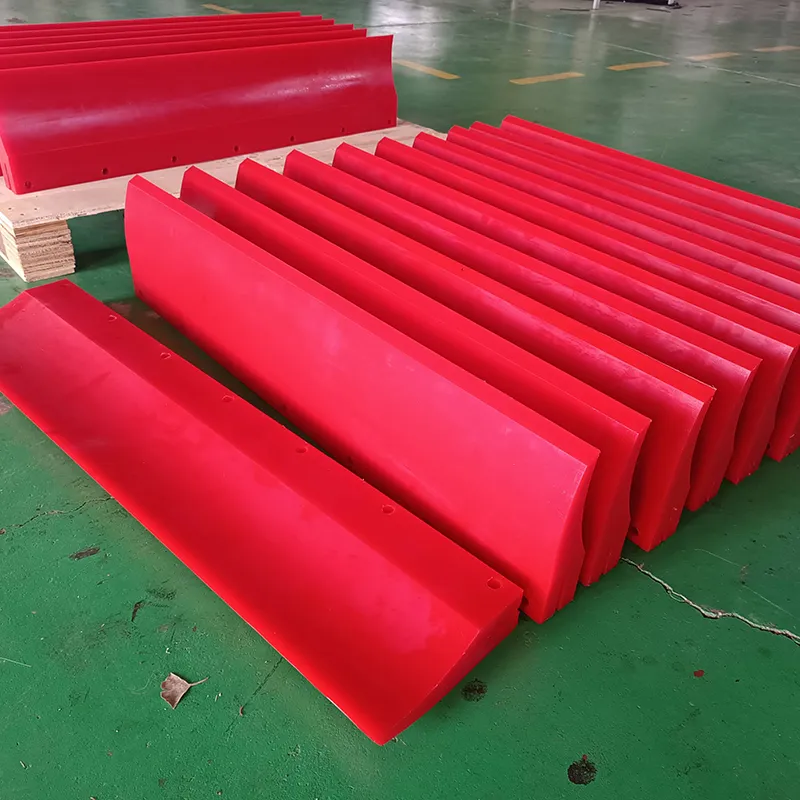
Industrial sieving is applied across various demanding environments, from mineral processing to chemical filtration. In mining, the ability to handle abrasive ores requires screens with high tensile strength and impact resistance. In the chemical industry, the focus shifts toward synthetic materials and plastics that can withstand corrosive agents while maintaining precise separation thresholds.
For projects requiring complex installations, a comprehensive service approach is necessary. This includes project consultancy, feasibility analysis, and process design. Selecting the correct equipment model is not a one-size-fits-all process; it requires an analysis of the material's flow rate, moisture content, and desired particle size distribution. The goal is to create a system where the screening equipment, including the backing plates and filters, works in harmony to maximize recovery rates.
Screening Component Selection Criteria
| Feature | Woven Steel Mesh | Wedge Wire Screen | Polyurethane Sieve | Perforated Sheet |
|---|---|---|---|---|
| Wear Resistance | Medium | High | Very High | Medium |
| Corrosion Resistance | High (SS) | Very High | High | Medium |
| Clogging Risk | High | Low | Medium | Medium |
| Structural Rigidity | Low | High | Medium | High |
| Customization | High | High | Medium | High |
Evaluating Supplier Capability and Technical Support
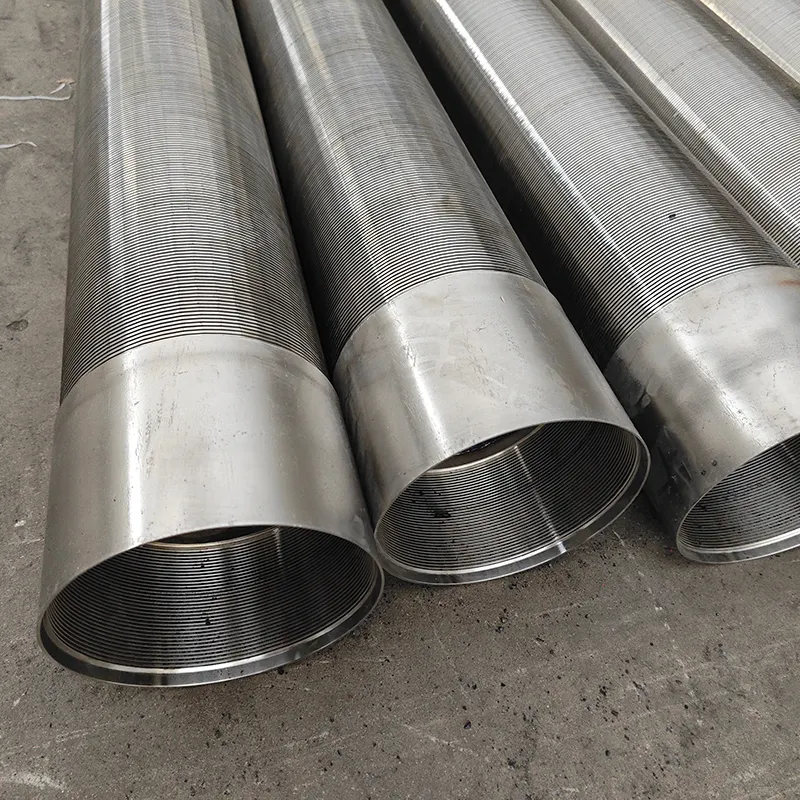
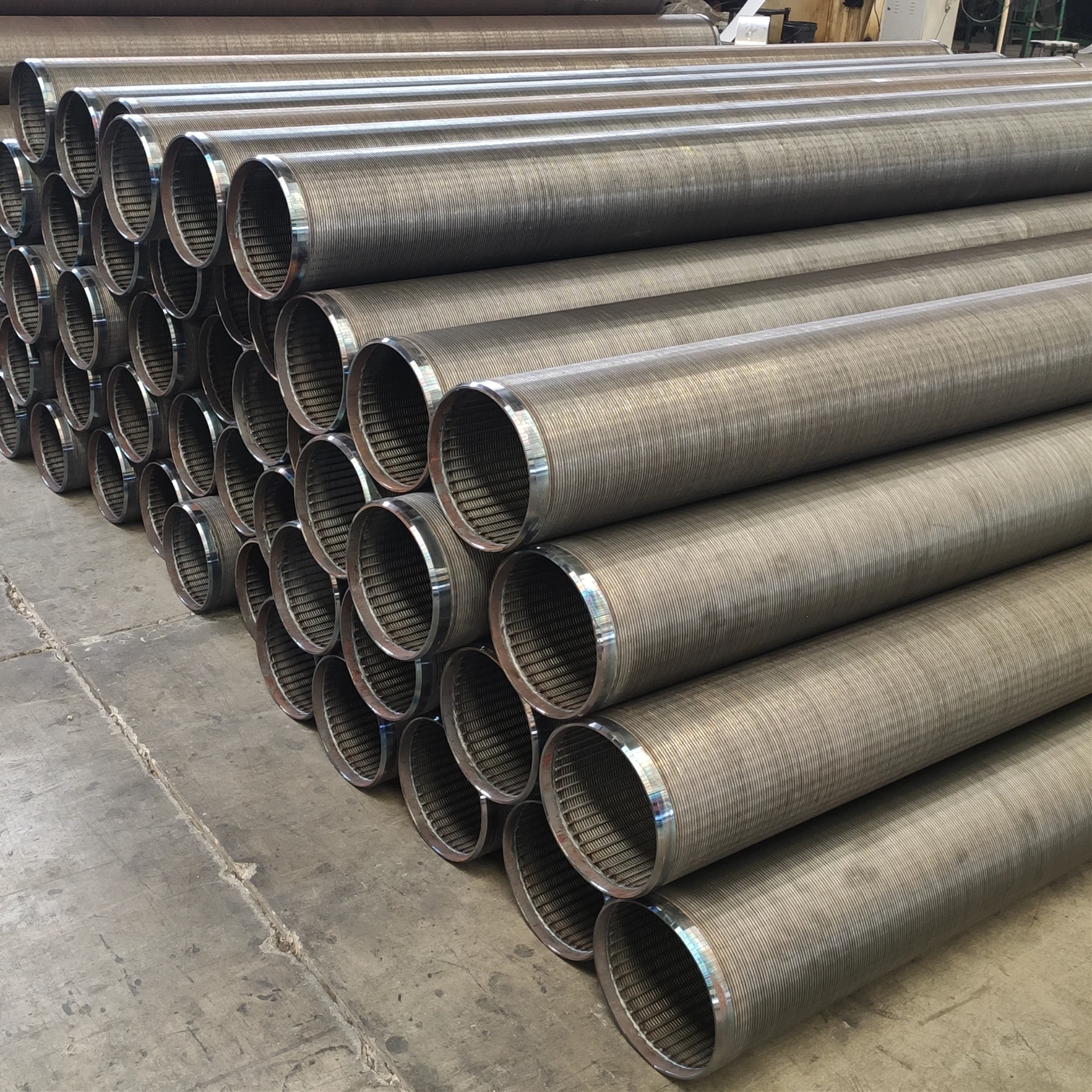
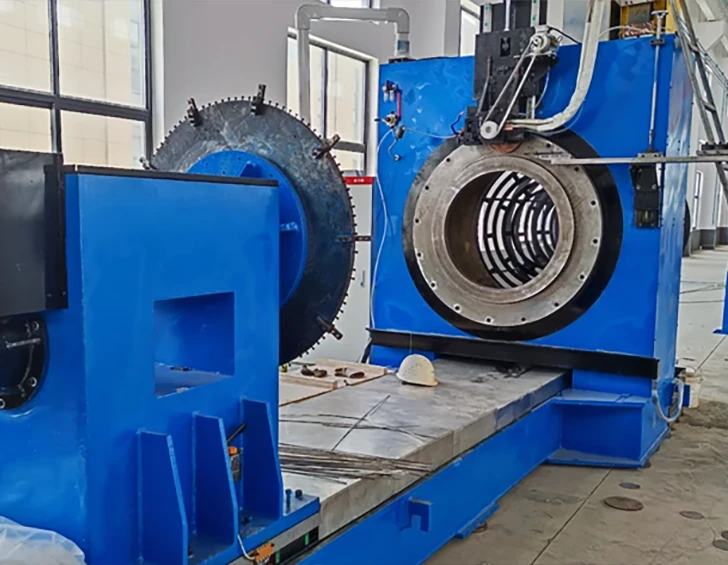
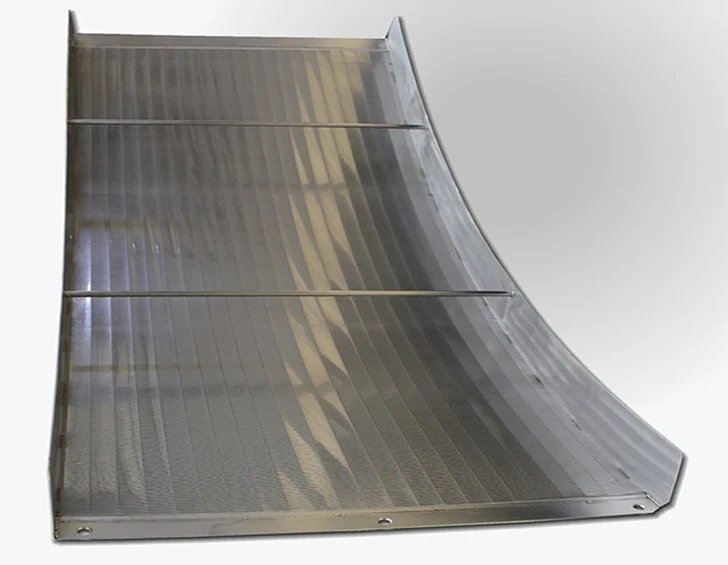
When sourcing industrial screens, buyers must look beyond the product catalog and evaluate the manufacturer's technical depth. A qualified supplier should provide a full lifecycle of service, starting from equipment design and manufacturing to installation, commissioning, and professional training. The presence of specialized welding workshops for wedge wire and mining screens indicates a level of investment in quality that generic traders cannot match.
After-sales support is a key differentiator in the B2B sector. Reliable providers offer warranties ranging from 3 to 12 months depending on the material, and for complex machinery, a full year of coverage. More importantly, the availability of on-site technical support for diagnosis and repair ensures that any operational failure is resolved quickly, minimizing the cost of unplanned downtime. A dedicated complaints handling department and a consistent supply of spare parts are hallmarks of a professional operation.
Future Trends in Industrial Screening Technology
The industry is moving toward "smart technology" to enhance product performance. This shift is evident in the increasing number of patents related to screen welding equipment and innovative sieve-based components. The integration of automated welding techniques allows for tighter tolerances and higher structural integrity, which is essential as industries push for higher throughputs and smaller particle separations.
Sustainability is also playing a role, with a growing demand for materials that offer longer life cycles and reduced replacement frequency. The development of hybrid screens—combining the strength of metal with the flexibility of synthetic polymers—represents the next frontier. For buyers, the focus will shift from the lowest initial cost to the lowest total cost of ownership (TCO), prioritizing durability and energy efficiency in their procurement strategies.
Technical Frequently Asked Questions
What is the primary purpose of a backing plate in a vibrating screen?
The backing plate provides essential structural support to the screen, preventing it from deforming or sustaining damage during high-frequency vibration. It ensures a tight fit within the frame to prevent material leakage and absorbs impact forces to extend the screen's life.
How does the material selection affect the life of an industrial filter?
Material selection is critical; stainless steel offers excellent corrosion resistance, while synthetic materials or plastics are used for specific chemical compatibility. The choice depends on the abrasiveness and chemical nature of the processed material.
Why is the assembly process considered a key step in screen manufacturing?
Assembly requires precise control over the size and placement of individual components. It is also the critical stage for removing impurities like screws or cotton wool, which could otherwise contaminate the process or cause screening failures.
What services should a professional screening solution provider offer?
A full-service provider should cover the entire project lifecycle: consultancy, feasibility analysis, process design, equipment selection, manufacturing, installation, commissioning, and staff training.
What warranty periods are typical for industrial screens and machinery?
Generally, screens carry a warranty of 3 to 12 months depending on the specific materials used, while the machinery and welding equipment typically come with a one-year warranty.
How can I prevent material from leaking through the rear of my screen?
The best way to prevent leakage is to ensure a tight fit between the backing plate and the screen frame, which ensures that the material is forced through the apertures and not around the edges of the screen.
Industry Technical References
- ISO Standards for Industrial Mesh and Screens
- ASTM International - Material Testing Standards
- Research on Particle Separation and Filtration Mechanisms
- Mineral Processing Technology Guidelines
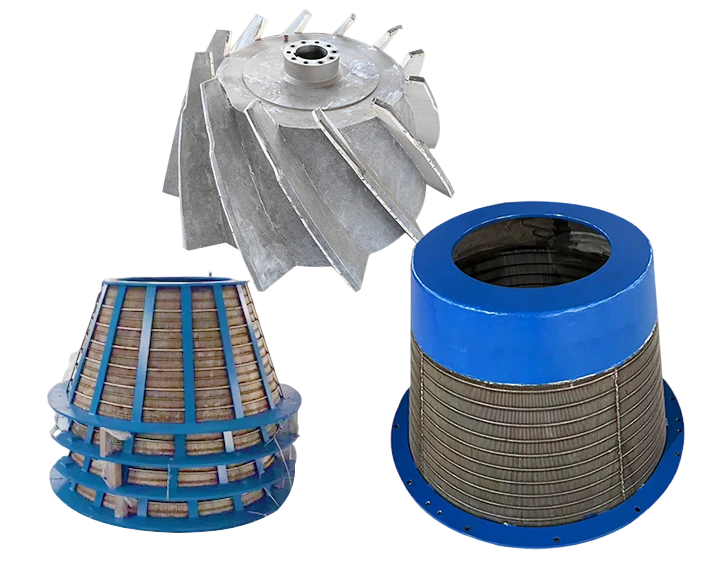
Selecting the right screening technology requires a balance of material science and mechanical engineering. Whether you need wedge wire screens, modular polyurethane sieves, or customized backing plates, partnering with a manufacturer that offers comprehensive technical support and a proven track record in precision welding is the key to operational success.
Related Filtration Solutions