Understanding Water Well Screen Pipe: What You Need to Know
Having spent over a decade working hands-on in the industrial equipment sector—specifically with groundwater solutions—I can say that water well screen pipes are deceptively simple in design but incredibly crucial. If you’re drilling or refurbishing a well, the screen pipe often determines not just the flow but also the longevity of your entire setup.
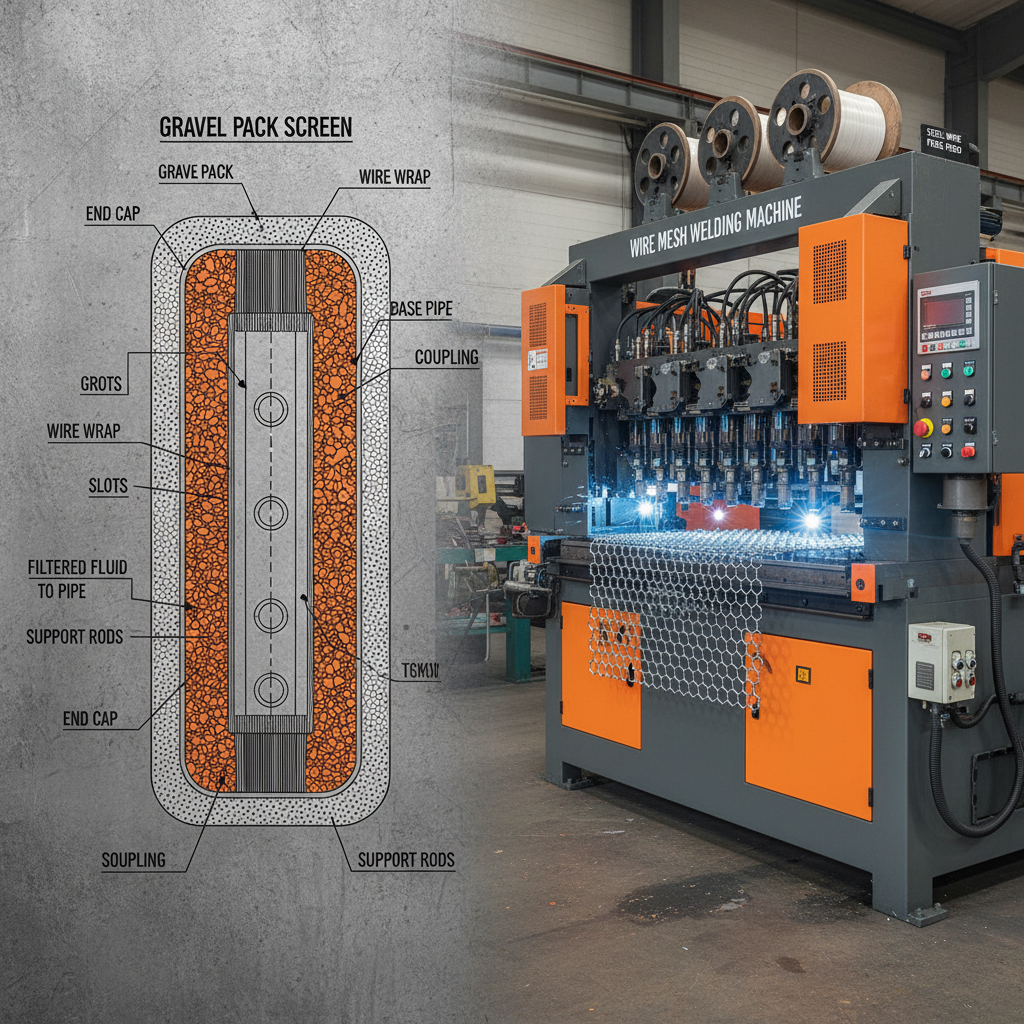
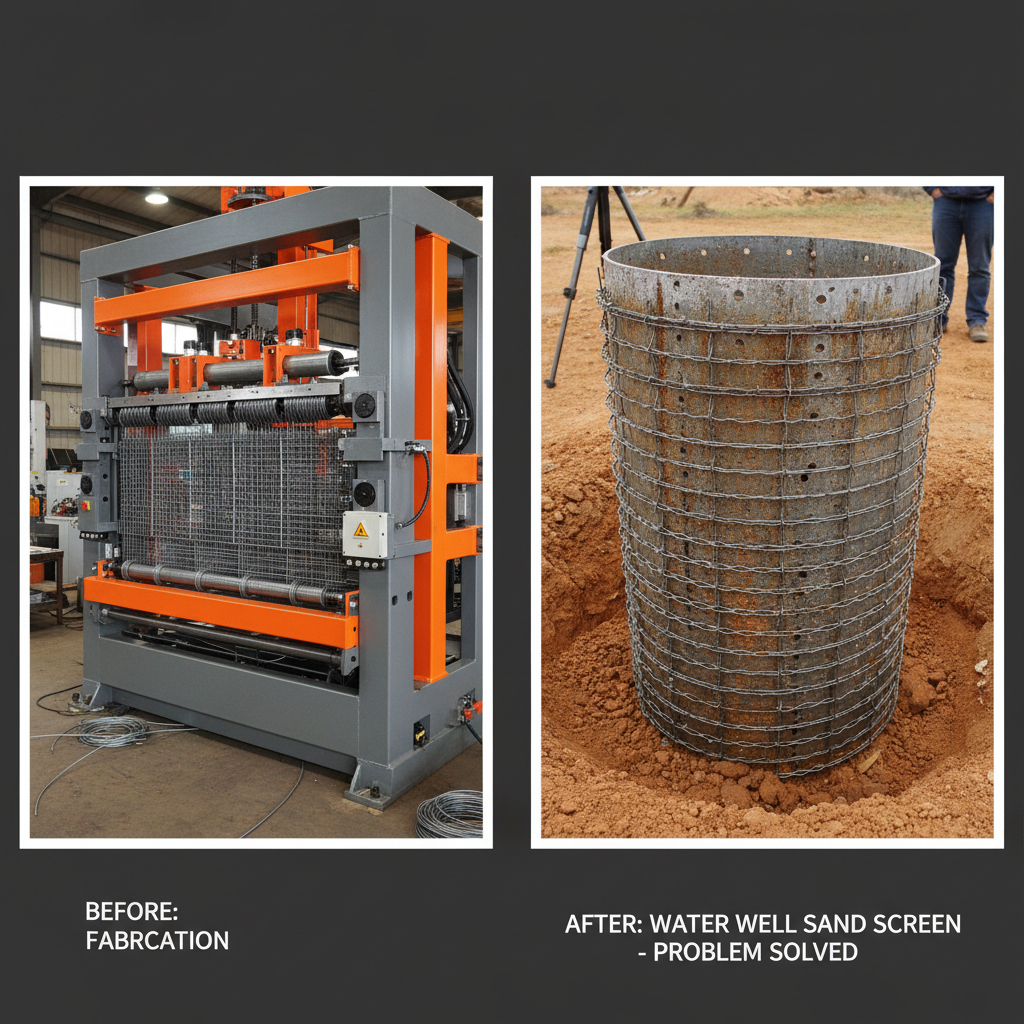
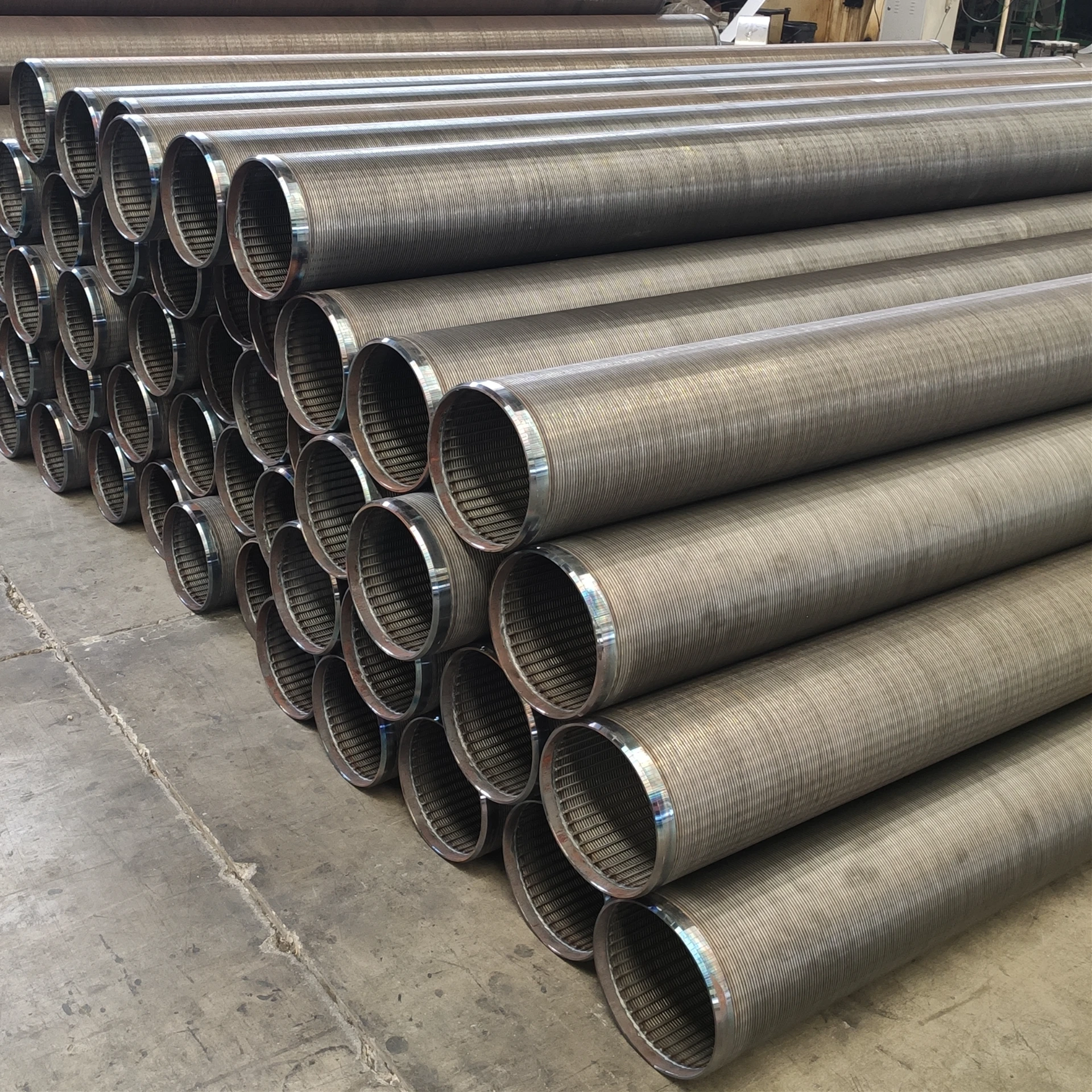
In essence, a water well screen is the “gatekeeper” that allows water to pass while keeping out sand, gravel, and other debris. Oddly enough, while the concept is straightforward, the variations in water well screen pipe materials and construction often make all the difference on the job site.
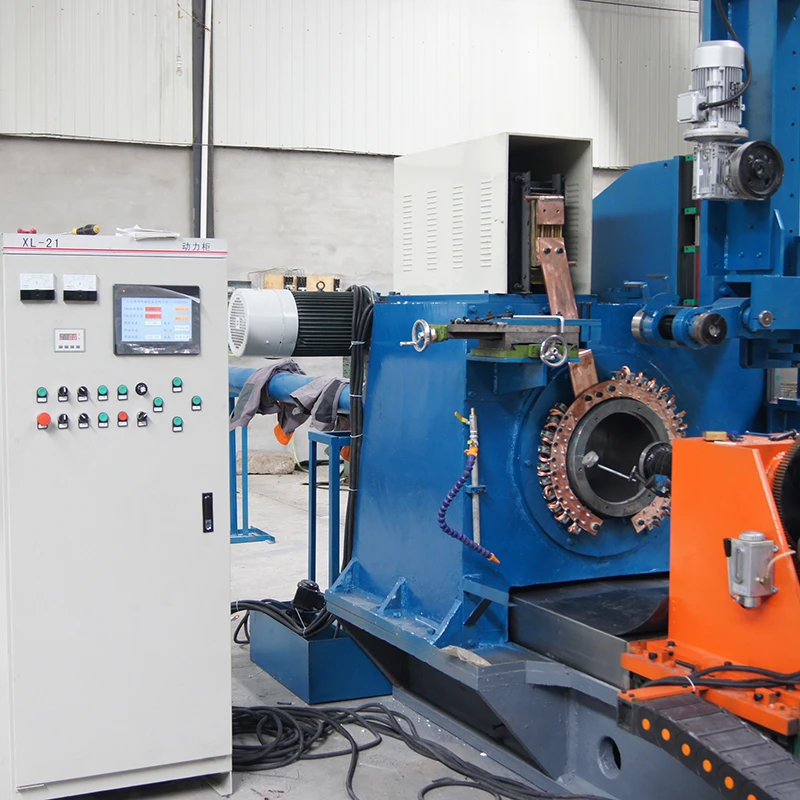
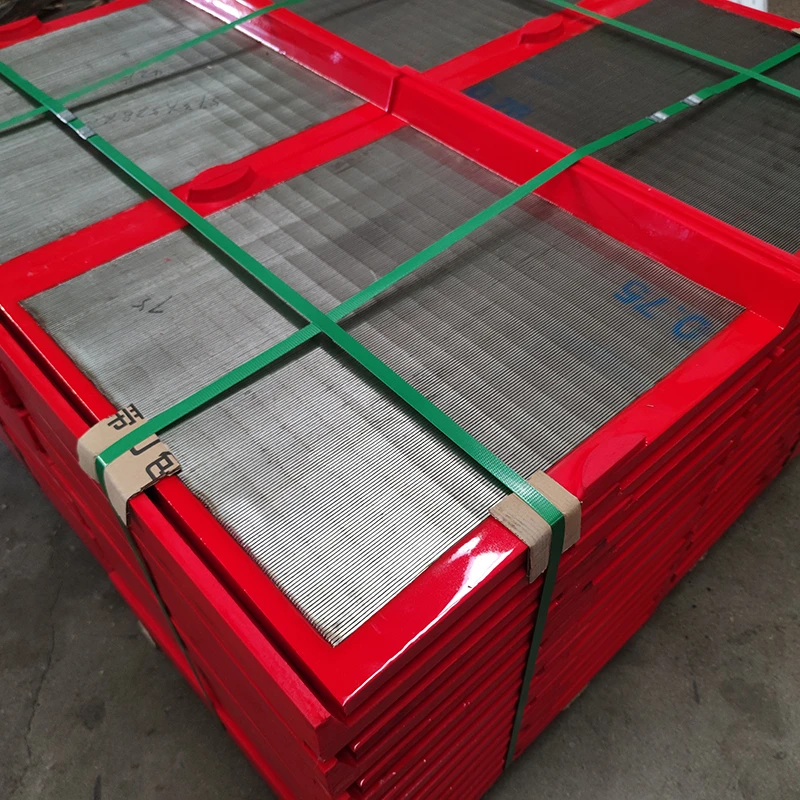
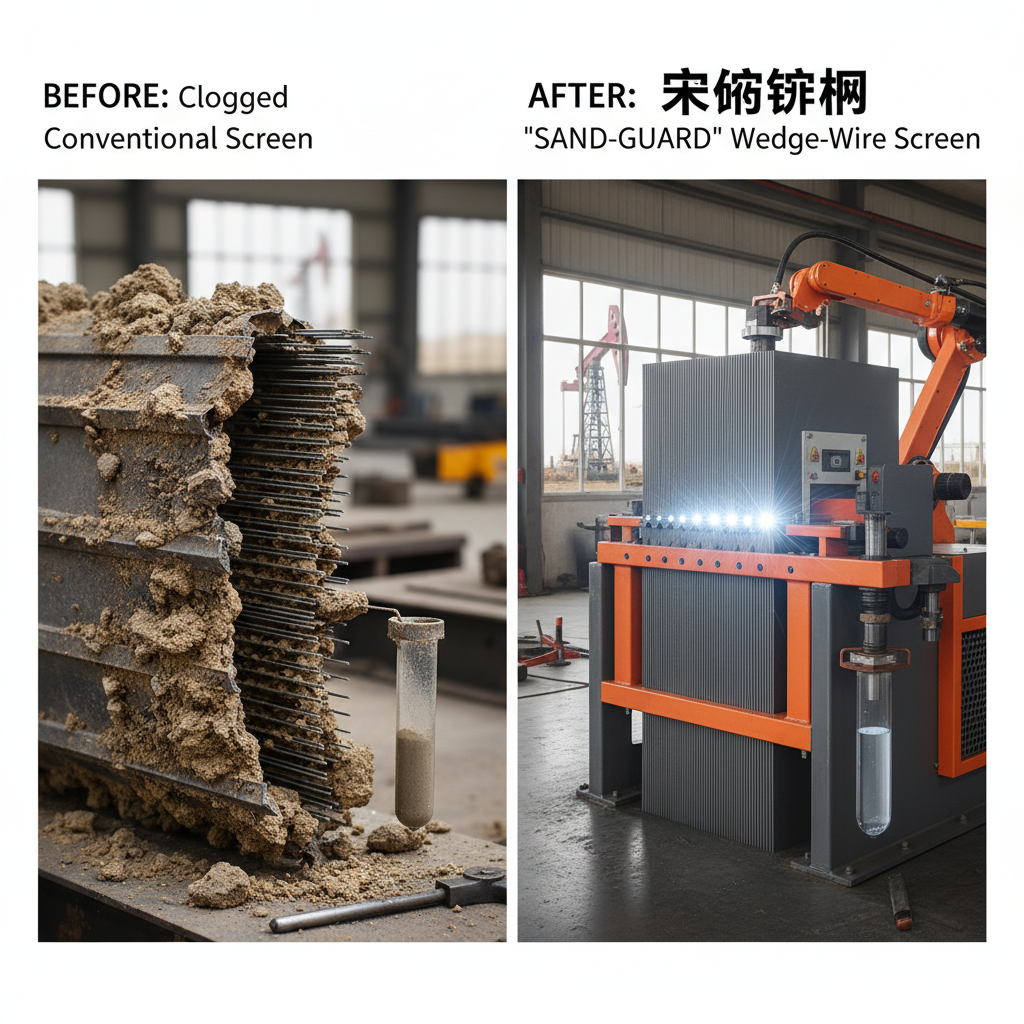
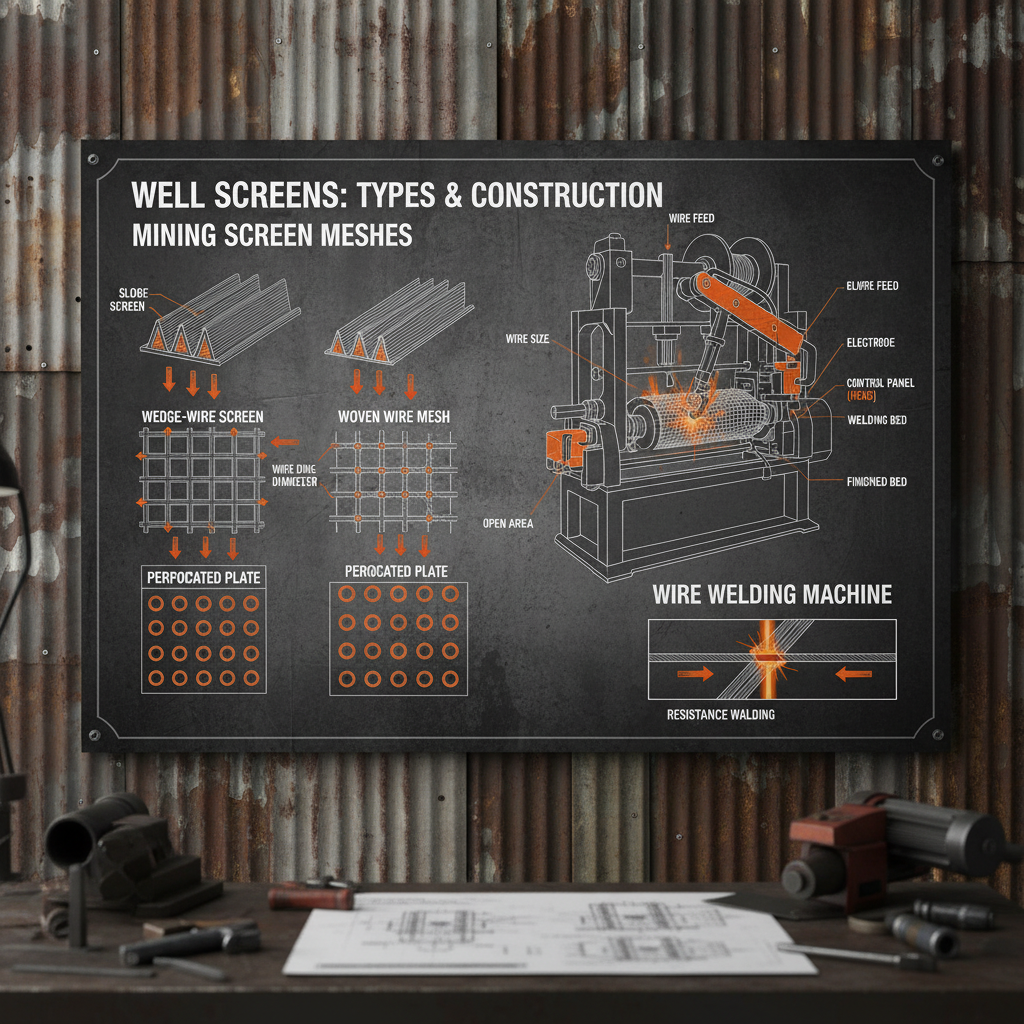
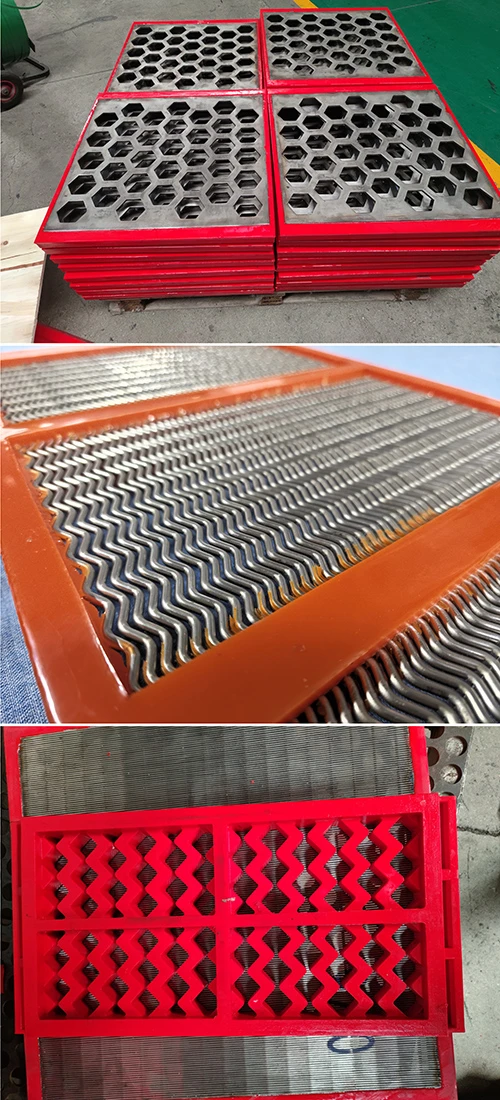
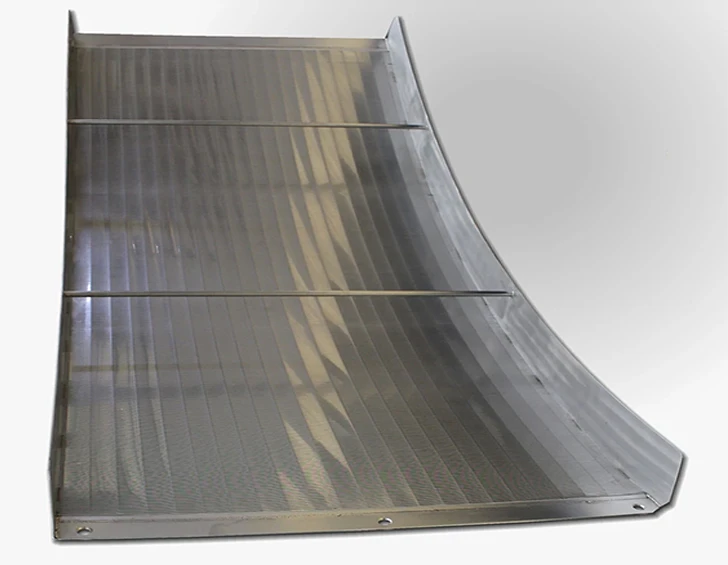
Back when I first got involved in well installations, I trusted the classic slotted pipe. But over time, I observed the shift towards more advanced, wedge wire screen designs—ones that provide better filtration and reduce clogging. Many engineers I've chatted with swear by trapezoidal wire wraps for their durability and easier maintenance, especially in sandy or silty formations.
Key Specifications of Typical Water Well Screen Pipes
| Specification | Details |
|---|---|
| Material | Stainless Steel (304, 316), Carbon Steel |
| Slot Size | 0.01" to 0.1" (customizable) |
| Outer Diameter | 2" to 24" (standard sizes) |
| Length | Up to 30 ft sections (can be coupled) |
| Designs | Wedge Wire, Slotted, Perforated, Continuous Slot |
| Corrosion Resistance | High (especially in stainless steel variants) |
What I often find underestimated is the role of corrosion resistance. Frankly, a poorly chosen screen pipe can lead to premature failure—sometimes as quickly as just a few years into deployment if it’s exposed to aggressive water chemistry.
This is why it’s worth investing a bit of time upfront discussing your site parameters with a trusted supplier. Speaking of suppliers, let me share a quick vendor comparison I’ve put together that highlights some of the more common options on the market:
Vendor Comparison for Water Well Screen Pipes
| Vendor | Material Options | Customization | Lead Times | Price Range |
|---|---|---|---|---|
| Mutoscreen | Stainless Steel 304/316, Carbon Steel | Fully customizable slot sizes and lengths | 2-3 weeks standard | $$$ (mid-tier) |
| Vendor B | Carbon Steel only | Limited customization | 1-2 weeks | $ (budget) |
| Vendor C | Stainless Steel 316 only | Custom slot sizes, limited lengths | 3-4 weeks | $$$$ (premium) |
From my experience, Mutoscreen has struck a practical balance between quality, customization, and lead times — and honestly, they feel like partners when you have to tweak specifications mid-project. One small client story: A municipal well project I helped with had some tricky sediment conditions. We swapped out a standard slotted pipe for a wedge wire design sourced through them and ended up cutting back maintenance visits by nearly half over two years. That was a real win that stuck with me.
Overall, selecting the right water well screen pipe comes down to understanding your water source, sediment characteristics, and maintenance expectations. Frankly, relying on decades of field experience—and if needed, lean on quality vendors who walk the talk—is the best advice I can pass along.
Feel free to explore the world of water well screen pipe options more deeply. It’s a small part of a big system but can make a giant difference in performance and durability.
In real terms, it’s one of those “get it right the first time” deals.
References:
1. Groundwater Solutions Field Guide, 2022 Edition
2. Mutoscreen Technical Product Details, 2024
3. Interviews with industry engineers, 2019-2023