Understanding the 4 Well Screen in Industrial Equipment
If you’ve ever worked in the groundwater, mining, or environmental sectors, you’ve probably crossed paths with a 4 well screen. Frankly, it’s one of those unsung heroes in industrial equipment — seemingly simple but crucial in so many applications. Over the years, I’ve noticed how its design and reliability really influence well performance, and odd as it sounds, small tweaks in these screens can save major headaches on site.
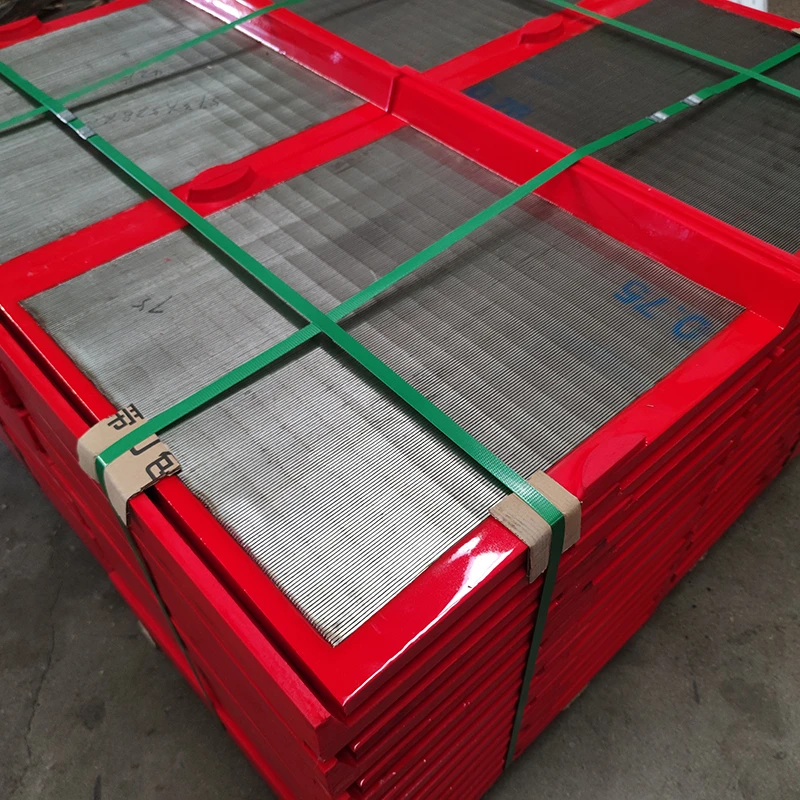
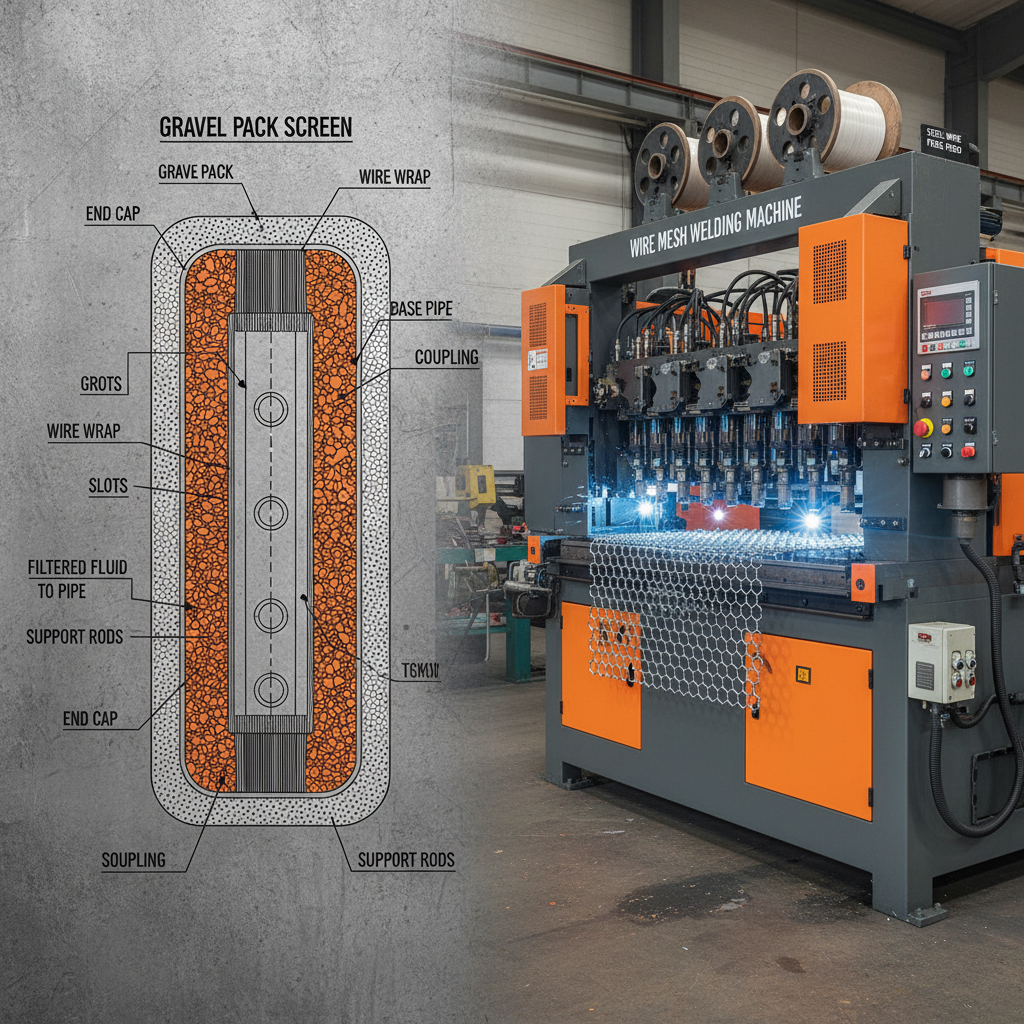
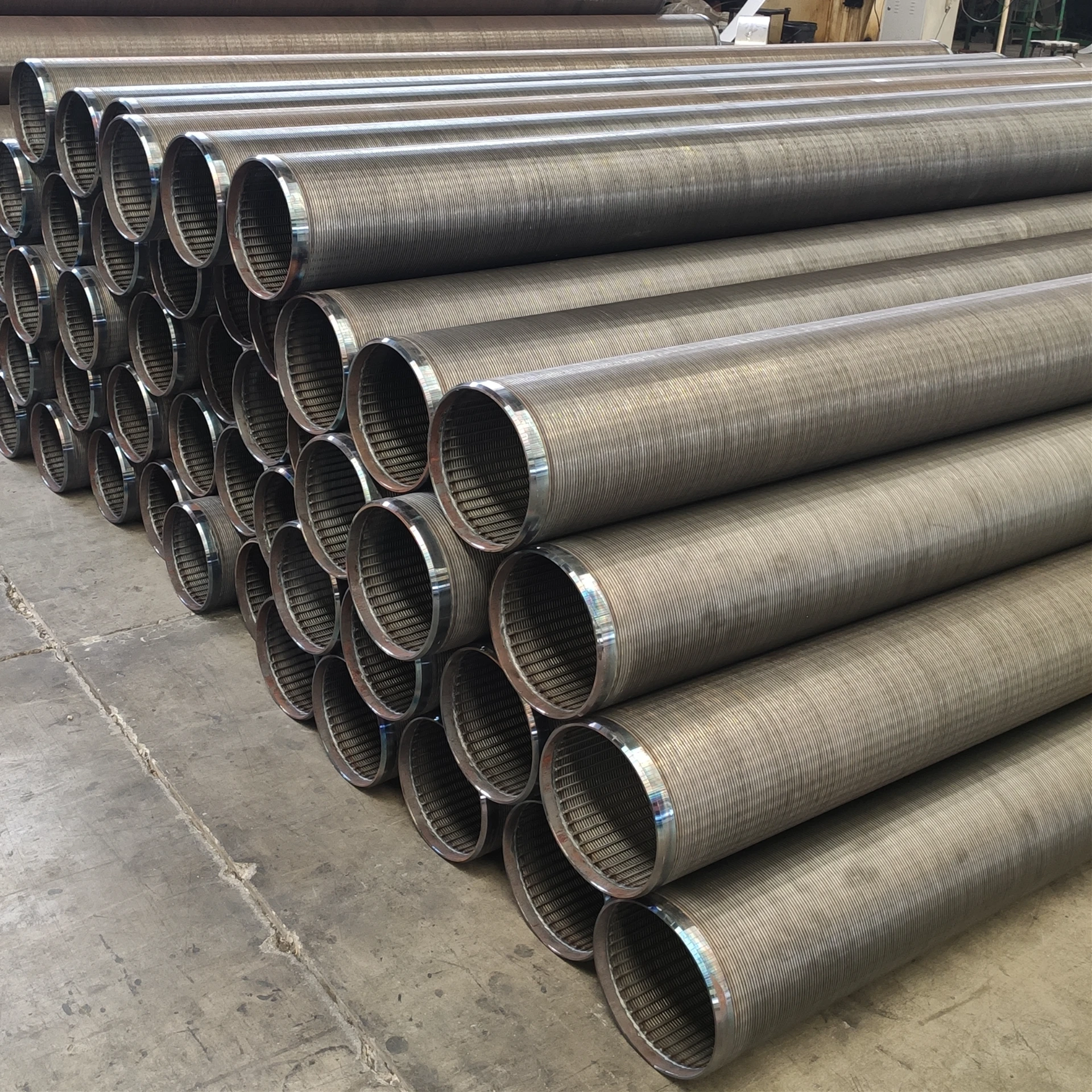
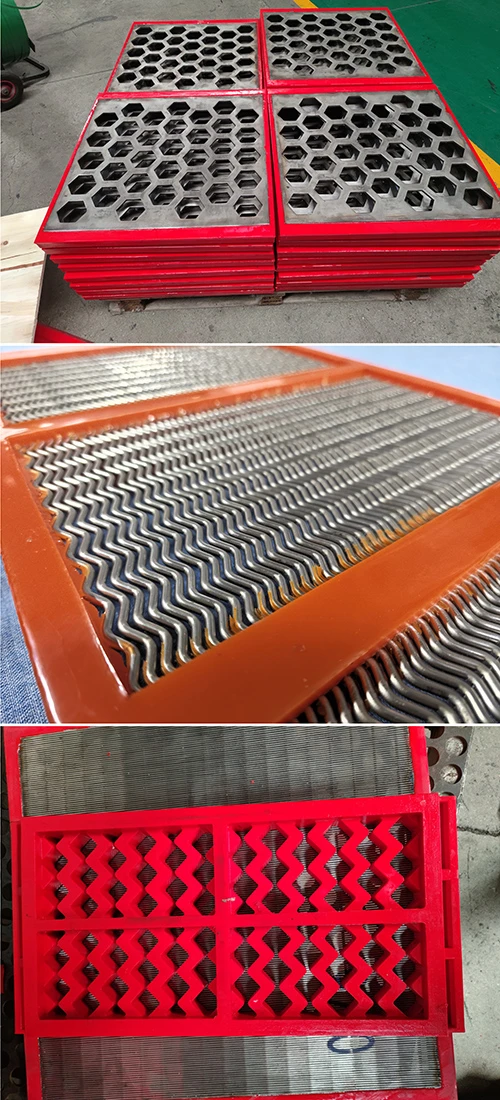
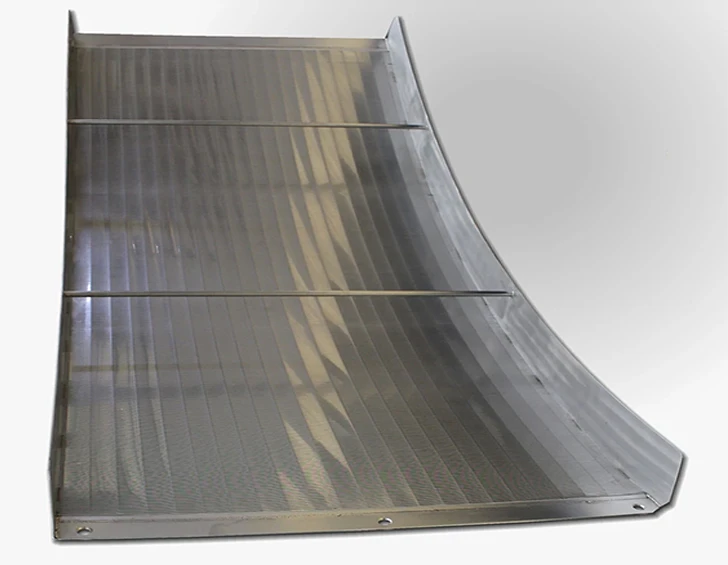
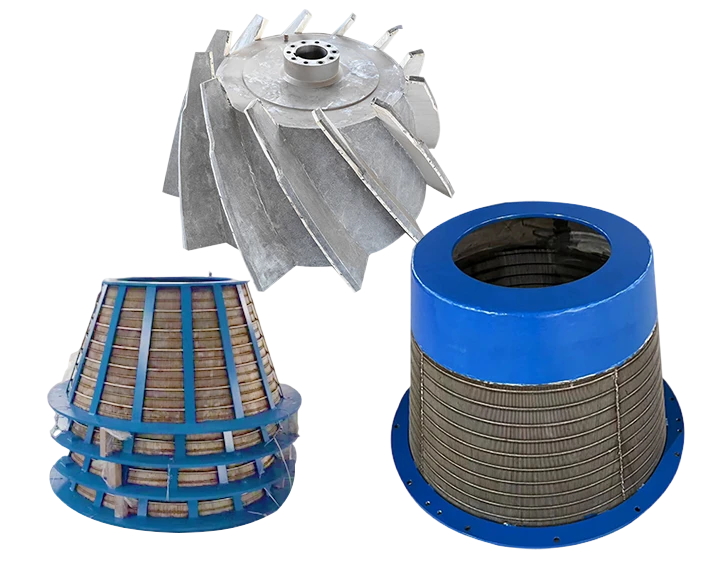
So what’s the big deal about the "4 well screen"? In real terms, it’s a type of well screen designed with four distinct slots or sections, often used to filter sediments and prevent clogging while allowing fluid flow. The name comes from the four main filtration zones that help in achieving optimal water flow while maintaining structural integrity.
One thing I appreciate about the design is the balance between durability and efficiency. These screens are typically fabricated from stainless steel or other corrosion-resistant metals. Over my years in the field, I've seen manufacturers lean heavily towards quality materials because, let’s face it, a screen failure underground usually means costly downtime.
Key Features & Specs of a Typical 4 Well Screen
| Specification | Details |
|---|---|
| Material | 304 or 316 Stainless Steel |
| Slot Size | 0.010" to 0.125" (customizable) |
| Length | Typically 10 ft (can vary) |
| Diameter | 4 – 12 inches commonly |
| Finish | Electropolished or Mill Finish |
Interestingly, many engineers I've worked with swear by the electropolished finish. It reduces friction and prevents biofouling — basically, fewer surface imperfections mean less buildup and easier maintenance. That’s not just marketing talk; it’s a game changer when wells are drilled deep or in challenging environments.
Comparing Top 3 Vendors of 4 Well Screens
| Vendor | Material Options | Customization | Lead Time | Price Range |
|---|---|---|---|---|
| MutoScreen | 304 & 316 SS, Duplex SS | Highly customizable slot sizes & finishes | 2–4 weeks | Mid-range |
| HydroScreen Inc. | 304 SS standard | Limited customization | 3–5 weeks | Higher-end |
| SteelFlow Ltd. | Carbon steel with coatings | Standard designs only | 1–3 weeks | Lower-range |
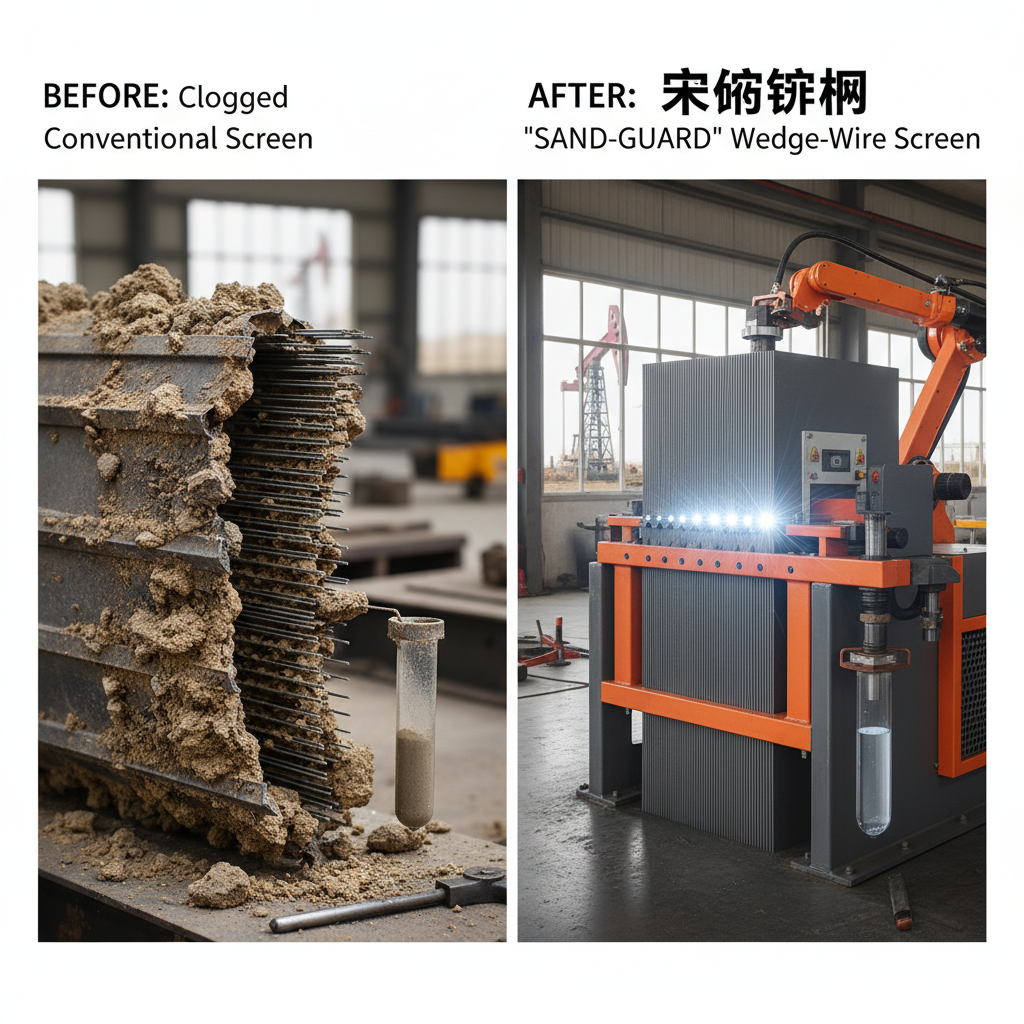
In my opinion, the vendor choice often depends on your project’s criticality. I once had a client who initially went with a lower-cost supplier for their 4 well screens. After just a few months, sediment buildup slowed pumping rates dramatically — a frustrating setback, to say the least. Switching to a higher-grade product from a company like MutoScreen made all the difference. Not surprisingly, many colleagues echo similar experiences about balancing cost with long-term reliability.
Customization also plays a huge role. In tough geologies, you might want specific slot sizes or different screen lengths. Off-the-shelf sometimes just doesn’t cut it. Good vendors understand this and offer tailored solutions rather than one-size-fits-all screens.
Wrapping this up… If you’re considering 4 well screen options, keep in mind the environment your well will face, anticipate maintenance needs, and don’t skimp on quality. At the end of the day, it’s about keeping your wells running smoothly and avoiding those unexpected shutdowns.
References:
1. “Industrial Well Screen Design Principles,” Water Tech Journal, 2020.
2. Personal field experience & client consultations, 2015–2024.
3. MutoScreen Technical Documents, accessed 2024.