Understanding Rotary Drum Screen Working Principles
Rotary drum screens are essential equipment in various industrial processes, particularly in wastewater treatment, pulp and paper production, and mineral processing. These screens effectively separate solids from liquids, optimizing efficiency and reducing operational costs. This article will delve into the intricacies of rotary drum screen working principles, highlighting their applications, benefits, and maintenance. Efficient solid-liquid separation is crucial for numerous industries, and understanding the nuances of rotary drum screen technology is key to maximizing performance.
How Rotary Drum Screens Function
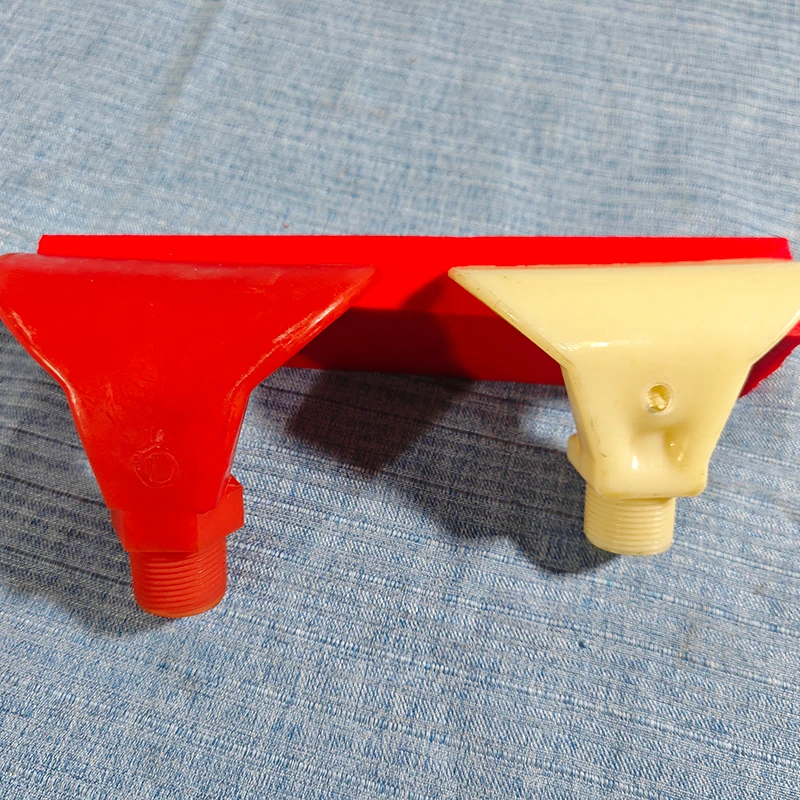
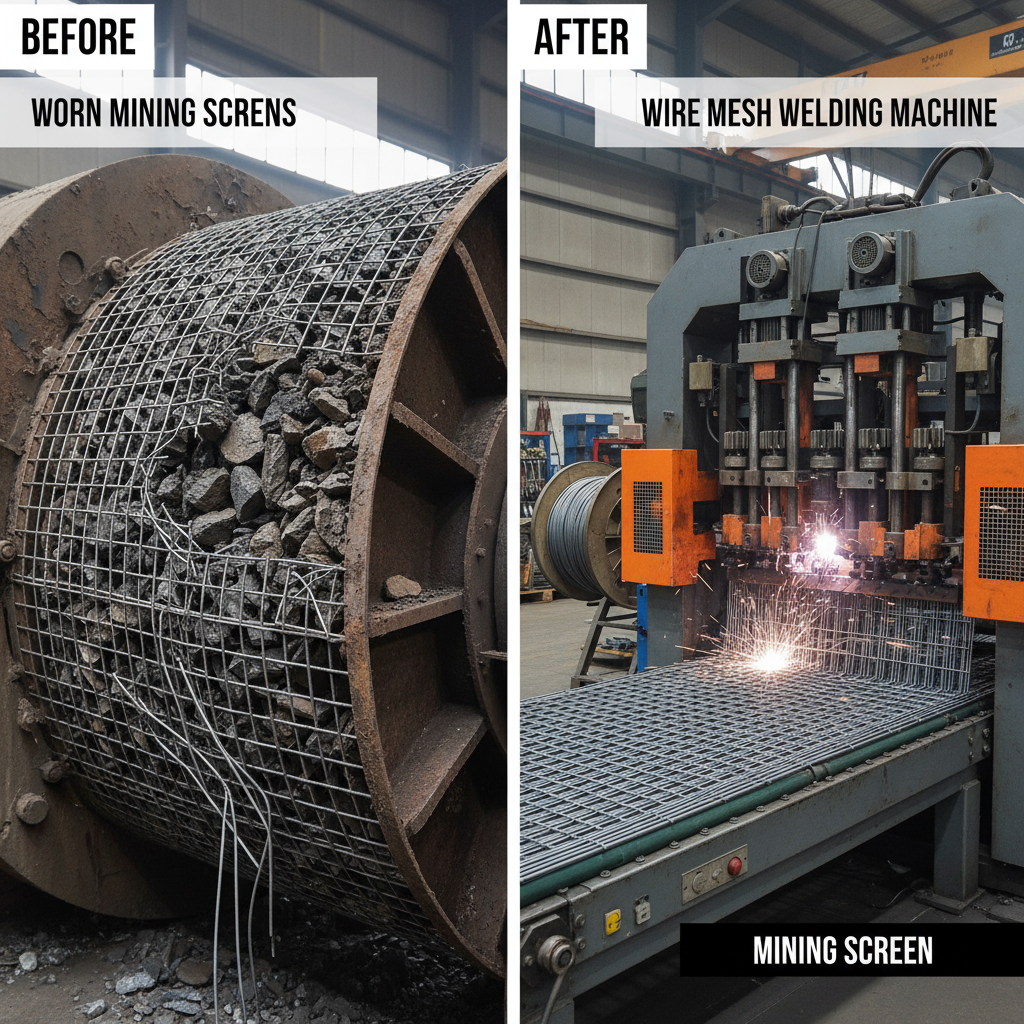
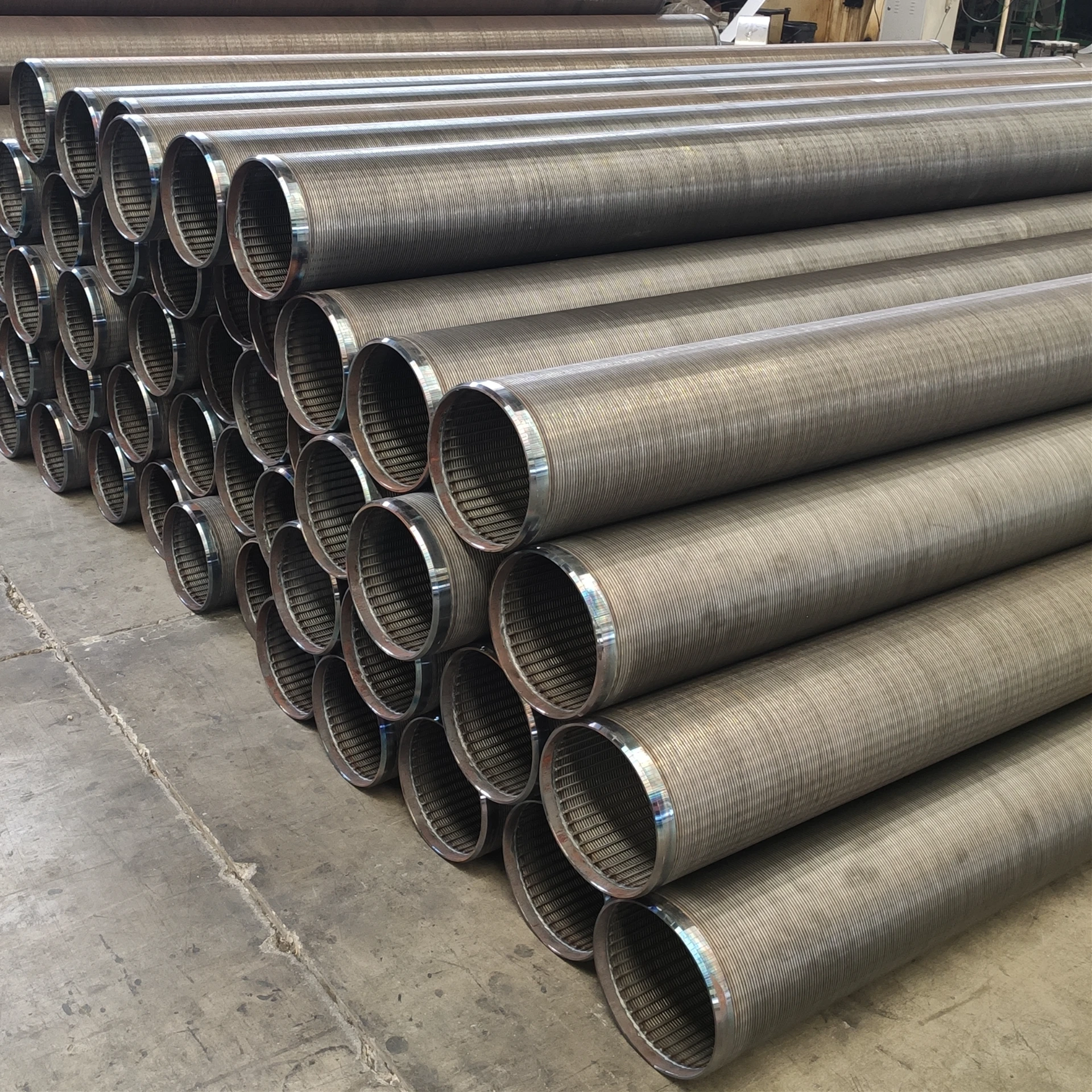
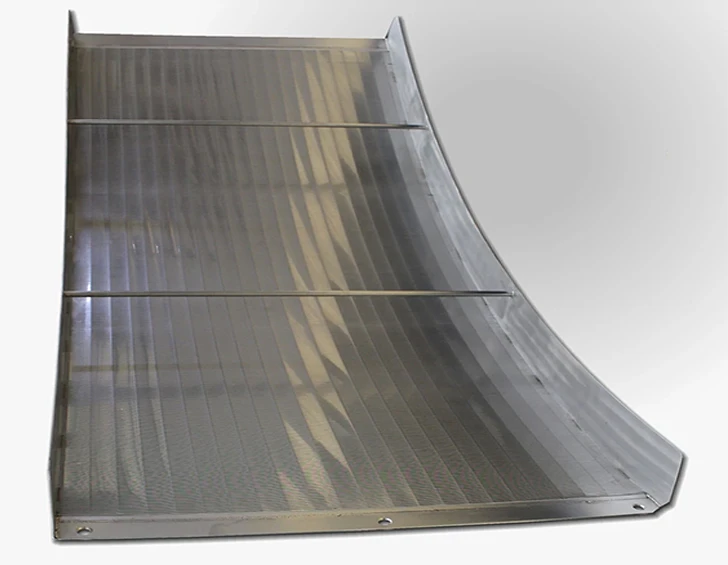
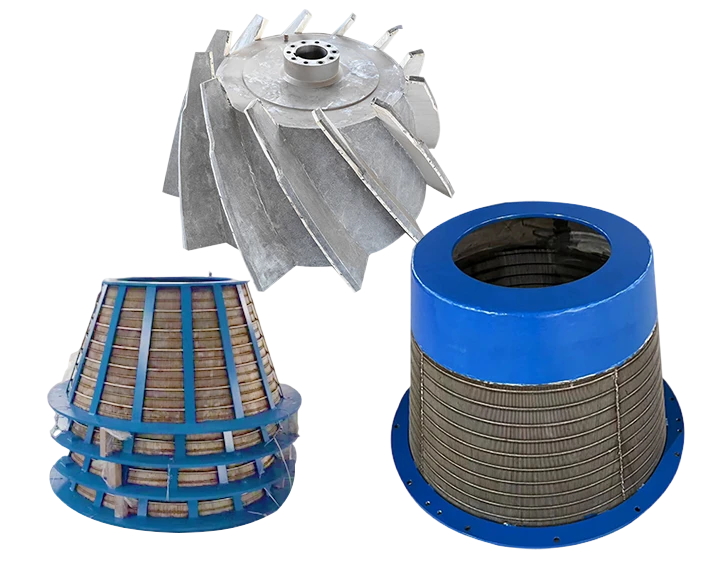
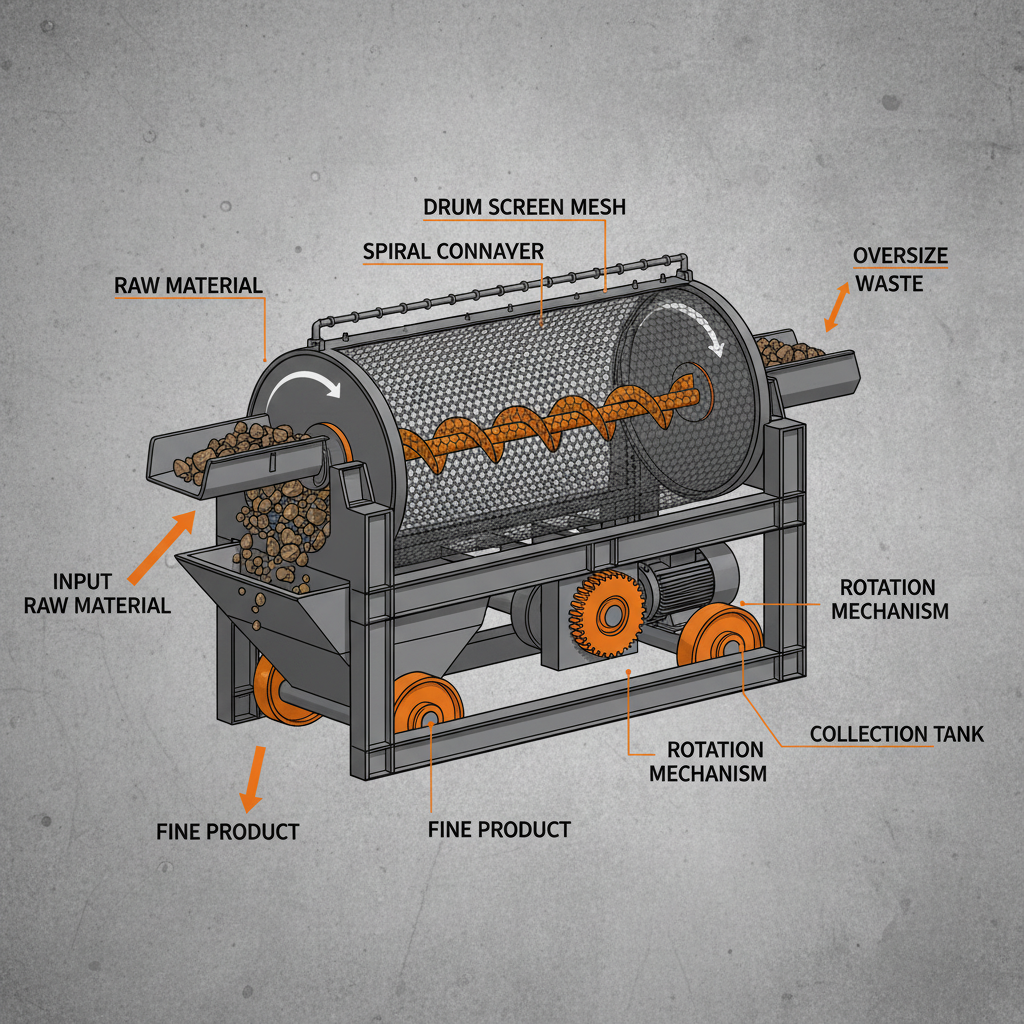
The core principle of a rotary drum screen is remarkably straightforward. A cylindrical drum, constructed from perforated metal or woven mesh, rotates within a trough or channel. Wastewater or slurry is fed into the upstream end of the drum. As the drum rotates, solids larger than the screen openings are retained inside, while the liquid phase passes through the screen and exits from the downstream end. The retained solids are then discharged from the drum, often with the assistance of spray nozzles for cleaning and dislodging material. The efficiency of this process hinges on several factors including screen mesh size, drum rotation speed, and feed rate. Muto Screen offers optimized designs for a range of applications.
Key Takeaway: Rotary drum screens use mechanical separation, relying on the difference in size between solids and liquids, to achieve efficient filtration.
Factors Affecting Rotary Drum Screen Performance
Several key factors impact the effectiveness of a rotary drum screen. Firstly, mesh size dictates the smallest particle size that can be effectively retained. Smaller mesh sizes capture finer particles, but increase the risk of clogging. Secondly, the drum rotation speed influences the solids loading and the efficiency of liquid passage. Higher speeds can increase throughput, but may also reduce the effectiveness of solid retention. Thirdly, the feed rate needs to be carefully controlled to avoid overloading the screen and hindering performance. Finally, water quality and the nature of the solids being separated play a crucial role, with highly viscous fluids or sticky solids potentially causing operational challenges.
Performance Influencers:
• Mesh Size
• Drum Rotation Speed
• Feed Rate
• Water/Slurry Quality
Rotary Drum Screen Applications
Rotary drum screens find extensive use across diverse industries. In wastewater treatment, they are utilized for primary solid removal, protecting downstream equipment from damage. In the pulp and paper industry, they effectively recover fibers and remove contaminants. The mineral processing sector employs them for dewatering slurries and classifying particles by size. Furthermore, they're essential in agricultural processing, removing solids from irrigation runoff, and in food processing, separating byproducts during production. The versatility of rotary drum screens makes them a valuable asset in numerous applications.
Benefits of Using Rotary Drum Screens
Compared to other solid-liquid separation technologies, rotary drum screens offer several advantages. They are known for their high throughput capacity, effectively handling large volumes of fluid. Their robust construction ensures long-term durability and minimal maintenance requirements. They also exhibit consistent performance with minimal operator intervention. Furthermore, rotary drum screens are relatively energy-efficient compared to some alternatives. The ability to handle a wide range of solid sizes and types makes them exceptionally versatile.
Maintenance and Troubleshooting of Rotary Drum Screens
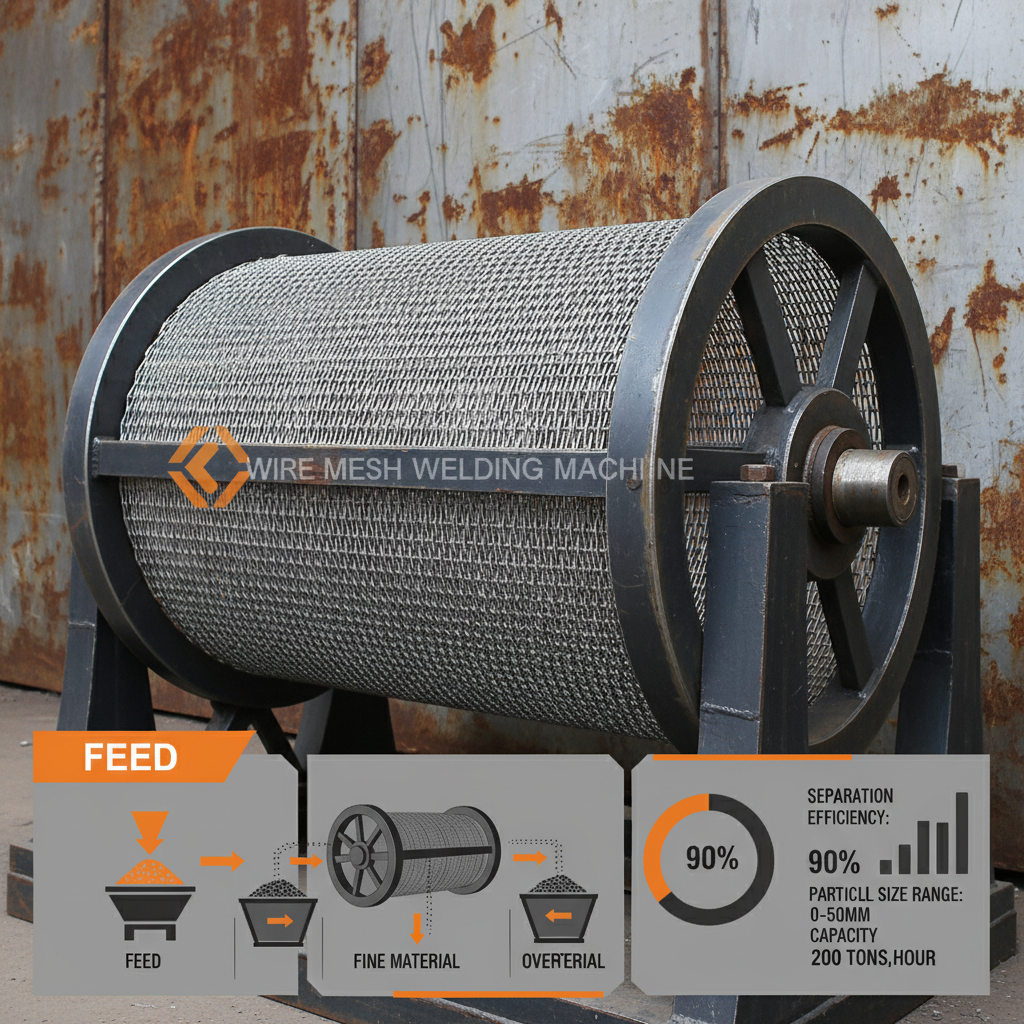
Regular maintenance is crucial for ensuring optimal performance and longevity. This includes periodic cleaning of the screen mesh to prevent clogging, inspection of the drum's rotating components, and lubrication of bearings. Common issues include screen blockage, motor malfunctions, and structural damage. Blockages can often be resolved by increasing the spray nozzle pressure or temporarily reducing the feed rate. Motor issues may require professional repair. Promptly addressing any observed problems will prevent more significant and costly repairs. Muto Screen provides comprehensive maintenance guides and support.
Conclusion: Optimizing Processes with Rotary Drum Screens
The rotary drum screen remains a vital component in a wide array of industrial processes. Its efficient solid-liquid separation capabilities, combined with its robust design and relatively low maintenance requirements, make it a cost-effective solution. Understanding the working principles and key considerations for operation and maintenance is essential for maximizing its benefits.
Frequently Asked Questions (FAQs)
What mesh sizes are typically available for rotary drum screens?
Rotary drum screens offer a wide range of mesh sizes, typically ranging from 0.25mm to 10mm or larger, depending on the application. Finer mesh sizes (e.g., 0.25mm - 1mm) are used for removing very small particles, such as algae or fine fibers. Coarser mesh sizes (e.g., 2mm - 10mm) are suitable for removing larger debris, like rocks, wood chips, or plastic. The optimal mesh size depends on the size and characteristics of the solids being separated and the desired level of clarity in the effluent. Muto Screen can advise on the appropriate mesh selection for specific needs.
How do I prevent clogging in a rotary drum screen?
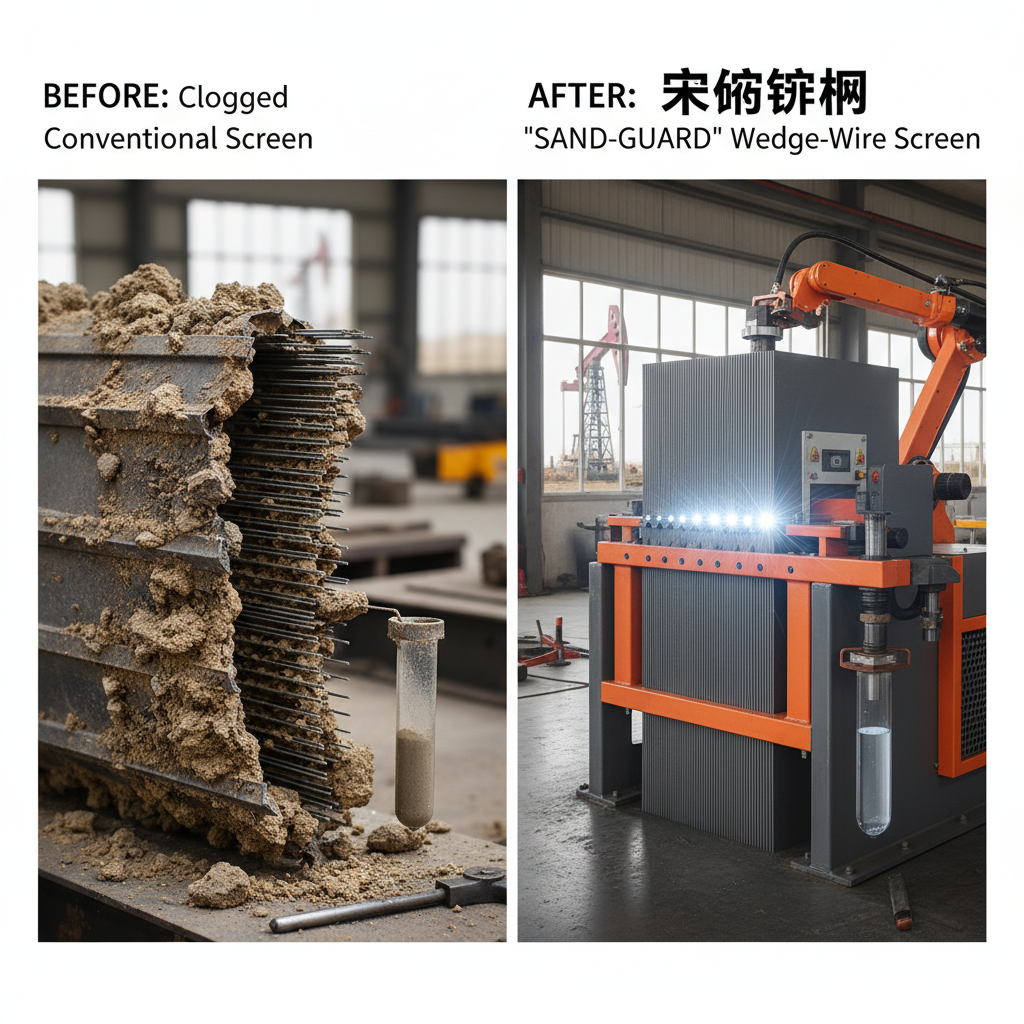
Clogging is a common challenge. Regular cleaning with high-pressure spray nozzles is essential. Maintaining the correct feed rate, avoiding overloading the screen, and pretreating the wastewater (e.g., with a coarse screen or grit removal system) can also help. In some cases, adding a polymer coagulant can help bind smaller particles together, making them easier to remove. Choosing the appropriate mesh size for the solids being processed is also critical.
What materials are rotary drum screens typically made from?
The drum itself is typically constructed from stainless steel (304 or 316) for corrosion resistance, or carbon steel with a protective coating. The screen mesh can be made from stainless steel, plastic (e.g., polypropylene), or other materials depending on the application and the type of solids being handled. The choice of material depends on factors such as the corrosiveness of the fluid, the abrasive nature of the solids, and the required durability.
What is the typical lifespan of a rotary drum screen?
With proper maintenance, a rotary drum screen can have a lifespan of 10-20 years or even longer. The lifespan depends on several factors, including the quality of materials, the operating conditions, the frequency of maintenance, and the nature of the solids being processed. Regular inspection and timely repair of any damaged components are crucial for maximizing its longevity.