Rotary Drum Screen Design: A Comprehensive Guide
Rotary drum screens are vital in various industries for solid-liquid separation. Their effectiveness hinges on a well-considered rotary drum screen design. This article explores key aspects of design, from material selection and screen mesh to drive systems and maintenance considerations. Understanding these elements is crucial for optimizing performance, longevity, and overall process efficiency. A thoughtfully engineered rotary drum screen translates directly to reduced operational costs and improved product quality.
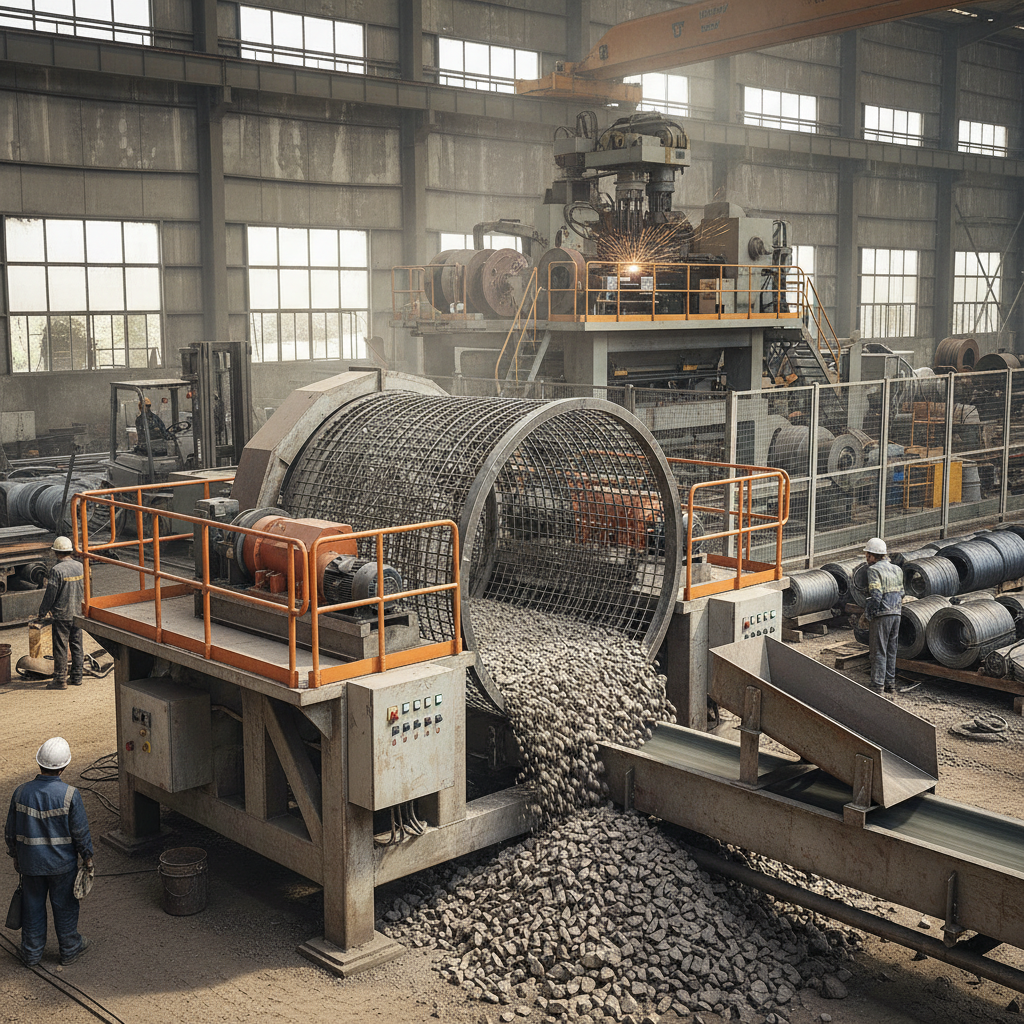
Key Considerations in Rotary Drum Screen Design
Several factors play a critical role in achieving an optimal rotary drum screen design. The choice of materials—typically stainless steel due to its corrosion resistance—is paramount. Screen mesh size dictates the separation efficiency and is selected based on the particle size distribution of the feed material. The drive system, whether direct, gear-reduced, or chain-driven, influences energy consumption and reliability. Furthermore, the inclination angle of the drum affects drainage and solids transport. A robust design also considers ease of maintenance and component accessibility.
Key Highlights: Material selection impacts corrosion resistance, mesh size controls separation efficiency, and the drive system affects energy consumption.
Optimizing Screen Mesh Selection for Effective Separation
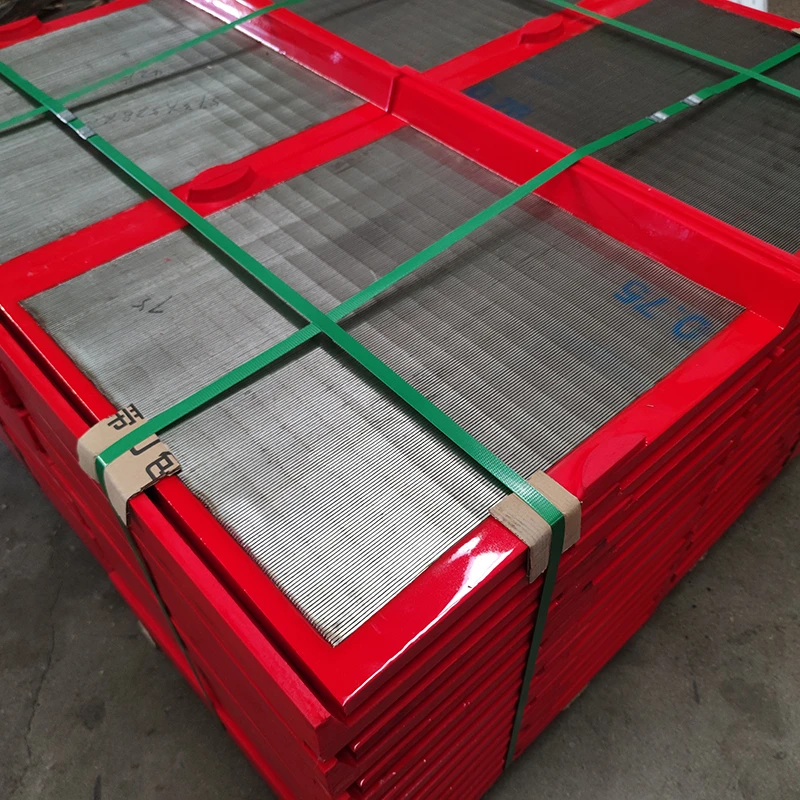
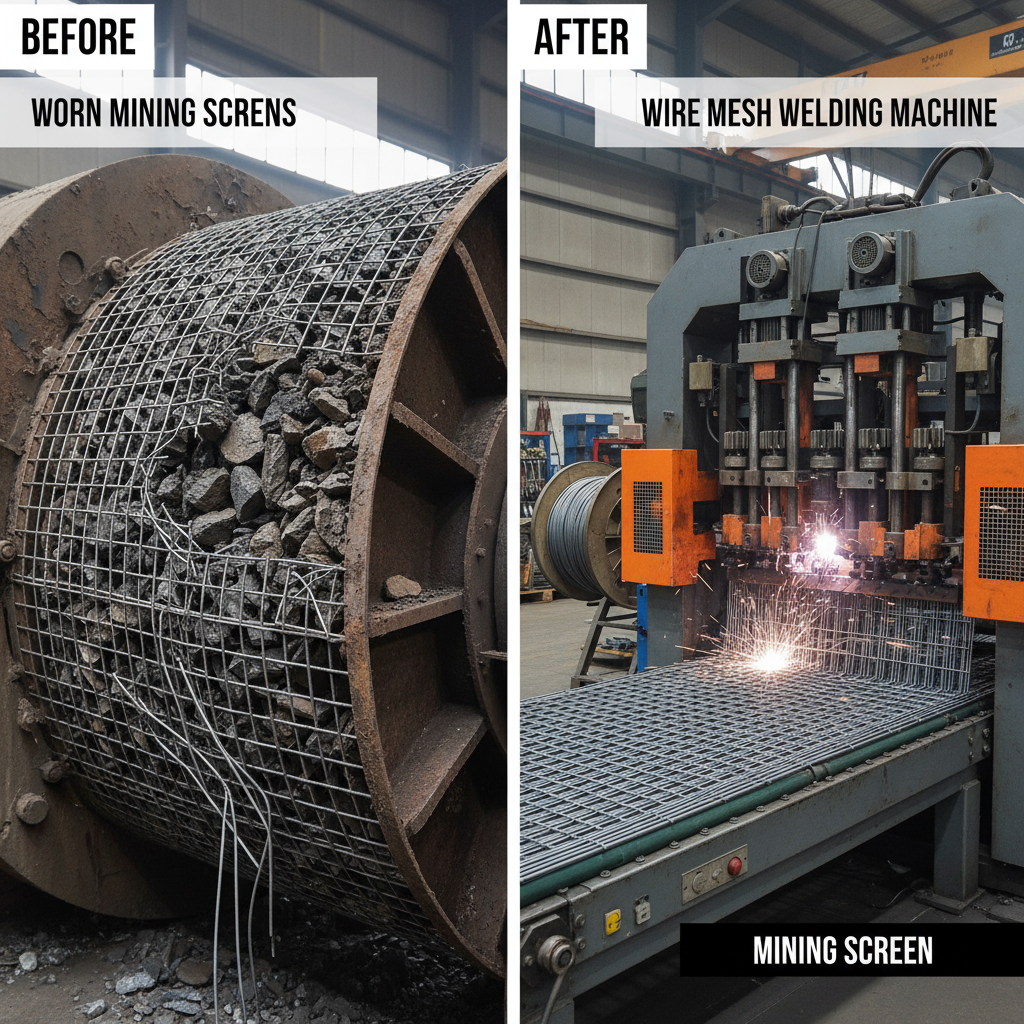
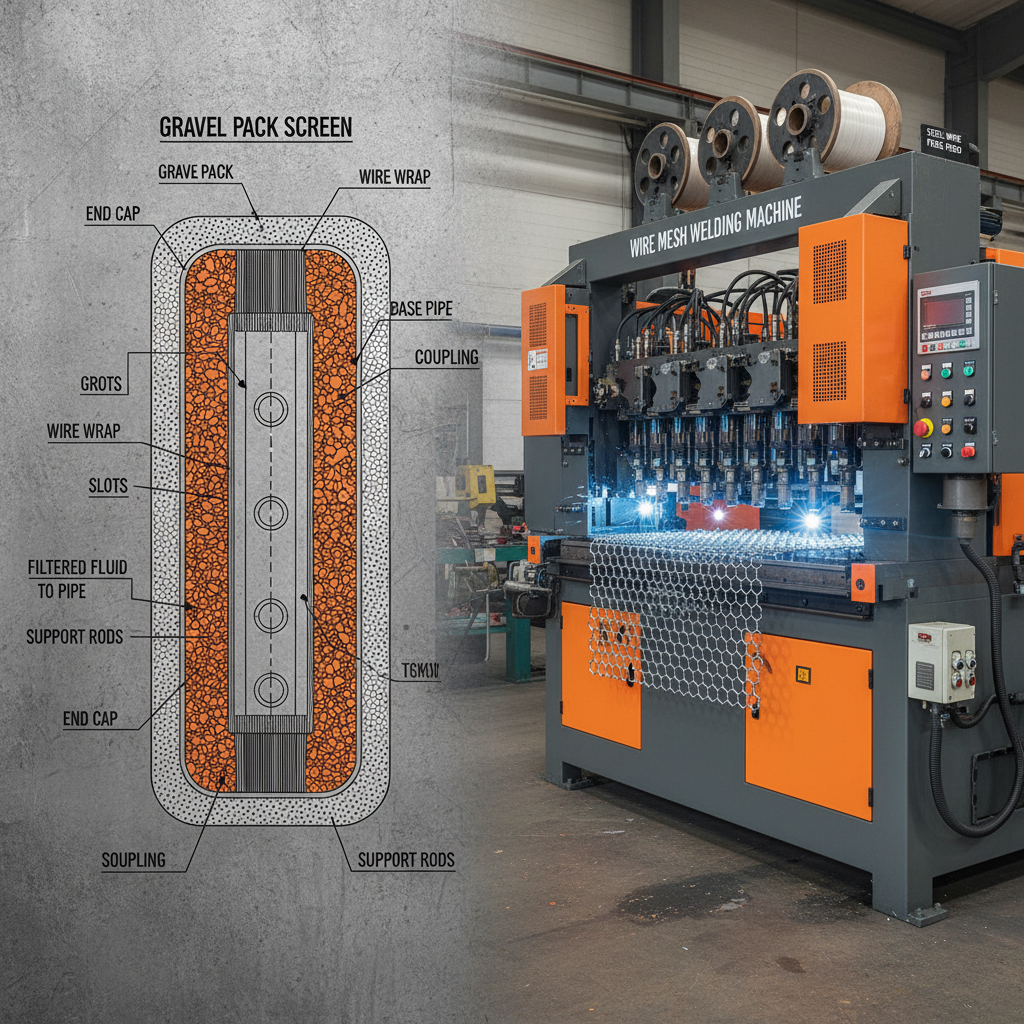
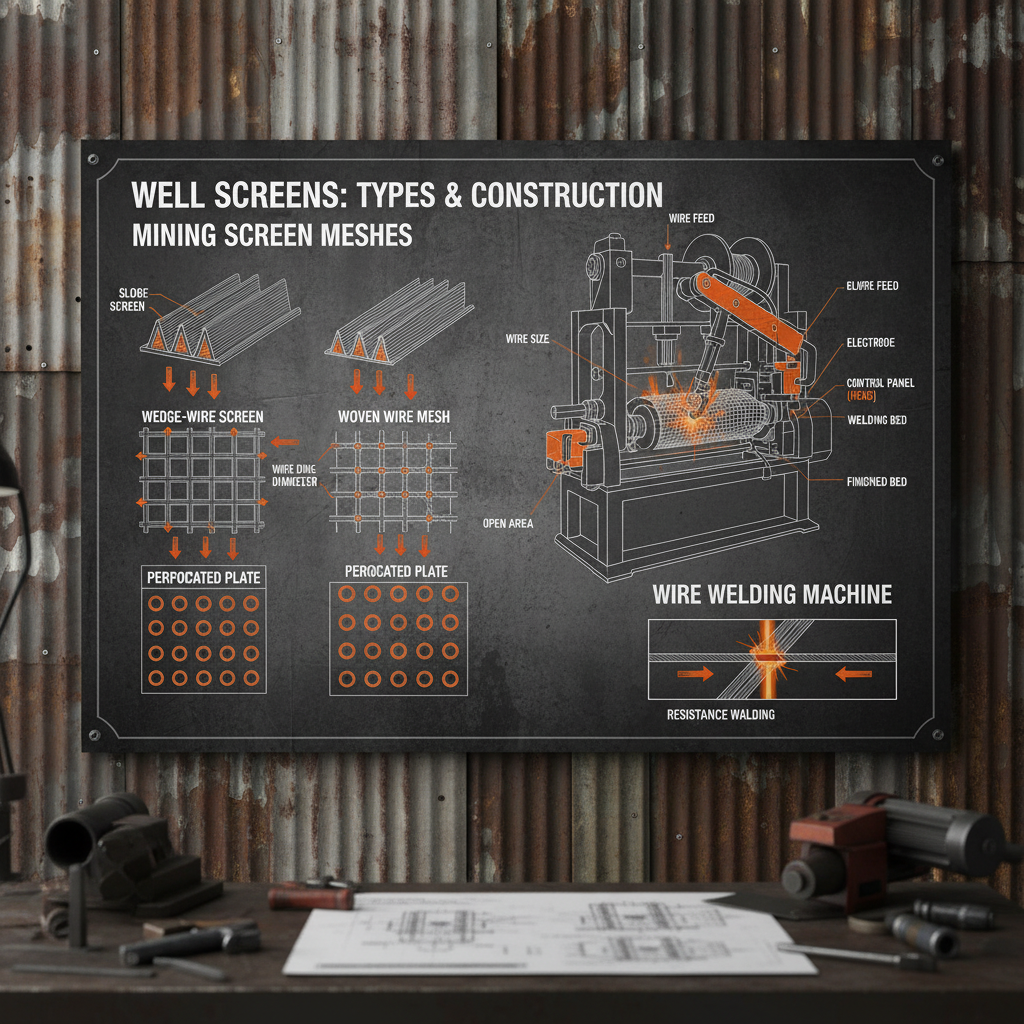
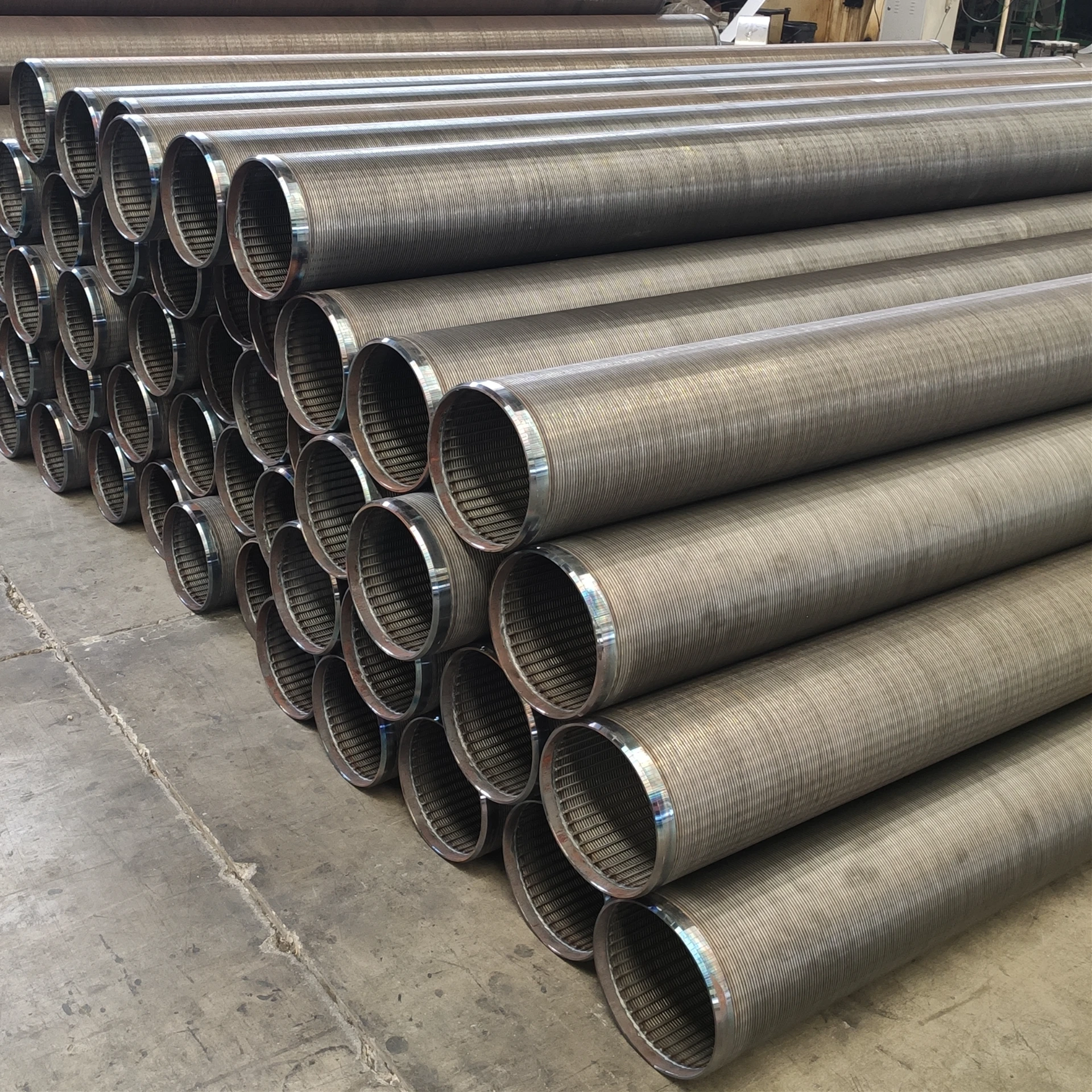
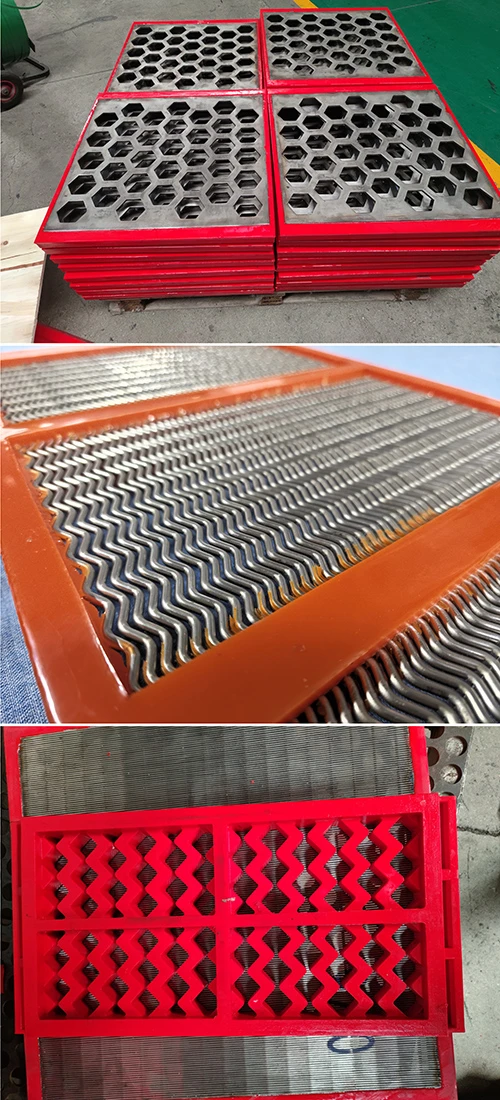
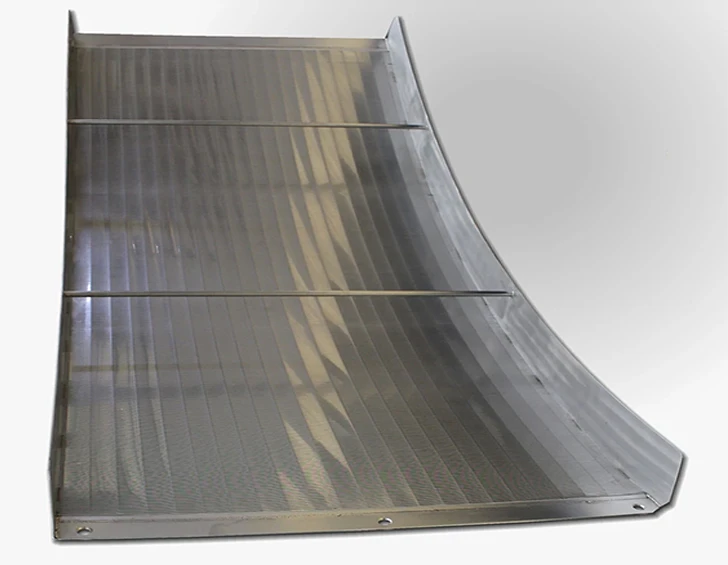
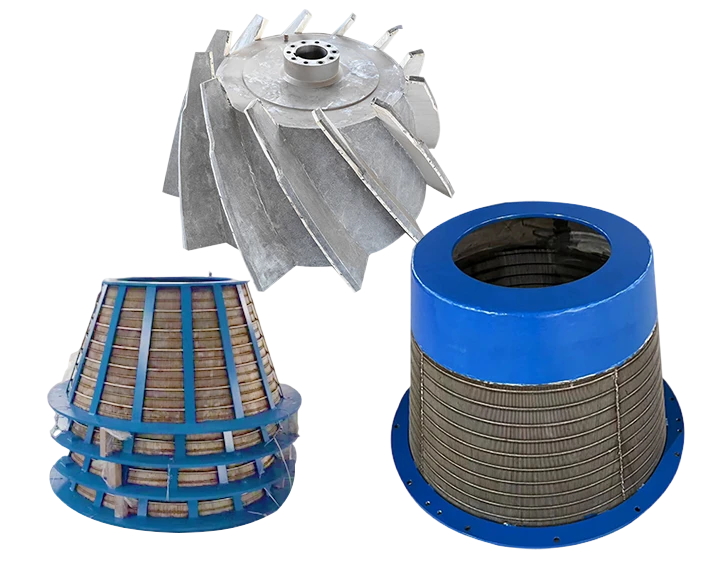
The screen mesh is the heart of the separation process. Selecting the appropriate mesh size is crucial for achieving desired solid-liquid separation. Too large a mesh allows undersized particles to pass through, reducing solids recovery. Conversely, a mesh that’s too small can quickly clog, hindering flow and increasing energy consumption. Mesh materials range from woven wire cloth to perforated plates and wedge wire, each offering different characteristics in terms of open area, durability, and cost. Understanding the feed characteristics and desired effluent quality is essential for making the correct mesh selection.
Mesh Selection Factors:
• Particle size distribution of feed material
• Desired effluent quality
• Flow rate and solids loading
• Clogging potential
Drive Systems: Comparing Options for Rotary Drum Screens
The drive system provides the rotational force necessary for screen operation. Three common types exist: direct drive, gear-reduced drive, and chain drive. Direct drive systems are simple and efficient but may require larger motors. Gear-reduced drives offer higher torque at lower speeds, suitable for handling heavier solids loads. Chain drives are often used for larger screens, providing a robust and cost-effective solution. Each system has advantages and disadvantages regarding energy consumption, maintenance requirements, and initial investment. A proper rotary drum screen design will carefully weigh these factors.
Material Selection and Corrosion Resistance in Rotary Drum Screen Design
The longevity of a rotary drum screen is heavily dependent on the materials used. Stainless steel (typically 304 or 316) is the most common choice for its excellent corrosion resistance, particularly crucial when handling corrosive fluids or harsh environments. Other materials, like carbon steel with protective coatings, may be suitable for less aggressive applications, but require more frequent maintenance. Careful consideration of the fluid chemistry, temperature, and potential abrasive components is essential for selecting the appropriate material and ensuring a durable rotary drum screen design.
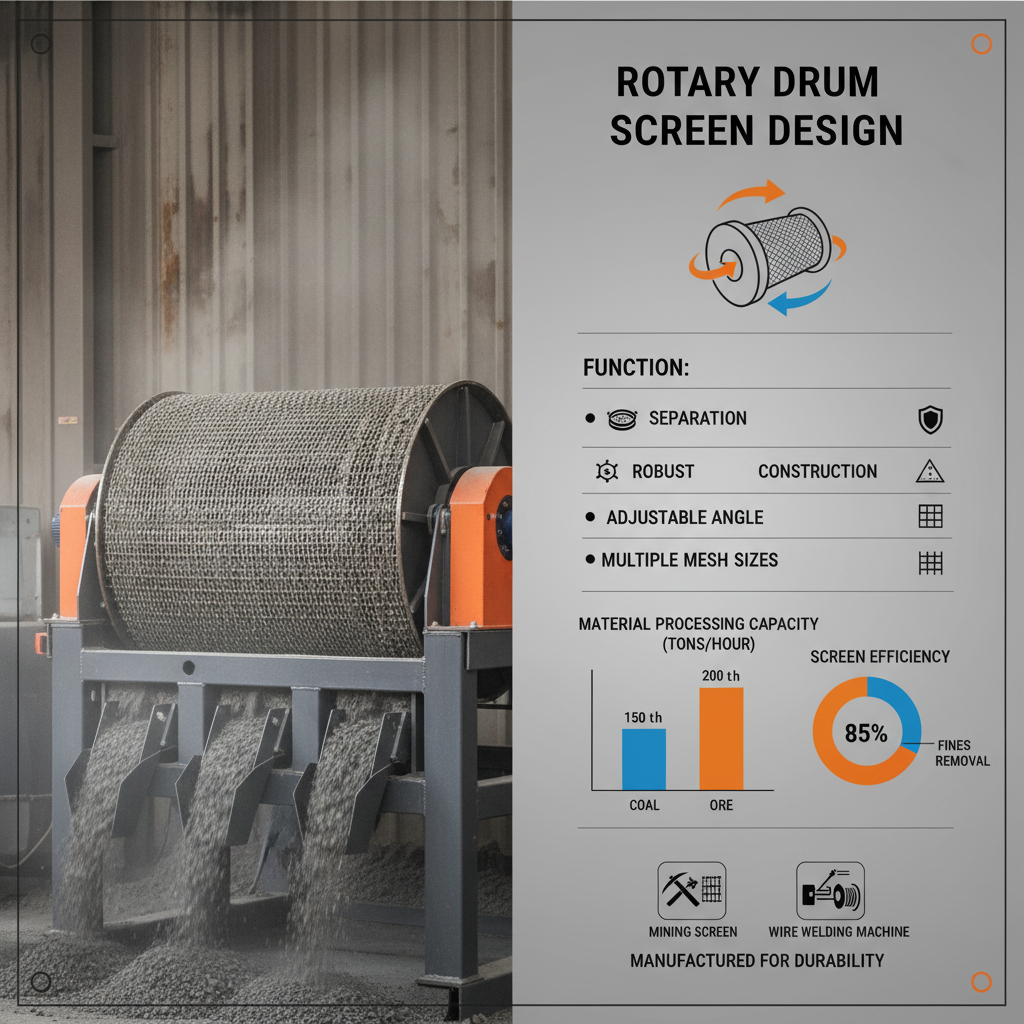
Maintenance and Operational Considerations for Long-Term Performance
Regular maintenance is vital for maximizing the lifespan and efficiency of a rotary drum screen. This includes routine inspections for wear and tear, cleaning to prevent clogging, and lubrication of moving parts. Monitoring the drive system for any signs of malfunction is crucial. Implementing a preventative maintenance schedule, based on operating hours and feed characteristics, will minimize downtime and ensure consistent performance. Proper operation, including controlled feed rates and avoiding overloading, also contributes to long-term reliability. Partnering with a reputable supplier like Muto Screen can provide ongoing support and expertise.
Conclusion: Investing in Quality Rotary Drum Screen Design
A well-designed rotary drum screen is a critical asset for industries requiring efficient solid-liquid separation. By carefully considering factors like material selection, screen mesh, drive systems, and maintenance requirements, you can optimize performance, reduce operational costs, and extend the lifespan of your equipment. Investing in a quality solution from a trusted provider like Muto Screen ensures a reliable and effective separation process.
Frequently Asked Questions (FAQs)
What is the typical lifespan of a rotary drum screen?
The lifespan varies considerably depending on operating conditions, feed material abrasiveness, and maintenance practices. With proper care, a well-constructed rotary drum screen can last 10-20 years or more. However, regular inspections and timely replacement of worn components are essential to prevent premature failure. Corrosion, mechanical stress, and clogging are common factors that can reduce lifespan. Choosing high-quality materials and implementing a robust maintenance program are crucial for maximizing longevity.
How do I prevent clogging in a rotary drum screen?
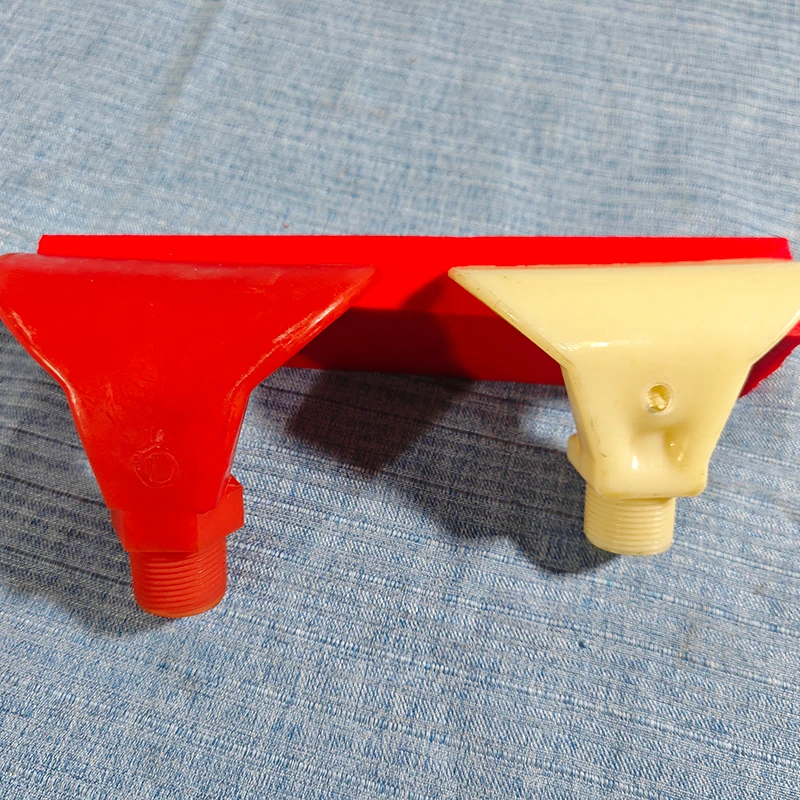
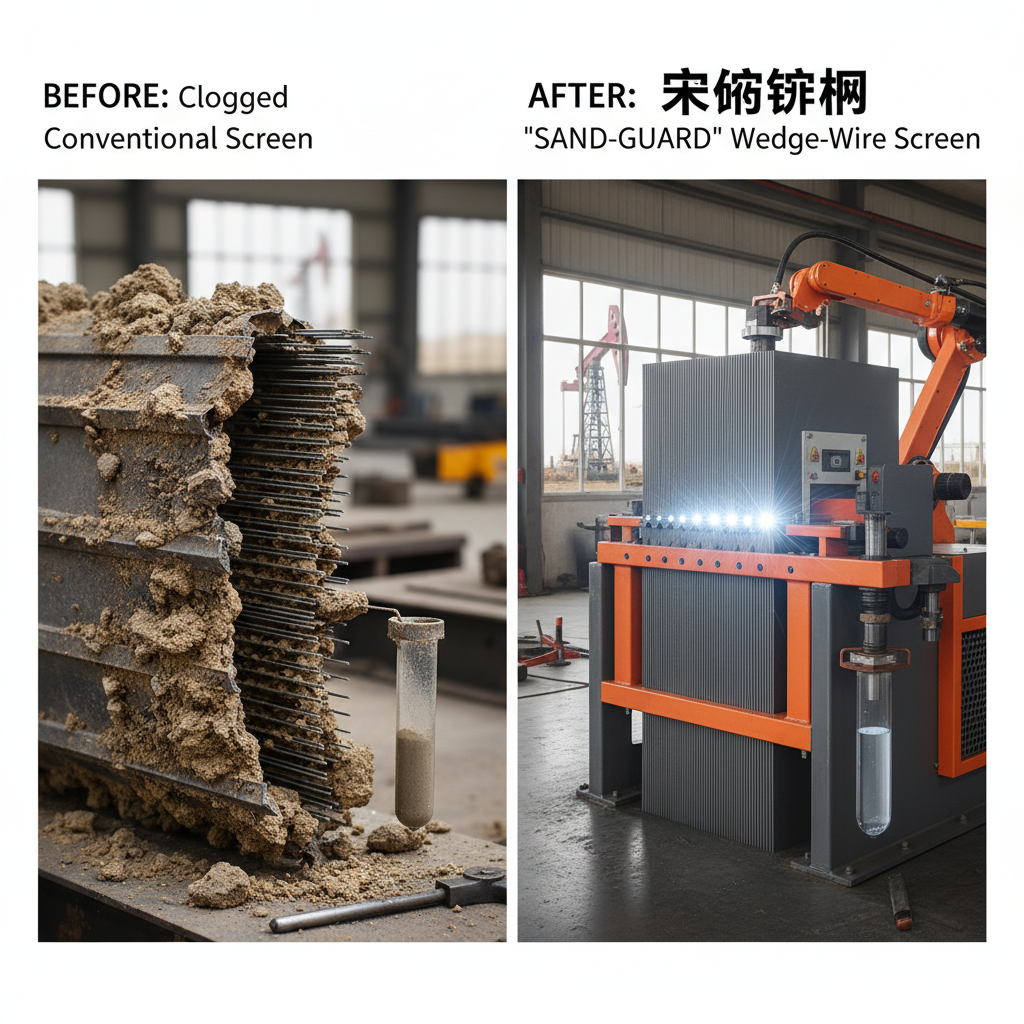
Clogging is a common issue, particularly when handling materials with high solids content or fibrous components. Several preventative measures can be taken. Maintaining a consistent feed rate helps avoid overloading the screen. Implementing a pre-screening stage to remove larger debris can also reduce clogging potential. Regular flushing with water or cleaning solutions can dislodge accumulated solids. Choosing a screen mesh with an appropriate open area is vital, preventing smaller particles from lodging and building up. Finally, consider installing spray nozzles inside the drum to continuously wash away accumulated material.
What factors influence the energy consumption of a rotary drum screen?
Energy consumption is influenced by several factors. The size and weight of the drum, the speed of rotation, the solids loading, and the drive system efficiency all play a role. A heavier drum and higher rotation speed require more energy. High solids loading increases the torque needed to turn the drum. Selecting an energy-efficient drive system and optimizing the drum speed to the minimum required for effective separation can significantly reduce energy consumption. Regular maintenance, such as lubricating bearings, also minimizes energy losses.
Can rotary drum screens handle abrasive materials?
Yes, rotary drum screens can handle abrasive materials, but careful consideration must be given to material selection and design. Using wear-resistant materials like hardened stainless steel or ceramic liners can significantly extend the lifespan of the screen. Designing the drum with a larger diameter and lower rotation speed can also reduce wear. Regular inspections for signs of abrasion and timely replacement of worn components are essential to prevent catastrophic failure.