Understanding Self-Cleaning Mesh in Industrial Applications
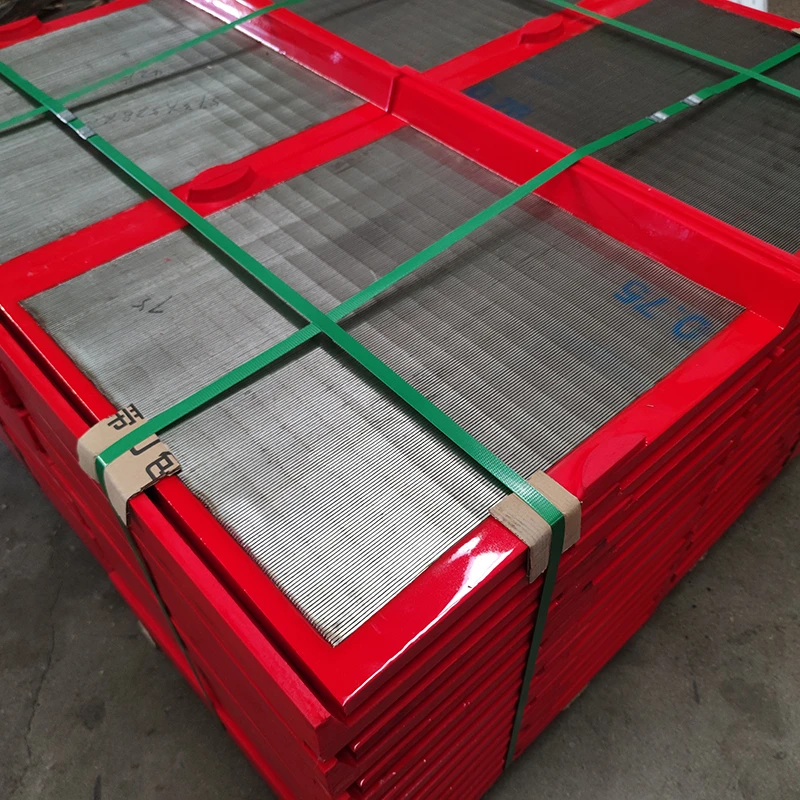
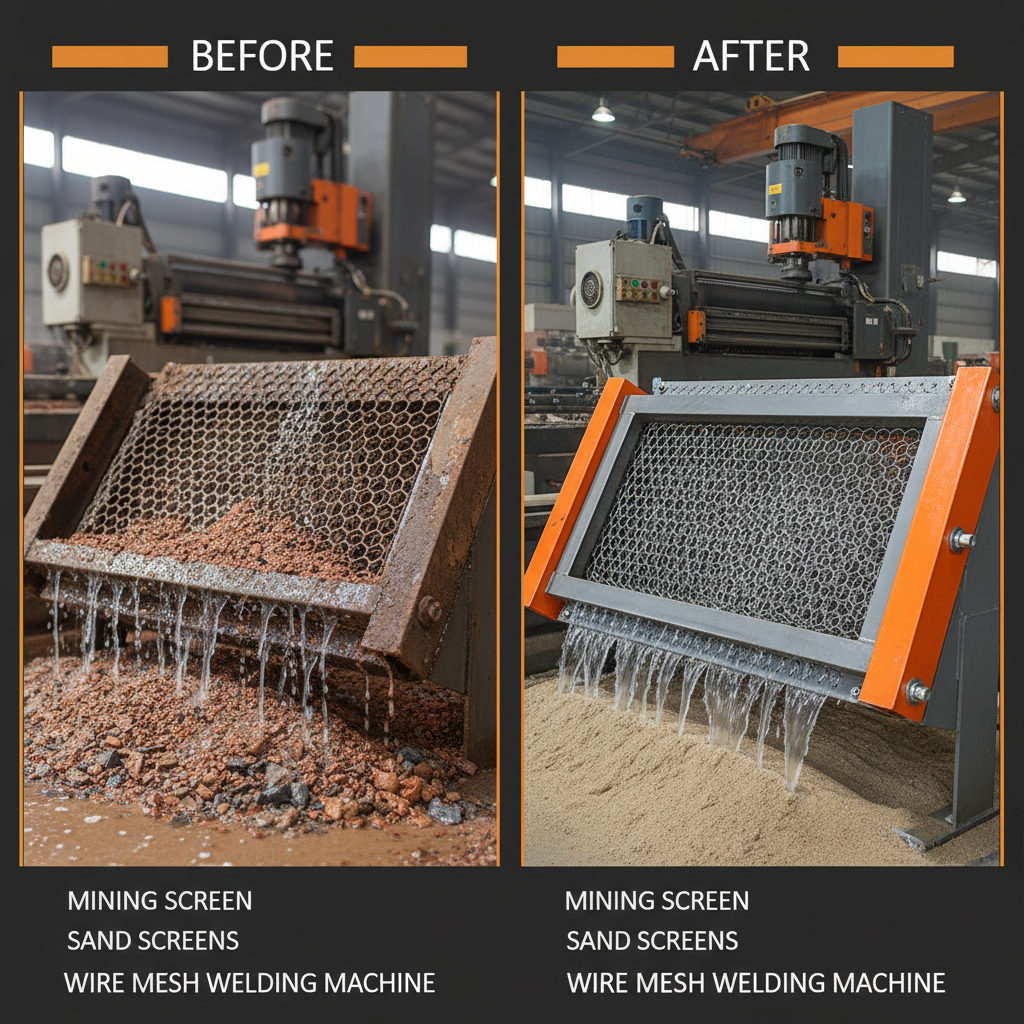
You know, after years grinding away in the industrial equipment sector, one thing's clear: the smaller details often make the biggest difference. Take self-cleaning mesh for example. At first glance, it might seem like just another screened surface, but frankly, once you've seen it in action—especially in environments where clogging is a constant headache—it’s a game changer.
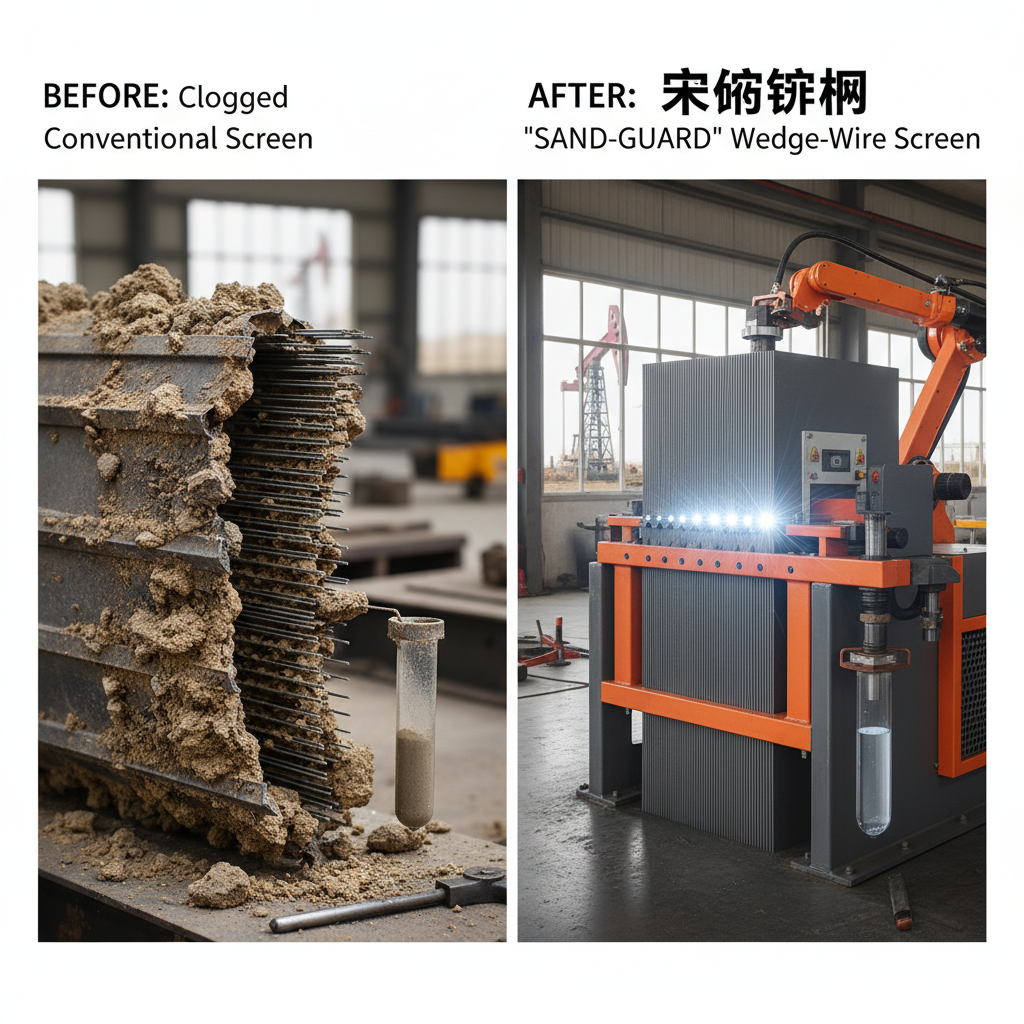
From what I've observed over the years, the demand for mesh that can essentially maintain itself has grown exponentially. Industries dealing with particulate matter, sludge, or even sticky residues often struggle with downtime as operators stop to clean or replace clogged filters or screens. That's where self-cleaning meshes come in, designed to minimize human intervention and maximize operational uptime.
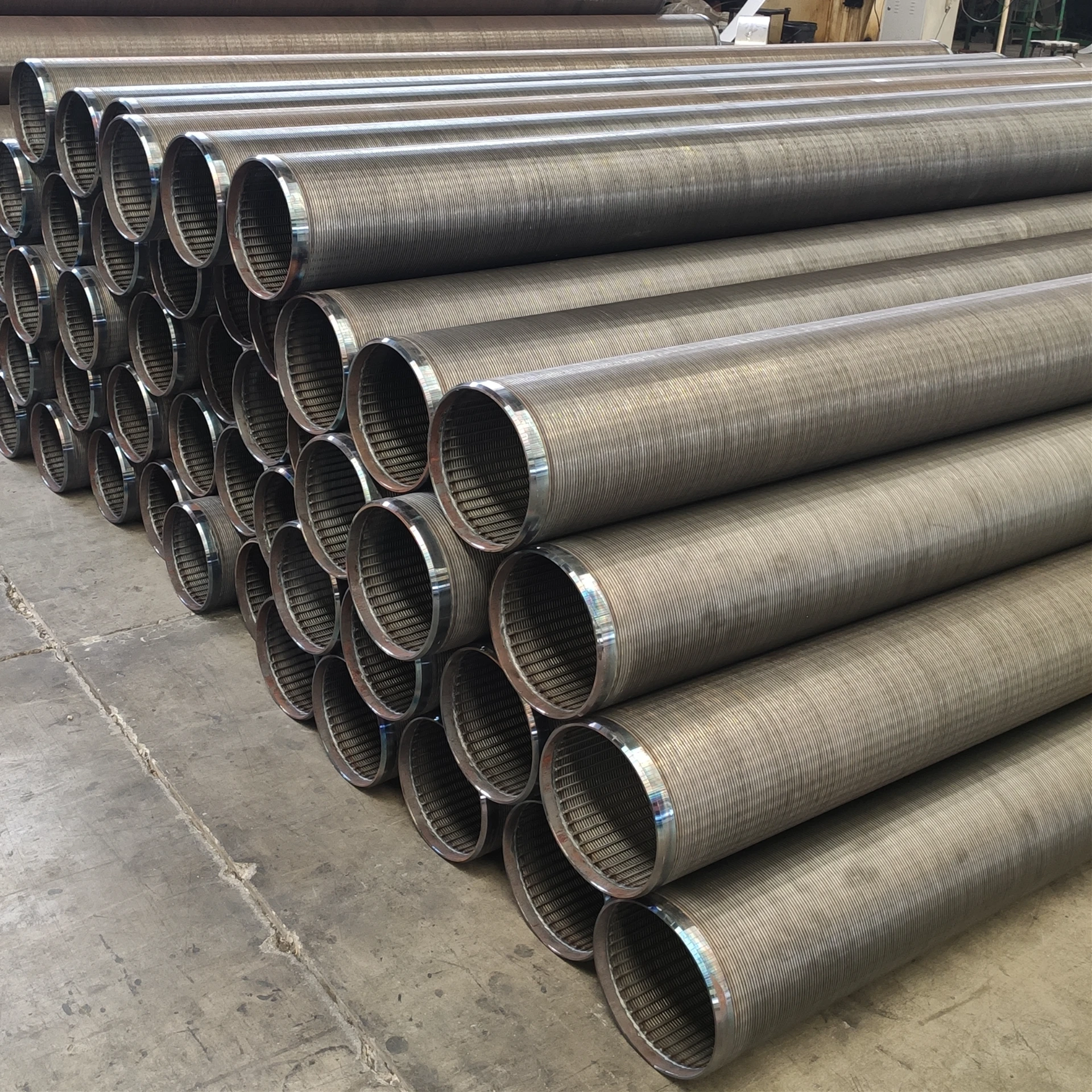
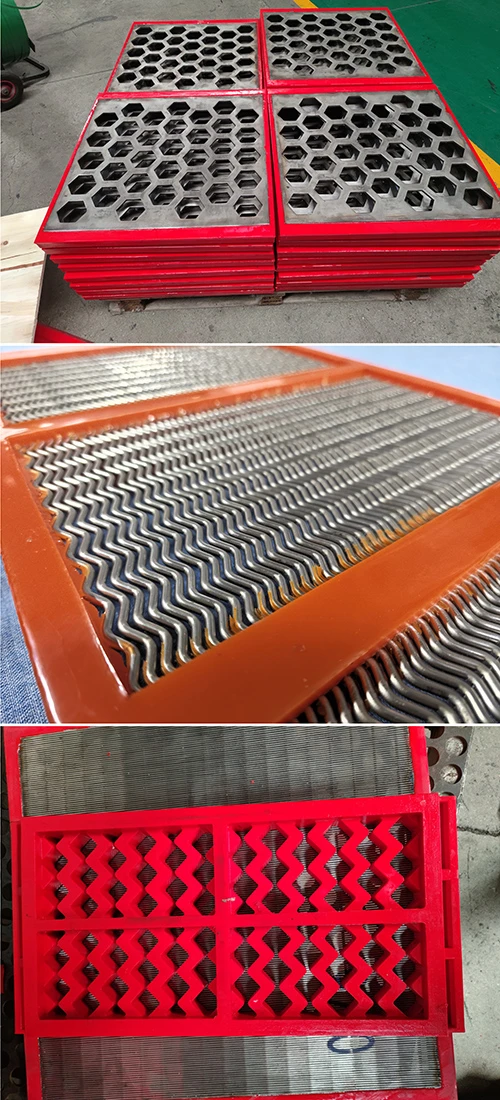
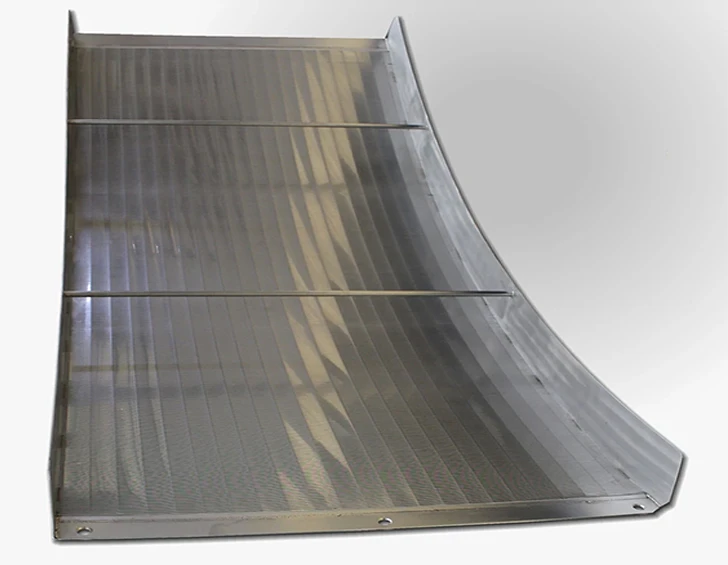
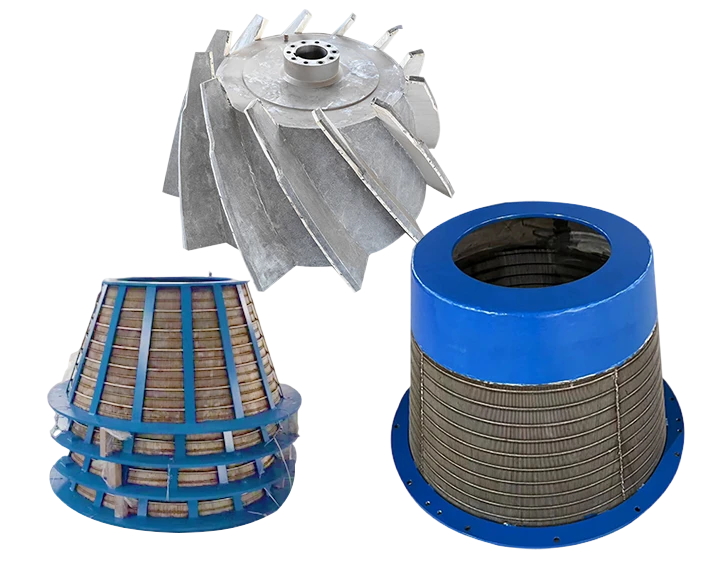
Now, these meshes aren’t magic, but their engineering is certainly impressive. They often combine specially designed material surfaces with strategically placed mechanical or pneumatic agitations. Some vendors even customize the weave pattern or coating to suit specific media — oily, wet, abrasive, you name it. Oddly enough, something as simple as tweaking wire thickness or mesh shape can drastically change cleaning effectiveness, helping stubborn debris fall away rather than sticking around.
In real terms, this isn’t just about convenience. It’s about cost savings and consistent product quality too. One client I recently worked with, a mid-sized chemical processing plant, found that switching to a self-cleaning mesh reduced their filter cleaning cycles by more than half. They reported less downtime and a noticeable drop in product contamination levels. Kind of amazing when you think about it—less mess, fewer interruptions, and a smoother workflow.
Self-Cleaning Mesh: Typical Specifications
| Specification | Details |
|---|---|
| Material | Stainless Steel (304/316), Nylon, Polypropylene |
| Mesh Opening Size | 20 to 500 microns (customizable) |
| Coating Options | PTFE, Rubber, Ceramic, None |
| Cleaning Mechanism | Mechanical vibration, Backflushing, Pneumatic jets |
| Operating Temperature | -20°C to 250°C (depending on material) |
| Typical Lifespan | 3-7 years, depending on application intensity |
It's also worth mentioning how thorough product testing plays a role here. Most manufacturers put self-cleaning mesh through rigorous operational trials to simulate real-world stress—abrasion, corrosion, pressure fluctuations. I’ve tasted success stories where a mesh outperformed others simply because of the subtle material enhancements or the unique physics behind its cleaning method.
Vendor Comparison: Finding the Right Fit
| Feature | Muto Screen | Competitor A | Competitor B |
|---|---|---|---|
| Customization Options | Extensive (materials, coatings, sizes) | Limited | Moderate |
| Proprietary Cleaning Tech | Yes, patented vibration system | No | Yes, pneumatic jet system |
| Lead Time | 4-6 weeks | 6-8 weeks | 5-7 weeks |
| Customer Support | 24/7 technical assistance | Business hours only | Limited after sales service |
| Price Range | $$$ (Premium) | $$ (Mid-range) | $ (Budget) |
So, why does this matter? Well, picking a self-cleaning mesh vendor is sort of like investing in a piece of equipment: you want reliability, tailored solutions, and solid support behind it. If you ask me—and I suppose many engineers would agree—it's best to look beyond price tags to what you really get in durability and service. Muto Screen’s range, for instance, showcases a great balance of high customization with proven cleaning technologies, which can save headaches in the long haul.
Before I wrap this up, a quick note on installation and maintenance. Honestly, self-cleaning doesn’t mean zero maintenance—I’ve learned that the tech makes cleaning less frequent and easier, but periodic inspections remain essential. Treat your mesh well, and it’ll keep on outperforming traditional screens.
In the end, self-cleaning mesh stands out as a practical, smart choice for many industrial setups wrestling with clogging and contamination issues. Having it in your toolkit can save you not only time and money but also a fair bit of stress.
Takeaway: The right self-cleaning mesh isn’t just a product; it’s an investment in smooth and efficient operations that many seasoned engineers swear by.
References:
1. Industry testing results (2021-2023) from major industrial mesh producers.
2. Case study: Chemical processing plant operational improvements, 2022.
3. Technical data sheets from leading mesh manufacturers including Muto Screen.