Aggregate Screens: Durable, Efficient Solutions for Industrial Material Sorting | Mutoscreen
Aggregate Screens is a key solution in the industry, specifically within mining, quarrying, and construction sectors. This article explores how Mutoscreen supports professionals with durable, high-performance products, and explains why this product is an ideal choice for businesses in these sectors.
Table of Contents
- Aggregate Screens Overview
- Benefits & Use Cases of Aggregate Screens
- Cost, Maintenance & User Experience
- Sustainability & Market Trends
Aggregate Screens Overview
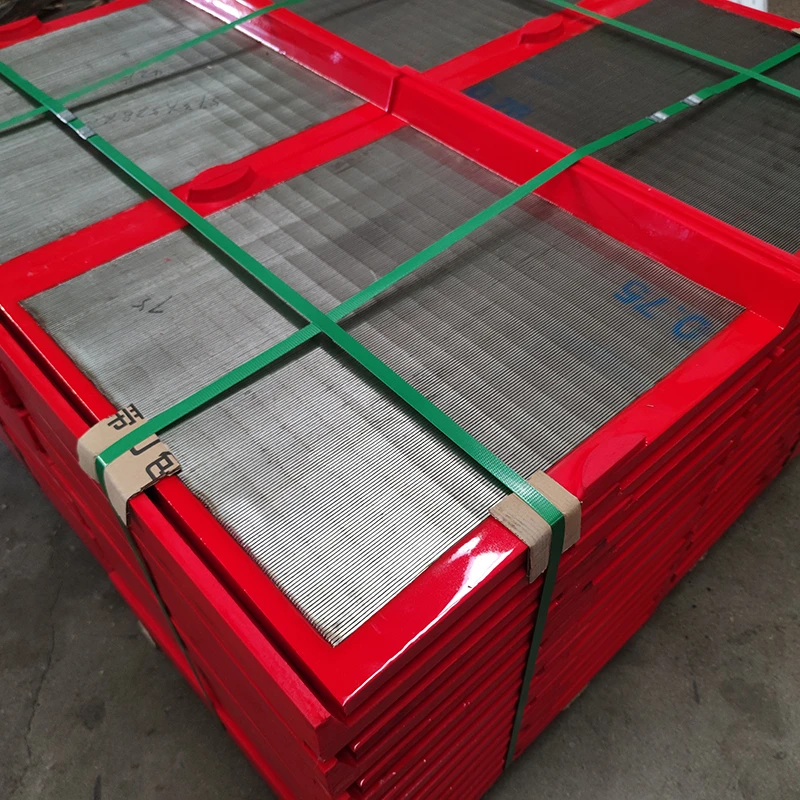
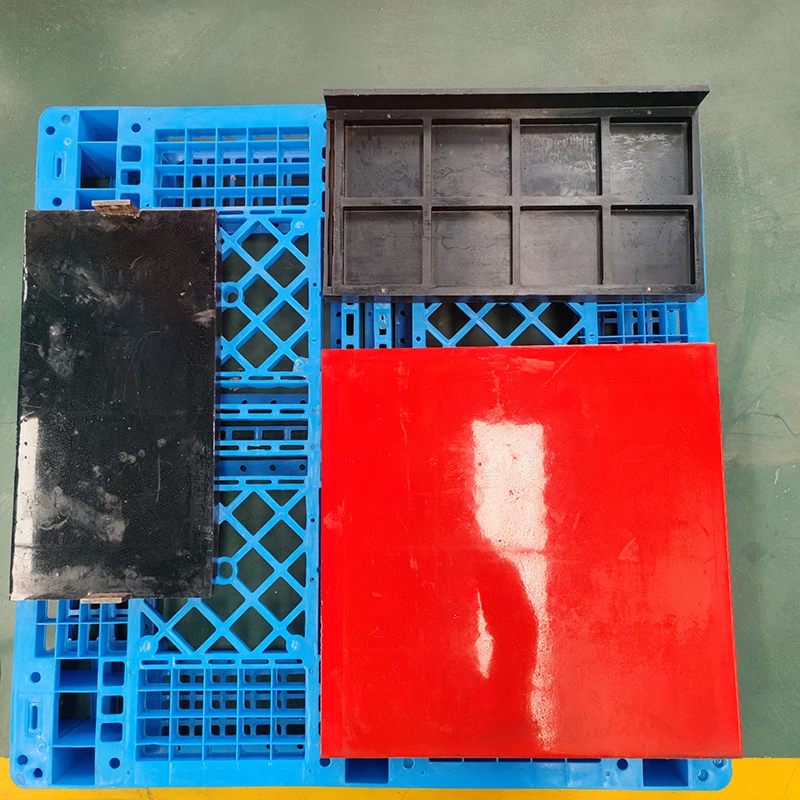
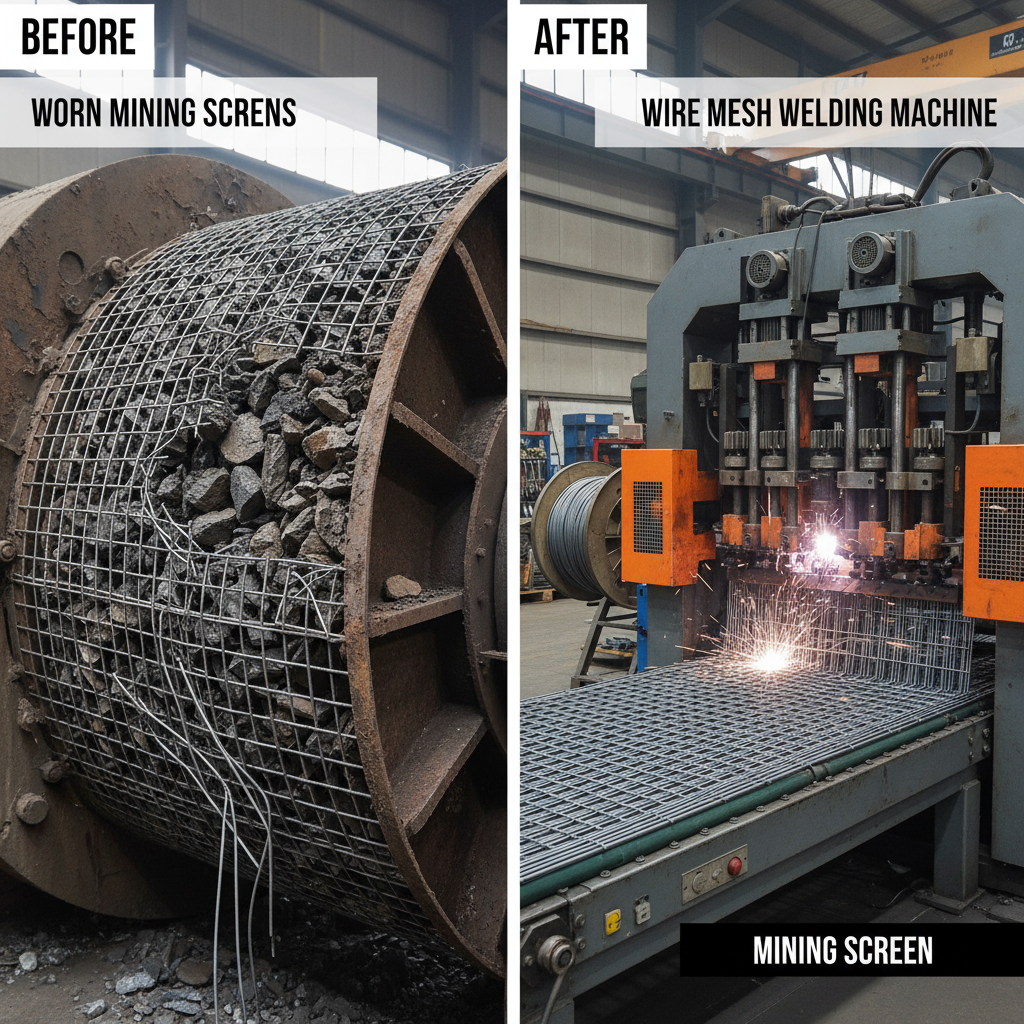
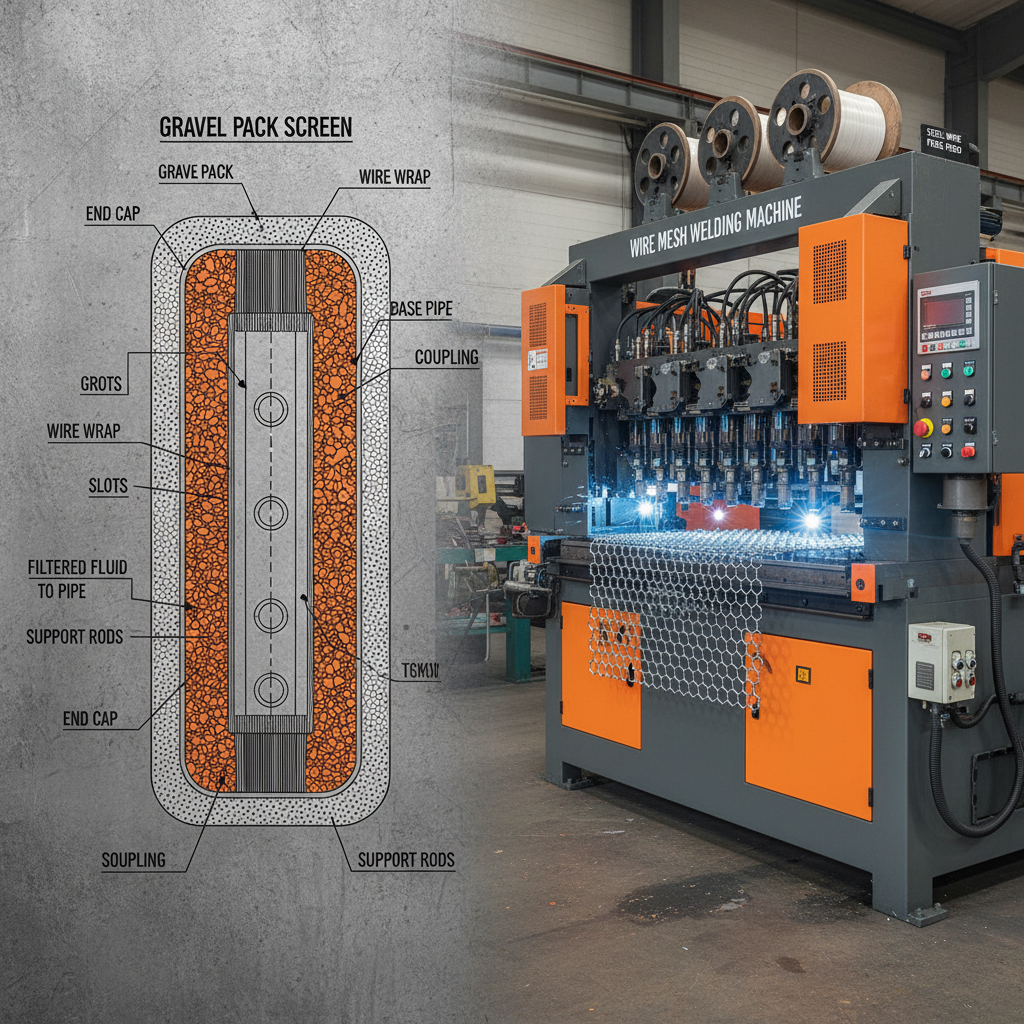
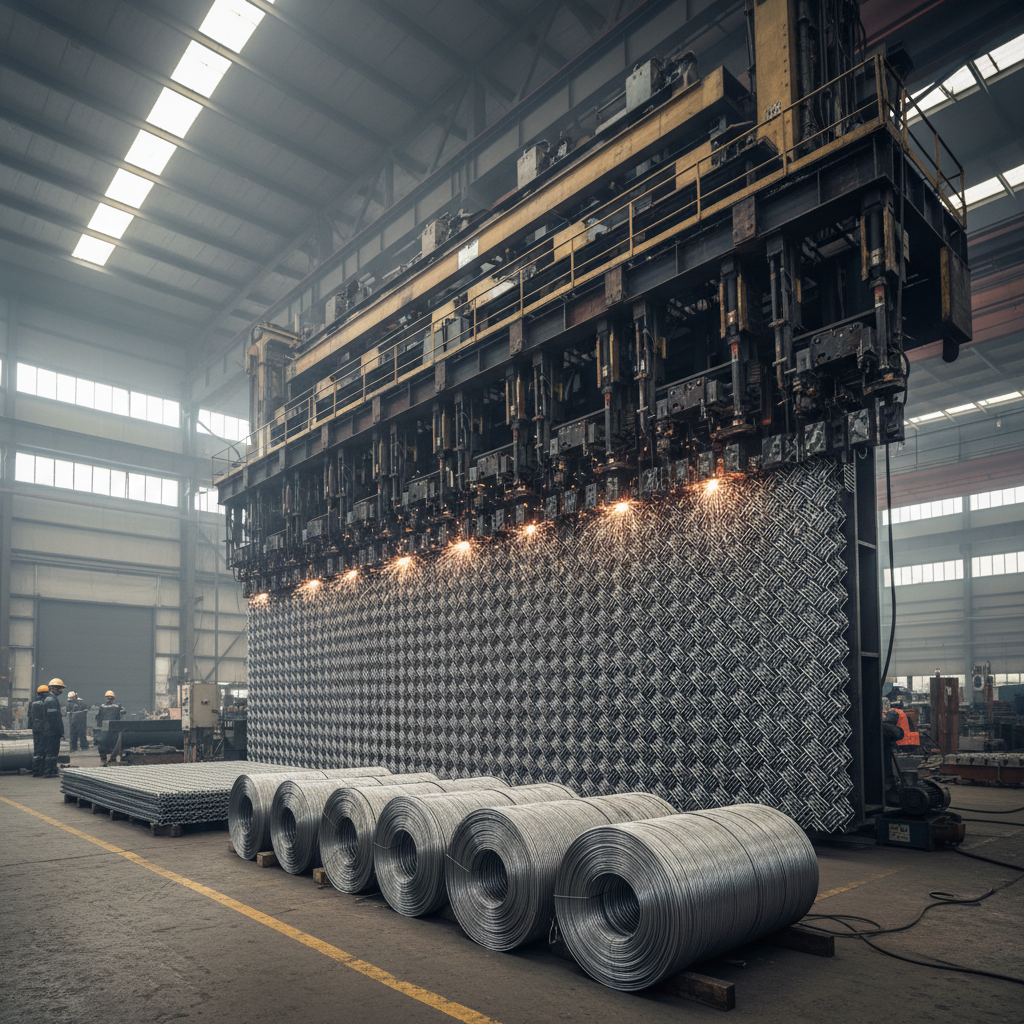
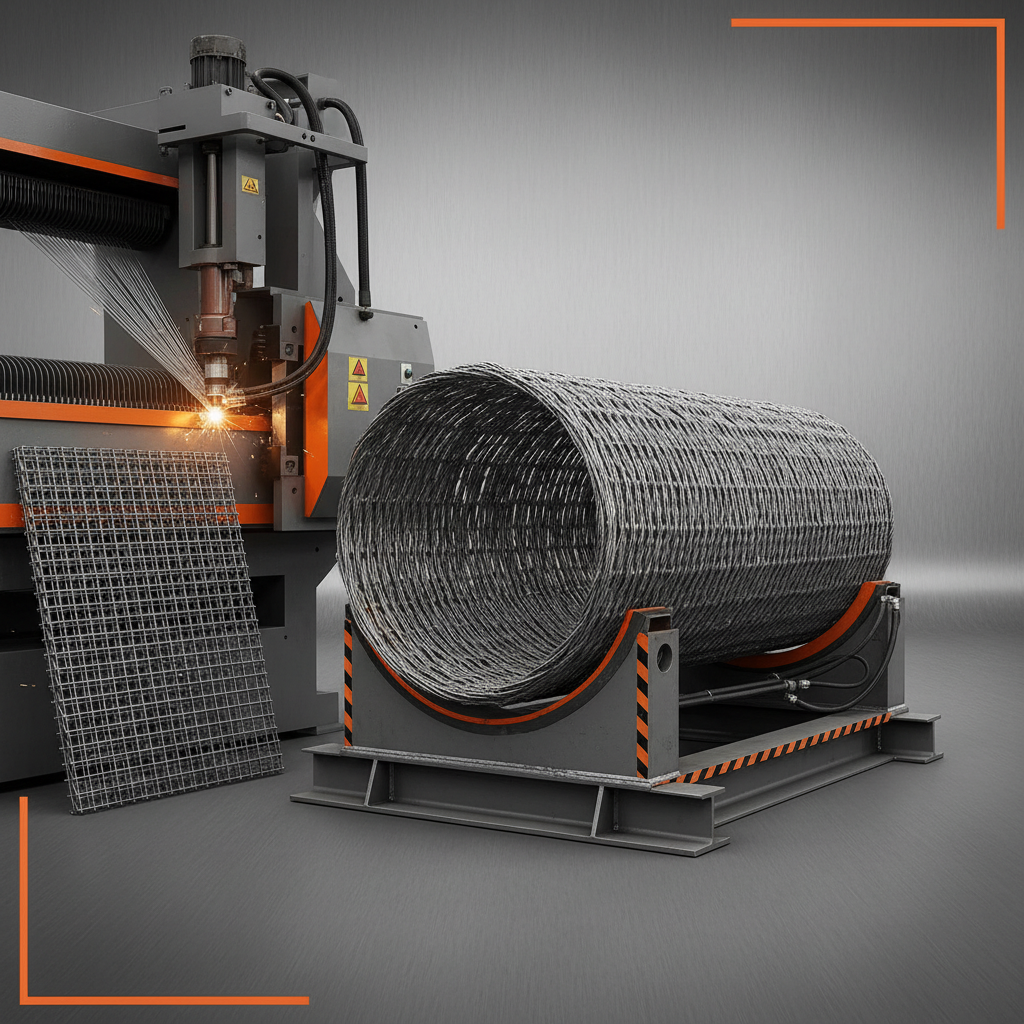
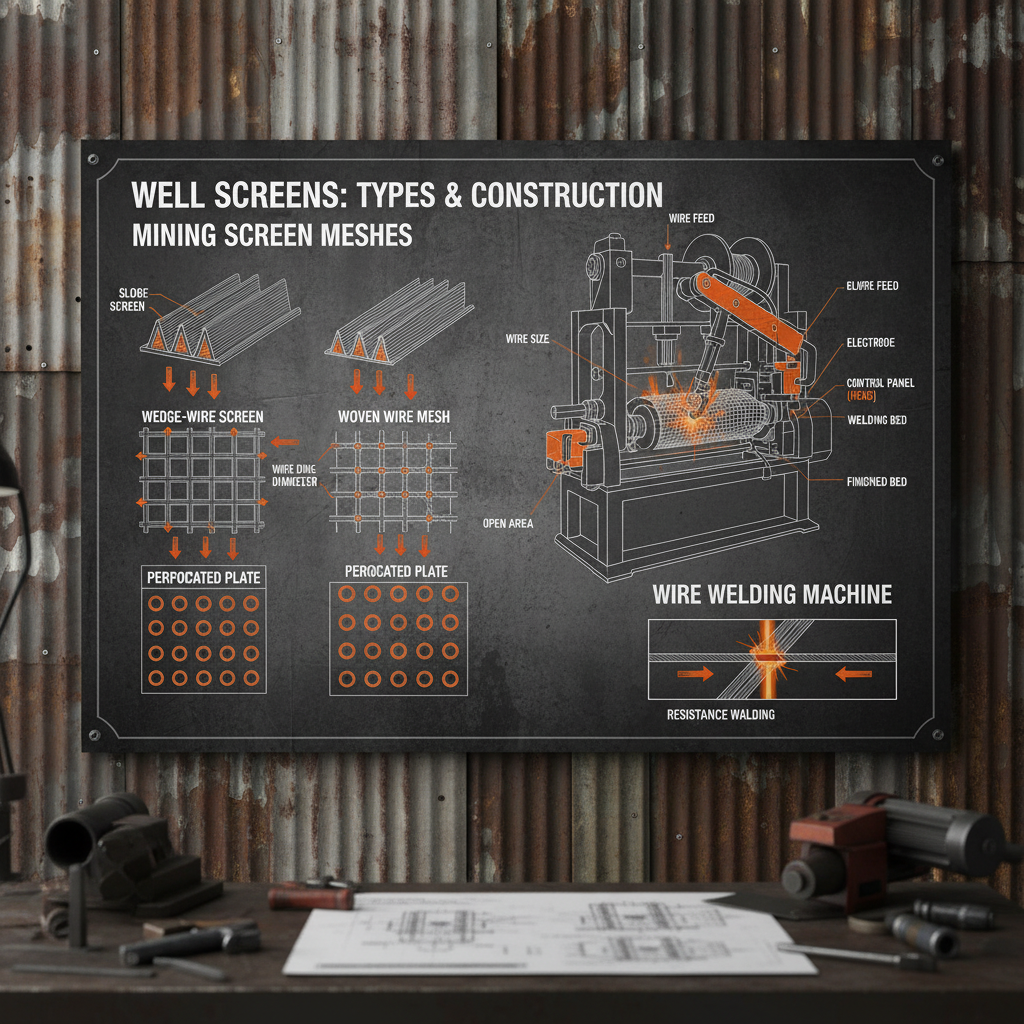
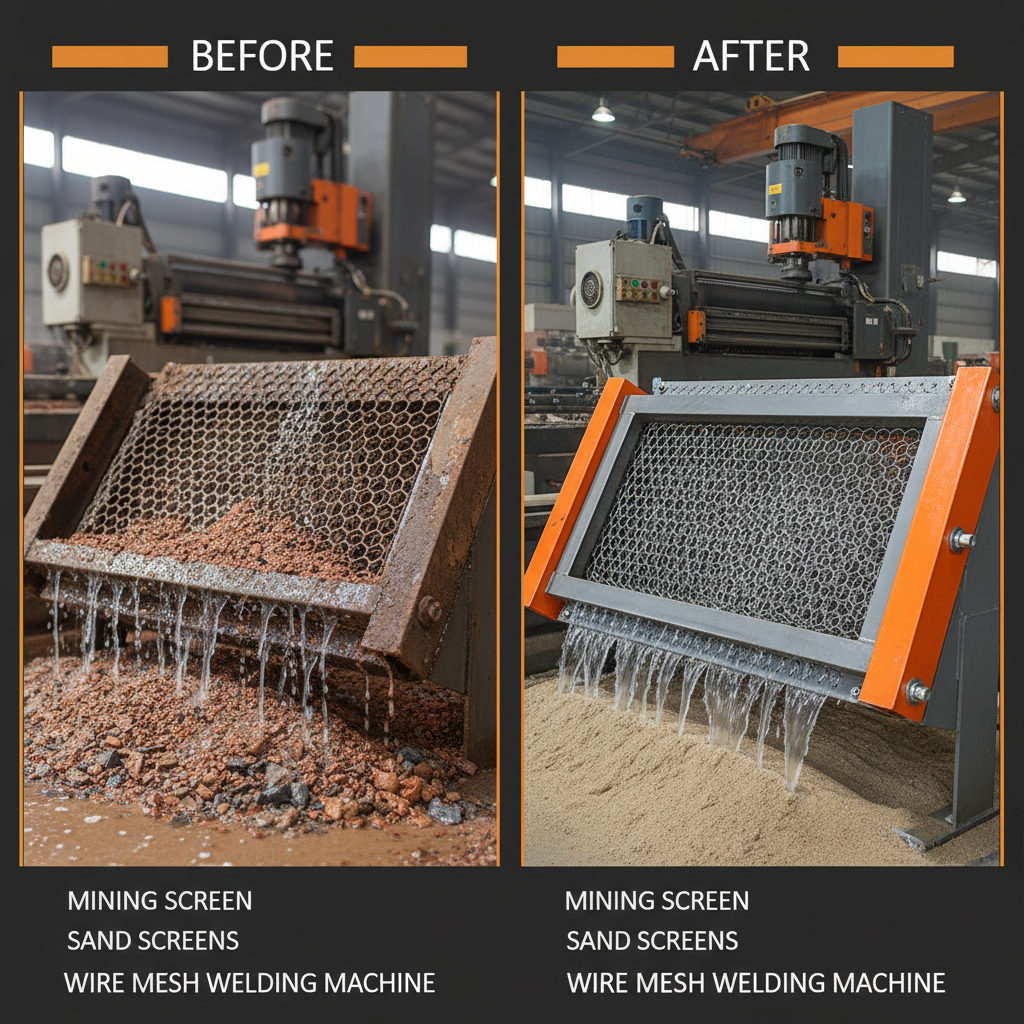
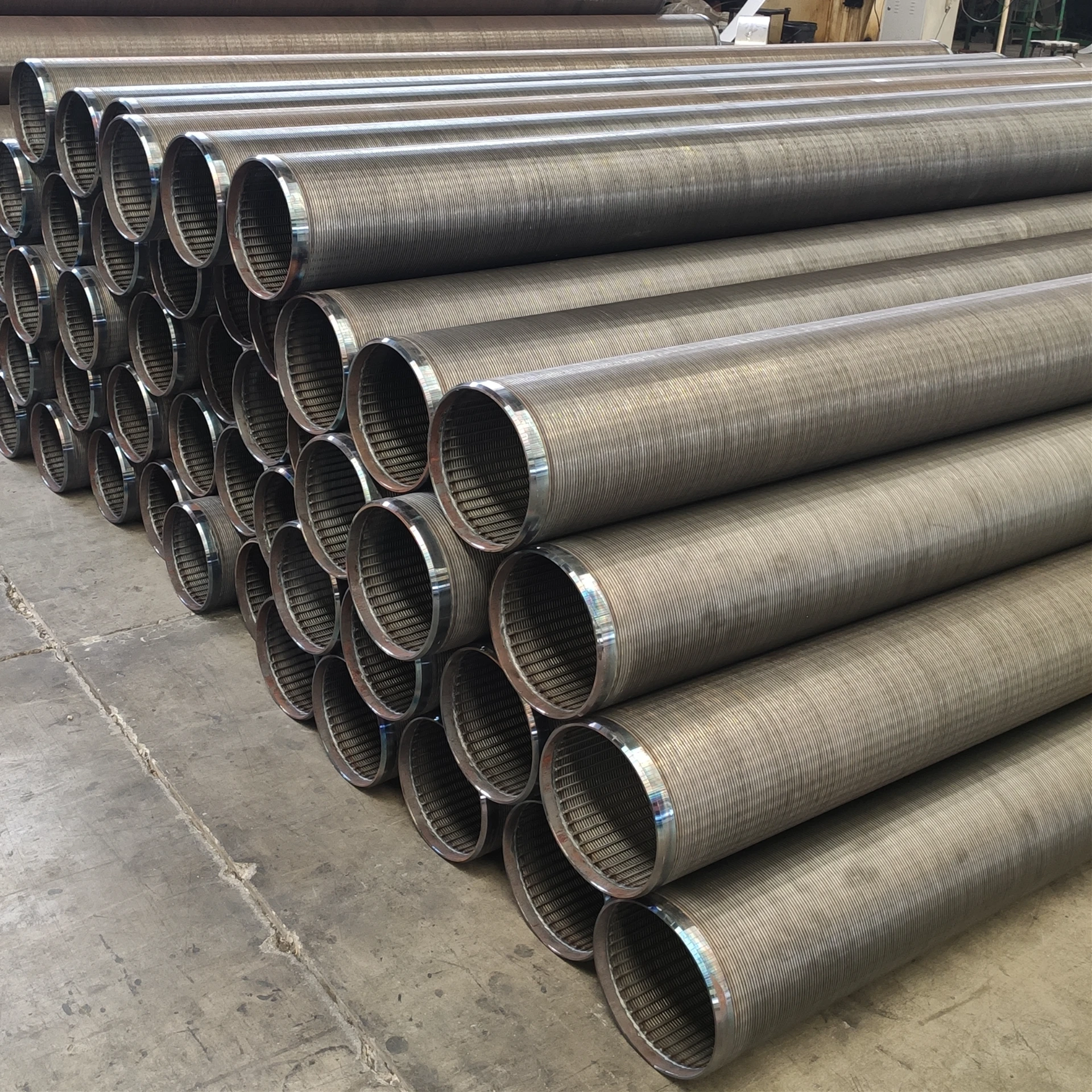
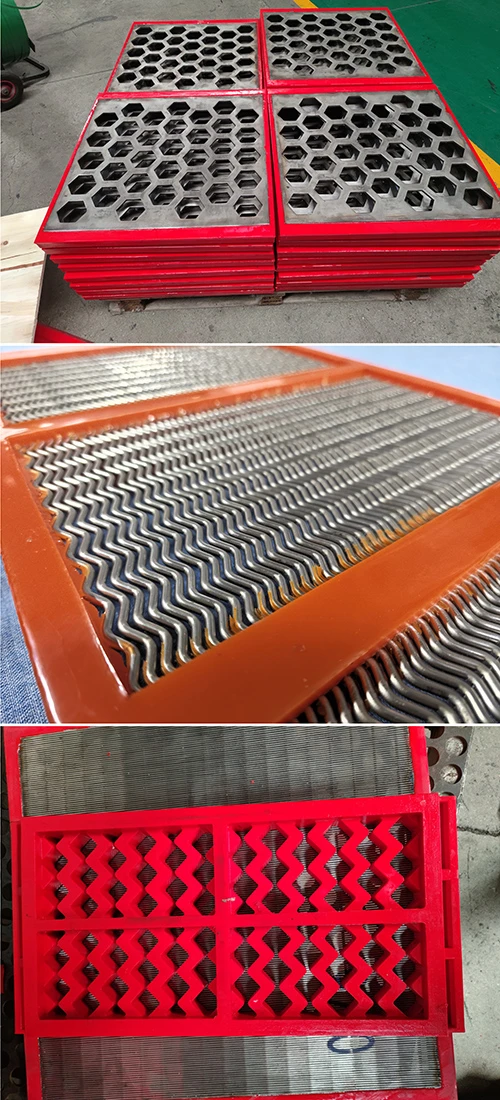
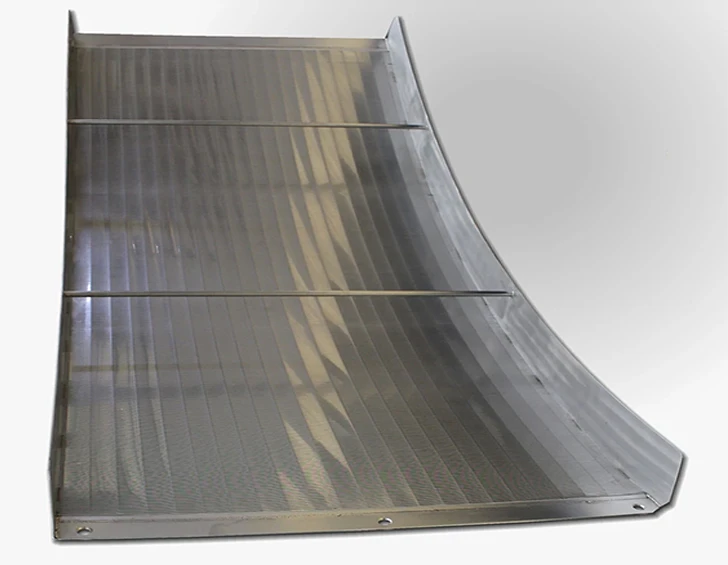
Simply put, aggregate screens are specialized vibrating screening surfaces designed to separate crushed stone, gravel, sand, and other bulk materials by size. They’re absolutely critical in mining and construction industries, which depend on precision material sorting for both quality and efficiency. The heart of these screens typically involves modular panels made of durable steel, often wear-resistant manganese steel or polyurethane, to withstand relentless material abrasion.
Mutoscreen, a key player you might already know, offers a range of aggregate screens designed for high throughput and long life. For instance, their 3/4-inch stepped punch plate model can handle up to 1000 tons per hour, balancing mechanical strength with surface area designed to reduce blinding and improve material flow. In real terms, their products are tested to handle heavy impact loads and offer easy-to-replace panels, making downtime less of a headache.
| Specification | Mutoscreen 3/4” Step Punch Plate | Material | Capacity | Wear Life |
|---|---|---|---|---|
| Screen Opening | 3/4 inch (19 mm) | High wear manganese steel | ~1000 tons/hr | Up to 12 months |
| Panel Size | 4’ x 8’ (approx.) | — | — | — |
Benefits & Use Cases of Aggregate Screens
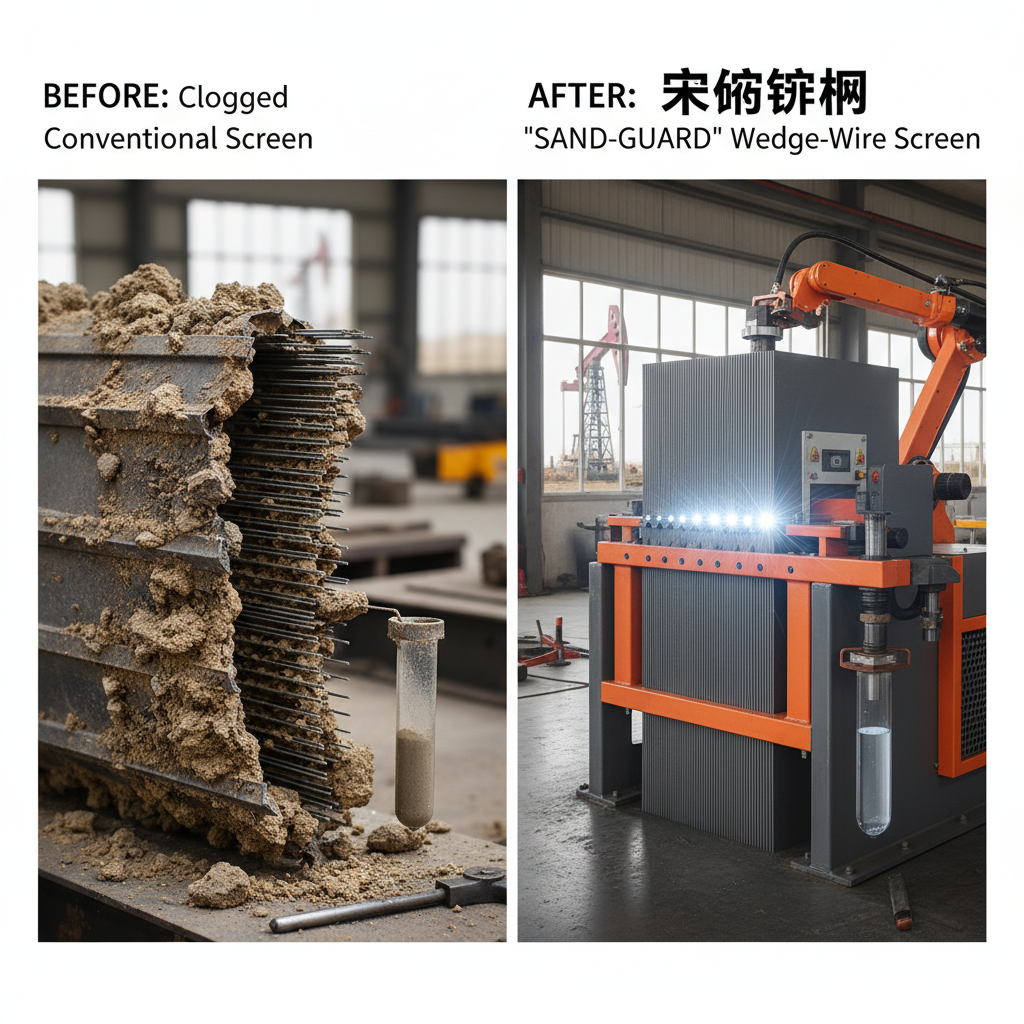
Honestly, the versatility of aggregate screens is impressive. In mining operations, they’re used to grade ores by size right after blasting, helping separate the valuable minerals from waste rock. In construction, these screens help sort sand and gravel to meet precise grade requirements for concrete or road base. The ability to handle wet, sticky materials without clogging is a big win for operators. Mutoscreen’s designs usually come with anti-blinding features, which I've noticed drastically reduce downtime during wet-season operations.
What sets Mutoscreen apart are two things: their wear-resistant materials and modular panel design. This means if a section wears down, teams can replace just a part of the screen, not the whole thing. This cuts costs and keeps things moving. Plus, the vibration frequency and amplitude are optimized to improve separation efficiency without stressing the machinery — many engineers I know highlight that as a key factor.
Cost, Maintenance & User Experience
When talking shop, cost is always a frontline concern. The total cost of ownership for aggregate screens from Mutoscreen tends to be favorable if you look beyond upfront price. Their abrasion-resistant panels last longer, which means fewer replacements over time — it’s one of those classic trade-offs that pay off if you’re in for the long haul. Combine that with reduced downtime from easier maintenance, and ROI generally stacks up well.
Feedback from users in the quarry sector, for example, often mentions not just durability but how the panels' modularity has simplified repairs and stock management. It’s worth noting, though, that maintenance routines still require discipline — regular inspections and cleaning help keep screen openings from clogging, especially with fine or damp aggregates.
| Vendor | Material Quality | Modularity | Typical Lifespan (months) | Customer Support |
|---|---|---|---|---|
| Mutoscreen | High-grade manganese steel | Yes, panel replacement | 8–12 | Excellent, on-call engineering |
| Competitor A | Medium-grade steel | Limited | 6–8 | Good |
| Competitor B | Polyurethane panels | Yes, but limited sizes | 7–10 | Fair |
Sustainability & Market Trends
Sustainability has become harder to ignore in aggregate screen manufacturing. Raw materials come from finite resources, so longer-lasting products like those offered by Mutoscreen align well with a circular economy approach. Also, manufacturers are gradually integrating more eco-friendly coatings and reducing waste in production.
Meanwhile, industry regulations increasingly require precise grading to limit waste and energy consumption during material processing. Aggregate screens that can maintain efficiency while extending service life fit nicely into this regulatory landscape. Oddly enough, I’ve seen some companies even reporting lower fuel consumption on their crushers and conveyors because screens from Mutoscreen promote better sorting up front.
Frequently Asked Questions about Aggregate Screens
- What is Aggregate Screens and how does it work?
- Aggregate screens are heavy-duty vibrating platforms or panels used to separate bulk materials by size. Materials pass over the screen, which sorts particles through its openings while rejecting oversize or undersize, enabling effective grading.
- What are the main benefits of using Aggregate Screens in industrial applications?
- They improve sorting accuracy, reduce equipment wear downstream, increase throughput capacity, and offer robust longevity, all while minimizing maintenance downtime.
- How does Aggregate Screens compare to traditional alternatives?
- Compared to conventional flat or woven wire mesh screens, aggregate screens made with stepped punch plates or modular panels from companies like Mutoscreen are more abrasion-resistant, easier to repair, and less prone to clogging.
- What industries can benefit most from Aggregate Screens implementation?
- Mining, quarrying, construction, and recycling sectors are primary beneficiaries, using screens to ensure material specifications and operational efficiency.
Conclusion on Aggregate Screens from china
To recap, Aggregate Screens play a pivotal role in material processing industries, helping businesses optimize sorting operations while enhancing durability and reducing operational costs. Mutoscreen’s expertise and product range provide compelling options for decision-makers seeking reliability and adaptability. Frankly, if efficiency and longevity matter to your operation, these screens deserve a serious look.
- Visit our website: https://www.mutoscreens.com
Reflecting on this, it's clear how important it is for companies to balance upfront investment with long-term performance. After all, material screening isn’t glamorous but it’s absolutely fundamental to a smooth industrial process. For more industry insights, see references below.
References:
1. Industry Materials Processing Journal, 2023
2. Mining Equipment Review, 2024
3. Mutoscreen Technical Whitepapers, 2023