Understanding the Perforated Metal Screen: Versatile Solutions in Modern Industry
Perforated metal screens might sound like a niche industrial product, but in reality, they play a surprisingly vital role across many sectors worldwide. From construction facades to air filtration, these materials address complex challenges with elegant simplicity. They balance durability, airflow, visibility, and style — a rare combination that makes them relevant for architects, engineers, and humanitarian workers alike.
Introduction: The Global Importance of Perforated Metal Screens
Globally, industries are under increasing pressure to improve sustainability, efficiency, and safety. The perforated metal screen contributes in each of these areas by offering a lightweight yet strong solution that reduces material use without compromising structural integrity. According to the International Organization for Standardization (ISO), lightweight materials reduce carbon footprints by minimizing transportation emissions and raw material consumption. This ties directly into why perforated metal screens have become go-to materials in everything from building exteriors to industrial filtration — especially in environmentally conscious regions.
Oddly enough, one of the biggest problems these screens solve is the balance between ventilation and protection. For example, in urban centers with heavy pollution, facilitating airflow without letting in debris is critical. Perforated metal does just that while being resistant to weather or mechanical damage.
What is a Perforated Metal Screen?
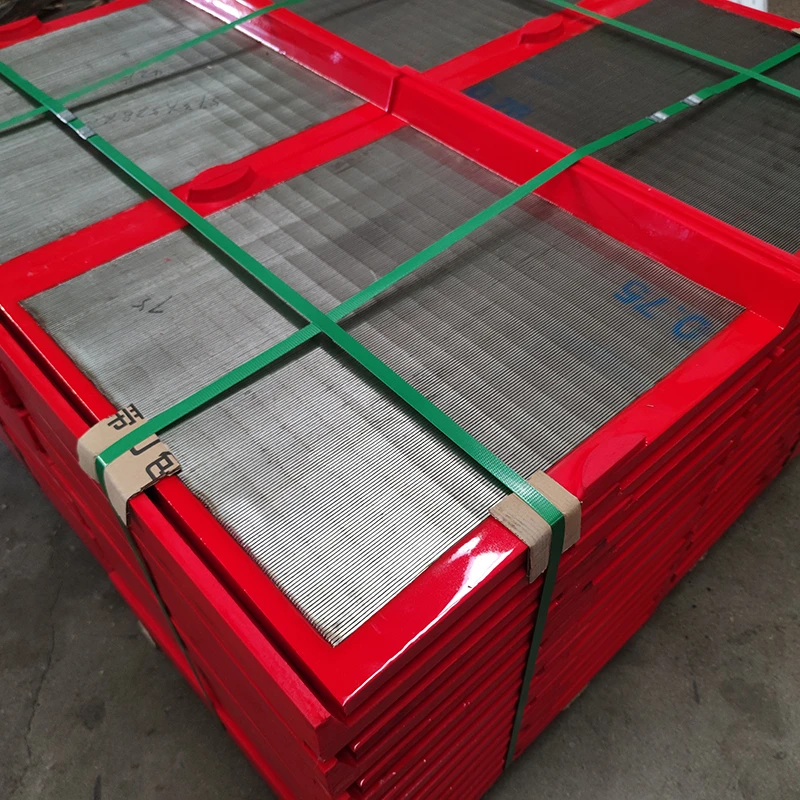
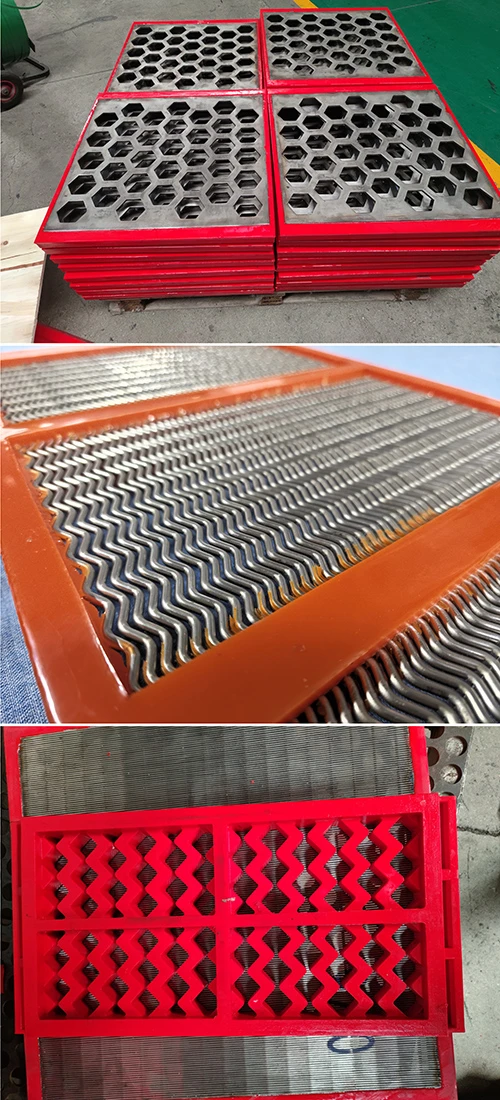
The term perforated metal screen refers to sheets of metal that have been mechanically or chemically punched with a matrix of holes in a specific pattern. These holes can be round, square, or custom shapes depending on the application. The result is a material that allows air, light, or sound to pass through while maintaining strength and security.
These screens find application in modern industrial setups (air filters, speaker grilles, machine guards), architectural features (facades, sunscreens, decorative panels), and even humanitarian sectors (temporary shelters or water filtration systems). The common thread is their versatility and adaptability — and frankly, their ability to combine form and function seamlessly.
Key Components and Characteristics of Perforated Metal Screens
1. Durability
Typically fabricated from aluminum, stainless steel, or galvanized steel, these screens withstand harsh environmental conditions including corrosion, temperature fluctuations, and physical wear. This makes them ideal for outdoor or industrial use where material failure isn’t an option.
2. Scalability and Customization
The manufacturing processes allow for customization in terms of hole size, pattern, sheet thickness, and metal type. This scalability translates to practical benefits: architects can design unique façades; engineers can optimize filters for particle sizes; humanitarian organizations can develop tailored shelter components rapidly.
3. Cost Efficiency
Reducing raw material while maintaining strength results in lower costs in both procurement and transport. Plus, the longevity of these materials means fewer replacements and repairs over time — a win-win financially.
4. Airflow and Ventilation
Depending on the perforation density, these screens can provide controlled airflow, crucial for HVAC systems, machine guards to cool equipment, and urban design where airflow improves comfort and reduces pollution buildup.
5. Aesthetics
More designers appreciate perforated metal screens for their ability to merge utility with modern architectural beauty. They can be patterned artistically, painted, or combined with other materials to create eye-catching installations that also perform critical functions.
Product Specification Table: Typical Perforated Metal Screen Attributes
| Property | Standard Range | Notes |
|---|---|---|
| Material | Stainless Steel, Aluminum, Galvanized Steel | Material choice depends on application environment |
| Thickness | 0.5 mm - 5.0 mm | Thicker for structural use; thinner for aesthetics/ventilation |
| Hole Diameter | 0.5 mm - 20 mm+ | Customizable to control airflow and visibility |
| Open Area | 10% - 80% | Higher open area equals more airflow or light transmission |
| Finish | Mill finish, powder coating, anodized | Protects against corrosion & enhances appearance |
Vendor Comparison Table: Leading Perforated Metal Screen Manufacturers
| Vendor | Material Range | Customization Options | Lead Times | Global Reach |
|---|---|---|---|---|
| MutoScreen | Steel, Aluminum, Stainless Steel | High — custom hole patterns, finishes | 2–4 weeks | Worldwide |
| Global Perfs Ltd. | Aluminum focus | Moderate — standard patterns | 3–6 weeks | North America, Europe |
| EcoMesh Inc. | Recycled Metals Only | Limited customization | 4–8 weeks | Asia-Pacific |
Global Applications and Real-World Use Cases
Across North America and Europe, architects use perforated metal screens to create visually stunning yet energy-efficient building facades. These façades reduce solar gain while allowing natural airflow, which cuts HVAC costs considerably.
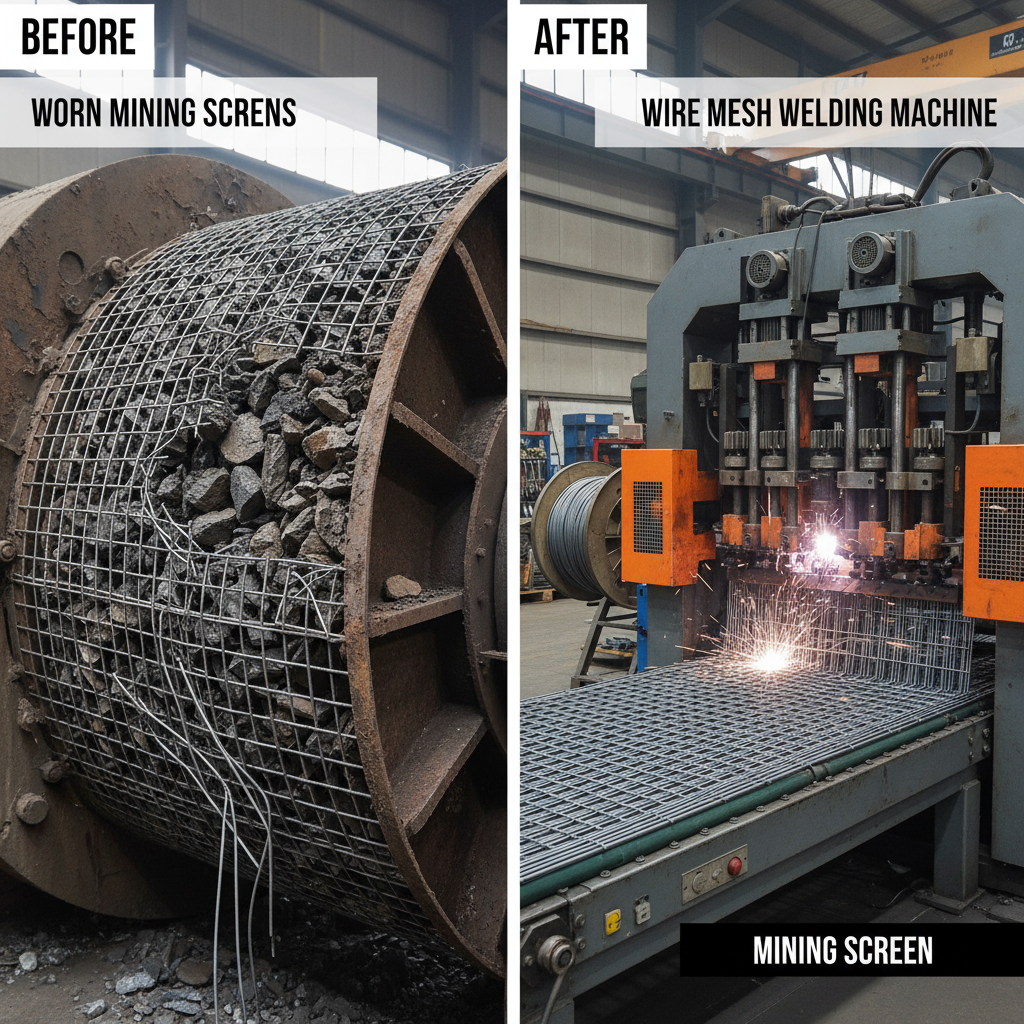
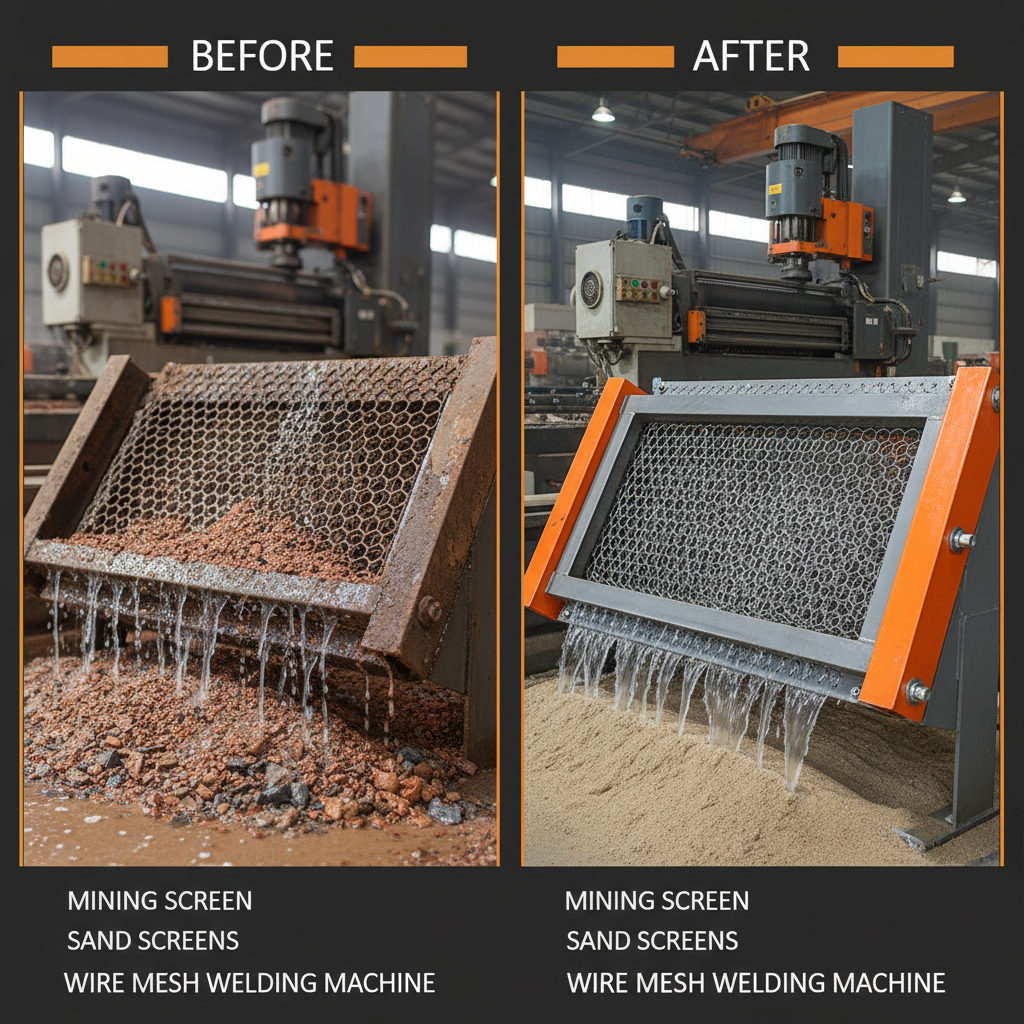
In remote industrial zones—say, mining sites in Africa or Australia—these screens protect sensitive equipment from dust and debris but let heat escape, preventing overheating. Often, they are part of modular shelters or machinery guards that need fast deployment and high durability.
Oddly enough, humanitarian agencies have adopted perforated metal to craft ventilation panels in emergency shelters, where air quality and pest control are major concerns. Lightweight and transportable, these screens improve the living conditions in disaster relief setups.
Advantages & Long-Term Value of Perforated Metal Screens
- Cost Savings: Less raw material means more affordable solutions over time.
- Sustainability: Recyclable metals meet global environmental standards (ISO 14001).
- Reliability: Resistance to corrosion and mechanical wear ensures long life cycles.
- Social Impact: Creates safer, healthier living and working environments.
- Innovation: Enables new architectural designs and improved industrial processes.
In real terms, these benefits mean investments in perforated metal screens pay dividends far beyond the purchase price. It’s about safety, dignity, and fostering trust in the infrastructure around us.
Future Trends and Innovations in Perforated Metal Screens
The future looks exciting. Advances in digital fabrication mean increasingly complex hole patterns are possible, allowing precise control of light, sound, and airflow. Integration with smart sensors embedded within perforated facades is also developing, supporting “smart building” concepts.
Material science is bringing lightweight composites and corrosion-resistant alloys to market, boosting sustainability and lifecycle performance. Green energy projects, like solar panel shading or wind turbines, benefit from perforated metal’s structural and ventilation advantages.
Challenges and Innovative Solutions
One challenge facing mass adoption is the upfront cost of customized manufacturing—especially for highly specialized hole patterns or finishes. But manufacturers like MutoScreen are reducing lead times and costs via automation.
Another issue is balancing open area with material strength; excessively perforated sheets can lose rigidity. Engineers address this by carefully selecting patterns and thickness, sometimes combining metals or supporting frames to maintain structural integrity.
FAQ About Perforated Metal Screens
- What materials are best for outdoor perforated metal screens?
- Stainless steel and aluminum are excellent due to their corrosion resistance and strength. Aluminum is lighter and easier to handle, while stainless steel offers superior durability for harsh environments.
- Can perforated metal screens be customized for specific ventilation needs?
- Absolutely. Hole size, pattern, and open area can be tailored to achieve desired airflow, light transmission, or sound dampening. Discussing your exact needs with manufacturers facilitates an optimal design.
- How long do perforated metal screens last in industrial settings?
- With appropriate material choice and maintenance, these screens can last 15–25 years or more, even in harsh conditions such as mining or coastal environments.
- Are perforated metal screens eco-friendly?
- Yes. They typically use recyclable materials and reduce material usage compared to solid sheets, aligning well with sustainability goals like those outlined by the UN Sustainable Development Goals (SDGs).
- Can perforated metal be integrated into modular construction?
- Indeed, perforated metal is ideal for modular and prefabricated designs, offering lightweight yet sturdy components that improve ventilation and aesthetics.
Conclusion: The Enduring Value of Perforated Metal Screens
In sum, the perforated metal screen is more than just a metal sheet with holes; it is a dynamic solution fitting modern industry’s needs for durability, efficiency, and style. Whether used in architecture, manufacturing, humanitarian aid, or energy projects, these screens offer tangible benefits that resonate globally.
If you want to explore how these solutions can be tailored for your needs, I highly recommend visiting MutoScreen — their expertise and product range provide a solid place to start.
Mini takeaway: Perforated metal screens marry strength with versatility, shaping the future of sustainable design and industrial innovation.