Perforated Metal: A Veteran’s Take on This Industrial Staple
If you’ve ever worked in the industrial equipment sector, you’ve likely come across perforated metal—that versatile material that feels like the quiet backbone of countless applications. Frankly, it’s one of those products that people don’t normally give much thought, until they really need it. Over the years, I’ve seen how its design and utility evolve, and odd as it sounds, it still surprises me how often it delivers beyond expectations.
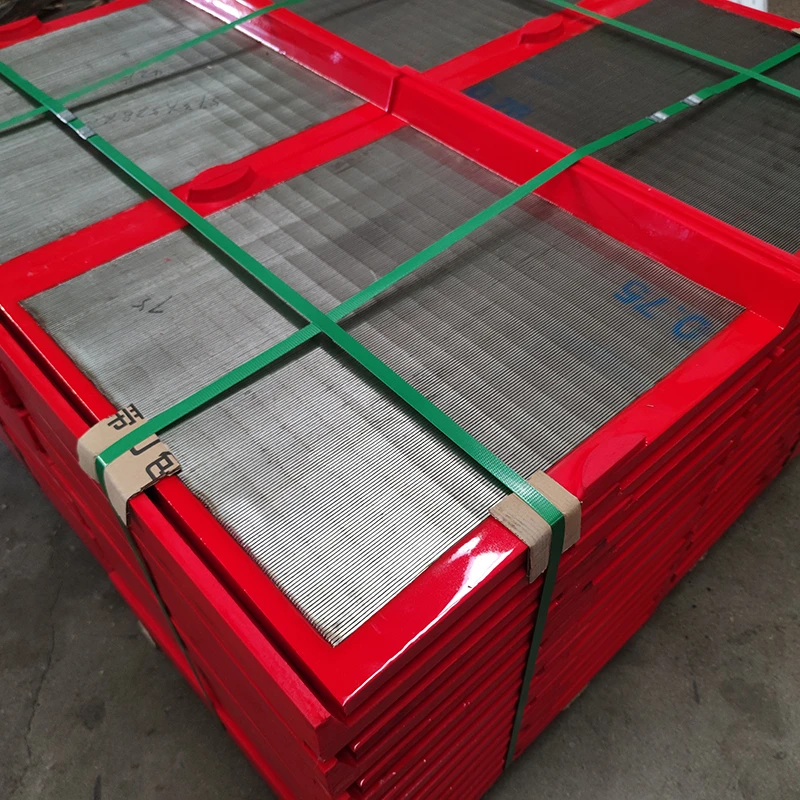
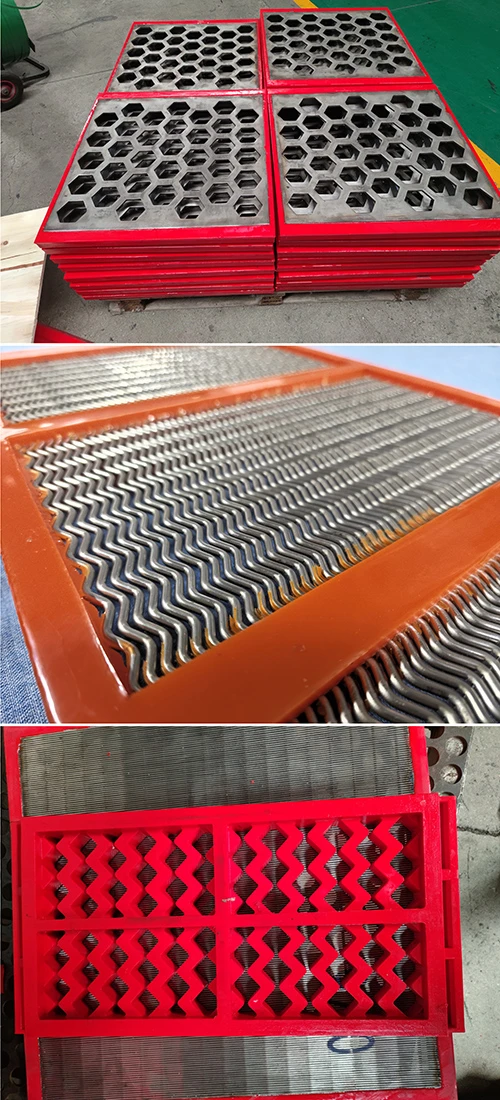
Perforated metal sheets are essentially flat metal plates punched with a pattern of holes, but the devil’s in the details. How the holes are arranged, their size and shape, and even the base metal itself all impact not just aesthetics but performance in real-world conditions—whether you’re filtering air in HVAC systems, creating durable facades, or just applying some clever architectural flair.
Key Product Specs of Perforated Metal
| Specification | Typical Range / Values | Notes |
|---|---|---|
| Material Types | Stainless Steel, Aluminum, Carbon Steel | Depends on application & environment |
| Hole Diameter | 0.5 mm – 50 mm+ | Customization possible |
| Open Area Percentage | 10% – 70% | Balances flow vs. strength |
| Sheet Thickness | 0.5 mm – 10 mm | Varies by load requirements |
| Pattern Types | Round, Square, Slotted, Custom | Design-driven choices |
What you find interesting — and I’ve discussed this with several engineers — is how these specs aren’t just about ticking boxes but finely balancing performance. Let me share a quick experience: a client once needed a high-ventilation panel for an industrial dryer. They faced a tradeoff; too big holes reduced weight but weakened structure, too small restricted airflow. We ended up matching a precise pattern on stainless steel that gave them exactly what was needed, with margins to spare. A nice little win.
Vendor Comparison: What Sets Mutoscreen Apart?
| Feature | Mutoscreen | Competitor A | Competitor B |
|---|---|---|---|
| Custom Pattern Capability | Extensive | Limited | Moderate |
| Material Options | Steel, Alum, SS | Steel only | Steel, SS |
| Lead Time | 2–4 weeks | 4–6 weeks | 3–5 weeks |
| Technical Support | Dedicated Experts | Basic | Moderate |
| Pricing | Competitive | Lower | Higher |
You know, choosing a vendor isn’t always just about specs or price. For a lot of my clients, it boils down to trust and the assurance they’ll get exactly what they need on time. Mutoscreen strikes me as that place — you get customization, reliable delivery, and a team that’s actually on your side to troubleshoot. Plus, their material options and technical support have saved many projects from last-minute headaches.
What’s fascinating is how customizable perforated metal is. You can really dial in the open area, pattern, and material to not only optimize airflow or visibility but also add structural integrity or aesthetic appeal. It truly is a product that blends function with design in a way few industrial components do.
Oddly enough, even after years in the industry, I notice new applications pop up—architectural panels, acoustic curtains, even agricultural uses. It feels like perforated metal is quietly expanding its reach.
At the end of the day, for anyone dealing with filtration, ventilation, decorative enclosures, or safety guards, perforated metal remains a go-to. It’s reliable, adaptable, and frankly, pretty interesting if you give it a moment.
A small takeaway: Never underestimate the value of good pattern design—it can make or break the balance between flow and strength.
- “Perforated Metal Design,” Industrial Fabrication Magazine, 2022
- Smith, J. “Material Properties and Pattern Optimization,” Journal of Metal Engineering, 2020
- Mutoscreen Technical Datasheets and Customer Feedback, 2023