Drum Screen for Wastewater Treatment: A Comprehensive Guide
Effective wastewater treatment is crucial for environmental sustainability and public health. A key component in many treatment processes is the drum screen, offering a robust and efficient solution for removing solids. This article will explore the principles, benefits, applications, and considerations when selecting a drum screen for wastewater treatment. We'll delve into how these systems optimize performance and reduce operational costs. Investing in the right drum screen can significantly improve the overall efficiency of your wastewater treatment facility.
How Do Drum Screens Work in Wastewater Treatment?
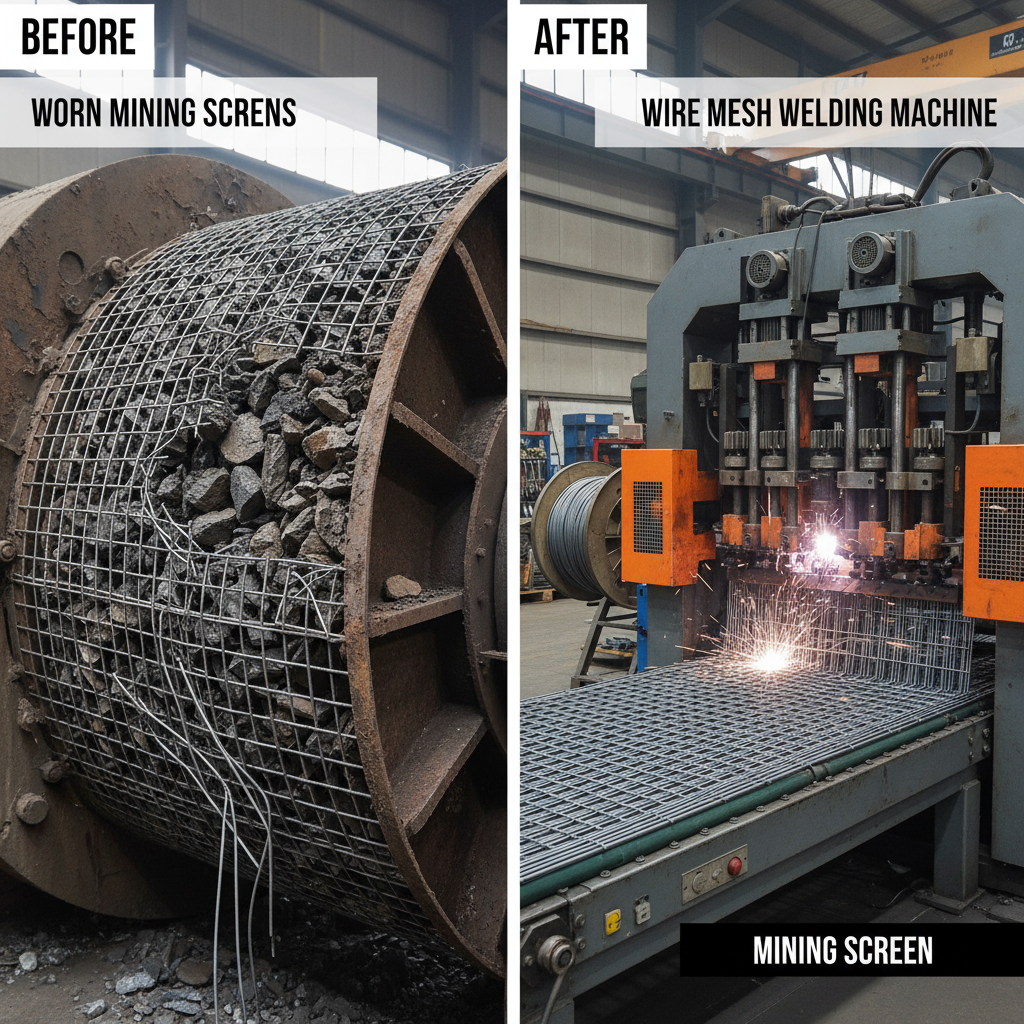
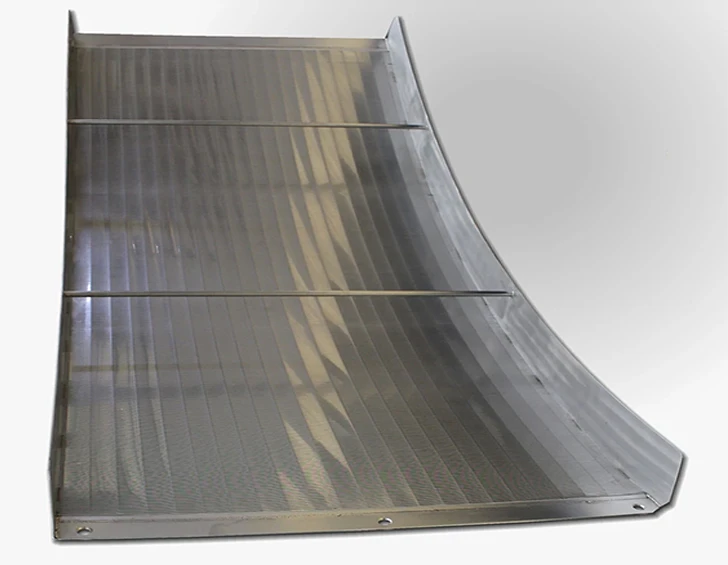
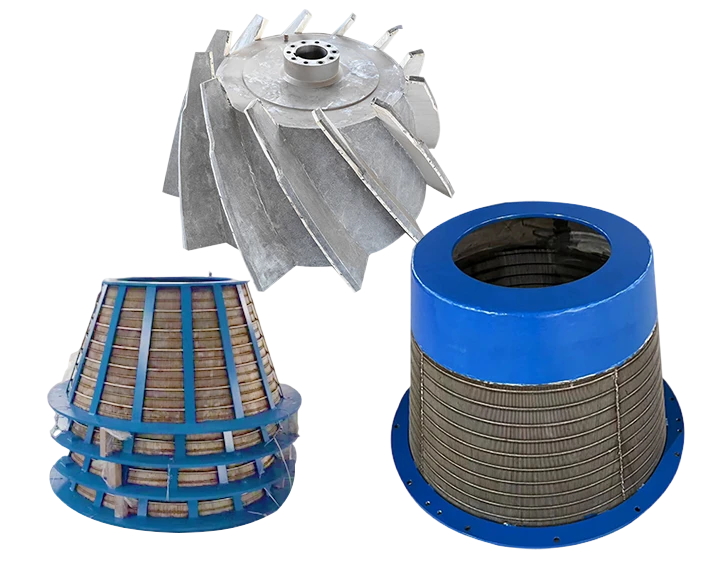
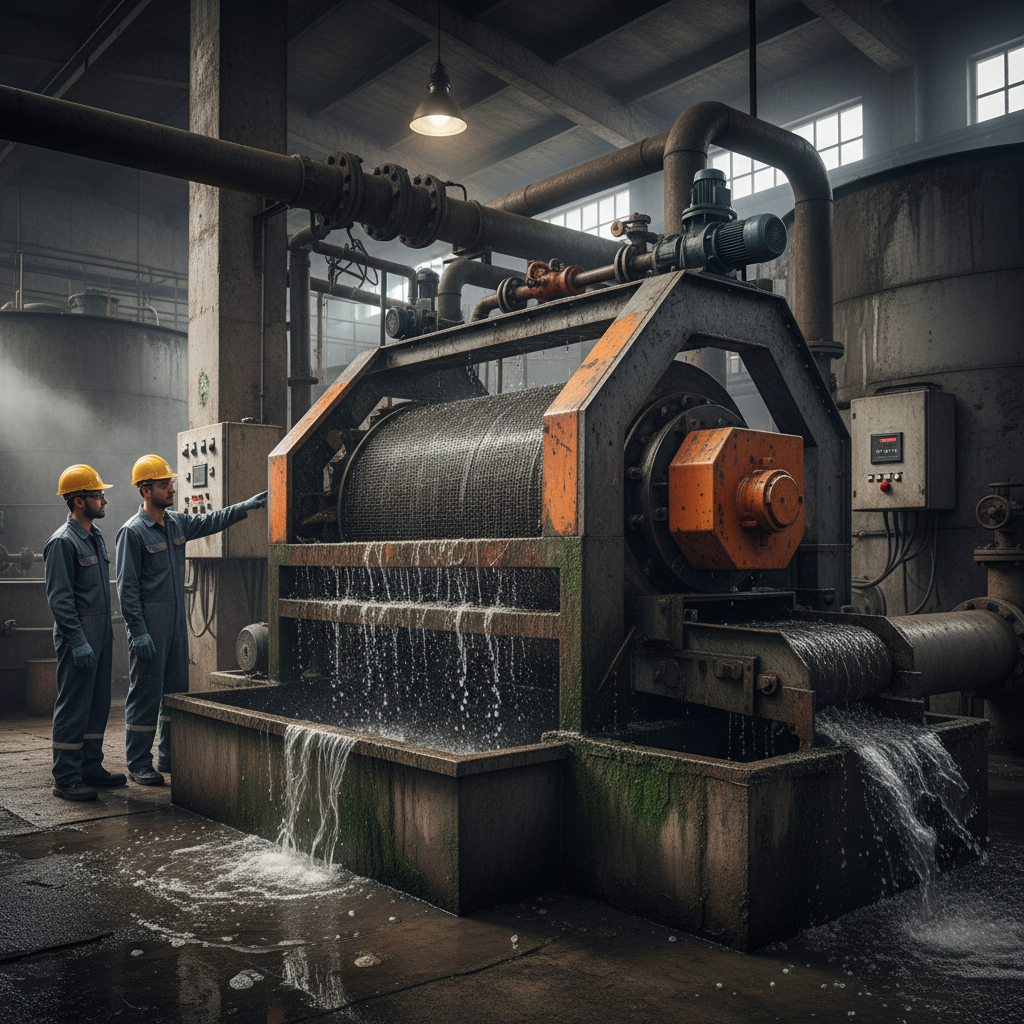
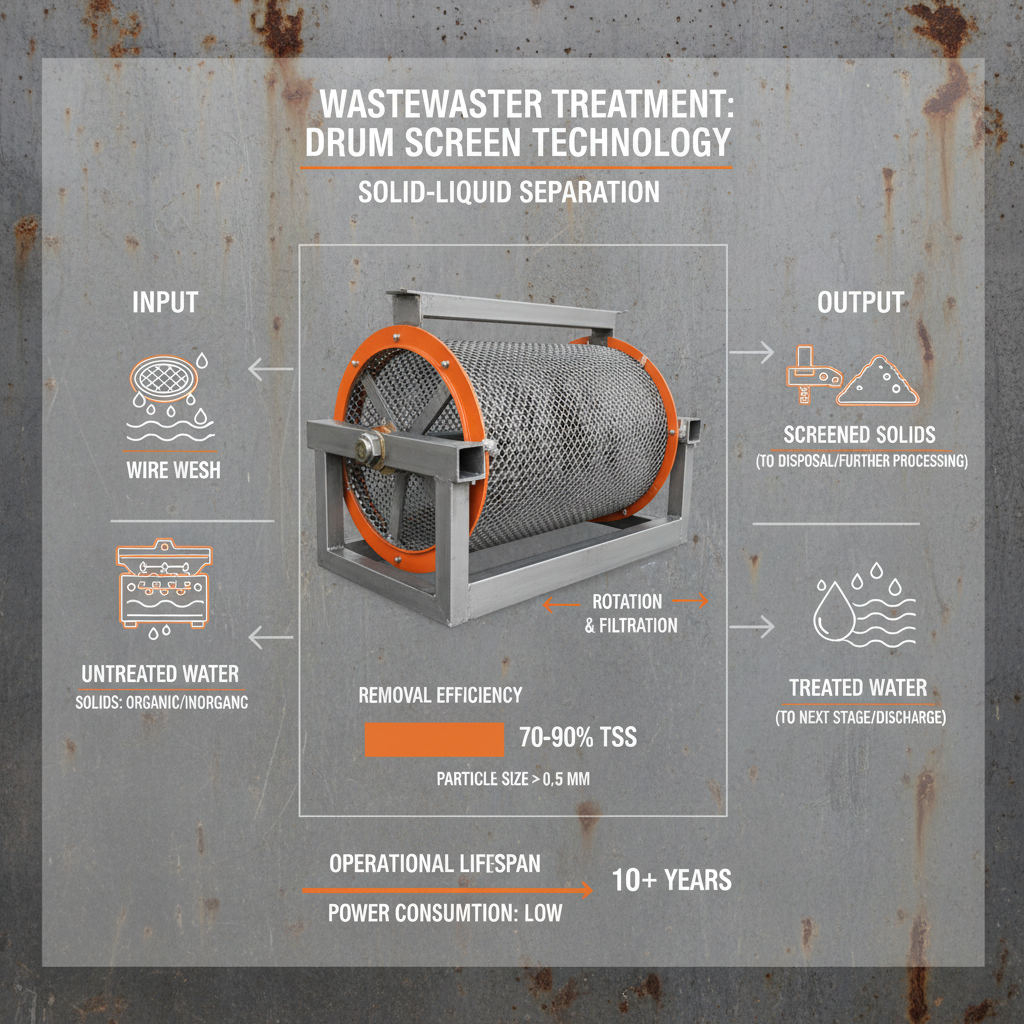
Drum screens, also known as rotary drum filters, are mechanical filters used to remove large debris and solids from wastewater. They consist of a rotating drum covered with a fine mesh screen. As wastewater flows through the screen, solids are captured on the outside of the drum. A high-pressure spray system continuously cleans the screen, removing the collected solids and flushing them away for disposal. The cleaned water then passes through the screen. This continuous cleaning process allows for uninterrupted operation and high flow rates. They are especially effective in handling challenging wastewater streams with fluctuating solids loads.
Key Benefits: Continuous operation, high flow rates, efficient solids removal, reduced maintenance.
Applications of Drum Screens in Wastewater Management
Drum screens find applications in a wide array of wastewater treatment scenarios. They're commonly used in municipal wastewater treatment plants to remove rags, plastics, and other debris before further treatment stages. Industrial applications include food processing, pulp and paper mills, and power plants where significant amounts of solids are present in the wastewater. They are also increasingly utilized in preliminary treatment for resource recovery, allowing for the separation of valuable materials before anaerobic digestion. Muto Screen provides tailored solutions for a diverse range of industrial and municipal needs.
Common Applications:
• Municipal Wastewater Treatment
• Food and Beverage Processing
• Pulp and Paper Mills
• Power Generation
Drum Screen vs. Other Preliminary Treatment Technologies
Several technologies compete with drum screens in preliminary wastewater treatment, including bar screens and grit removal systems. Bar screens are simpler and less expensive, but they require more frequent cleaning and can struggle with smaller debris. Grit removal systems focus on heavier inorganic solids, whereas drum screens excel at removing a broader range of materials. Compared to traditional static screens, drum screens offer higher efficiency, lower maintenance, and the ability to handle fluctuating flows. Choosing the best technology depends on the specific characteristics of the wastewater and the desired level of treatment.
Selecting the Right Drum Screen for Your Needs
Choosing the optimal drum screen requires careful consideration of several factors. Flow rate, solids loading, and the size and type of debris are critical parameters. The screen mesh size must be appropriate for the target solids. The drum screen material should be resistant to corrosion and abrasion. Muto Screen offers a range of models and customization options to meet specific application requirements. Consider also factors like energy efficiency, ease of maintenance, and remote monitoring capabilities.
Maintenance and Operational Considerations
While drum screens generally require minimal maintenance, regular inspections are essential. Check the spray nozzles for clogging and ensure the drum rotates smoothly. Periodic cleaning of the screen and surrounding areas prevents buildup and ensures optimal performance. Proper lubrication of moving parts extends the lifespan of the equipment. Muto Screen provides comprehensive support and maintenance services to ensure the longevity and reliability of its drum screens.
Conclusion: Enhancing Wastewater Treatment with Drum Screen Technology
Investing in a drum screen for wastewater treatment is a strategic move towards more efficient and sustainable operations. Their ability to effectively remove solids, coupled with low maintenance requirements, makes them a valuable asset for a wide range of applications. Choosing the right drum screen, supported by expert guidance and ongoing maintenance, ensures reliable performance and long-term cost savings.
Frequently Asked Questions (FAQs)
What is the typical lifespan of a drum screen?
The lifespan of a drum screen typically ranges from 10 to 20 years, depending on factors such as usage, wastewater characteristics, and maintenance practices. Regular inspections, proper cleaning, and timely replacement of worn parts significantly contribute to maximizing the lifespan. The quality of the materials used in construction also plays a critical role; screens built with corrosion-resistant materials will generally last longer.
How does the mesh size affect the drum screen's performance?
Mesh size is a crucial parameter. A smaller mesh size will capture finer particles, resulting in cleaner effluent, but it can also lead to more frequent clogging and reduced flow rates. A larger mesh size allows for higher flow rates but may not remove smaller solids effectively. The optimal mesh size depends on the specific requirements of the wastewater treatment process and the characteristics of the influent. Careful selection is essential to balance solids removal efficiency and flow capacity.
What are the energy consumption characteristics of drum screens?
Drum screens typically have moderate energy consumption, primarily driven by the motor that rotates the drum and the spray pumps. Modern drum screen designs often incorporate energy-efficient motors and optimized spray systems to minimize power usage. Energy consumption can vary depending on the size of the screen, flow rate, and the type of wastewater being treated. Choosing a drum screen with variable frequency drives (VFDs) allows for adjusting the rotation speed and spray pressure to optimize energy use based on demand.