The integration of a 6 well screen system represents a critical advancement in groundwater management and industrial filtration. By utilizing precision-engineered wedge wire technology, these screens ensure maximum flow rates while effectively preventing the migration of fine particles into the well bore. For engineers and project managers, understanding the nuances of these screens is the key to extending the lifespan of water wells and reducing maintenance overhead.
Globally, the demand for high-efficiency filtration is surging as water scarcity drives the need for more sustainable extraction methods. A properly implemented 6 well screen prevents sanding and clogging, which are the primary causes of pump failure and reduced aquifer productivity. Whether applied in municipal water supply or complex mining operations, the structural integrity of the screen determines the long-term viability of the water source.
Beyond simple filtration, the technical specification of a 6 well screen involves a delicate balance between the open area percentage and the mechanical strength of the materials. By optimizing the slot width and the support rod configuration, these screens provide a reliable barrier that maintains the geological stability of the surrounding formation. This ensures that the extracted fluid remains clean, protecting downstream equipment and ensuring a steady supply of resources.
Global Industrial Context of 6 Well Screen
The global landscape for groundwater extraction has shifted toward high-precision engineering to meet the stringent ISO standards for water quality and extraction efficiency. In many regions, the implementation of a 6 well screen is no longer an option but a necessity to combat the depletion of traditional aquifers. As urban centers expand, the pressure on subterranean water sources increases, necessitating screens that can handle higher flow velocities without compromising structural stability.
Industry data suggests that suboptimal screen selection leads to a 30% faster decline in well yield over a ten-year period due to encrustation and siltation. By adopting the advanced geometry found in the 6 well screen, operators can mitigate these risks, ensuring that the hydraulic conductivity of the well remains consistent. This is particularly vital in emerging economies where water security is tied directly to the reliability of industrial-grade filtration hardware.
Defining the Technical Essence of 6 Well Screen
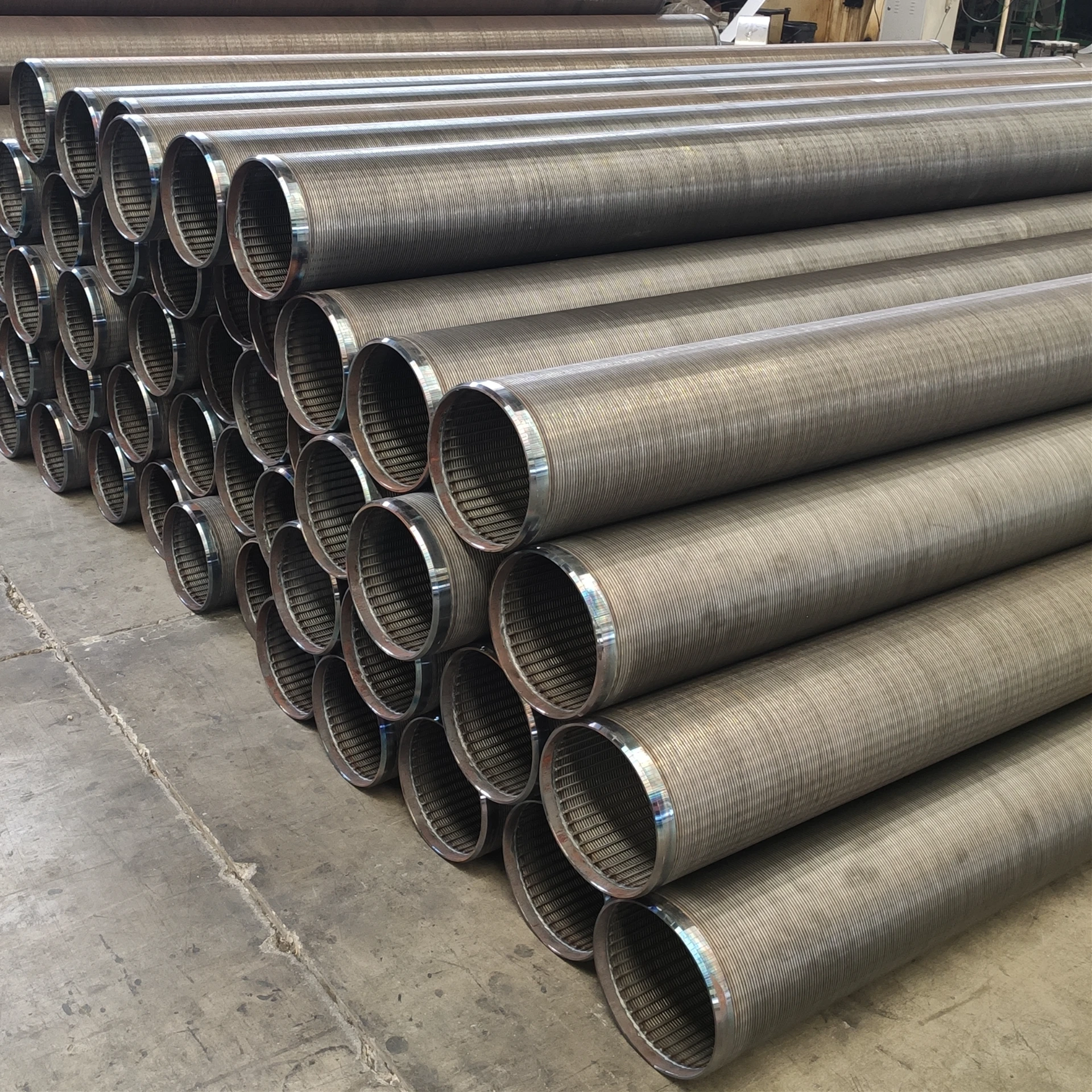
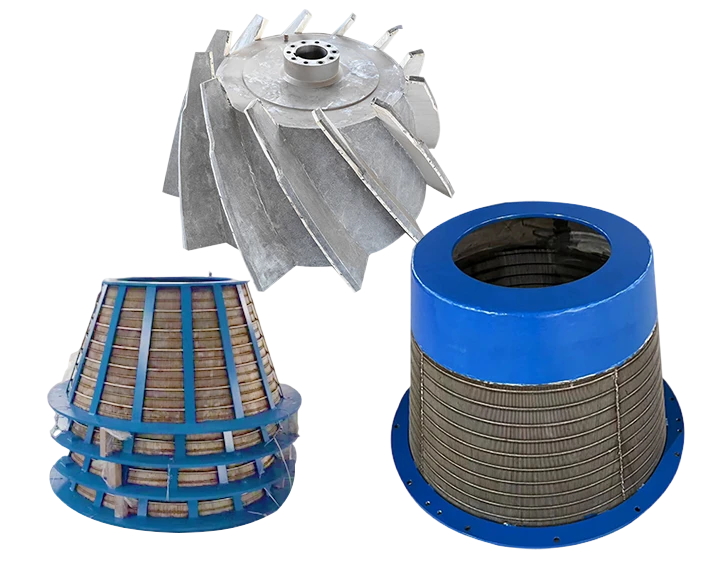
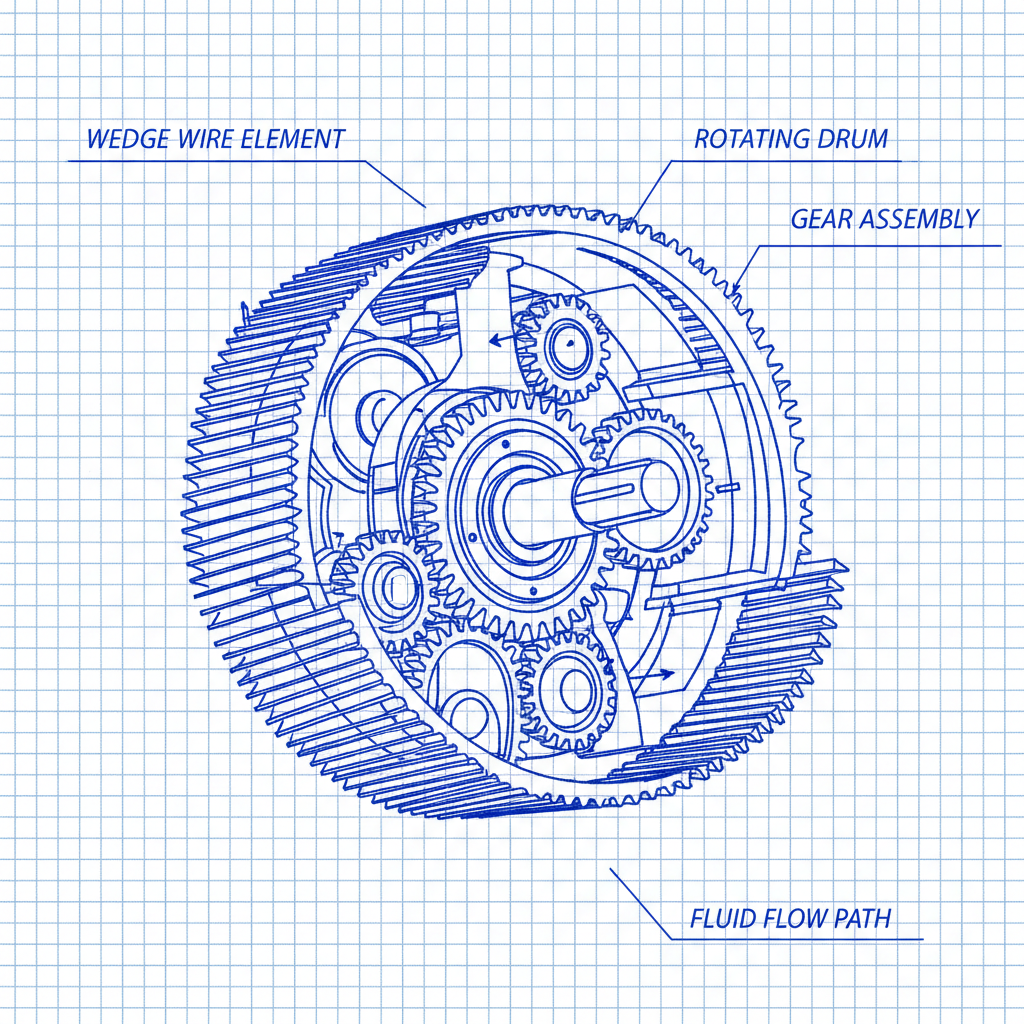
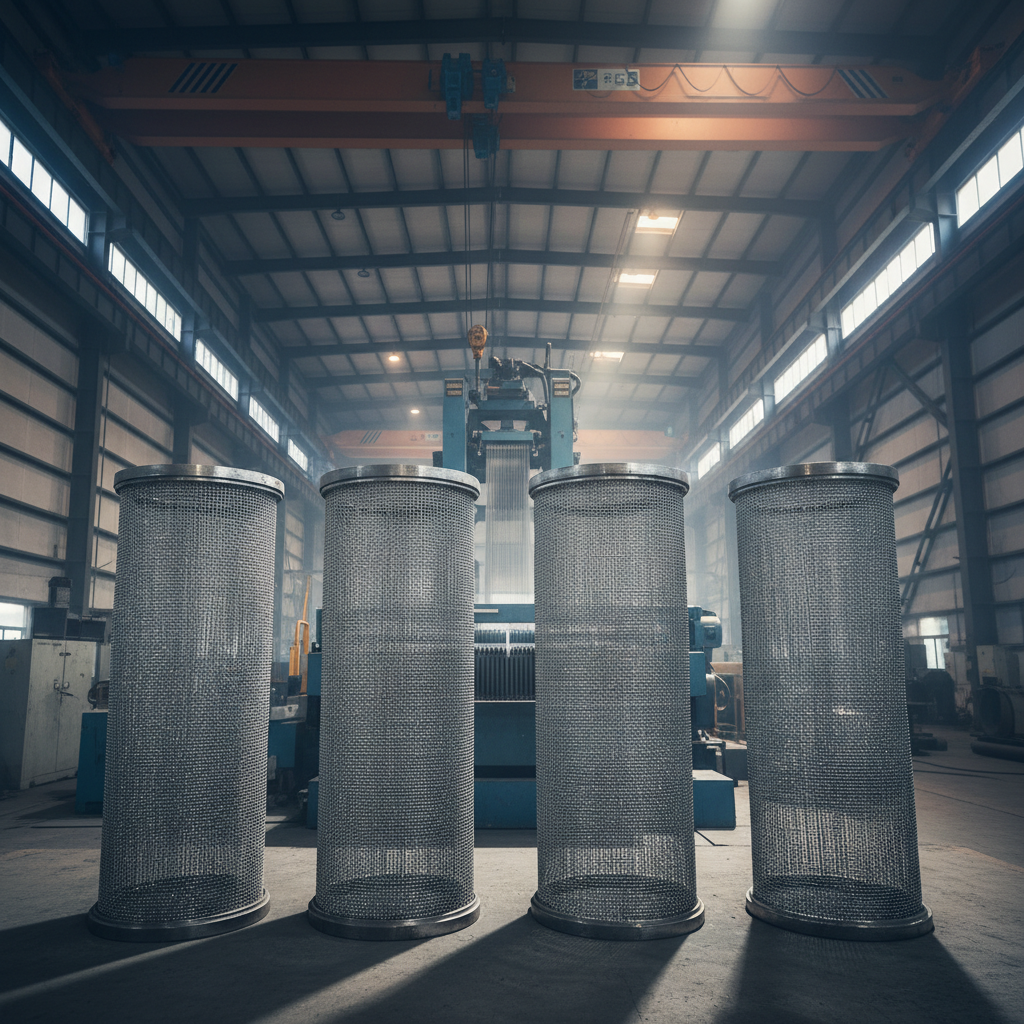
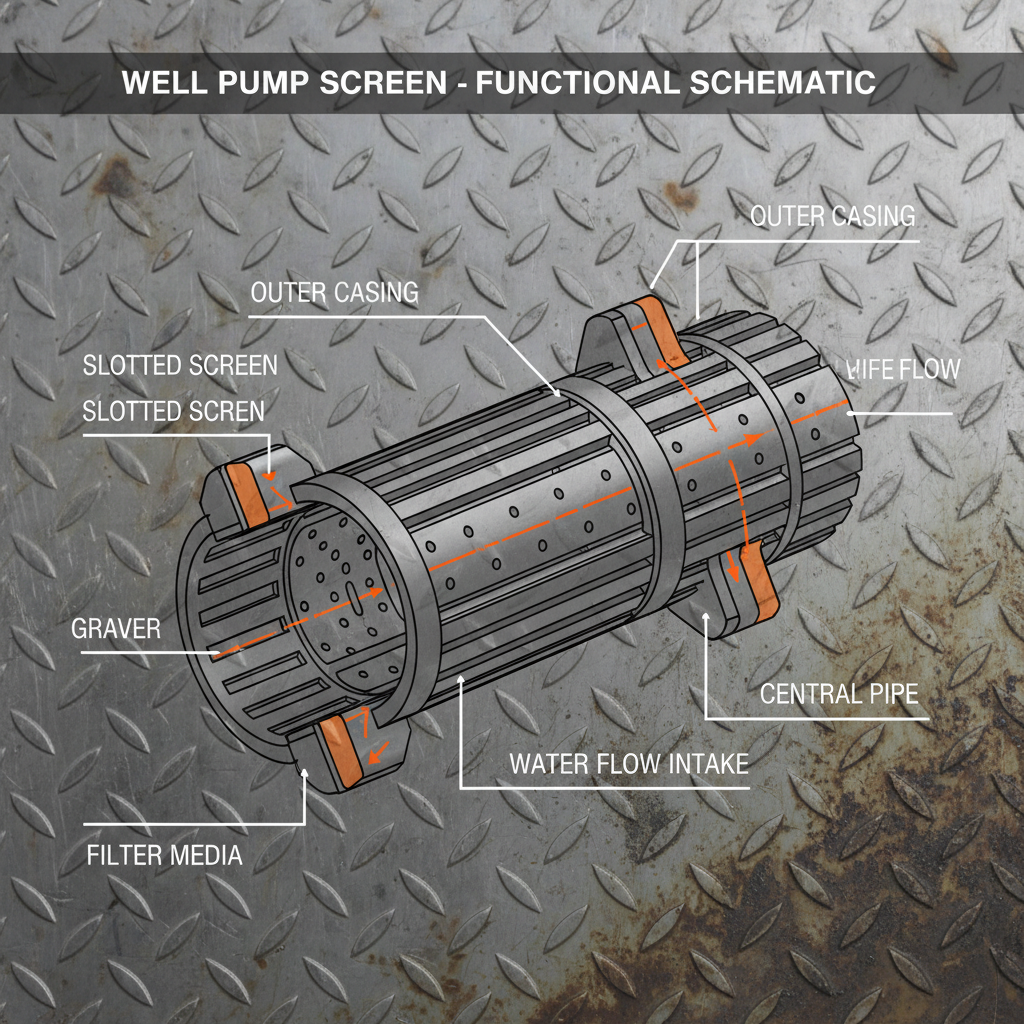
In simple terms, a 6 well screen is a specialized cylindrical filter constructed from wedge-shaped wires wrapped around supporting rods. This "V-wire" design is engineered to create a slot that is narrower on the inside and wider on the outside, which effectively prevents particles from becoming lodged within the screen—a phenomenon known as "plugging." This self-cleaning property makes it vastly superior to traditional slotted pipes or perforated casings.
From an industrial perspective, the 6 well screen serves as the primary interface between the natural aquifer and the pumping system. It is designed to allow water to enter the well while keeping the surrounding sand and gravel in place. This prevents the "piping" effect, where soil is sucked into the well, potentially leading to the collapse of the borehole or the destruction of the submersible pump.
Moreover, the connection to modern humanitarian needs is profound. In remote areas where groundwater is the only source of potable water, the installation of a durable 6 well screen ensures that communities have a permanent, low-maintenance water source. By reducing the need for frequent well rehabilitation, these screens provide a foundation for health, sanitation, and agricultural stability in underdeveloped regions.
Core Components for Optimal Performance
The first critical factor in the success of a 6 well screen is Material Durability. Depending on the chemistry of the groundwater—such as pH levels and salinity—materials ranging from 304/316 stainless steel to high-nickel alloys are used. Selecting the correct grade prevents corrosion and ensures that the screen does not degrade under the immense pressure of the earth's strata.
Scalability and Customization constitute the second pillar. A 6 well screen must be tailored to the specific grain size distribution (GSD) of the aquifer. By calculating the precise slot opening—often measured in microns—engineers can ensure that the screen retains the natural filter pack while maximizing the open area for fluid entry, thereby reducing entrance velocity and minimizing turbulence.
Finally, Cost Efficiency is achieved through the long-term reduction of operational expenditure (OPEX). While the initial investment in a high-quality 6 well screen is higher than basic alternatives, the reduction in pump wear and the elimination of frequent chemical cleaning treatments provide a significantly lower Total Cost of Ownership (TCO) over the project's lifecycle.
Efficiency Metrics and Durability Standards
When evaluating the performance of a 6 well screen, engineers look at the "Open Area Percentage" as the primary metric. A higher open area allows for lower entrance velocities, which reduces the risk of encrustation and ensures that the pump operates at its peak efficiency curve. This mathematical optimization is what separates a standard filter from a precision-engineered screen.
Furthermore, the mechanical strength of the 6 well screen is tested against collapse pressure. In deep-well applications, the screen must withstand the external hydrostatic and lithostatic pressures of the earth. The synergy between the support rods and the wedge wires creates a rigid structure that maintains its circularity even under extreme geological stress.
Performance Comparison of 6 Well Screen Configurations
Global Applications and Use Cases
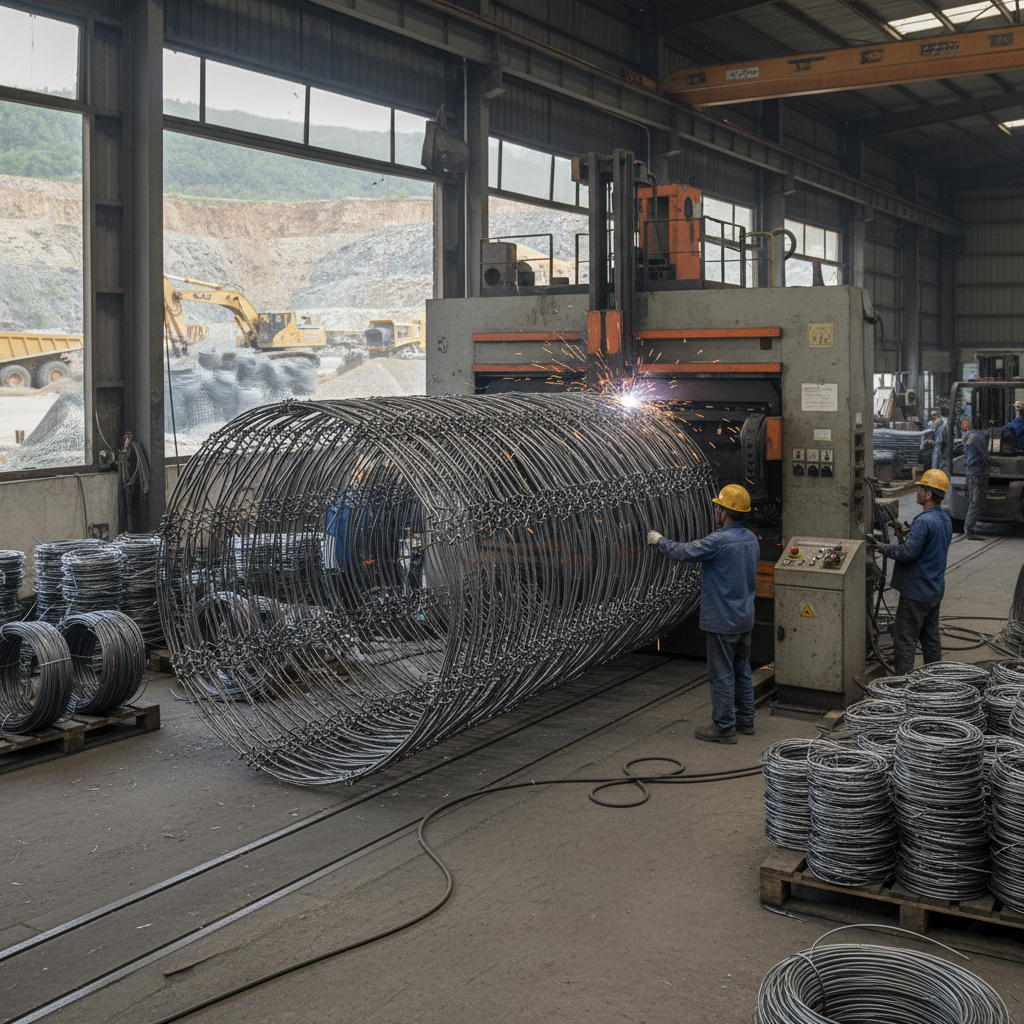
The application of a 6 well screen spans multiple critical industries. In the mining sector, specifically for tailings management and mineral recovery, these screens are used to separate solids from liquids with extreme precision. In remote industrial zones in Australia and Canada, they are deployed in deep-bore water wells to support massive mining camps and processing plants where water reliability is non-negotiable.
Beyond industry, these screens play a pivotal role in environmental remediation. In contaminated site clean-ups, 6 well screen systems are used in "pump-and-treat" operations to extract polluted groundwater while ensuring that the surrounding soil remains stable. This prevents the collapse of the contaminated zone and allows for the efficient removal of toxins, protecting local ecosystems and public health.
Long-term Value and Sustainability
The long-term value of investing in a 6 well screen is rooted in the concept of sustainability. By minimizing the "drawdown" effect and reducing the energy required to pump water (due to lower friction loss), these screens lower the overall carbon footprint of water extraction. This alignment with green energy goals makes them a preferred choice for LEED-certified projects and sustainable urban developments.
From a logical perspective, the reliability of these screens provides peace of mind to stakeholders. Knowing that the infrastructure is built to resist corrosion and collapse reduces the risk of catastrophic failure, which could otherwise lead to expensive drilling replacements. This reliability builds trust between engineering firms and their clients, ensuring that the project deliverables meet the promised lifespan.
Emotionally, for communities relying on these wells, a 6 well screen represents dignity and stability. Access to clean, uninterrupted water is a fundamental human right; providing a solution that doesn't fail after a few years of siltation transforms the quality of life for thousands, proving that high-end industrial engineering has a direct positive impact on human welfare.
Future Innovations in Well Screen Technology
The future of the 6 well screen is being shaped by the integration of smart materials and digital monitoring. We are seeing the emergence of "intelligent screens" equipped with embedded sensors that can monitor flow rates and pressure differentials in real-time. This allows operators to detect the onset of clogging or corrosion before it becomes a critical failure, moving maintenance from a reactive to a predictive model.
Moreover, the adoption of additive manufacturing (3D printing) is allowing for the creation of non-cylindrical or variable-slot geometries. This means a 6 well screen can now be designed with different slot widths along its length to match the changing geological strata of a deep bore, maximizing efficiency at every single meter of the well's depth.
Finally, sustainability policies are driving the development of bio-compatible coatings that prevent the growth of biofilm and mineral scaling. These "anti-fouling" 6 well screen coatings will further extend the time between cleaning cycles, reducing the use of harsh chemicals in aquifers and ensuring a cleaner, more natural extraction process for generations to come.
Comparative Analysis of 6 Well Screen Technical Specifications
| Material Grade |
Corrosion Resistance |
Structural Load Capacity |
Recommended Application |
| SS 304 |
Moderate (6/10) |
High (8/10) |
Freshwater/Municipal |
| SS 316L |
High (9/10) |
High (8/10) |
Brackish Water/Industrial |
| Duplex 2205 |
Extreme (10/10) |
Very High (10/10) |
Seawater/Oil & Gas |
| Titanium |
Extreme (10/10) |
Moderate (7/10) |
Highly Acidic Environments |
| Carbon Steel (Coated) |
Low (4/10) |
Extreme (10/10) |
Temporary/Low-Budget |
| Hastelloy |
Extreme (10/10) |
High (9/10) |
Chemical Processing Wells |
FAQS
The primary advantage of a 6 well screen is its V-shaped wire geometry, which creates a non-clogging entry path. While slotted pipes have "blind" areas and are prone to plugging, the 6 well screen offers a significantly higher open area, reducing entrance velocity and preventing the infiltration of fine sands, thereby extending the pump's lifespan and maintaining higher flow rates.
Slot size selection is based on a sieve analysis of the aquifer's formation material or the installed filter pack. The general rule is to select a slot size that retains approximately 90% of the medium to coarse grains. Consulting with a hydrogeologist to determine the D10 and D60 grain sizes is essential to ensure the 6 well screen optimizes both flow and sand retention.
Yes, one of the strengths of the 6 well screen is its compatibility with chemical and mechanical rehabilitation. Due to the open V-wire structure, acidification treatments or high-pressure jetting can effectively remove mineral deposits and biofilm from the slots, restoring the well's original productivity without damaging the structural integrity of the screen.
For saline or brackish water, SS 316L is the minimum recommendation due to its molybdenum content, which resists pitting corrosion. However, for extreme salinity or seawater applications, Duplex 2205 or Titanium is highly recommended. These materials provide the necessary corrosion resistance to ensure the 6 well screen does not fail prematurely due to chloride-induced stress corrosion.
When correctly matched to the aquifer and constructed from high-grade stainless steel, a 6 well screen can easily last 30 to 50 years. The longevity depends on the quality of the installation and the frequency of preventative maintenance. Using a 6 well screen significantly reduces the risk of premature well failure compared to lower-quality alternatives.
Absolutely. The 6 well screen is specifically designed for high-pressure environments. Its structural rigidity prevents collapse under heavy lithostatic loads, making it ideal for deep-bore mining for water drainage or resource extraction. Its ability to handle high flow velocities without eroding makes it the industry standard for large-scale mining operations.
Conclusion
In summary, the 6 well screen stands as a pinnacle of filtration engineering, combining the principles of fluid dynamics with material science to solve the most pressing challenges in groundwater extraction. From its V-wire geometry that prevents clogging to its exceptional structural strength and material versatility, it ensures that water sources remain productive, sustainable, and cost-effective over several decades. By focusing on precision slot sizing and high-grade alloys, operators can secure a reliable water supply while minimizing environmental impact.
Looking forward, the evolution of well screen technology toward smart monitoring and additive manufacturing will further refine the efficiency of subterranean water management. We encourage project engineers and industrial operators to prioritize high-specification screens during the design phase to avoid the costly pitfalls of well failure. Investing in quality today ensures water security for tomorrow. For professional consultation and high-performance filtration solutions, visit our website: www.mutoscreen.com