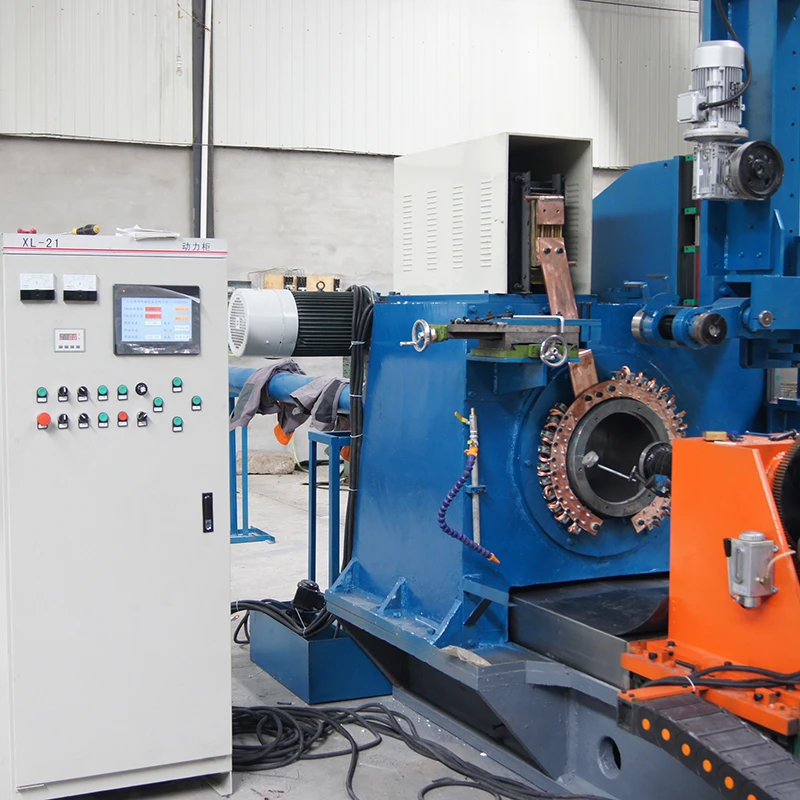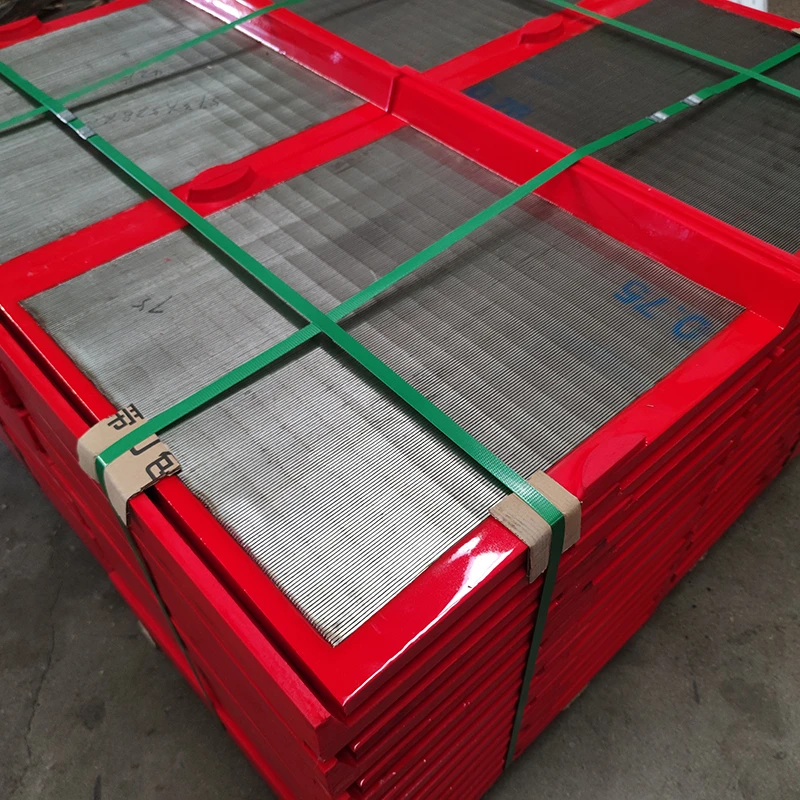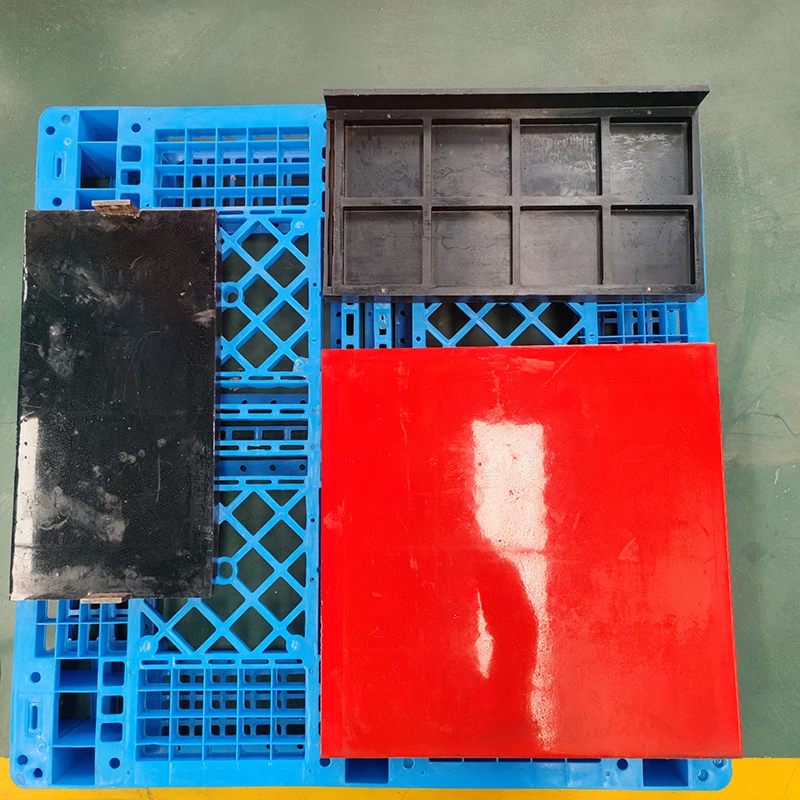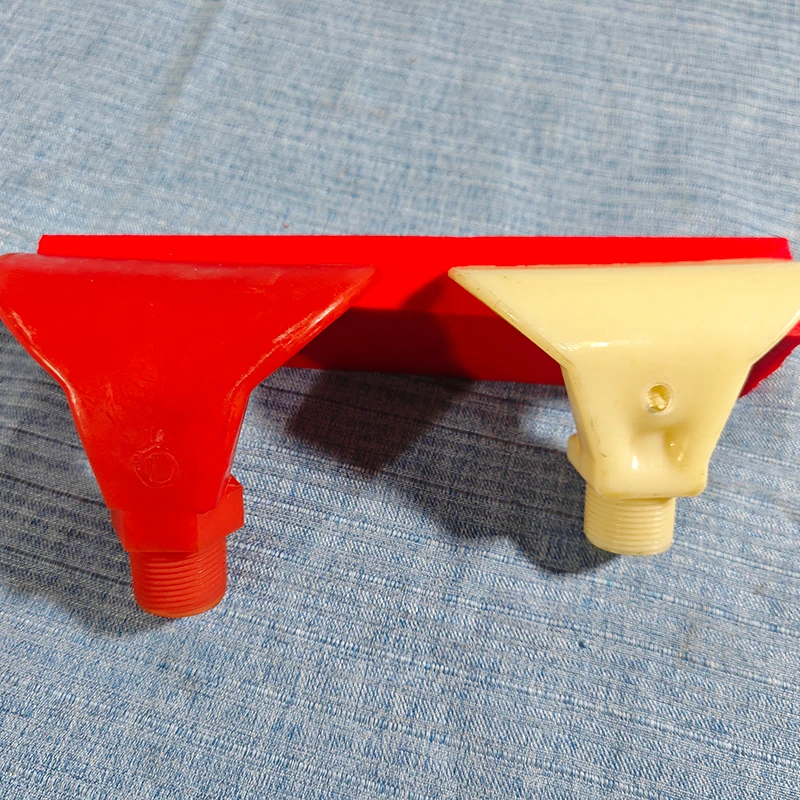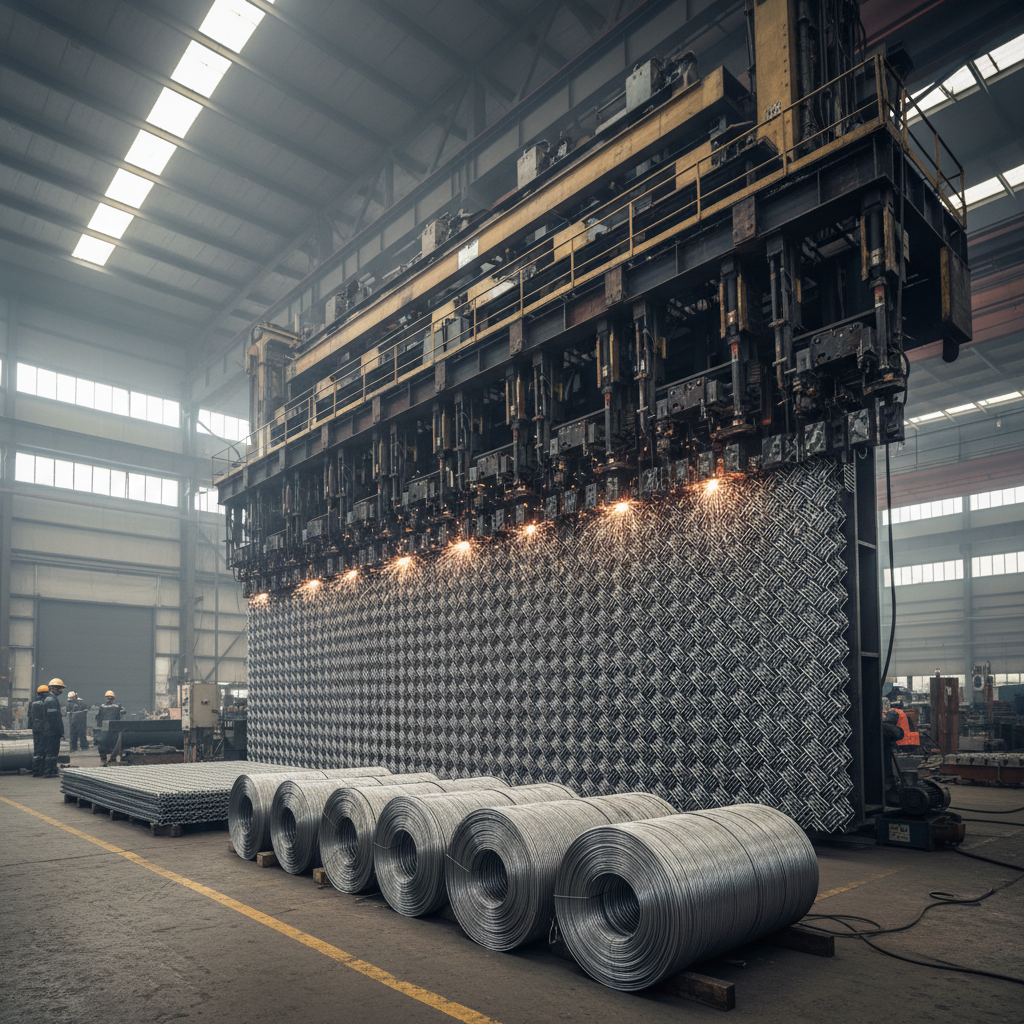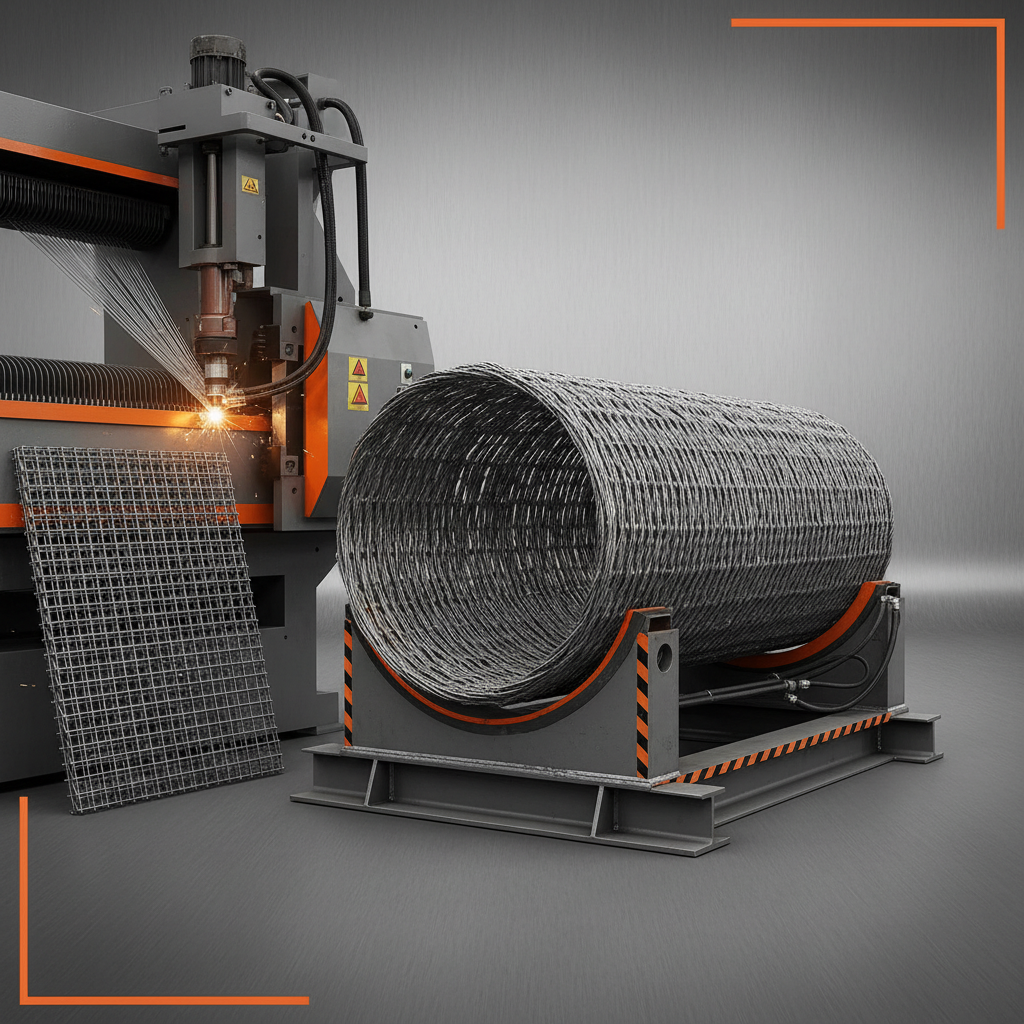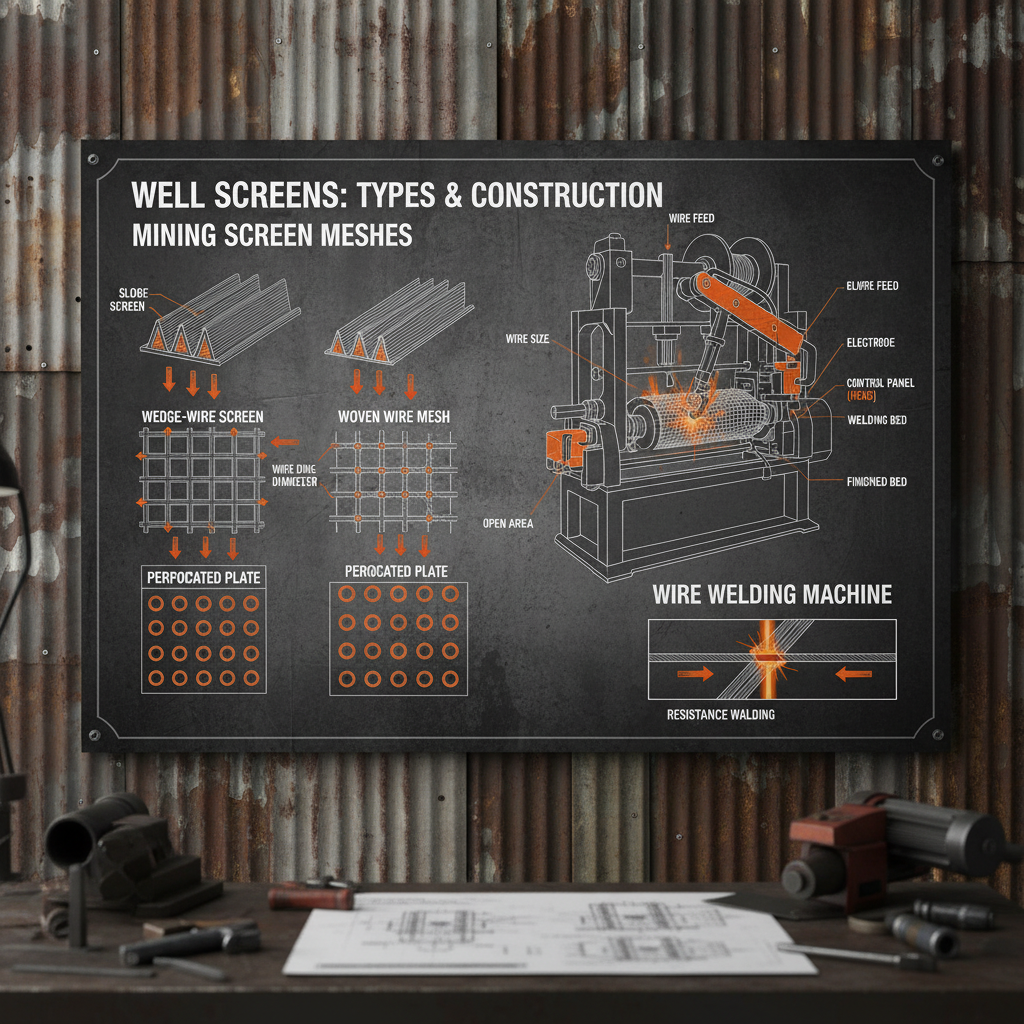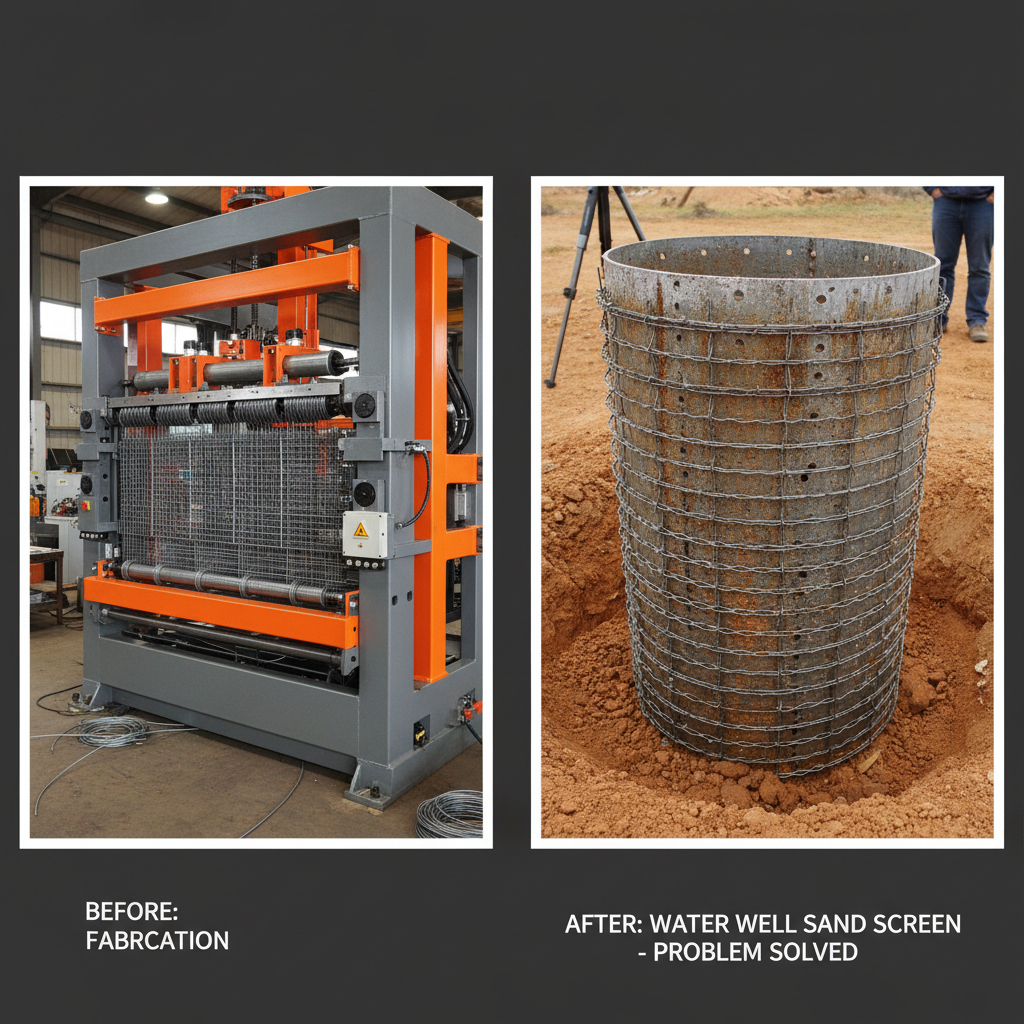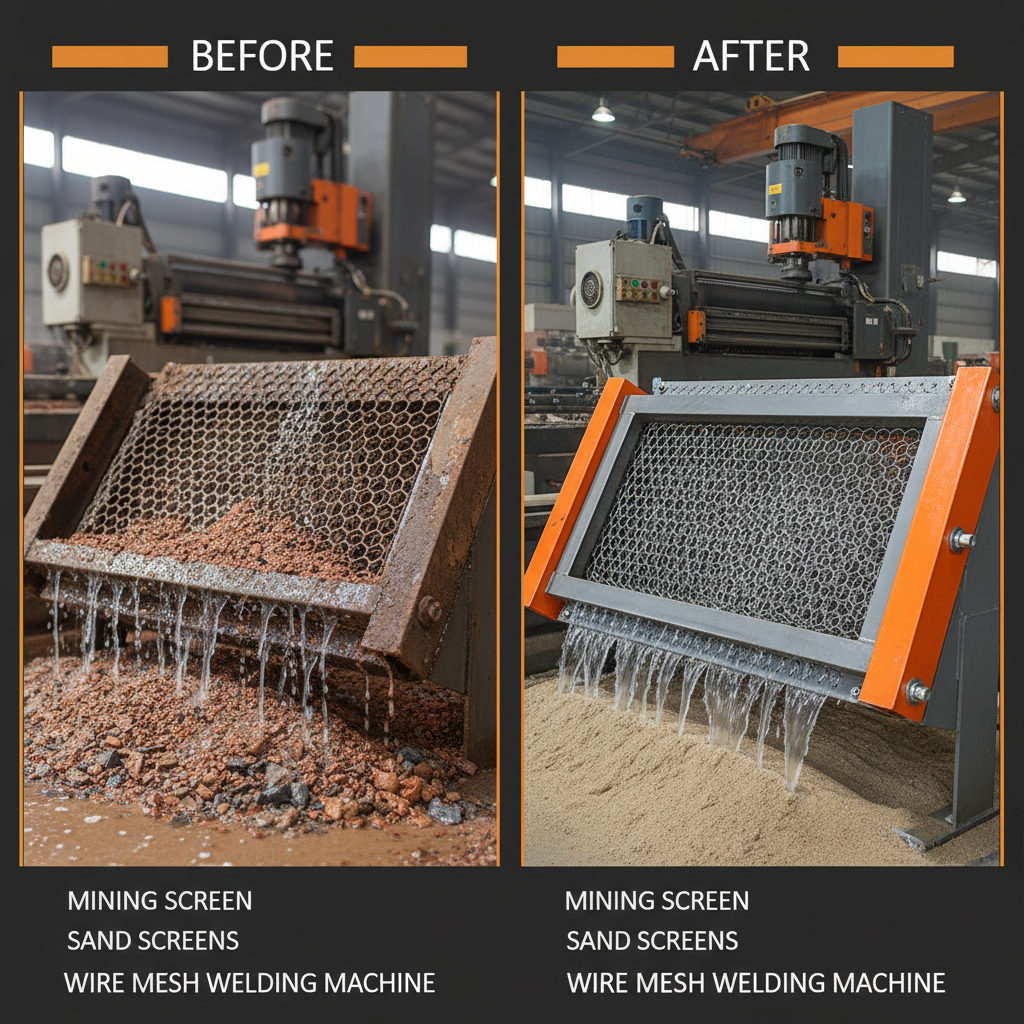
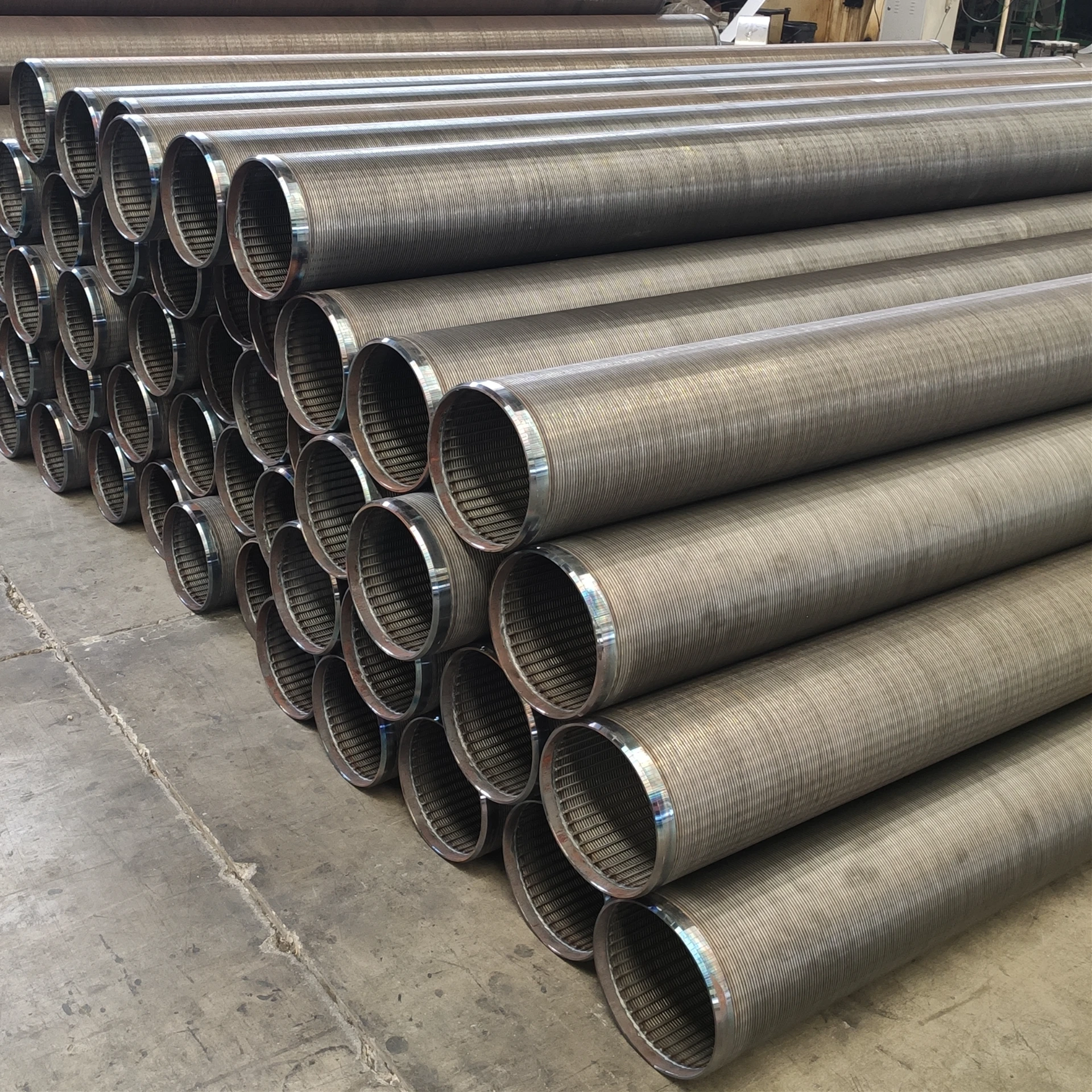
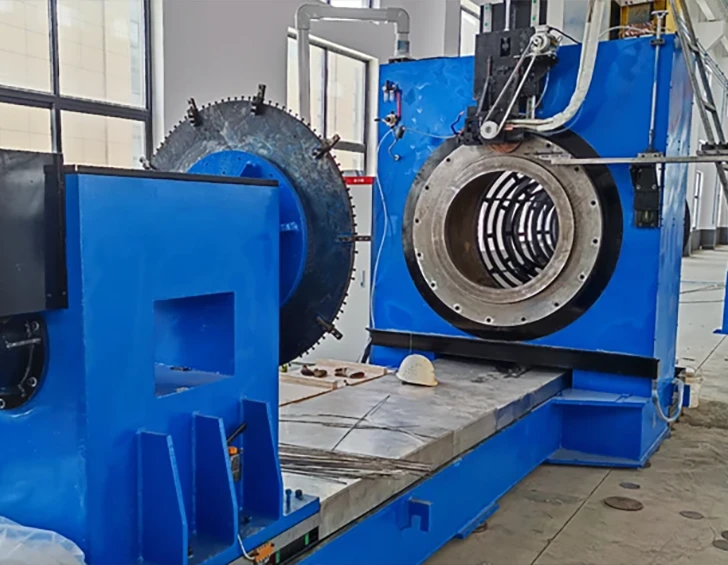
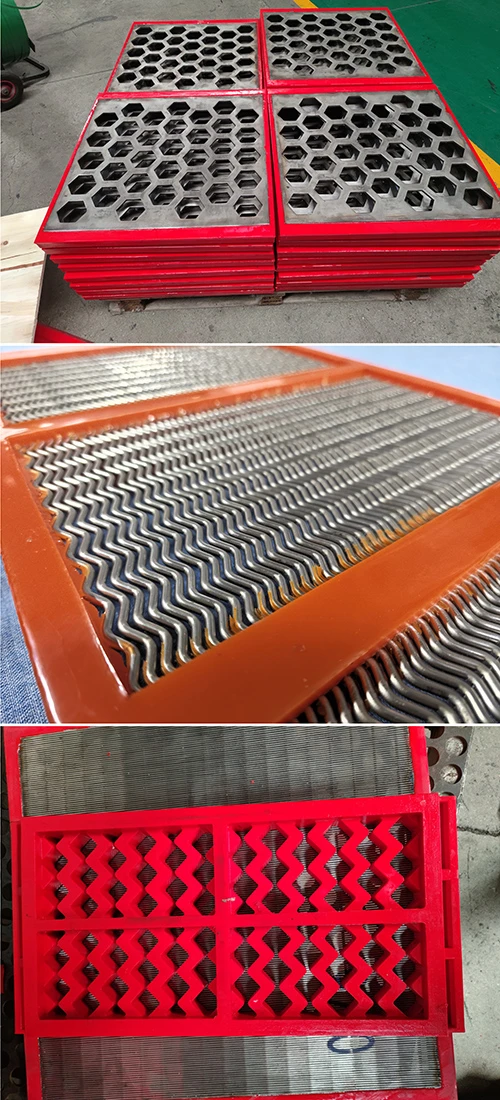
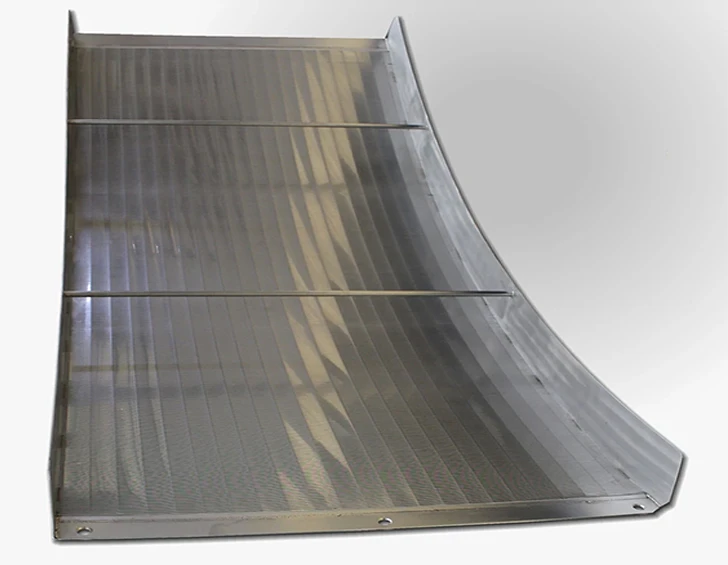
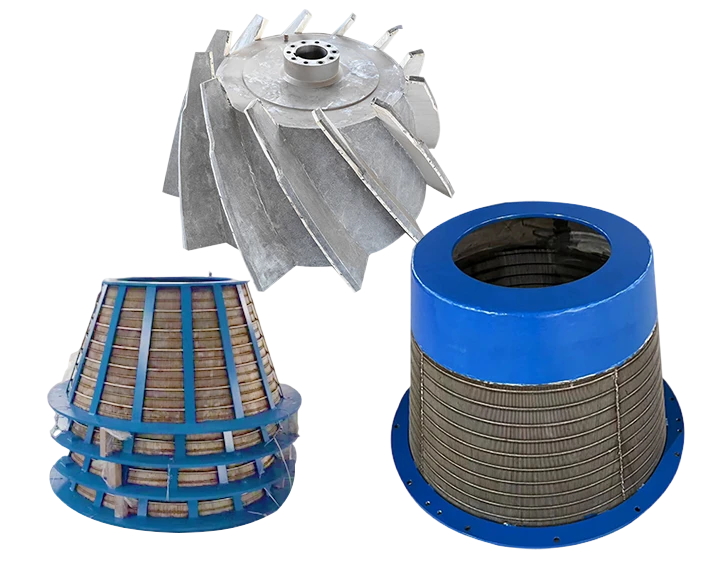
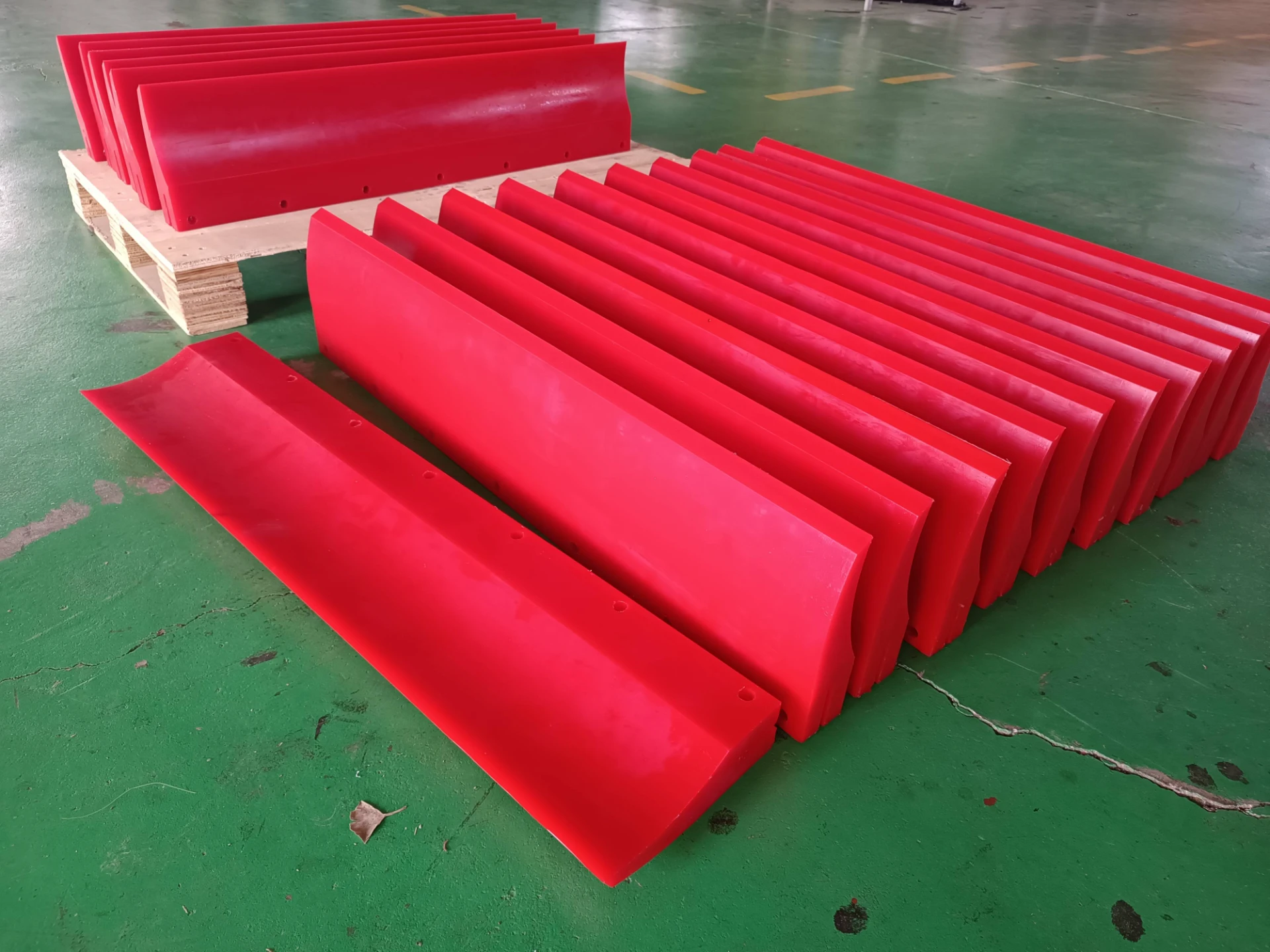
Hammer Mill Screen is a key solution in the industry, specifically within processing and material reduction sectors. This article explores how Mutu Screen supports professionals with durable, high-performance products, and explains why this product is an ideal choice for businesses in these sectors.
Table of Contents
- Hammer Mill Screen Overview
- Benefits & Use Cases of Hammer Mill Screen
- Cost, Maintenance & User Experience
- Sustainability & Market Trends
- Frequently Asked Questions
- Conclusion on Hammer Mill Screen from China
Hammer Mill Screen Overview
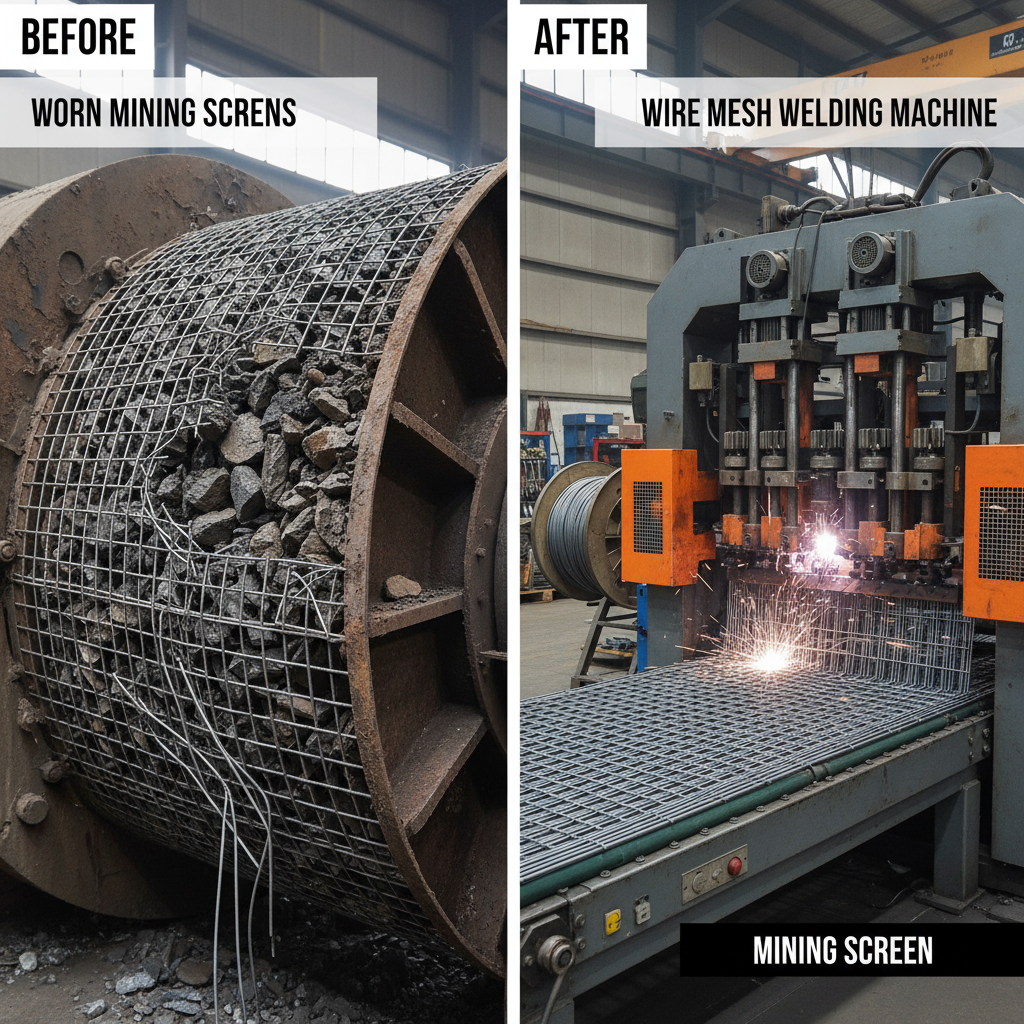
When you hear “hammer mill screen,” you might think it’s just a plain sieve, but it’s quite a crucial component in the milling process. It’s basically the gatekeeper that determines the size of the output material by controlling particle size and throughput. The Hammer Mill Screen from Mutu Screen is engineered to handle even the toughest materials — from biomass and grain to minerals — with precision and durability.
- The screen is crafted from abrasion-resistant steel, often with customizable perforation sizes ranging from 1.5 mm to 12 mm depending on the application.
- Technically, the screens can withstand severe impact and vibrations typical in hammer mills, verified through strict quality testing procedures that ensure longevity and stable performance.
| Specification | Details |
|---|---|
| Material | Abrasion-Resistant Steel (AR400/500 options) |
| Standard Perforation Sizes | 1.5 mm, 3 mm, 6 mm, 12 mm (custom sizes available) |
| Thickness | Between 2.5 mm and 8 mm, depending on model |
| Compatibility | Fits majority of hammer mill setups, customizable |
| Warranty | 12 months standard, extended options available |
Benefits & Use Cases of Hammer Mill Screen
In real terms, what makes these hammer mill screens stand out is their adaptability. From agricultural processing — think corn, soy, and wheat milling — to industrial biomass recycling and even mineral crushing, the screen’s robustness really shines. If you work in feed production or pellet manufacturing, you’ll notice that the screen’s consistent hole sizes help maintain product uniformity, which is crucial.
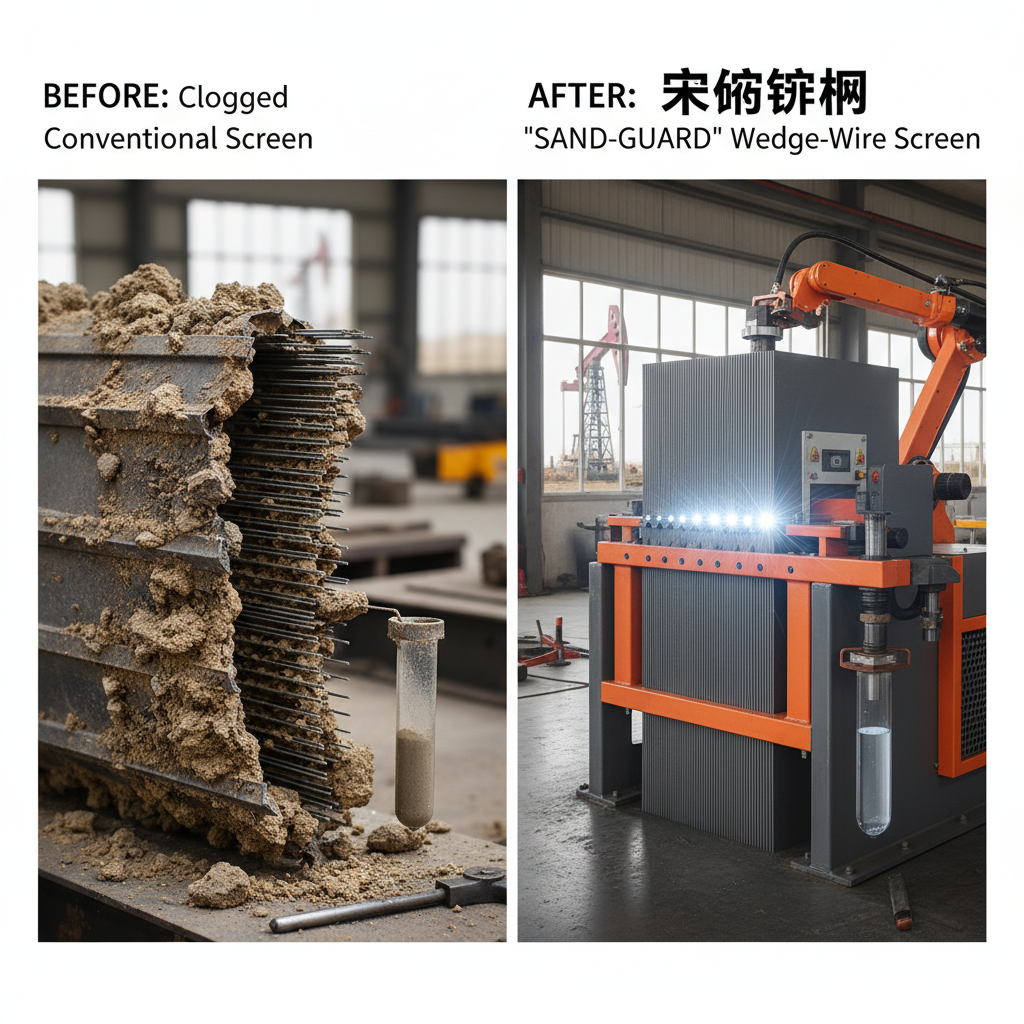
- Engineered to resist clogging, which reduces downtime – a huge plus in high-volume operations.
- A competitive edge comes from their modular design, allowing quick change-outs without extensive downtime.
Vendor Comparison
| Feature | Mutu Screen | Competitor A | Competitor B |
|---|---|---|---|
| Material Quality | AR400/500 Steel | Standard Steel | AR400 Steel |
| Customization Options | Wide range, quick turnaround | Limited sizes | Moderate |
| Warranty | 12 months (extendable) | 6 months | 12 months |
| Lead Time | 2-3 weeks | 4-5 weeks | 3-4 weeks |
Cost, Maintenance & User Experience
Let’s talk dollars and cents, because frankly, that’s what many B2B decision makers really want to know first. While initial costs for a high-quality hammer mill screen like Mutu’s may be higher than some rivals, the ROI is often more favorable. The screens’ durability means fewer replacements and less frequent downtime. One feed mill manager recently mentioned that since switching to Mutu Screen’s product, their maintenance intervals stretched from every 400 to every 700 operational hours – quite a leap.
- Robust design reduces total cost of ownership.
- Users report easier installation and consistent performance without clogging.
Sustainability & Market Trends
A growing concern in industries using hammer mills is sustainability, and rightly so. Hammer mill screens from Mutu Screen are designed with eco-conscious manufacturing methods and materials that last longer — which means less waste. Also, as governments worldwide tighten regulations on industrial emissions and waste, investing in efficient equipment has become not just smart, but often mandatory.
- Longer-lasting screens reduce scrap metal waste significantly over time.
- Market trends show rising demand in bioenergy and feedstock processing, where reliable screens are critical.
Frequently Asked Questions about Hammer Mill Screen
- What is Hammer Mill Screen and how does it work?
- A hammer mill screen is a perforated panel inside the hammer mill that filters material by size. As the hammers break down feedstock or minerals, the material passes through the screen’s holes only when reduced to the desired size, controlling output consistency.
- What are the main benefits of using Hammer Mill Screen in industrial applications?
- Key benefits include improved product quality via uniform particle size, reduced machine downtime due to durable materials, and cost savings over time because of extended service life.
- How does Hammer Mill Screen compare to traditional alternatives?
- Compared to older screens, modern hammer mill screens like those from Mutu Screen offer higher abrasion resistance, improved hole pattern options for specialized applications, and easier installation mechanisms.
- What industries can benefit most from Hammer Mill Screen implementation?
- Primary sectors include feed production, biomass recycling, food processing, and mineral extraction. Each benefits from the screen’s ability to control particle size and improve production efficiency.
Conclusion on Hammer Mill Screen from China
To wrap up, the Hammer Mill Screen from Mutu Screen represents a solid investment for any industrial operation relying on efficient size reduction. Its quality materials and thoughtful engineering translate to fewer headaches and better output. Frankly, it feels like a no-brainer for those prioritizing reliability and performance.
- Recap the value of Hammer Mill Screen.
- - Visit our website: https://www.mutoscreens.com
Reflection: It’s interesting how something as seemingly straightforward as a screen can impact an entire production ecosystem — reminding us that sometimes the smallest parts truly matter the most.