A Practical Guide to Conveyor Belt Scraper Types
Having spent more than a decade in the industrial equipment sector, I’ve come to appreciate how small components can have big impacts. Take conveyor belt scrapers, for example. These seemingly modest tools are the unsung heroes behind efficient, safe material transport in facilities worldwide. Their role? To clean conveyor belts effectively, reducing carryback, preventing damage, and lowering maintenance downtime — all of which can save a company serious money over time.
Conveyor belt scraper types come in a variety of designs adapted to different industries and conveyor conditions. Personally, I’ve seen everything from simple single-blade scrapers to advanced multi-blade systems. Oddly enough, one of the things I noticed early on is that no one-size-fits-all scraper exists. Instead, the best choice depends heavily on belt width, material type, conveyor speed, and even environmental factors like moisture or dust.
The most common varieties are primary scrapers (close to the head roller) and secondary scrapers (downstream). Primary scrapers usually do the heavy lifting — literally — removing the bulk of the carry-back material. Secondary scrapers serve as a finishing touch. Between these types, you'll find tensioning systems designed to keep blades snug against the belt, which is crucial in preventing build-up.
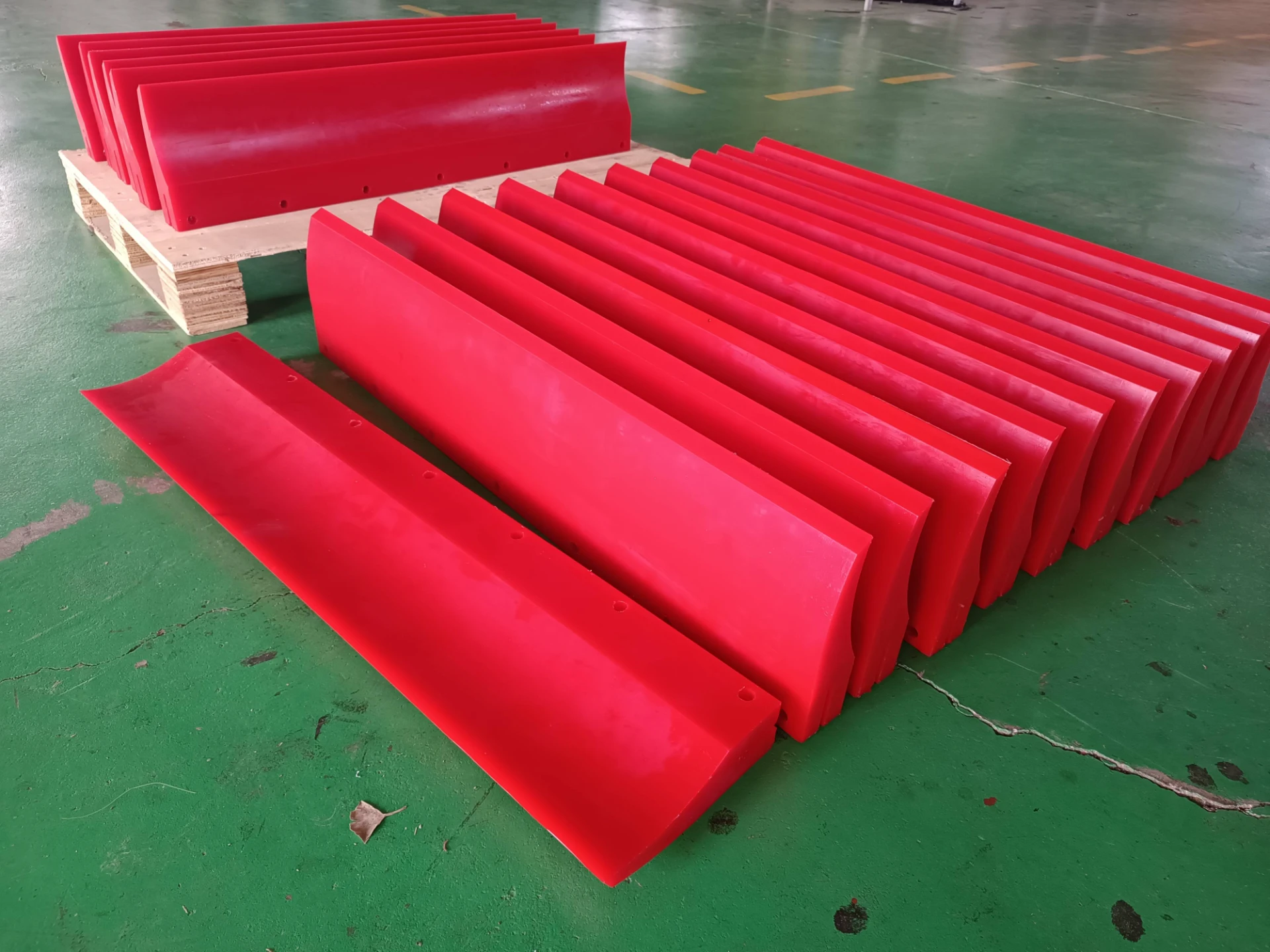
Materials used for scraper blades are also worth considering. Urethane, for instance, offers excellent abrasion resistance and some flexibility, making it suitable for delicate or uneven belts. Steel blades, on the other hand, provide rigid, hard scraping power but require well-maintained belts to avoid damage. There are also composite blades combining materials to balance rigidity and abrasion resistance. I recall one plant switching from steel to urethane scrapers and noticing a significant drop in belt wear after just a couple of months.
If you’re curious about quality and durability, testing procedures matter quite a bit. Many manufacturers imitate field conditions — think dust levels, load types, and belt speeds — to benchmark scraper life and efficiency. While that can seem like overkill, reliability is the name of the game. Frankly, you don’t want to be replacing scrapers every few weeks because of premature failure.
Since custom applications and retrofits are common, many vendors now offer tailored solutions. Features like adjustable tensioners, quick blade replacement systems, and even dual-blade units tailored for tricky bulk materials have become popular. Oddly enough, customers often cite ease of maintenance as one of the top selling points, even over blade life. It just makes the day-to-day less of a headache.
Before we dive into some technical specs, I should share a quick story. A mid-sized mining operation I worked with had chronic carryback issues that were causing belt tracking problems and damaging downstream equipment. After upgrading to a high-quality primary scraper with reinforced polyurethane blades and installing a secondary scraper, their downtime dropped by about 30%. It wasn’t a flashy fix but a well-engineered one — and that’s kind of the point.
Conveyor Belt Scraper Product Specifications
| Specification | Primary Scraper | Secondary Scraper |
|---|---|---|
| Blade Material | Polyurethane or Steel | Urethane Composite |
| Blade Thickness | 10 – 15 mm | 6 – 10 mm |
| Tensioning Method | Spring or Pneumatic | Spring |
| Belt Width Range | 450 – 2,400 mm | 450 – 1,800 mm |
| Primary Application | Bulk Material Removal | Fine Residue Cleaning |
Comparison of Leading Conveyor Belt Scraper Vendors
| Feature | Mutoscreen | Competitor A | Competitor B |
|---|---|---|---|
| Blade Material Options | Steel, Polyurethane, Composite | Steel Only | Polyurethane and Rubber |
| Custom Design Available | Yes | Limited | Yes, but costly |
| Installation Support | On-site and Remote | Remote Only | None |
| Maintenance Features | Quick-release blades | Standard bolts | Snap-on blades |
| Warranty | 2 years | 1 year | 1 year |
So, how do you decide the right conveyor belt scraper types for your application? I’d say start with a clear understanding of your conveyor conditions — what you’re conveying, the belt specs, and the environment. From there, lean on trusted vendors who can customize and back their products with strong support. It’s a small investment that pays back in smoother operation and less downtime.
In real terms, conveyor belt scrapers might not be the flashiest industrial products, but they’re critical. You can’t afford to overlook them — or underestimate their role in the bigger maintenance picture.
Quick takeaway: The most effective scraper is the one designed specifically for your belt and material type, backed by robust support and good maintenance practices.
References:
1. Conveyor Equipment Manufacturers Association (CEMA) guidelines
2. Industry case studies from mining and bulk handling facilities
3. Vendor product literature, including Mutoscreen