Johnson Well Screens: A Comprehensive Guide
When designing efficient water extraction systems, the selection of appropriate well screens is paramount. Johnson well screens are a widely recognized and trusted solution, renowned for their durability, efficiency, and resistance to clogging. This article provides a detailed overview of Johnson well screens, their applications, benefits, and key considerations for selecting the right screen for your project. We'll explore how these screens optimize water flow and minimize maintenance, making them a vital component of sustainable water management.
Understanding Johnson Well Screen Technology
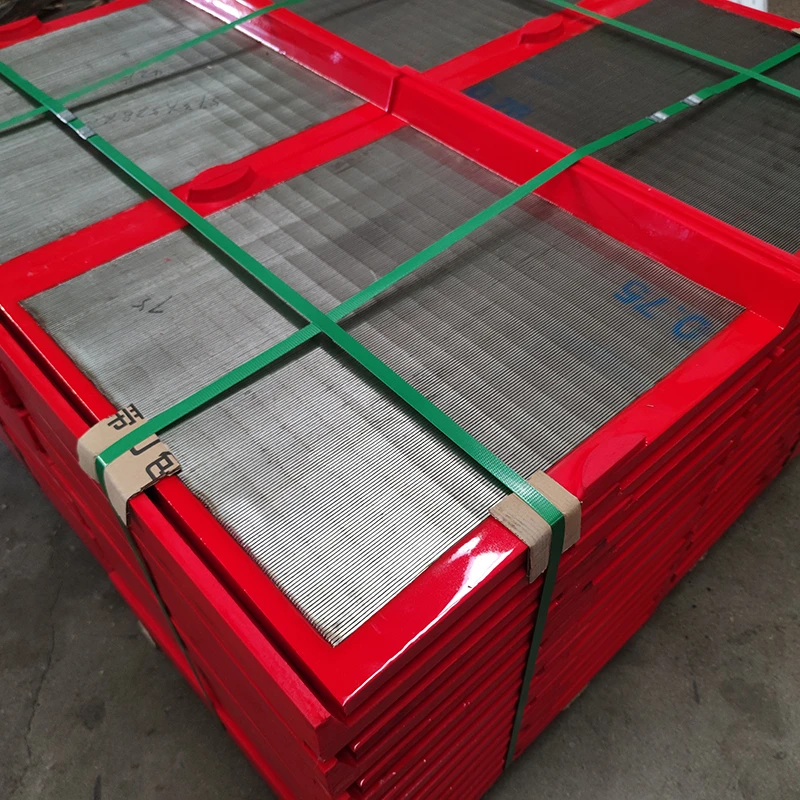
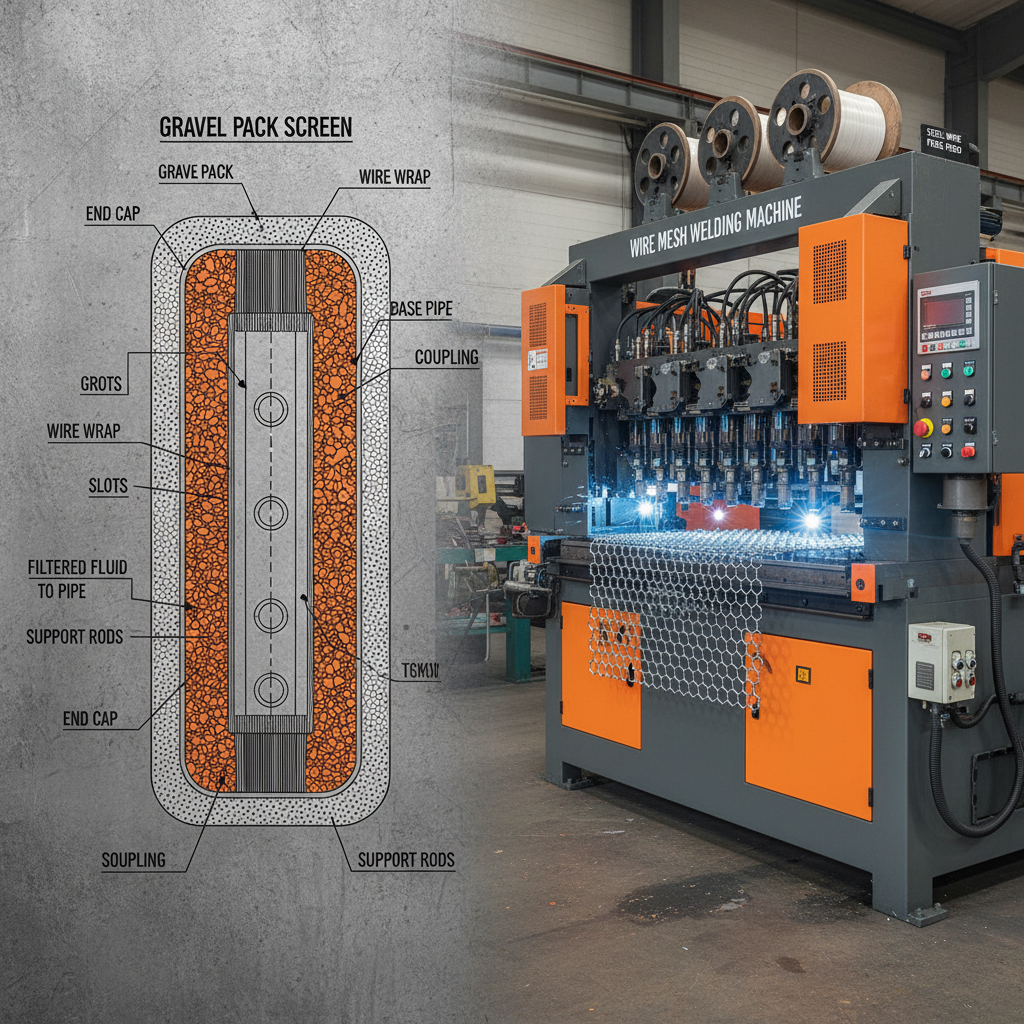
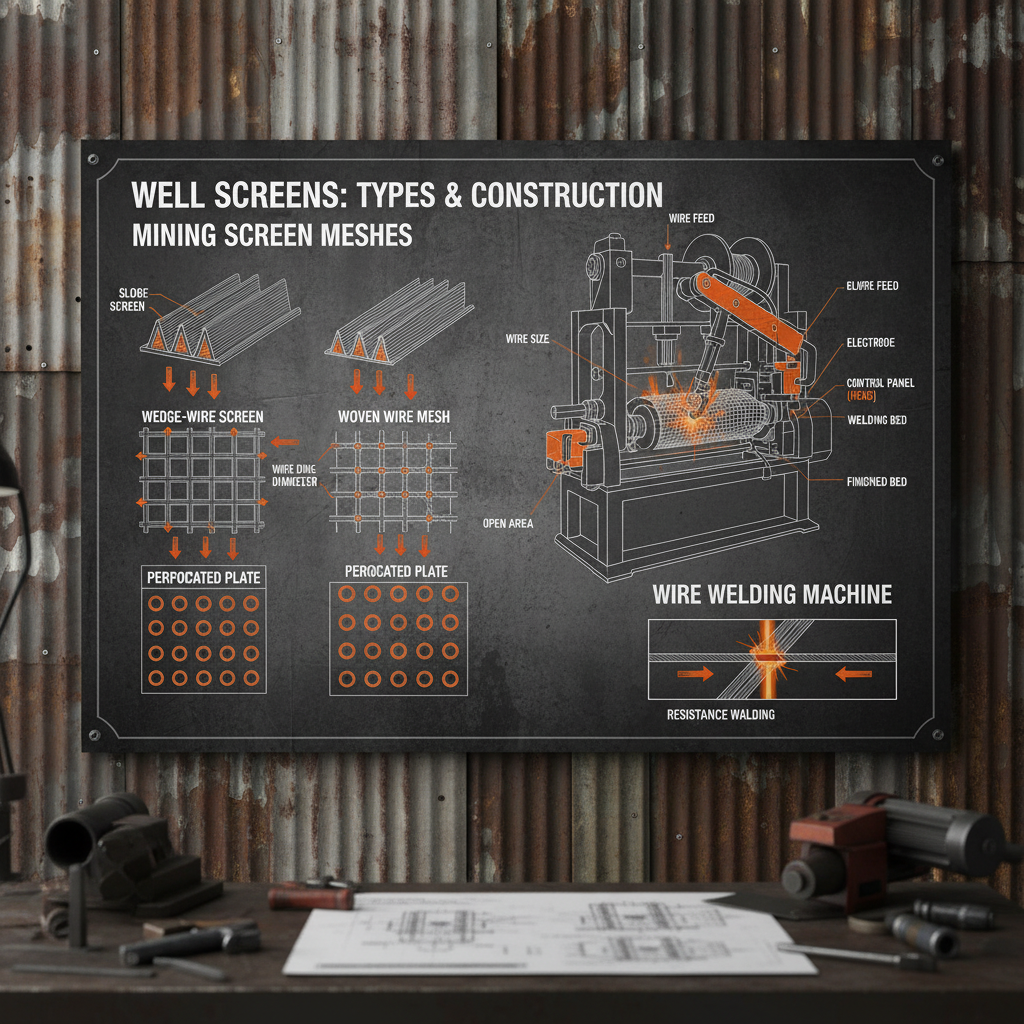
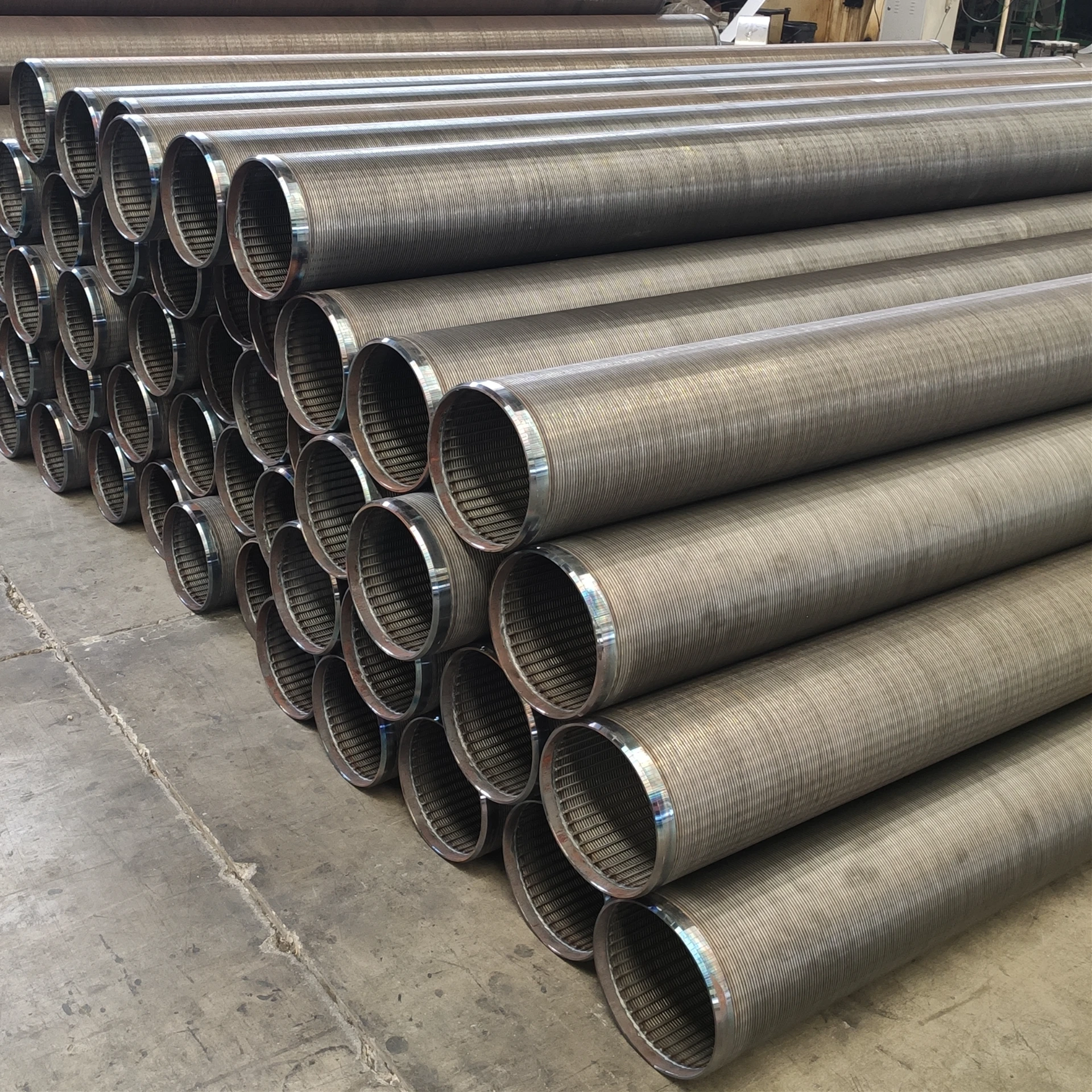
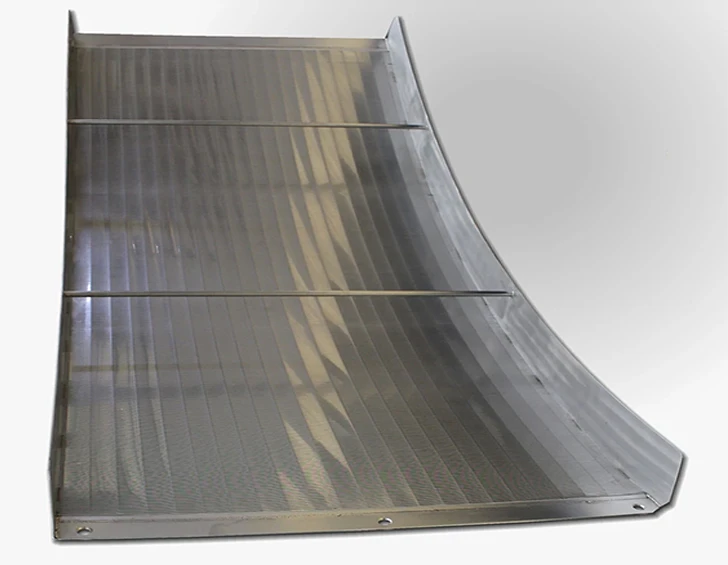
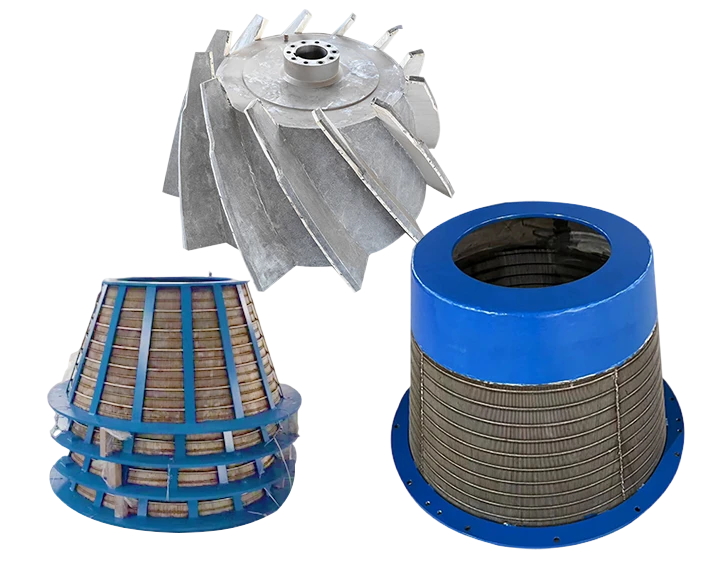
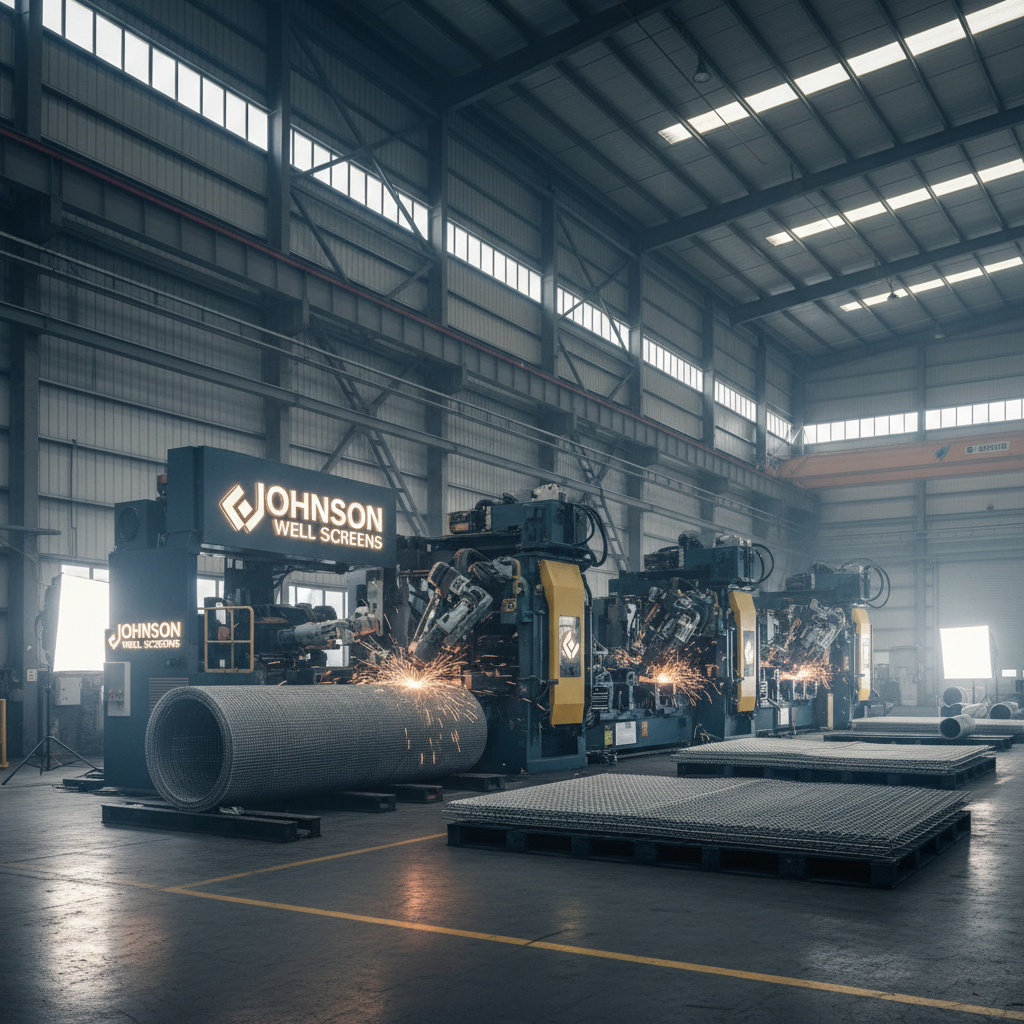
Johnson well screens utilize a V-shaped wire profile that is continuously wrapped around a central support rod. This unique design creates a significantly larger open area compared to traditional slotted pipe screens, maximizing water flow and minimizing head loss. The V-shaped profile also prevents plugging, even when dealing with sandy or gravelly water. The consistent slot size throughout the screen ensures uniform water intake and prevents sand pumping, extending the lifespan of your well system. MutoScreen's Johnson well screens are engineered for optimal performance and longevity, utilizing high-quality materials and precise manufacturing processes.
Key Highlights: Maximizing water flow, minimizing head loss, preventing plugging, and ensuring uniform water intake.
Applications of Johnson Well Screens
Johnson well screens find diverse applications across various industries. They are commonly employed in water wells for municipal, industrial, and agricultural purposes. They are also used in groundwater monitoring wells, oil and gas production wells, and filter intake screens for surface water treatment plants. Furthermore, these screens are suitable for applications in harsh environments, including saltwater and corrosive groundwater conditions. The versatility and reliability of Johnson well screens make them an ideal solution for a wide range of water management challenges.
Application Areas:
• Water Wells (Municipal, Industrial, Agricultural)
• Groundwater Monitoring Wells
• Oil and Gas Production Wells
• Filter Intake Screens
Johnson Well Screens vs. Traditional Slotted Pipe: A Comparison
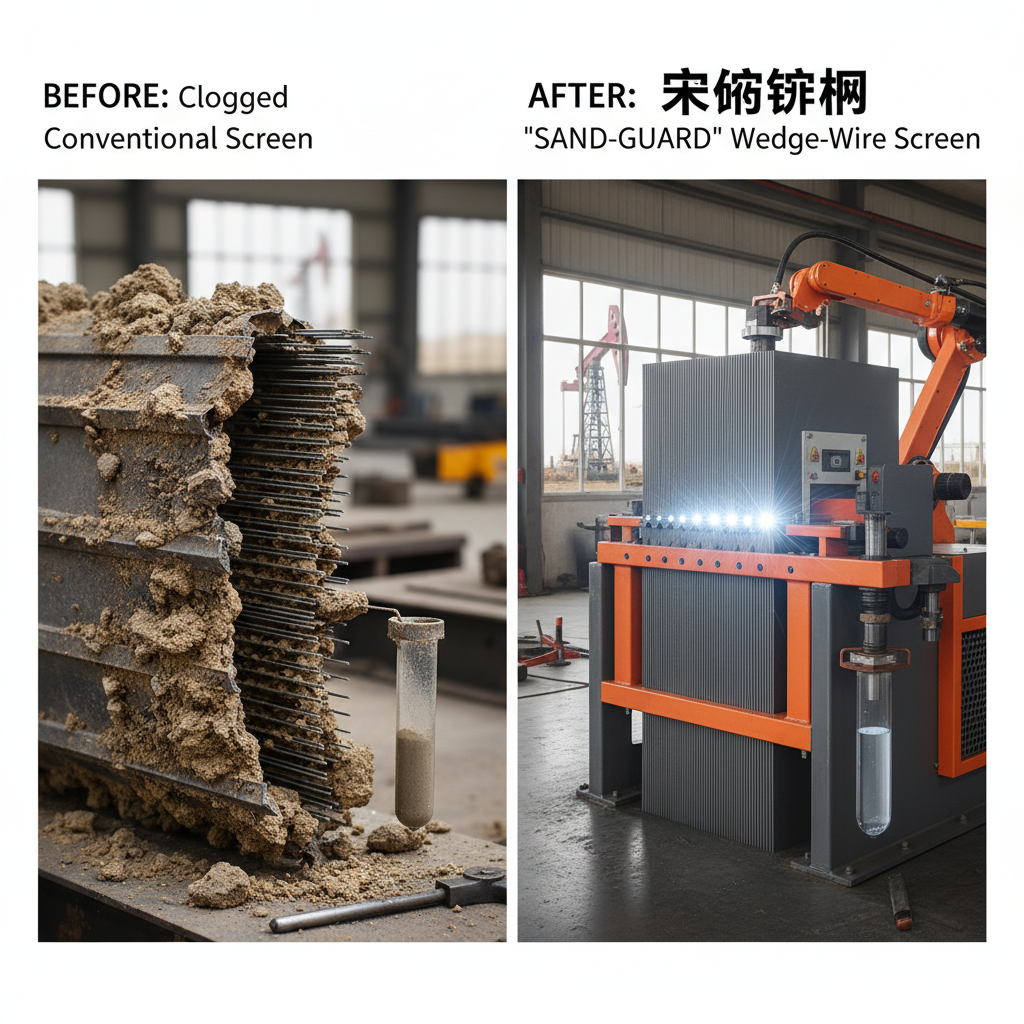
While traditional slotted pipe screens offer a more economical upfront cost, Johnson well screens provide superior long-term performance and reduced maintenance requirements. Traditional slotted pipe is prone to clogging, especially in sandy or gravelly conditions, leading to reduced water flow and increased pumping costs. Johnson screens, with their V-shaped wire profile, minimize plugging and maintain consistent water intake. Moreover, the robust construction of Johnson screens ensures greater durability and resistance to corrosion, extending the lifespan of the well system.
Selecting the Right Johnson Well Screen
Choosing the correct Johnson well screen requires careful consideration of several factors. These include the well diameter, the grain size of the aquifer material, the desired flow rate, and the water quality. MutoScreen offers a range of screen sizes and materials to suit diverse applications. Consulting with a qualified well drilling professional or a screen manufacturer is crucial to ensure optimal performance and longevity of your well system. Accurate assessment of these parameters will prevent premature failure and optimize water production.
Material Options and Corrosion Resistance
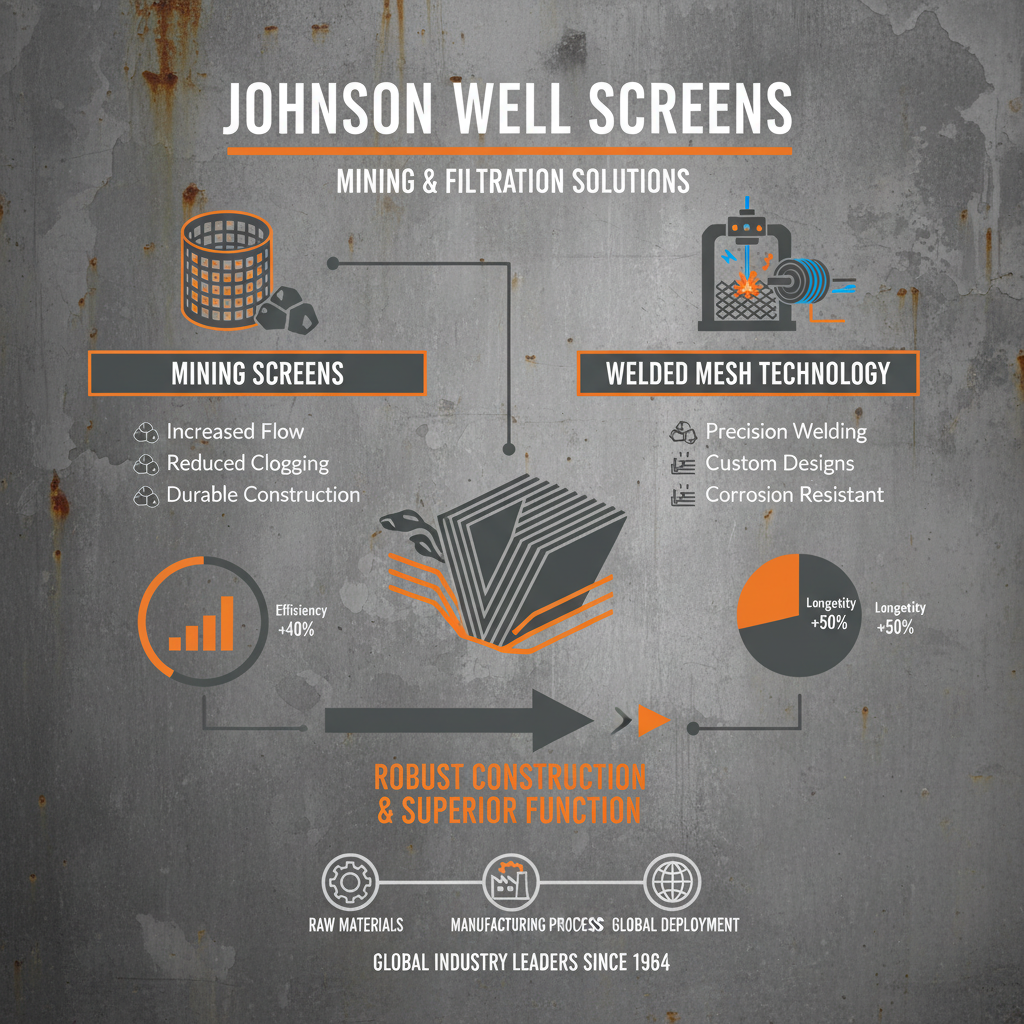
Johnson well screens are available in various materials, including stainless steel (304, 316L), and carbon steel with coatings. Stainless steel is the preferred choice for most applications due to its exceptional corrosion resistance. 316L stainless steel offers superior resistance to chloride-induced pitting corrosion, making it ideal for saltwater environments. Carbon steel screens with coatings can be used in less corrosive environments but require regular inspection and maintenance. The selection of the appropriate material is critical to ensure the long-term integrity and performance of the well screen. MutoScreen provides expert guidance on material selection based on your specific project requirements.
Conclusion: Investing in Quality with Johnson Well Screens
Investing in high-quality Johnson well screens is a strategic decision that yields long-term benefits. Their superior performance, durability, and resistance to clogging translate into reduced maintenance costs, increased water production, and extended well lifespan. Choose a reputable manufacturer like MutoScreen to ensure you receive a reliable and high-performing solution tailored to your specific needs.
Frequently Asked Questions (FAQs)
What is the typical lifespan of a Johnson well screen?
The lifespan of a Johnson well screen can range from 20 to 50 years, depending on the environmental conditions and the quality of materials used. Stainless steel screens generally have a longer lifespan than carbon steel screens. Regular inspections and proper maintenance, such as cleaning and corrosion protection, can further extend the life of the screen. Factors like water chemistry (salinity, pH, and mineral content) and the presence of abrasive particles can influence the lifespan. Choosing the correct material and coating for your specific application is vital for maximizing longevity.
How do I determine the correct slot size for my well screen?
The correct slot size is determined by the grain size distribution of the aquifer material. The slot size should be small enough to prevent sand pumping but large enough to minimize head loss and clogging. Typically, the slot size is chosen to retain 80-90% of the aquifer material by weight. A sieve analysis of the aquifer material is often performed to determine the appropriate slot size. MutoScreen’s technical experts can assist in determining the optimal slot size for your specific well conditions.
What maintenance is required for Johnson well screens?
Johnson well screens generally require minimal maintenance, but regular inspections are recommended. These inspections should include a visual assessment for corrosion, damage, or clogging. Periodic well development, such as surging and backwashing, can help remove accumulated sediment and maintain optimal flow rates. In some cases, chemical cleaning or mechanical brushing may be necessary to remove stubborn deposits. Monitoring well performance (water levels and flow rates) can also provide early warning signs of potential issues.
Are Johnson well screens suitable for high-salinity environments?
Yes, Johnson well screens are suitable for high-salinity environments, especially when constructed from 316L stainless steel. 316L stainless steel contains molybdenum, which significantly improves its resistance to chloride-induced pitting corrosion. However, even with 316L stainless steel, regular inspection and maintenance are still recommended in extremely harsh saline conditions. The specific corrosion resistance will depend on the salinity level and the presence of other corrosive agents in the water.