Drum Screen Water Treatment: A Comprehensive Guide
Effective water treatment is paramount across numerous industries, from municipal water facilities to agricultural processes. Drum screens are a vital component in preliminary treatment, efficiently removing large debris and solids. This article provides an in-depth exploration of drum screen water treatment, its benefits, applications, and the technologies offered by MutoScreen. We'll examine how drum screens contribute to optimizing downstream processes and ensuring water quality.
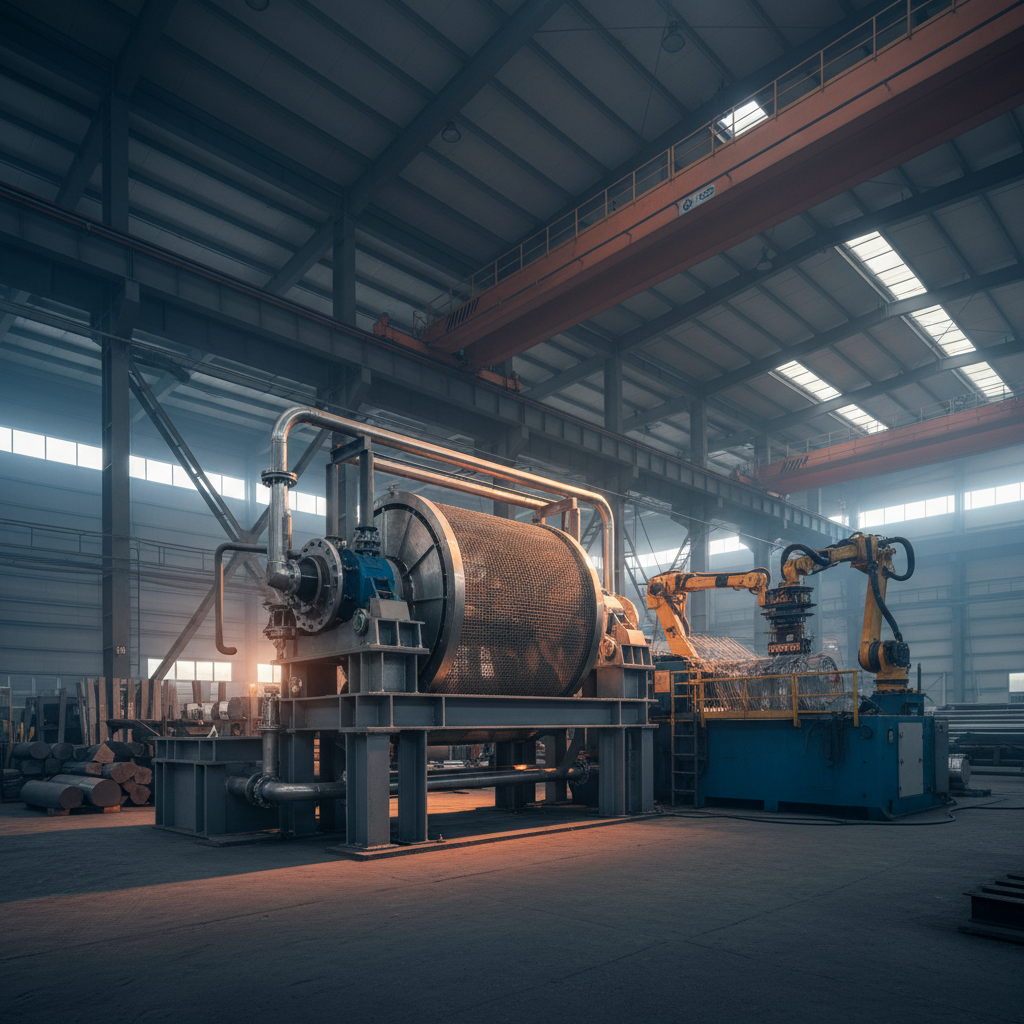
Understanding Drum Screen Water Treatment
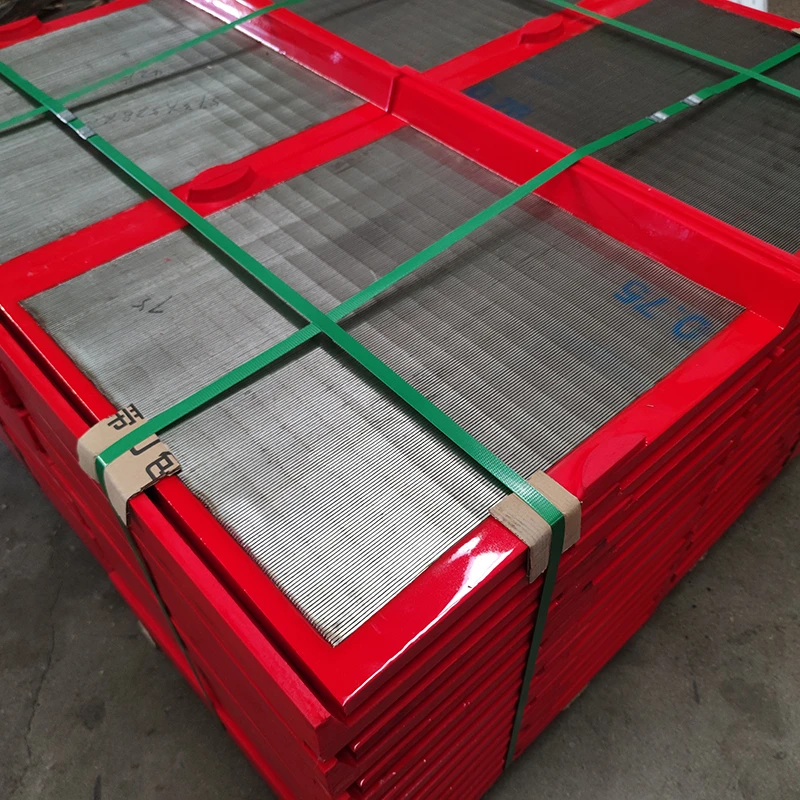
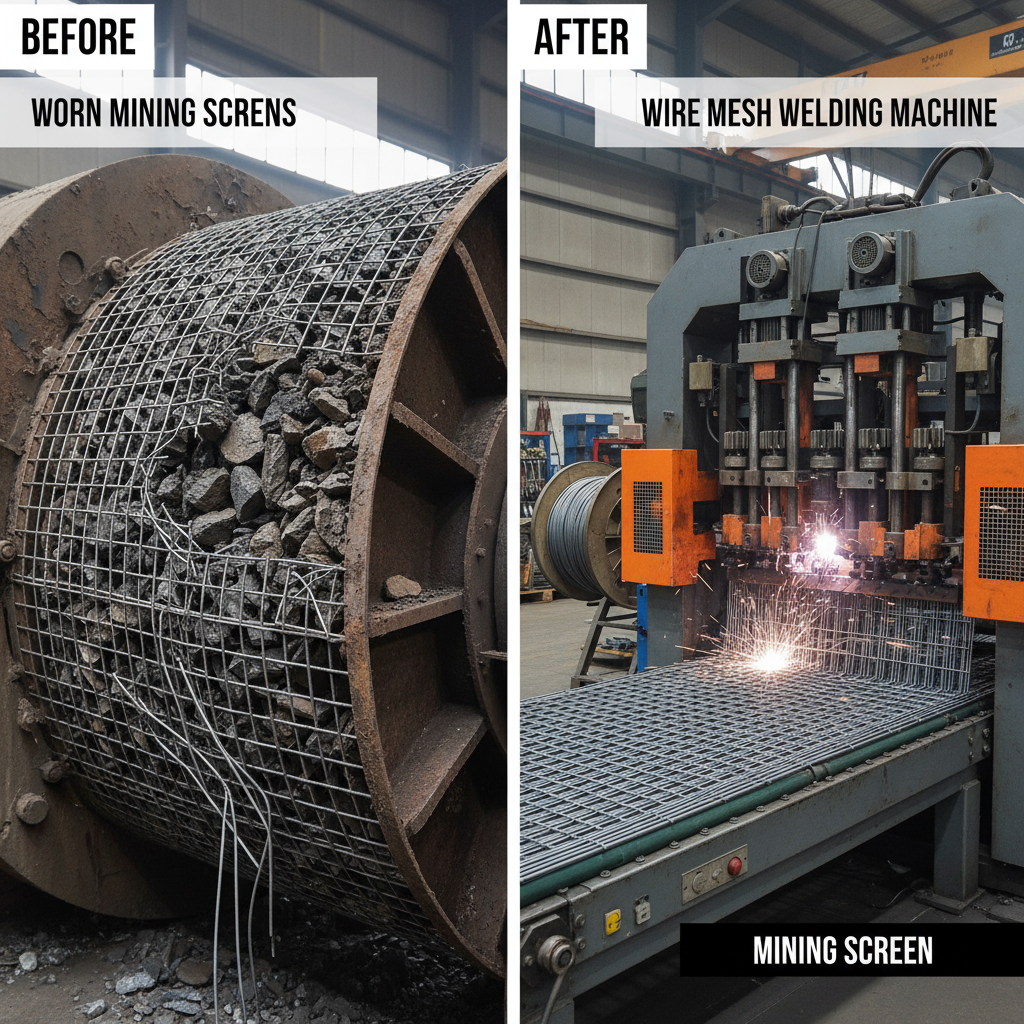
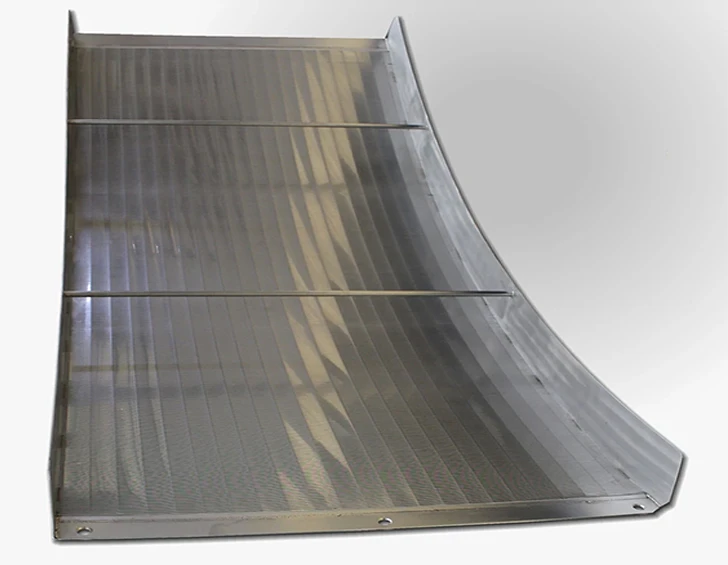
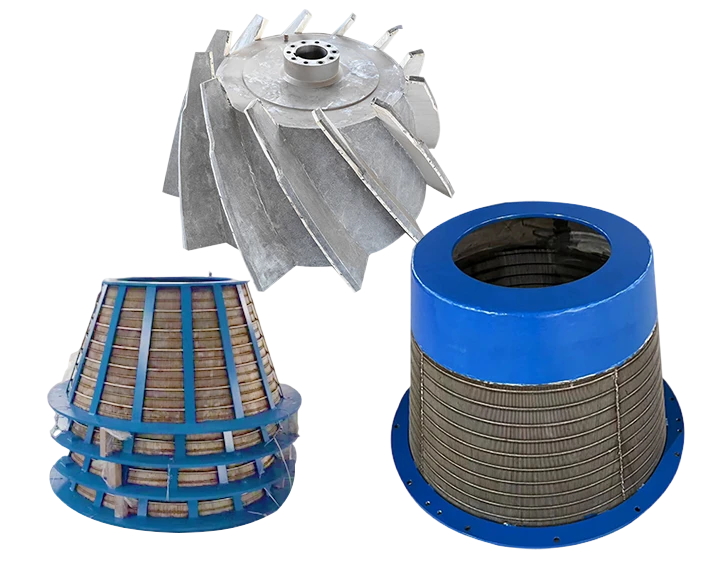
Drum screens, also known as rotary drum screens or mechanical screens, utilize a rotating cylindrical drum with perforated surfaces to separate solids from liquids. Wastewater flows into the drum, and the rotating action allows water to pass through the perforations while retaining solids on the drum’s surface. These retained solids are then removed by internal or external cleaning mechanisms. This process effectively removes materials such as rags, plastics, leaves, and other large debris that could damage downstream equipment like pumps and aeration systems. A key benefit of drum screens is their ability to handle high flow rates with minimal headloss, making them ideal for preliminary treatment in large-scale wastewater facilities.
Key Benefit: Drum screens minimize damage to downstream equipment and reduce maintenance costs by removing large debris early in the treatment process.
Applications of Drum Screen Technology
The versatility of drum screens makes them suitable for a wide range of applications. Municipal wastewater treatment plants utilize them for removing debris from influent sewage. Industrial facilities, such as food processing and pulp & paper mills, rely on drum screens to remove solids from process water. Agricultural operations employ them to filter irrigation water and remove organic matter. Furthermore, drum screens are increasingly used in stormwater management to prevent pollutants from entering waterways. The effectiveness and reliability of drum screen technology contribute to more efficient and sustainable water management practices.
Common Applications:
• Municipal Wastewater Treatment
• Industrial Wastewater Treatment
• Agricultural Irrigation
• Stormwater Management
Drum Screen vs. Other Screening Technologies
While various screening technologies exist, drum screens offer distinct advantages. Compared to bar screens, drum screens can handle smaller debris and provide a finer level of filtration. They also require less frequent cleaning than band screens. Compared to static screens, drum screens have a smaller footprint and can handle higher flow rates. The automated cleaning mechanisms of drum screens minimize operator intervention and reduce maintenance requirements. Therefore, drum screens present a cost-effective and efficient solution for preliminary water treatment.
MutoScreen: Innovative Drum Screen Solutions
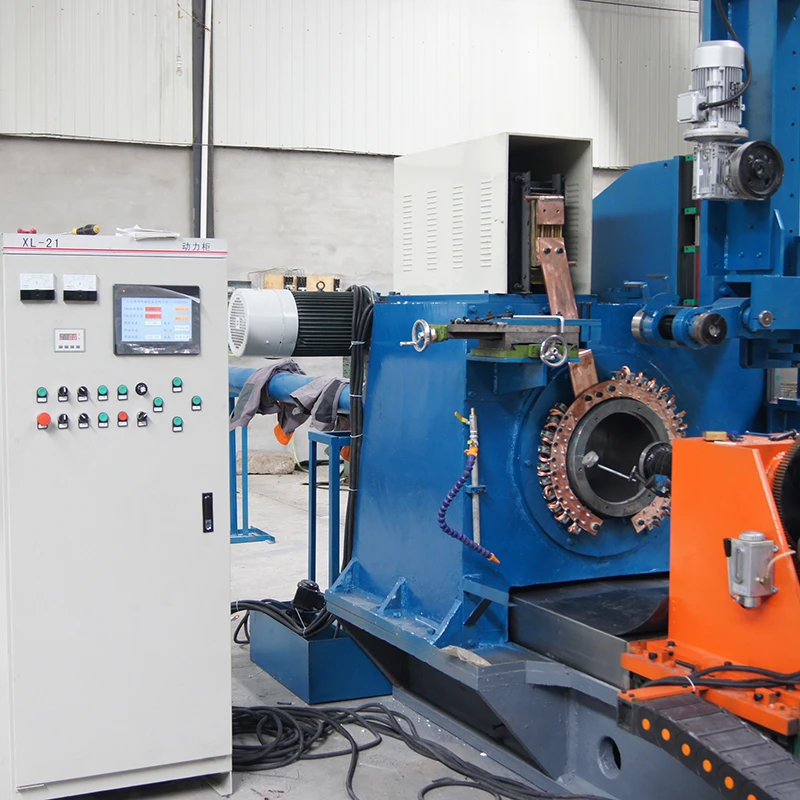
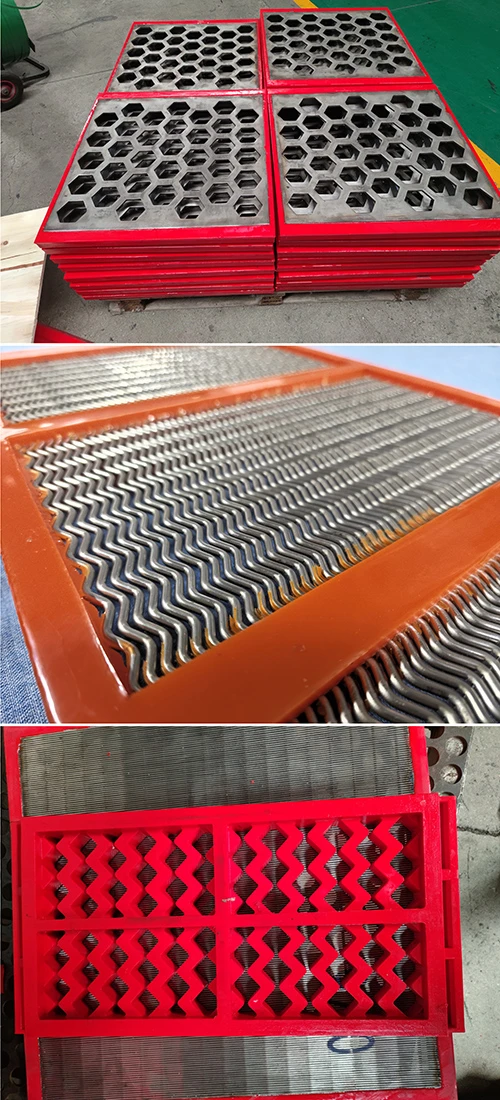
MutoScreen specializes in the design and manufacture of high-performance drum screens. Our screens are engineered for durability, efficiency, and ease of maintenance. We offer a range of models to suit diverse flow rates and applications. Key features of MutoScreen drum screens include robust construction, automated cleaning systems, and customizable perforations. We provide tailored solutions to meet the specific needs of our clients, ensuring optimal water treatment performance.
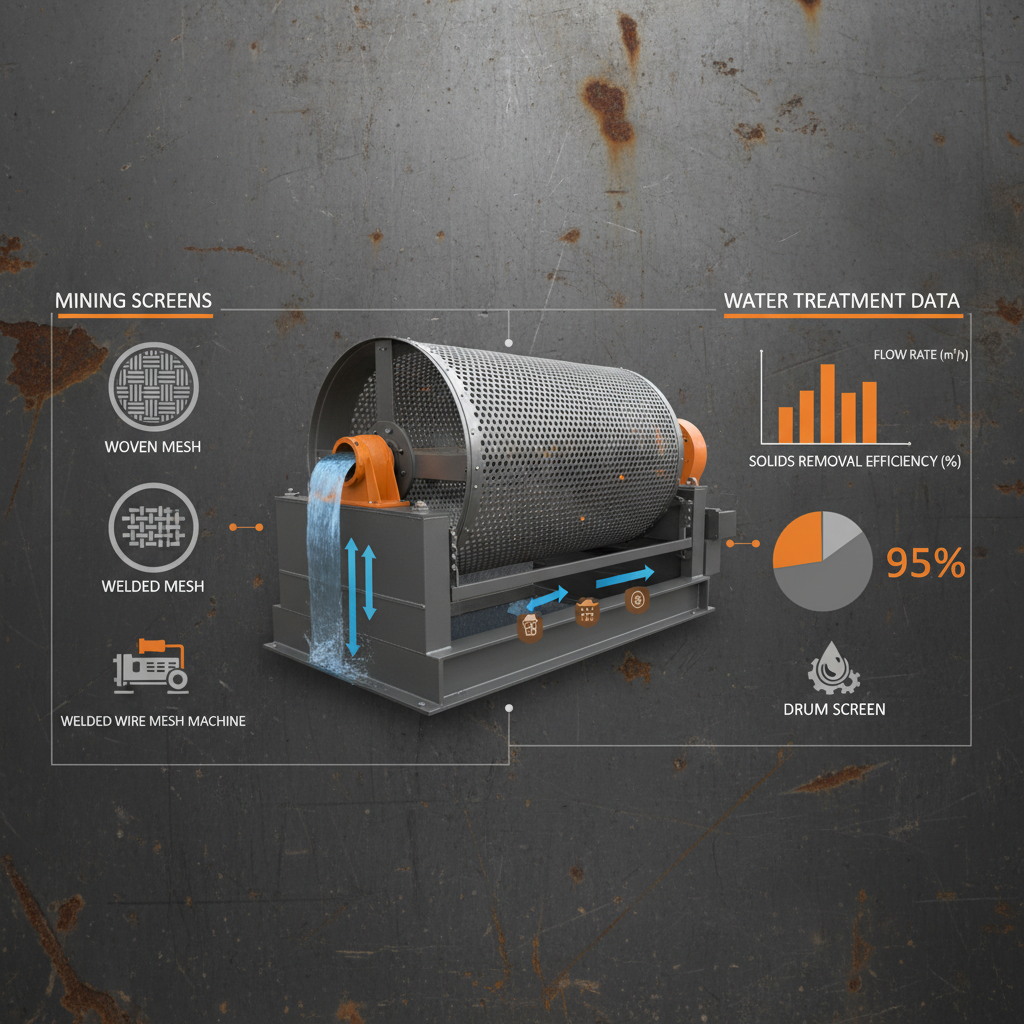
Benefits of Choosing MutoScreen Drum Screens
Selecting MutoScreen drum screens delivers numerous benefits. Our screens are designed for long-term reliability and minimal downtime. The automated cleaning systems reduce labor costs and ensure consistent performance. The customizable perforations allow for optimized solids removal based on specific application requirements. We provide comprehensive support, including installation, training, and maintenance services. With MutoScreen, you can be confident in a robust and efficient water treatment solution.
Conclusion: Optimize Your Water Treatment with MutoScreen
Investing in a MutoScreen drum screen is a strategic decision for any facility seeking to improve water quality, reduce maintenance costs, and enhance operational efficiency. Our innovative solutions are designed to meet the evolving demands of modern water treatment. Contact us today to discuss your specific needs and discover how MutoScreen can help you achieve your water treatment goals.
Frequently Asked Questions (FAQs)
What is the typical lifespan of a MutoScreen drum screen?
A properly maintained MutoScreen drum screen typically has a lifespan of 10-20 years, depending on the application and operating conditions. We utilize high-quality materials and robust construction techniques to ensure long-term durability. Regular inspections and preventative maintenance, such as lubricating moving parts and replacing worn components, are crucial for maximizing the lifespan of the screen. MutoScreen offers comprehensive maintenance programs to support our customers in achieving optimal performance and longevity.
What size drum screen do I need for my application?
Determining the appropriate drum screen size depends on several factors, including the flow rate of the wastewater, the characteristics of the solids being removed, and the required level of filtration. MutoScreen’s experienced engineers can assist you in sizing the optimal drum screen for your specific application. We consider factors like peak flow rates, solids loading, and space constraints to provide a customized solution. A detailed site assessment may be required to ensure accurate sizing and optimal performance.
How often does the drum screen require cleaning?
MutoScreen drum screens are equipped with automated cleaning systems that minimize the need for manual intervention. The cleaning frequency depends on the solids loading and the characteristics of the wastewater. However, the automated systems continuously remove accumulated solids, ensuring optimal performance. Periodic inspections are recommended to verify the effectiveness of the cleaning system and address any potential issues.
What type of maintenance is required for a MutoScreen drum screen?
Routine maintenance for a MutoScreen drum screen includes lubricating moving parts, inspecting and replacing worn components (such as seals and bearings), and verifying the proper operation of the cleaning system. We recommend establishing a preventative maintenance schedule to ensure long-term reliability. MutoScreen offers comprehensive maintenance contracts and support services to assist our customers with maintaining their equipment.