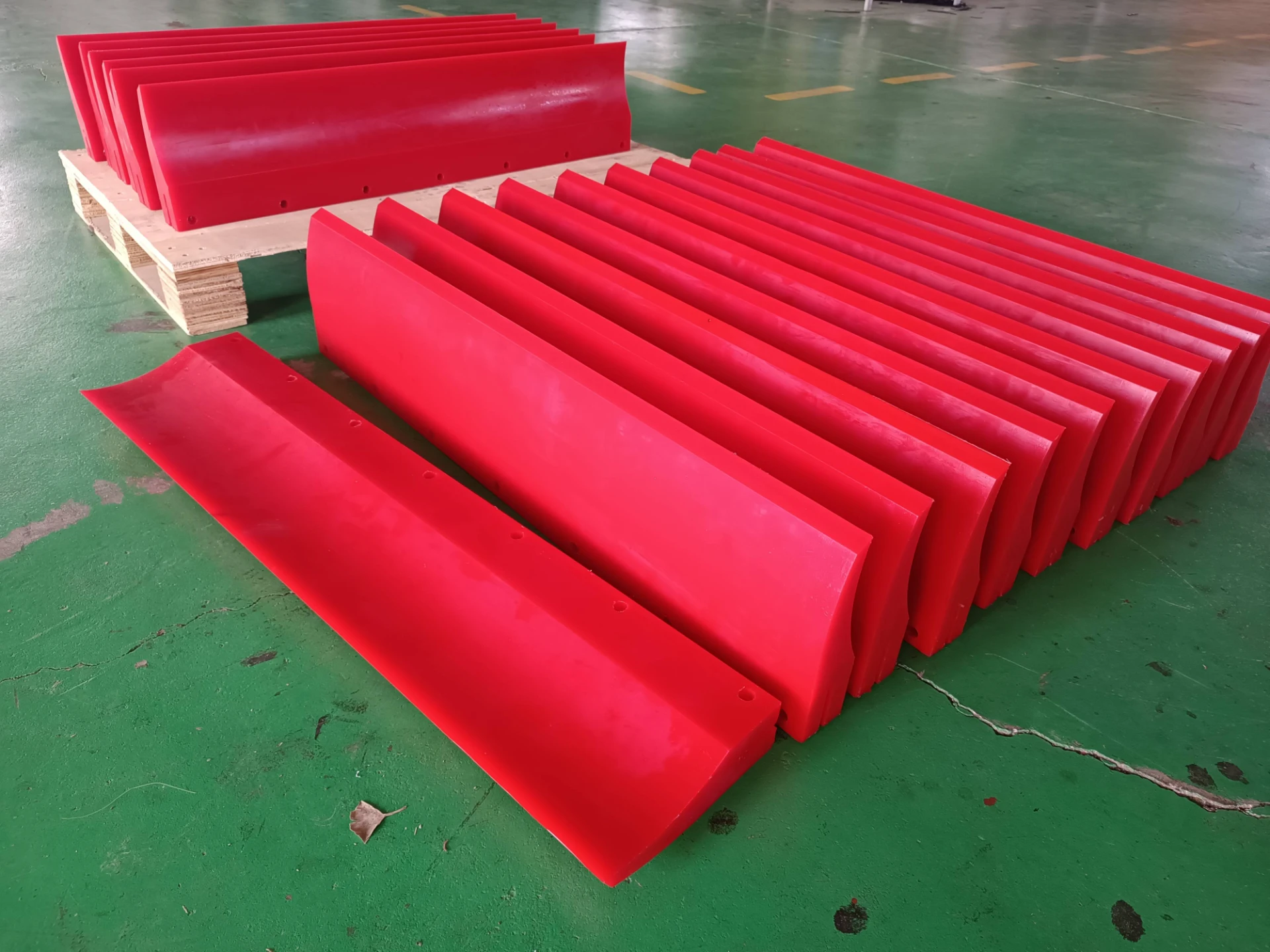
Understanding the Conveyor Belt Wiper: Essential for Modern Industry
Conveyor belt wipers might not be the flashiest components in industrial machinery, but they’re undeniably crucial. In essence, these devices help keep conveyor belts clean by removing debris, reducing wear and tear, and minimizing downtime. Globally, industries—from mining to recycling—rely on conveyor belt wipers to maintain operational efficiency and safety. Given the tremendous volumes of material transported daily, understanding how conveyor belt wipers function and their benefits is key to improving industrial productivity worldwide.
Introduction: The Global Importance of Conveyor Belt Wipers
Conveyor belts move more than 60% of the world’s bulk materials in sectors such as mining, agriculture, and logistics, according to the International Organization for Standardization (ISO). Yet, a pervasive challenge exists: carryback, or material clinging to the belts after unloading. This results in material loss, equipment damage, and increased maintenance costs—issues conveyor belt wipers address head-on.
Oddly enough, despite their humble role, conveyor belt wipers contribute greatly to cost savings and sustainability by preventing waste and reducing downtime—two things industrial operators fiercely guard against in their daily grind.
Defining the Conveyor Belt Wiper
At its core, a conveyor belt wiper is a scraper blade installed on the discharge end of a conveyor belt. Its job? To remove residual material left behind as the belt passes over rollers or pulleys. Think of it as a windshield wiper removing grime—only it’s scraping solids like coal dust, crushed stone, or food particles.
In industries where clean material transfer means better product quality and longer equipment life, these wipers play a quiet but vital role. From humanitarian waste management in disaster zones to high-volume manufacturing plants, they keep systems running smoothly under tough conditions.
Key Factors That Define Conveyor Belt Wipers
Durability
Since these wipers endure abrasive materials day in and day out, the choice of blade material—usually polyurethane or carbide-tipped steel—is critical. Durable wipers reduce replacement frequency and maintenance interruptions.
Scalability & Sizing
No one-size-fits-all here. Belts vary widely in width and speed. Selecting the right wiper length and mounting style ensures effective material removal without damaging the belt’s surface.
Cost Efficiency
Though some high-end wiper systems have a bigger upfront cost, their longer operational life and labor savings often pay off. Frankly, it’s about balancing budget with performance expectations.
Ease of Installation & Maintenance
Modular designs and adjustable mechanisms allow quick blade replacement and tension adjustments, minimizing downtime during upkeep.
Environment and Safety Considerations
Good wipers prevent material carryback that can accumulate and create slip hazards or airborne dust, improving both environmental impact and worker safety.
Product Specification Table: Sample Conveyor Belt Wiper
| Specification | Details |
|---|---|
| Blade Material | High-Density Polyurethane (HDPE) |
| Blade Thickness | 10 mm |
| Mounting Type | Adjustable Frame |
| Suitable Belt Width | 600 mm to 1600 mm |
| Temperature Range | -20°C to 80°C |
| Expected Lifespan | 12–24 months (depending on conditions) |
Global Applications & Use Cases
From the coal mines of Australia to the agricultural sorting plants in the Netherlands, conveyor belt wipers are everywhere. In remote industrial zones, they prevent costly breakdowns, often where technical support is scarce. For instance, in post-disaster waste management, conveyor belt wipers help volatile debris clear efficiently, enabling faster cleanup and safer environments.
Moreover, industries like recycling benefit heavily—since contamination on belts can reduce sorting purity, wipers ensure cleaner material flow. Oddly enough, some humanitarian organizations incorporate conveyor belt technologies in relief supply chains, showcasing an unexpected but important role these devices play beyond traditional heavy industry.
Vendor Comparison Table
| Feature | Vendor A | Vendor B | Vendor C |
|---|---|---|---|
| Materials Used | Polyurethane & Steel | Carbide-Tipped Steel | Rubber Composite |
| Price Range | $$ | $$$ | $ |
| Installation Time | 1–2 hours | 3–4 hours | Less than 1 hour |
| Maintenance Required | Quarterly | Biannually | Monthly |
| Warranty | 18 months | 24 months | 12 months |
Advantages & Long-Term Value of Conveyor Belt Wipers
Why should businesses care? The advantages are certainly tangible:
- Reduced Maintenance Costs: Wipers drastically cut down the need for frequent belt cleaning, saving precious labor and downtime.
- Increased Belt Lifespan: By preventing abrasive debris buildup, belts last longer, improving return on investment.
- Environmental Safety: Cleaner belts reduce material spillage and dust, which translates to a safer workplace and compliance with environmental regulations.
On an emotional level, there’s a quiet reassurance that reliable equipment imparts on line operators — reducing stress and fostering trust in the system. After all, in industrial settings where minutes of downtime cost thousands, every component counts.
Future Trends & Innovations
Innovation isn’t standing still. New materials infused with nanosilicon coatings promise even greater abrasion resistance and self-cleaning properties. Remote monitoring sensors are being integrated with wipers to provide real-time wear feedback, fitting into the broader digital transformation sweeping the manufacturing floors.
Environmental sustainability also drives design: manufacturers aim to produce recyclable wiper blades and reduce polyurethanes’ carbon footprint. Automation is also on the rise—automated tensioners adjusting blade pressure can optimize cleaning and extend blade life dynamically.
Challenges & Solutions in Conveyor Belt Wiper Usage
Not all is perfect, of course. The biggest challenge is adapting wipers to extreme conditions such as heavy moisture, sharp debris, or high temperatures, which can cause premature wear or belt damage. Another issue is improper installation causing uneven blade pressure leading to poor cleaning.
Expert technicians suggest routine training and proper system audits to identify the right wiper type and setup. Investing in modular systems that allow easy blade swaps helps industries adapt quickly when conditions change or issues arise.
FAQ: Frequently Asked Questions About Conveyor Belt Wipers
-
Q: How often should conveyor belt wipers be replaced?
A: Replacement intervals depend on material abrasiveness and usage but typically range from 12 to 24 months. Regular inspections help identify wear before performance drops. -
Q: Can conveyor belt wipers handle wet or sticky materials?
A: Yes, but wiper design must suit material properties. Special blades with anti-adhesive coatings work better with sticky or moist substances. -
Q: Is it possible to retrofit existing conveyors with wipers?
A: Absolutely. Many modern wiper systems are designed for easy retrofit, with adjustable fittings that adapt to a variety of conveyor widths and layouts. -
Q: What safety benefits do conveyor belt wipers offer?
A: By minimizing carryback, wipers reduce risk of material slipping onto walkways and airborne dust, which improves worker safety and compliance with workplace health standards. -
Q: Where can I find reliable conveyor belt wiper suppliers?
A: Industry leaders like those featured in our vendor comparison table offer tailored solutions. You can also explore conveyor belt wiper suppliers who offer customization for your needs.
Conclusion: Keeping Industry Moving with Conveyor Belt Wipers
In the grand machinery of global industry, conveyor belt wipers quietly but decisively hold it together—keeping belts clean, equipment safe, and materials moving efficiently. Their long-term value emerges in reduced costs, improved sustainability, and enhanced safety.
If you want to learn more about how to optimize your conveyor systems and improve belt cleanliness, do visit our website at https://www.mutoscreens.com. After all, a well-maintained conveyor belt keeps your business flowing smoothly.
It’s fascinating how something as simple as a wiper blade can ripple through entire industries. For those who work with conveyors every day, they're indispensable—proving that small components often carry big weight.
References
- ISO 5048: Bulk Materials Transport by Belt Conveyors (accessed 2024)
- Wikipedia: Conveyor Belt (2024)
- World Bank Industry Data (2023)