


Industrial filtration and screening processes are critical for ensuring the purity and efficiency of resource extraction and fluid processing. For engineers and procurement managers, identifying reliable well screen suppliers requires a deep understanding of wedge wire technology, material science, and the specific hydraulic demands of the operating environment. This guide examines the technical requirements and commercial considerations for acquiring high-performance screening solutions.
The complexity of solid-liquid separation in mining, chemical processing, and water treatment means that a generic screen often leads to premature failure or inefficient flow rates. Technical failure typically stems from improper material selection or inadequate slot precision, which can cause clogging or structural collapse under high pressure. Consequently, the shift toward specialized filtration solution providers is becoming an industry standard to mitigate operational risks.
Readers will discover how to evaluate manufacturer capabilities, from the precision of wire drawing and welding to the implementation of rigorous testing protocols. We will analyze the trade-offs between various metals and synthetic materials and provide a framework for assessing the long-term value of screen investments based on total cost of ownership and technical support availability.
Evaluating Industrial Filtration Standards
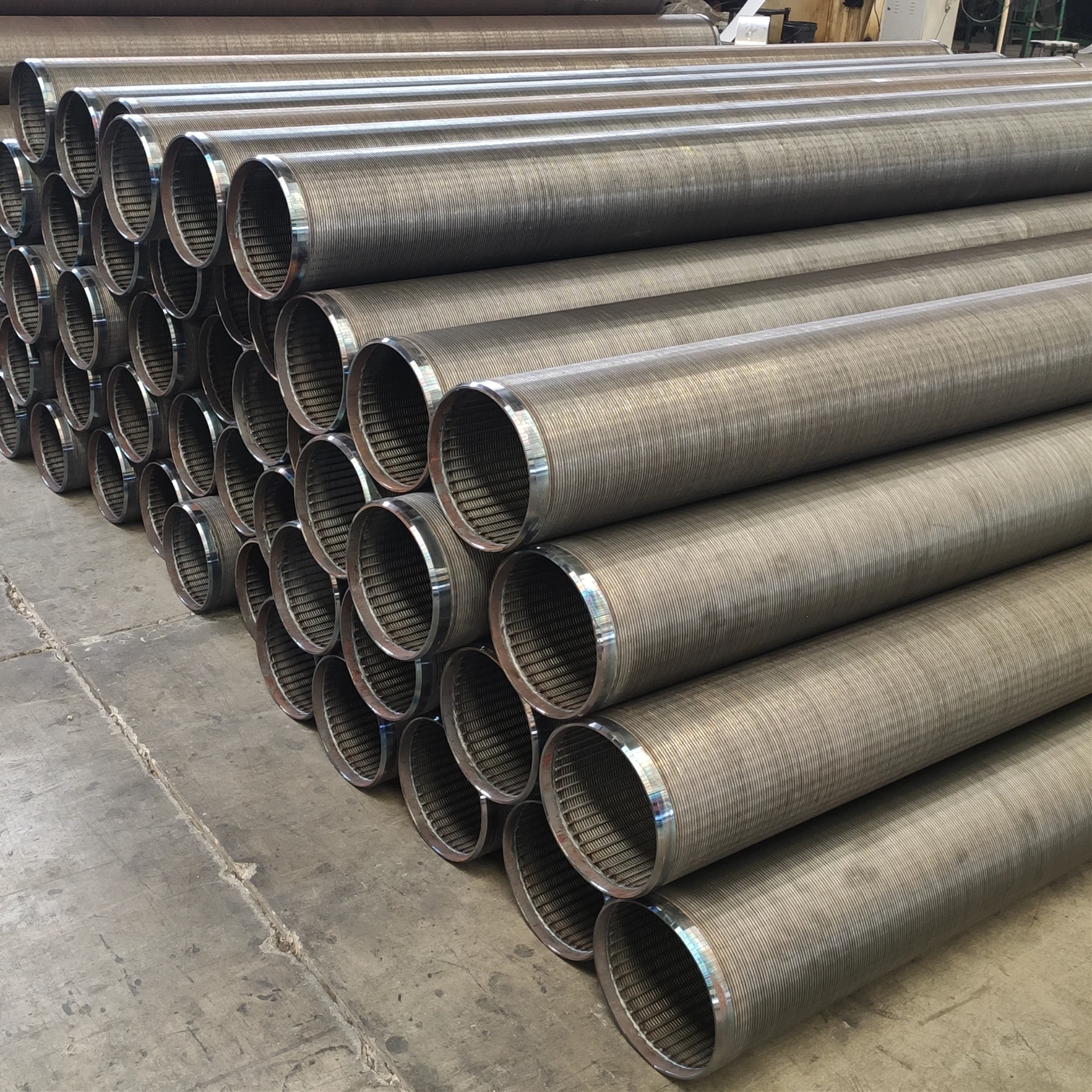
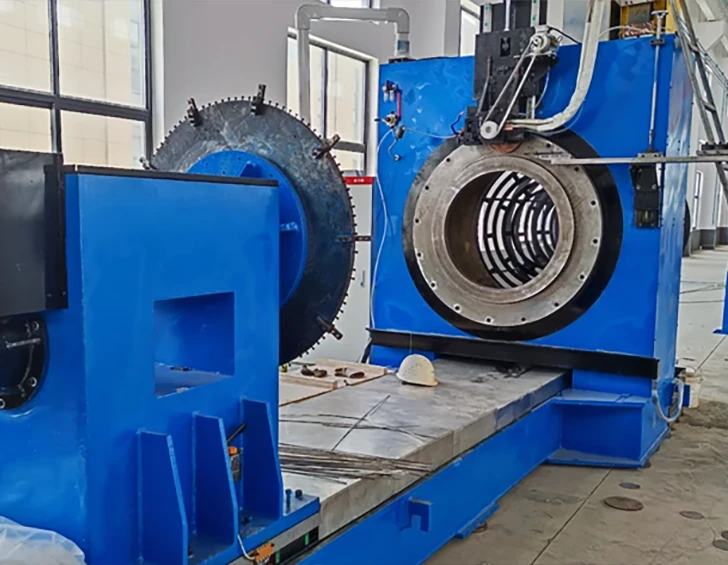
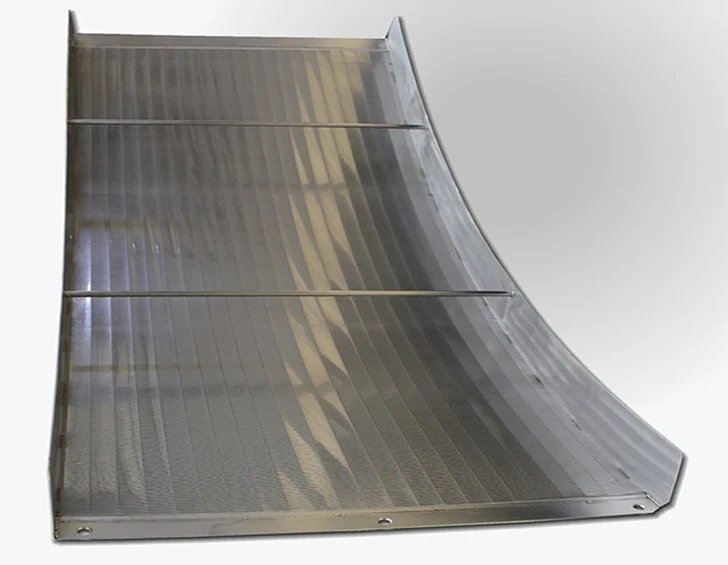
The efficiency of an industrial screen is measured by its ability to maintain a consistent open area while resisting the abrasive forces of the processed medium. In the context of wedge wire technology, the "V-shaped" profile is engineered to prevent bridging and clogging, ensuring a linear flow of fluids. This technical foundation is essential for applications such as mineral processing and coal grading, where the jigging screen plate must withstand high-strength impacts. To achieve this, manufacturers employ advanced drawing and bending techniques to ensure that each wire maintains a precise angle and thickness. Furthermore, the integration of high-strength steel frames through specialized welding processes ensures that the overall structure remains stable even under fluctuating pressure gradients. Understanding these fundamentals allows buyers to move beyond surface-level specifications and evaluate the actual engineering integrity of the filtration equipment.
Strategic Procurement of Wedge Wire Systems
Moving from general requirements to specific procurement involves a multi-dimensional analysis of the manufacturer's technical stack. A professional supplier should not only provide the hardware but also a comprehensive design and consultancy service to ensure the equipment matches the project's feasibility analysis.
Material Grade Selection
The choice of material directly dictates the screen's lifespan and resistance to corrosion. Stainless steel is the industry benchmark for chemical resistance, but special alloys are required for extreme environments. Choosing the wrong grade can lead to pitting or stress corrosion cracking.
| Material Type | Primary Property | Best Application | Critical Risk |
|---|---|---|---|
| Stainless Steel 304 | General Corrosion Resistance | Water Treatment | Chloride Pitting |
| Stainless Steel 316L | High Acid Resistance | Chemical Processing | Higher Initial Cost |
| Special Alloys | Extreme Wear Resistance | Hard Rock Mining | Fabrication Complexity |
| Synthetic Plastics | Non-Reactive / Lightweight | Food & Beverage | Lower Pressure Limit |
| High-Strength Steel | Mechanical Stability | Jigging Plates | Oxidation/Rust |
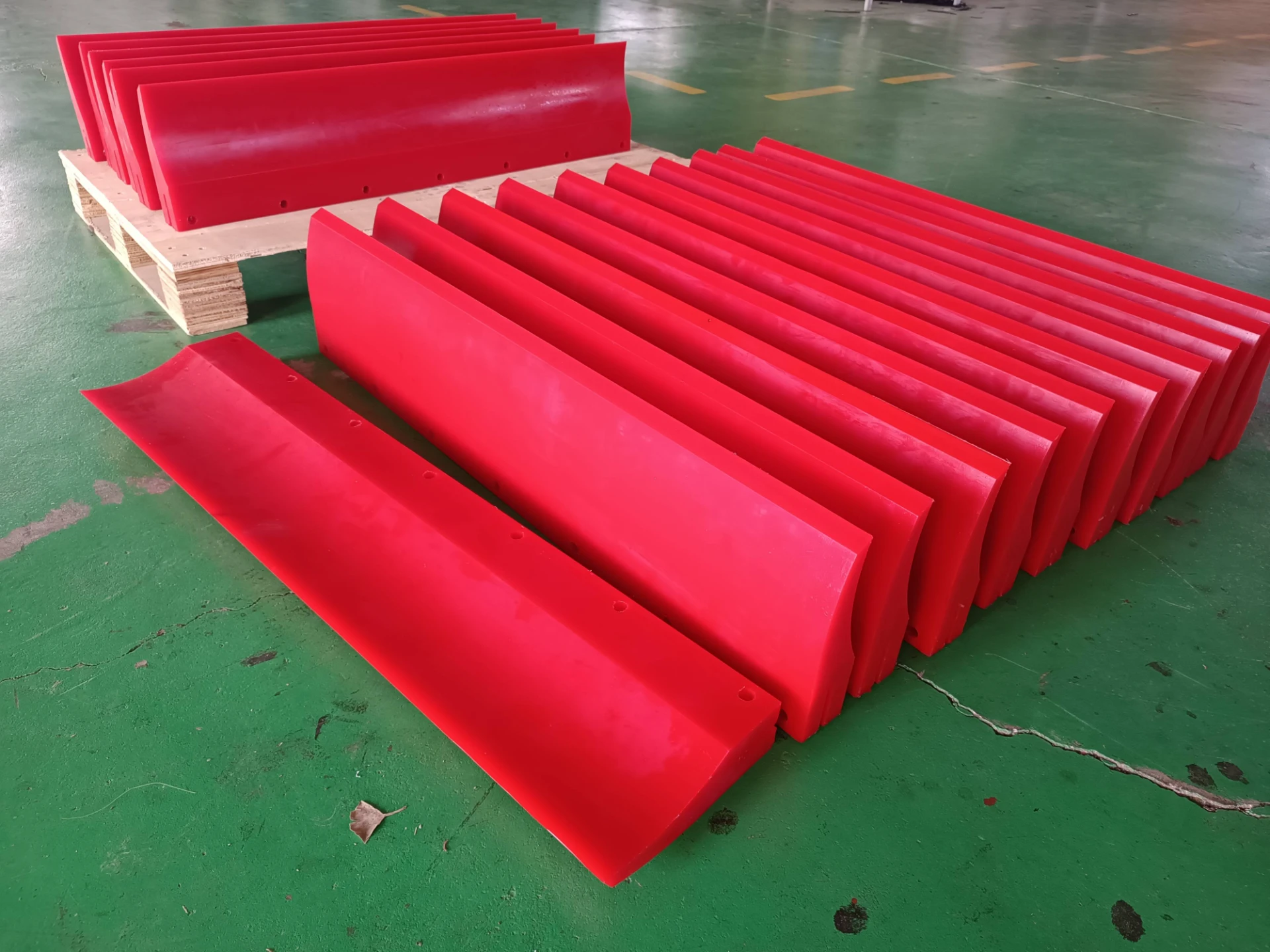
| Polyurethane | Impact Absorption | Mining Sifting | Thermal Degradation |
Precision Slot Geometry
The "slot" is the most critical dimension in wedge wire screens. Even a micron-level deviation can result in the passage of unwanted oversized particles or an increase in pressure drop. Buyers should verify if the supplier utilizes automated welding and precise cutting technologies to ensure consistency across the entire screen surface, avoiding "blind spots" that reduce effective filtration area.
Structural Stability Factors
A screen's longevity depends on its assembly and frame integrity. The use of high-strength steel for screen frames prevents deformation during installation and operation. It is essential to ensure that the welding process is clean and that all foreign bodies or impurities are removed during assembly to prevent localized corrosion points and ensure the overall screening effect.
Customization Capabilities
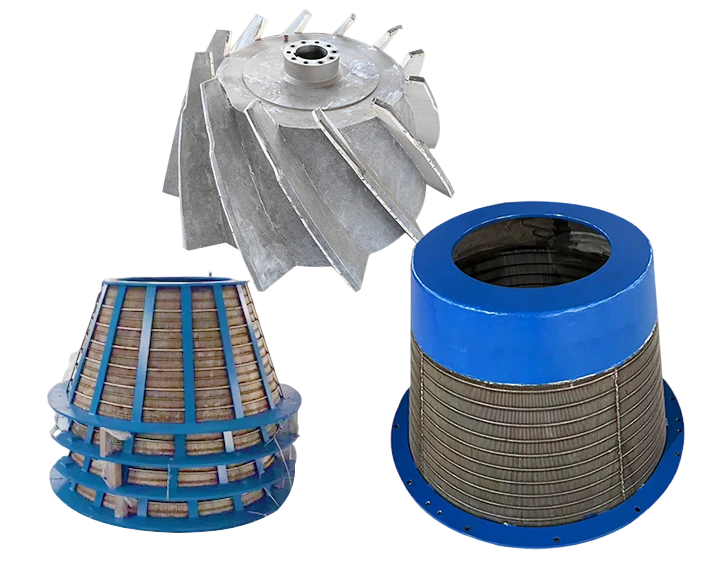
B2B procurement often requires non-standard dimensions or hybrid material configurations. A capable partner, such as MUTO, leverages multiple patents in screen technology to provide tailor-made solutions. Customization should encompass not just the size, but the specific wedge angle and support frame design to integrate seamlessly with existing drive devices.
Application-Specific Engineering
The requirements for a jigging screen plate in coal processing differ vastly from a filter in a chemical plant. In mineral processing, the focus is on wear resistance and the ability to handle abrasive solids. In liquid filtration, the priority shifts to the precision of the separation and the prevention of contamination. Engineering support during the model selection phase is vital to avoid over-specifying or under-performing.
Manufacturing Quality Control
Quality assurance must be an integrated process rather than a final check. This includes testing at every stage: from the initial drawing of the metal wire to the final assembly. A professional manufacturing workflow includes dedicated testing areas and strict loading protocols to ensure that the finished products arrive at the site without structural damage or contamination.
Lifecycle Maintenance Support
The commercial value of a screen is tied to its uptime. Evaluation of a supplier should include their after-sales framework, such as warranty periods (typically 3 to 12 months for screens) and the availability of on-site technical support. The ability to supply an adequate stock of spare parts and provide maintenance training can significantly reduce the total cost of ownership.
FAQ
What is the primary advantage of wedge wire screens over perforated plates?
The primary advantage is the V-shaped wire profile, which creates a tapered slot. This design ensures that particles can pass through without getting stuck, effectively eliminating the "bridging" effect common in perforated plates. This results in higher flow rates, less clogging, and easier cleaning, making them far more efficient for high-volume industrial filtration.
How should I choose the correct slot size for my application?
Slot size selection depends on the Particle Size Distribution (PSD) of the material being screened. Typically, the slot size is chosen based on the desired "cut point"—the particle size that must be retained. It is recommended to conduct a feasibility analysis of the raw material and consult with a technical expert to balance the throughput requirements with the necessary precision of separation.
What materials are best for screens in highly corrosive chemical environments?
For most corrosive environments, Stainless Steel 316L is the standard due to its molybdenum content. However, for extreme acids or high-chloride environments, duplex stainless steels or synthetic plastics may be required. The choice depends on the specific chemical composition and temperature of the fluid; a material compatibility chart should always be reviewed before procurement.
Can wedge wire screens be customized for high-pressure systems?
Yes, they can be customized by increasing the wire thickness, reducing the slot width, and reinforcing the support frame with high-strength welded steel. Specialized manufacturers use precision welding and structural analysis to ensure the screen does not deform or collapse under the specified operational pressure gradients.
What should I look for when evaluating a screen manufacturer's quality?
Look for evidence of a systematic quality control process. This includes posiadness of technical patents, certifications as a High-Tech Enterprise, and a detailed assembly process that removes impurities. A reliable manufacturer will provide specific warranty terms for both the screen (material-based) and any accompanying machinery (typically one year).
How is the lifespan of a jigging screen plate extended?
Lifespan is extended by selecting wear-resistant alloys and ensuring the drive device is properly aligned to prevent uneven stress on the screen frame. Regular inspections for erosion and the timely replacement of worn sections—supported by a steady supply of spare parts from the manufacturer—are essential to prevent catastrophic failure.
References and further reading
- Industrial Filtration Standards for Solid-Liquid Separation.
- Guide to Material Selection for Corrosive Environments in Mining.
- Principles of Wedge Wire Design and Hydraulic Flow Analysis.