

Maintaining a clean conveyor system is critical for preventing material carry-back, which can lead to significant operational downtime and premature belt wear. A belt scraper functions as a primary defense mechanism, removing residual particles from the belt surface before they fall onto the return trip. For industrial operators, identifying reliable conveyor belt scrapers manufacturers is the first step in ensuring systemic efficiency and reducing manual cleaning labor.
The challenge in heavy-duty mining or chemical processing lies in the diversity of materials—from sticky clays to abrasive minerals. A generic cleaning blade often fails under these extreme conditions, necessitating a solution that integrates precise engineering with high-performance materials. When the cleaning process is compromised, the resulting accumulation of debris can damage idlers and pollute the workspace, directly impacting the overall production throughput.
This guide provides a technical deep-dive into the selection, implementation, and maintenance of industrial scrapers. Readers will learn how to evaluate blade materials, the importance of tensioning systems, and how to align cleaning specifications with the broader filtration and screening infrastructure of a plant to achieve a seamless material flow.
Industrial Conveyor Cleaning Foundations
At its core, a conveyor scraper is a mechanical device designed to scrape away adhering materials from a conveyor belt. The effectiveness of this process depends on the "contact angle" and the "pressure" applied to the belt surface. In B2B industrial environments, these systems are categorized into primary, secondary, and tertiary cleaners. Primary cleaners are typically positioned at the head pulley to remove the bulk of the material, while secondary cleaners handle the fine residuals. The engineering goal is to maximize the cleaning percentage while minimizing the friction that causes belt cover wear. Modern systems utilize adjustable mounting brackets and spring-loaded tensioners to ensure that as the blade wears down, the contact pressure remains constant. This technical foundation is essential for preventing "carry-back," where material sticks to the return belt and falls unpredictably along the conveyor path, creating safety hazards and operational inefficiencies.
Technical Evaluation of Belt Cleaning Systems
Evaluating a cleaning system requires an analysis of the interaction between the blade edge, the belt material, and the physical properties of the transported substance. To optimize performance, engineers must consider the following seven dimensions of technical implementation.
Cleaning Mechanism Principles
The efficiency of a scraper is determined by its ability to penetrate the material layer without cutting into the belt carcass. This is achieved through a combination of the blade's hardness and the angle of attack. A sharp, precise edge is required for sticky materials, whereas a broader, more robust edge is suitable for coarse aggregates. The interaction must be balanced to avoid "plowing" the belt, which would lead to rapid degradation of the conveyor surface.
| Material Type | Blade Requirement | Pressure Level | Primary Risk |
|---|---|---|---|
| Abrasive Ore | Tungsten Carbide | Medium | Rapid Blade Wear |
| Sticky Clay | Polyurethane/Steel | High | Material Build-up |
| Fine Chemicals | Stainless Steel | Low | Belt Surface Scratching |
| Coal/Carbon | Rubberized Composite | Medium | Dust Generation |
| Food Grade | Polished Stainless | Low | Contamination |
| Mixed Waste | Reinforced Polyurethane | Medium | Irregular Wear |
Material Selection for Blades
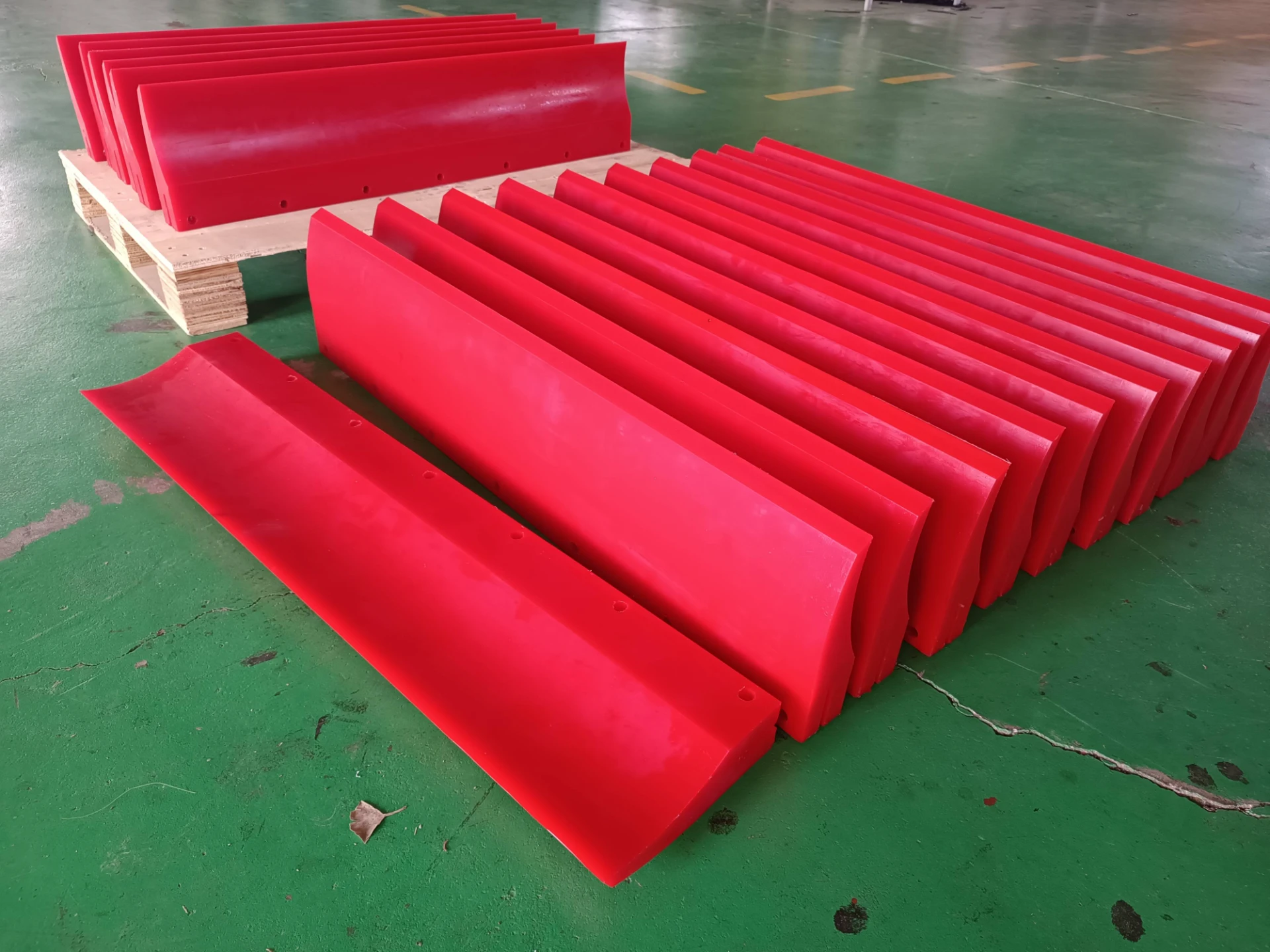
The choice of material is a trade-off between wear resistance and belt protection. Polyurethane is widely favored for its elasticity and ability to conform to belt irregularities, reducing the risk of belt damage. For extremely abrasive environments, tungsten carbide tips are integrated into steel holders to provide a hard-wearing edge. Stainless steel is utilized in corrosive environments or where hygiene is paramount. The material must be chemically compatible with the transported medium to prevent degradation over time.
Tensioning and Pressure Control
Constant pressure is the key to consistent cleaning. Fixed-position scrapers lose efficiency as the blade wears. Advanced systems employ automatic tensioners—usually spring-loaded or pneumatic—that push the blade forward as the material is lost. Over-tensioning can lead to excessive belt wear and increased energy consumption by the motor, while under-tensioning results in inadequate cleaning. Precision calibration of these tensioners is a critical maintenance task.
Impact of Belt Speed on Efficiency
Belt velocity affects the centrifugal force of the material and the friction generated at the scraper interface. At higher speeds, the material is more likely to be flung off, but the friction between the blade and the belt increases, accelerating wear. Engineers must calculate the optimal blade angle based on the belt speed to ensure that the material is effectively detached without creating excessive heat or friction that could melt polyurethane components.
Wear Resistance and Lifespan
The lifespan of a scraper is measured by the volume of material it can process before the cleaning percentage drops below an acceptable threshold. Factors influencing this include the particle size, the moisture content of the material, and the hardness of the belt cover. Monitoring the wear rate allows plants to implement predictive maintenance, replacing blades during scheduled shutdowns rather than reacting to cleaning failures that stop production.
Integration with Screening Equipment
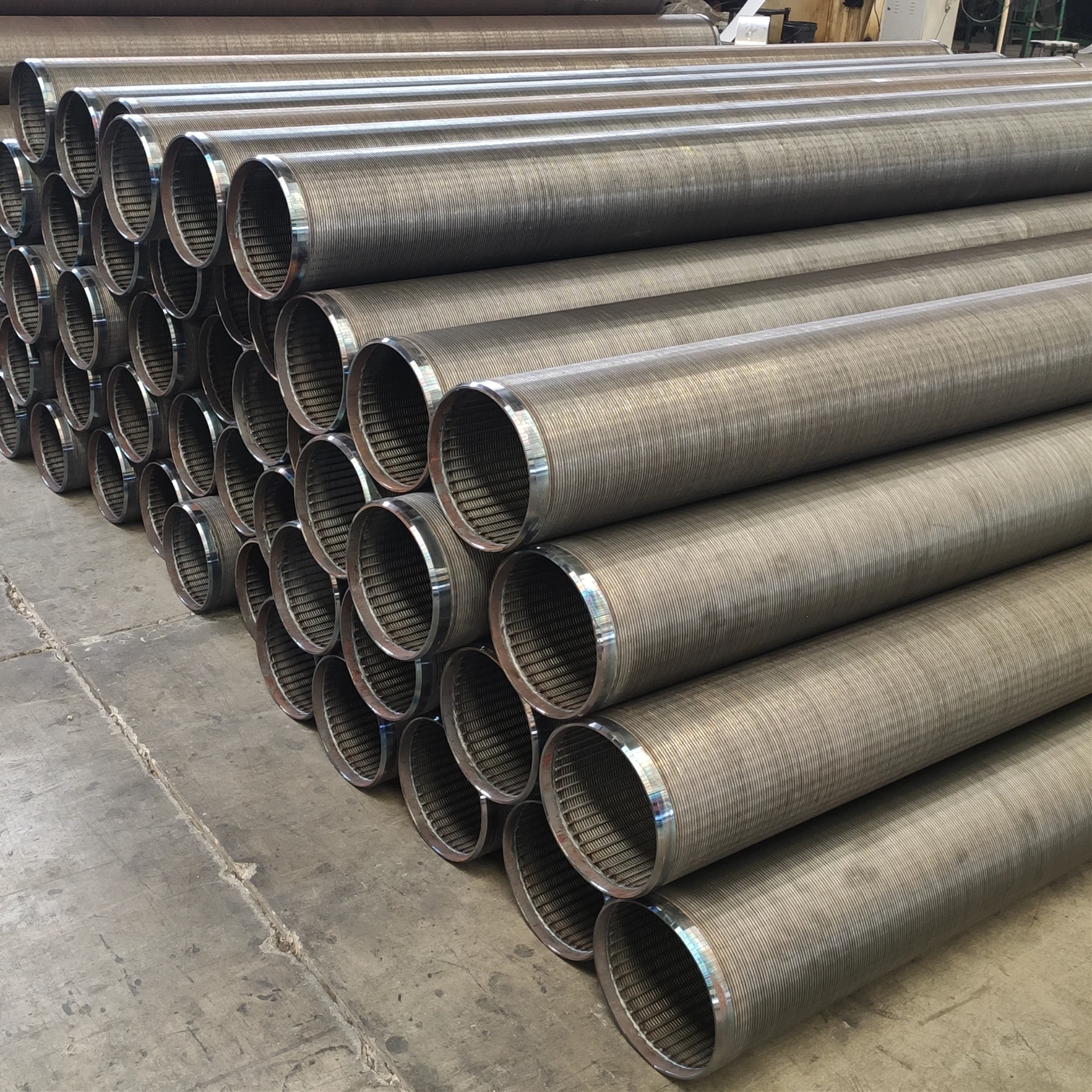
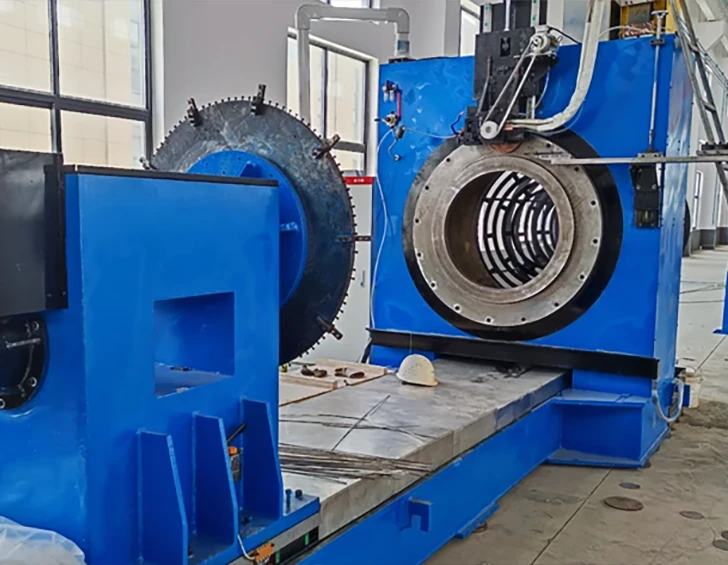
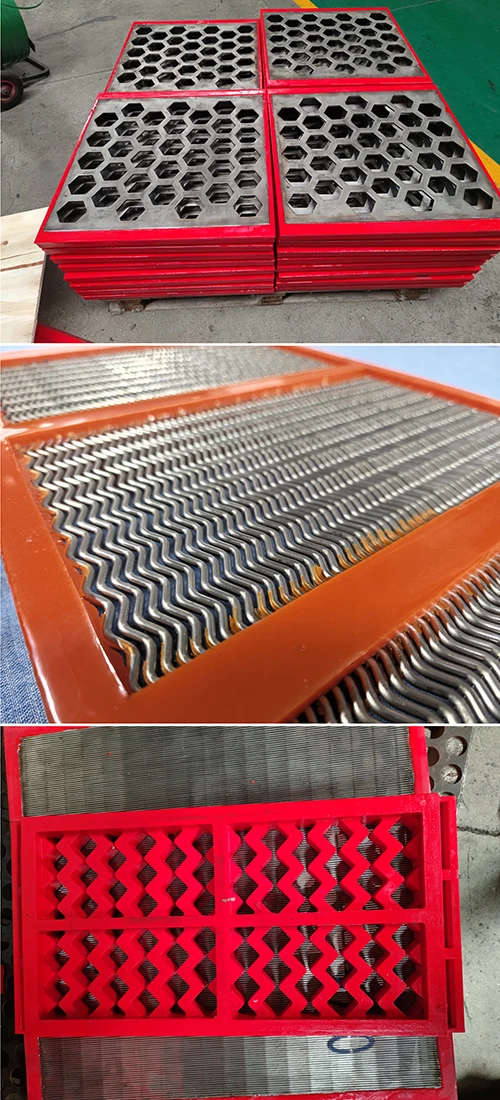
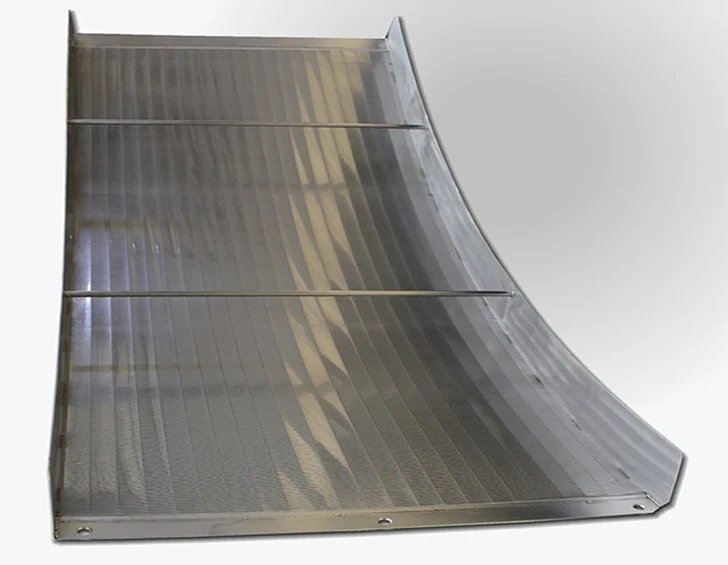
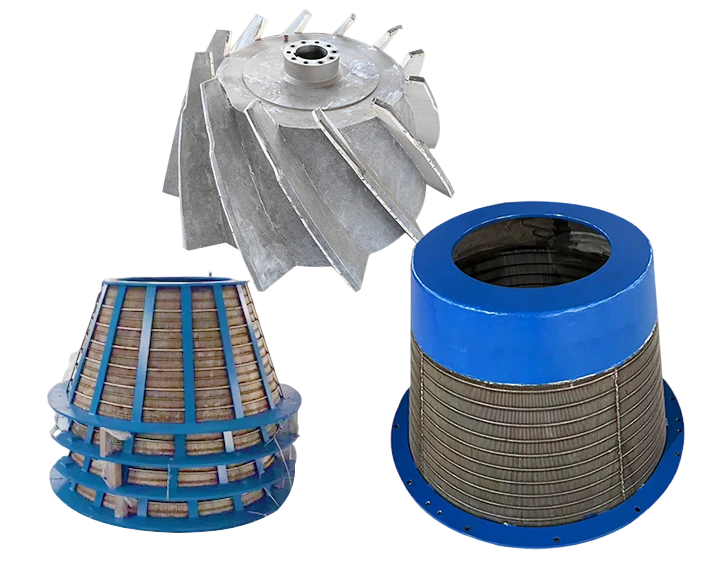
Belt cleaning is rarely a standalone process. In many plants, scrapers work in tandem with industrial screens and filters. For instance, MUTO's expertise in wedge wire screens and flexible rod screen plates complements belt cleaning by ensuring that the materials being transported are already graded. When the screening process is efficient, the load on the belt scrapers is more predictable, as oversized debris—which typically causes the most damage to scrapers—is removed earlier in the process.
Supplier Verification Criteria
When evaluating potential partners, procurement officers should look beyond the price per unit. A qualified supplier should provide technical consultancy, including feasibility analysis and process design. Verification should focus on the supplier's ability to customize blade materials to the specific chemical and physical properties of the ore or product. Additionally, the availability of spare parts and on-site technical support for commissioning and training is vital for minimizing long-term operational risks.
FAQ
What is the difference between a primary and secondary belt scraper?
A primary scraper is installed at the head pulley to remove the bulk of the material as the belt discharges. A secondary scraper is positioned further back to remove the remaining fine particles. While the primary focuses on volume, the secondary focuses on precision to prevent carry-back along the return path.
How often should conveyor scraper blades be replaced?
Replacement intervals vary based on material abrasiveness and belt speed. Typically, blades are inspected weekly. Replacement occurs when the cleaning efficiency drops or the blade thickness reaches a critical minimum. Using tungsten carbide tips can extend this interval compared to standard polyurethane.
Can a scraper damage the conveyor belt surface?
Yes, if the blade is too hard for the belt cover, improperly angled, or over-tensioned, it can cause premature wear or gouging. Selecting the correct material (e.g., polyurethane for softer belts) and using automatic tensioners helps mitigate this risk.
What materials are best for sticky conveyor loads?
For sticky materials, blades with a high-tension, sharp edge are required to "slice" through the adhesion. Specialized polyurethane blends or stainless steel blades with specific geometry are often recommended to prevent the scraper itself from becoming clogged.
How do I choose the right supplier for industrial scrapers?
Look for suppliers who provide a complete service: from project consultancy and material selection to installation and training. A supplier's ability to offer customized solutions based on your specific material properties is more valuable than a catalog of standard parts.
Does belt speed affect the choice of scraper blade?
Absolutely. High-speed belts increase friction and heat. In such cases, blades with better thermal stability and lower coefficients of friction are necessary to prevent the blade from melting or wearing out prematurely.
References and further reading
- Industrial Belt Cleaning Standards and Wear Analysis Guidelines.
- Technical Specifications for Polyurethane and Tungsten Carbide Industrial Components.
- Principles of Bulk Material Handling and Conveyor Maintenance.