


Wedge wire technology represents a sophisticated approach to industrial separation, utilizing V-shaped profiles to create precise openings that prevent clogging. Unlike traditional perforated plates or woven meshes, these screens are engineered for high-flow efficiency and extreme durability. This article explores the technical nuances of selecting the right filtration equipment and how wedge wire screen manufacturers integrate materials science with precision welding to meet stringent industrial demands.
In sectors such as mineral processing, wastewater treatment, and chemical filtration, the choice of a screening medium directly impacts the purity of the end product and the operational uptime of the plant. The primary challenge for engineers is balancing the open area—which dictates flow rate—with the structural strength required to withstand high hydraulic loads and abrasive materials. Understanding the interaction between the trapezoidal wire cross-section and the material being filtered is essential for preventing premature screen failure.
Readers will gain insights into the critical selection criteria for industrial sieves, including slot size precision, material grade selection, and the importance of customized geometric configurations. By analyzing the relationship between design specifications and application environments, procurement professionals can better evaluate supplier capabilities and ensure a longer lifecycle for their filtration assets, reducing the total cost of ownership in demanding industrial settings.
The Mechanics of Wedge Wire Filtration
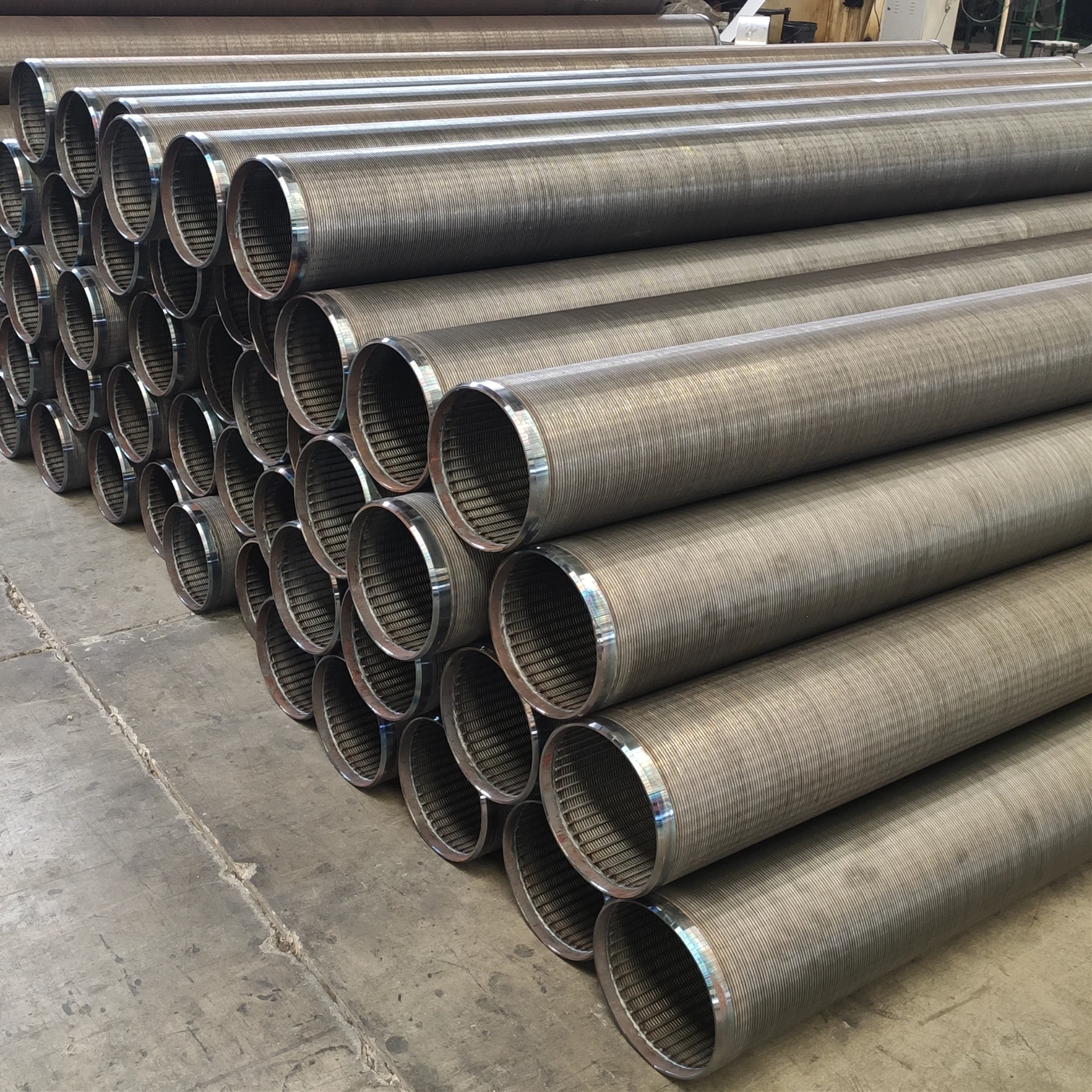
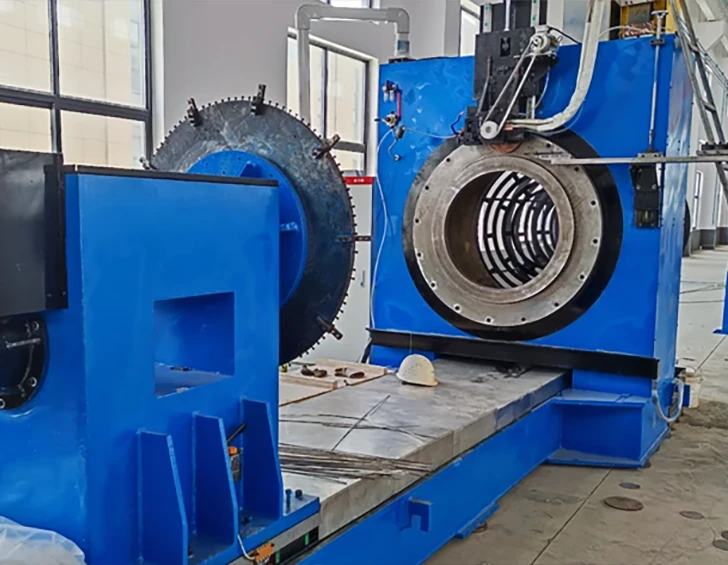
The fundamental principle of wedge wire screens lies in their trapezoidal cross-section. This geometry creates a "V" shaped gap that allows particles to pass through without getting wedged, a phenomenon often referred to as the self-cleaning effect. In a typical industrial setup, the liquid or slurry flows across the screen surface; particles smaller than the slot width pass through, while larger solids are diverted. This mechanical design significantly reduces the frequency of back-flushing and manual cleaning compared to conventional mesh filters. The efficiency of this process is governed by the slot width, the angle of the wedge, and the surface tension of the fluid. High-performance systems rely on precise welding techniques to ensure that every slot remains uniform across the entire surface area, preventing "leakage" of oversized particles. Furthermore, the integration of reinforced frames allows these screens to be implemented in high-pressure environments, such as sea water desalination or oil and chemical processing, where structural deformation would otherwise compromise the filtration accuracy.
Strategic Procurement and Technical Selection
Selecting a filtration system requires a deep dive into the intersection of material properties and operational stressors. The following analysis breaks down the seven critical dimensions that determine the performance and longevity of a wedge wire installation, moving from basic material science to complex supplier evaluation.
Material Compatibility and Corrosion Resistance
Material selection is the first line of defense against system degradation. Depending on the pH levels and the presence of corrosive agents, stainless steel remains the industry standard, though synthetic materials and plastics are utilized for specific low-pressure applications. The choice of alloy determines the screen's ability to resist pitting and oxidation in environments like soda liquid filtration or acid processing. Using a material that is too soft leads to abrasive wear, while an overly rigid material may be prone to stress corrosion cracking if not properly annealed.
| Material Type | Primary Property | Typical Application | Risk Factor |
|---|---|---|---|
| Stainless Steel 304 | General Corrosion Resistance | Food Processing | Chloride Pitting |
| Stainless Steel 316L | High Chemical Resistance | Chemical Acid Filtration | High Cost |
| Duplex Steel | Extreme Strength/Corrosion | Sea Water Desalination | Fabrication Complexity |
| Synthetic Polymers | Low Friction/Chemical Inertia | Light Industrial Waste | Low Temperature Limit |
| Specialty Alloys | Thermal Stability | Petroleum Refining | Supply Lead Time |
| Coated Metals | Surface Protection | Mineral Slurry | Coating Delamination |
Precision Slot Design and Gap Consistency
The slot size, typically ranging from 0.25mm to 1mm, must be strictly maintained across the screen's width. Inconsistent gaps lead to uneven flow distribution, which creates localized high-velocity zones that accelerate wear. Precision in drawing and cutting the wire is paramount. When specifying a screen, engineers must consider the "worst-case" particle size to ensure that the gap is narrow enough to provide the required separation but wide enough to maintain the desired throughput without excessive pressure drops.
Structural Integrity and Load Capacity
High load capacity is critical for screens used in mining and quarrying where coarse aggregates are processed. The structural strength depends on the welding quality and the frame design. A stable welding process prevents the wires from shifting under hydraulic pressure. For large-scale installations, the frame structure must be customized to avoid sagging or warping, which would distort the slot geometry and lead to premature failure of the filtration medium.
Customization of Geometric Profiles
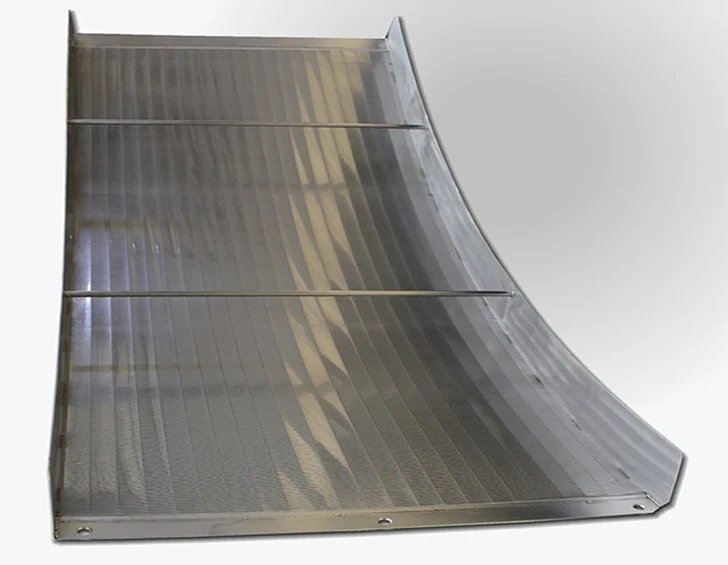
Not all filtration needs are linear. Sieve bend screens, curved screens, and inclined screens are designed to manage the flow of material using gravity and centrifugal force. For instance, a radius of 1018mm to 2036mm might be specified based on the required dwell time of the material on the screen surface. Customizing the angle—such as 45°, 60°, or 120°—allows operators to optimize the transition of solids, preventing material buildup and reducing the energy required for transport.
Operational Efficiency in Mining and Processing
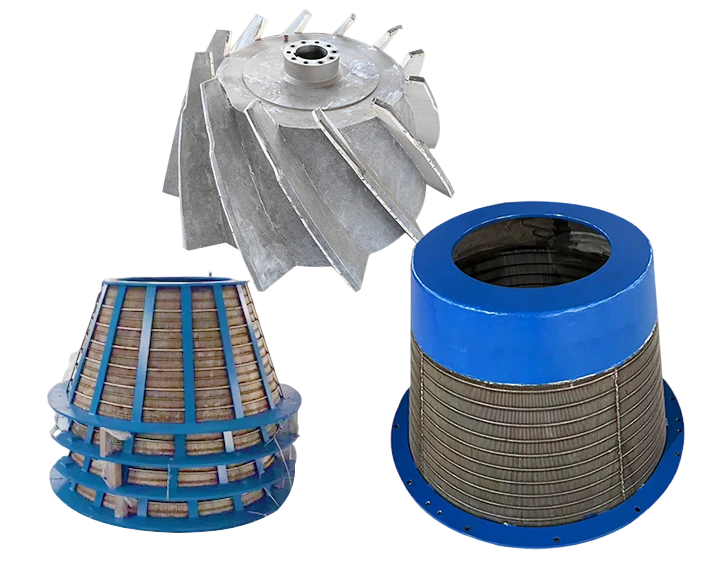
In mineral processing and pulp production, the efficiency of the screen is measured by its open area and permeability. A larger open area reduces the resistance to flow, allowing for higher processing volumes. The use of trapezoidal profiles ensures that the screen remains functional even when handling sticky or viscous materials, as the widening gap prevents particles from becoming permanently lodged in the screen surface, thus maintaining a consistent production rate.
Maintenance and Lifecycle Management
Lifecycle value is maximized through rigorous assembly and cleaning protocols. During the manufacturing process, removing impurities like cotton wool or metal shavings is critical to ensure the initial screening effect. Post-installation, maintenance focuses on monitoring wear patterns. Because wedge wire screens are high-strength components, they typically offer a longer lifespan than woven mesh, but they require periodic inspections for erosion, especially in high-velocity slurry applications.
Evaluating Supplier Technical Capabilities
When vetting a supplier, the focus should be on their integration of design and manufacturing. A capable provider should offer more than just the hardware; they should provide project consultancy, feasibility analysis, and process design. Technical patents in screen welding and the ability to conduct rigorous testing during production are indicators of quality. Furthermore, the availability of on-site service and spare parts supply is a key risk mitigation factor for B2B procurement in critical infrastructure projects.
FAQ
What is the primary advantage of wedge wire screens over perforated plates?
The primary advantage is the V-shaped slot profile, which prevents particles from clogging the opening. While perforated plates have straight-through holes that can easily be blocked by particles exactly the size of the hole, wedge wire screens allow particles to pass through more freely, resulting in higher flow rates and a significant reduction in the need for manual cleaning or frequent back-washing.
How do I determine the correct slot size for my application?
Slot size selection depends on the maximum particle size you intend to retain. You should analyze the particle size distribution of your material and select a slot width slightly smaller than the minimum size of the particles you wish to separate. It is also important to consider if the particles are deformable; softer materials may require a tighter slot to prevent them from squeezing through the gap.
Can wedge wire screens be customized for non-linear shapes?
Yes, these screens are highly customizable. They can be manufactured into curved, inclined, or bent shapes to fit specific equipment needs, such as sieve bends or hydraulic grids. Specifications such as the arc length, radius, and angle (e.g., 45° or 60°) can be adjusted to optimize the material flow and fit the physical dimensions of the industrial installation.
Which materials are best for highly corrosive chemical environments?
For highly corrosive environments, such as acid or soda liquid filtration, Stainless Steel 316L or Duplex steels are recommended due to their higher molybdenum content and superior resistance to pitting and crevice corrosion. In cases of extreme chemical aggression where metals are unsuitable, specialized synthetic polymers or plastics may be employed, provided the operating temperature remains within their stable range.
What should I check when evaluating a screen manufacturer's quality?
Check for three main things: first, their welding precision—ensure they have a method to maintain slot consistency across the entire panel. Second, verify their testing protocols; every screen should undergo a size and impurity check before shipping. Third, evaluate their engineering support; a quality manufacturer will provide feasibility analysis and equipment model selection rather than just selling a standard part.
How long do wedge wire screens typically last?
Lifespan varies greatly based on the material and the abrasiveness of the filtered medium. However, due to their high strength and structural stability, they generally outlast woven mesh. To extend their life, it is critical to ensure proper installation to avoid mechanical stress and to implement a regular cleaning schedule to prevent localized corrosion under deposits.
References and further reading
- Industrial Filtration Standards: Guidelines for Wedge Wire Design and Material Selection.
- Mineral Processing Technology: Fluid Dynamics in Sieve Bend Applications.
- Corrosion Resistance Manual for Stainless Steel in Chemical Processing.