


Wedge wire technology represents a critical advancement in industrial liquid-solid separation, utilizing V-shaped profiles to prevent clogging and ensure high flow rates. For engineers and procurement managers, selecting a wedge wire screens supplier involves balancing precise slot specifications with material durability to match specific operational pressures and fluid chemistry. This article explores the technical criteria for choosing high-performance screening solutions.
In heavy-duty environments—ranging from sugar processing to livestock waste treatment—the efficacy of a filtration system depends on the mechanical precision of the wire welding and the chemical compatibility of the alloys used. When the wrong material or slot size is selected, systems face premature failure through corrosion or blinding, leading to costly downtime. Understanding the relationship between the support profile and the wedge wire is essential for system stability.
Readers will gain insights into the selection of stainless and duplex steels, the importance of precise slotting from 5μm to 5mm, and the operational considerations for rotary drum configurations. By examining these technical dimensions, buyers can better evaluate supplier capabilities and ensure that the chosen equipment meets the rigorous demands of their specific industrial application.
Industrial Wedge Wire Technology Fundamentals
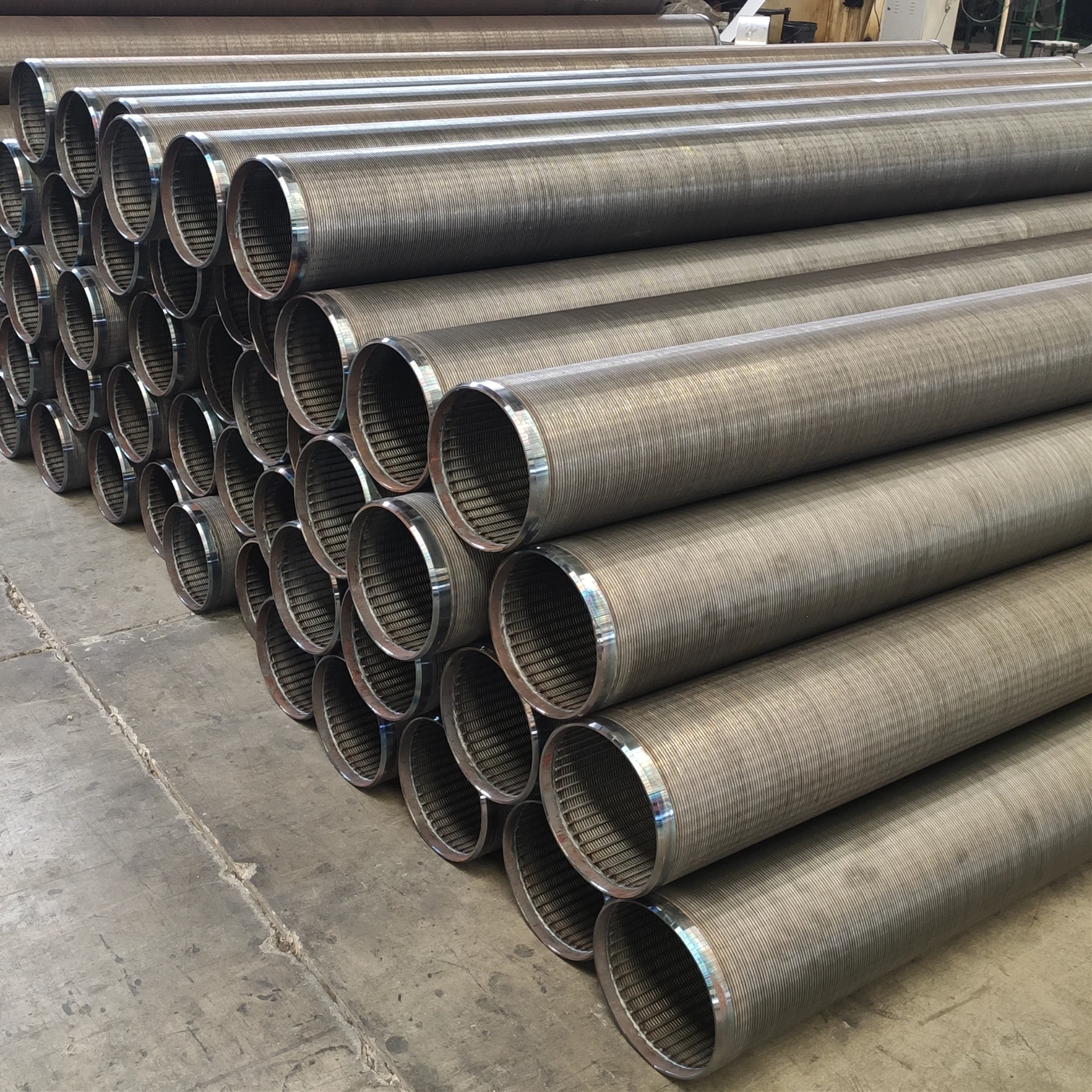
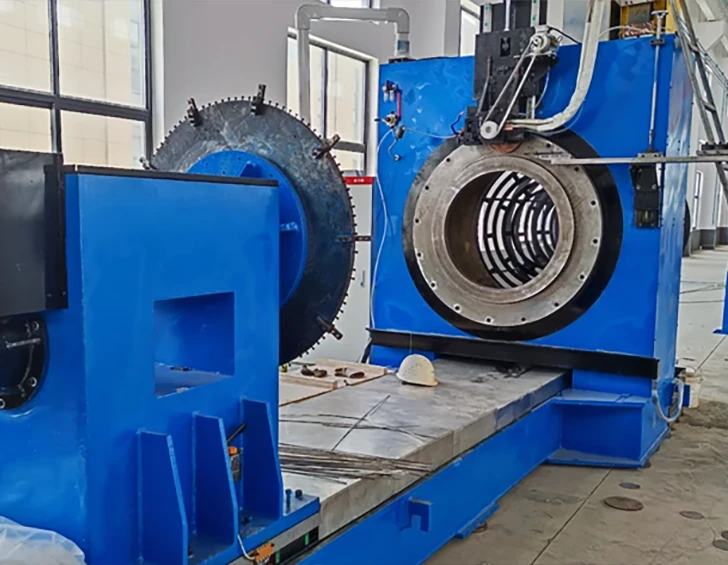
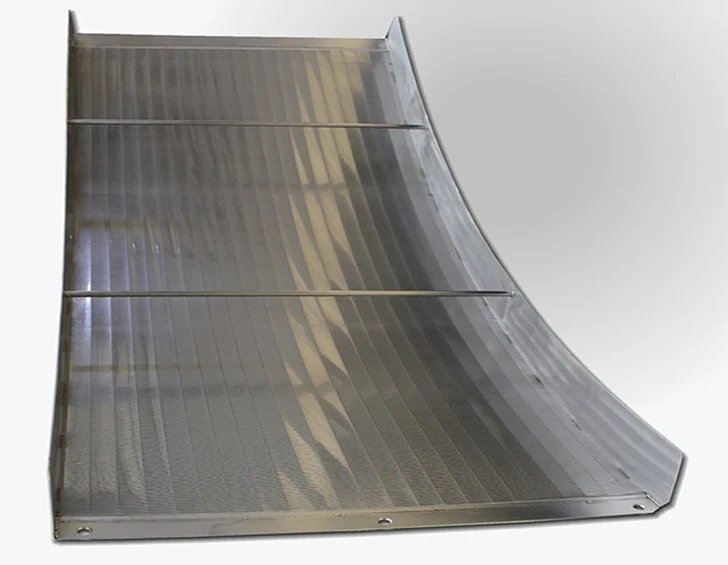
The core principle of wedge wire screening is the "V-shaped" opening. Unlike perforated plates or woven meshes, the gap narrows toward the interior of the screen, which allows particles to pass through until they reach their size limit, at which point they are effectively blocked without wedging permanently in the slot. This design significantly reduces the frequency of cleaning and prevents the "blinding" effect common in traditional filters. The manufacturing process involves high-precision drawing of the wire followed by specialized welding to support profiles, ensuring that the slot width remains consistent across the entire surface area. In modern B2B applications, this technology is indispensable for intake screens, well screens, and rotary drum separators where high volumes of liquid must be processed with minimal resistance.
Strategic Procurement and Technical Evaluation
Procuring wedge wire systems requires a transition from simple commodity buying to technical specification analysis. Because these components often operate in corrosive or abrasive environments, the interaction between the material, the slot geometry, and the structural support determines the total cost of ownership.
Material Selection and Chemical Resistance
The choice of metal determines the lifespan of the screen. While 304 stainless steel is suitable for general applications, 316L is preferred for chloride-rich environments. For extreme corrosive settings, Duplex steel (2205/2507) or Hastelloy is required to prevent pitting and stress corrosion cracking. The selection must be based on the pH level and temperature of the processed fluid.
| Material Grade | Key Property | Primary Risk | Best Application |
|---|---|---|---|
| SS 304 | Standard Corrosion Resistance | Pitting in Saline Water | General Water Treatment |
| SS 316L | Enhanced Acid Resistance | Higher Material Cost | Chemical Processing |
| Duplex 2205 | High Mechanical Strength | Complex Welding Needs | Marine/Offshore Environments |
| Hastelloy | Extreme Chemical Inertness | Very High Procurement Cost | Strong Acidic Effluents |
| SS 321 | High Temperature Stability | Less Chemical Resistance | Heat Exchanger Filtration |
| Duplex 2507 | Super-Corrosion Resistance | Material Hardness/Machining | High-Chloride Industrial Waste |
Slot Precision and Filtration Efficiency
The slot size—ranging from 5μm to 5mm—defines the separation threshold. Precision is paramount; even a slight deviation in slot width can allow oversized contaminants to pass or cause excessive pressure drops. Buyers should verify the supplier's testing protocols for slot consistency across the entire drum length to ensure uniform filtration efficiency.
Structural Integrity and Support Profiles
Support profiles (triangular, square, or round rods) provide the necessary rigidity to prevent screen deformation under pressure. The ratio between the profile thickness and the drum diameter affects both the open area (flow rate) and the mechanical strength. A well-engineered support system prevents the "bowing" of wires during high-pressure backwashing.
Customization of Drum Geometry
Depending on the flow volume, cylinder diameters may range from 100mm to 2,500mm, with lengths up to 6,000mm. The inclusion of welded flanges or welding rings at the drum ends is critical for seamless integration into existing rotary screening machinery, reducing installation time and potential leakage points.
Application-Specific Performance Factors
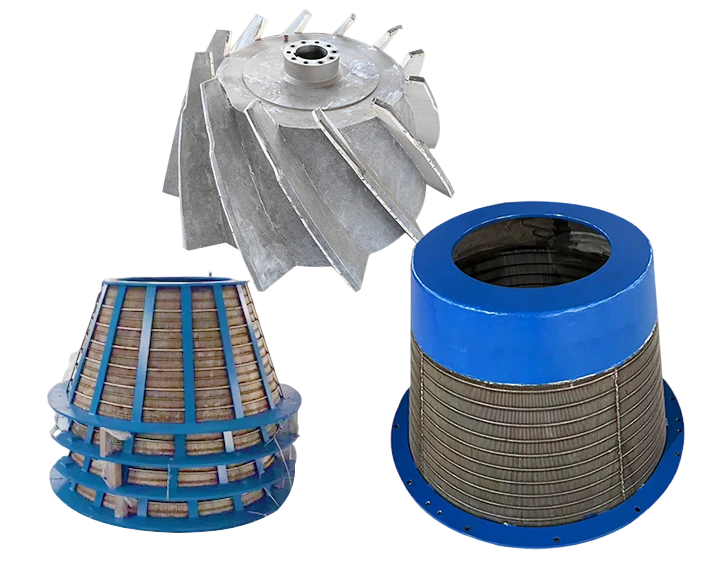
Different industries demand different screen characteristics. In the sugar industry, screens must handle high-viscosity fluids, whereas in livestock manure dewatering, the focus is on abrasion resistance and ease of cleaning. Customizing the wedge angle can optimize the throughput for these specific material properties.
Quality Assurance in Assembly
The assembly phase is where the most common failures originate. Precise control over component sizing and the thorough removal of foreign bodies (like cotton wool or screws) during welding are essential. Any impurity trapped during assembly can create a point of failure or cause localized turbulence that degrades the screening effect.
Lifecycle Maintenance and Support
A professional partnership extends beyond delivery. Buyers should evaluate the availability of spare parts and the quality of technical guidance for installation and commissioning. Warranties typically vary by material, but a comprehensive support system including on-site diagnosis is vital for complex industrial installations.
FAQ
What is the primary advantage of wedge wire over perforated screens?
The primary advantage is the V-shaped slot design, which allows particles to pass through until they reach the slot's narrowest point. This prevents the particles from becoming wedged or "blinding" the screen, resulting in higher flow rates and significantly lower maintenance requirements compared to the straight-through holes of perforated plates.
How do I choose the correct slot size for my application?
Slot size selection depends on the particle size distribution of the material you intend to remove. You should generally select a slot size slightly smaller than the minimum particle size you wish to retain. It is recommended to perform a sieve analysis on your process fluid to determine the exact cutoff point required for your filtration goals.
Which material is best for highly acidic industrial wastewater?
For highly acidic environments, Hastelloy or high-grade Duplex steels (such as 2507) are the best choices due to their superior resistance to pitting and stress corrosion. Standard 304 or 316L stainless steels may degrade rapidly in strong acid concentrations, leading to structural failure of the wedge wires.
Can wedge wire screens be customized for existing rotary drum machines?
Yes, customization is a standard part of the procurement process. Specifications such as cylinder diameter, total length, and the type of end-connection (welded flanges or rings) can be tailored to fit existing machinery perfectly, ensuring a secure fit and preventing leaks during operation.
What are the common signs that a screen needs replacement?
Common signs include a significant increase in pressure drop across the filter, a decrease in the quality of the filtrate (oversized particles passing through), or visible physical deformation of the drum. Corrosion-induced pitting can also be detected during routine inspections, indicating that the material is no longer compatible with the fluid chemistry.
What should I look for when evaluating a manufacturer's quality?
Check for their capability in precise slot control and their welding technology. A quality manufacturer will have dedicated testing for each screen product and a strict assembly process that ensures the removal of all impurities. Additionally, look for a supplier that provides comprehensive technical support and a clear warranty based on the material used.
References and further reading
- Industrial Filtration Standards for Stainless Steel Wedge Wire Systems
- Materials Science Handbook: Corrosion Resistance of Duplex Steels in Industrial Wastewater
- Fluid Dynamics of V-Profile Screening in Liquid-Solid Separation Processes