
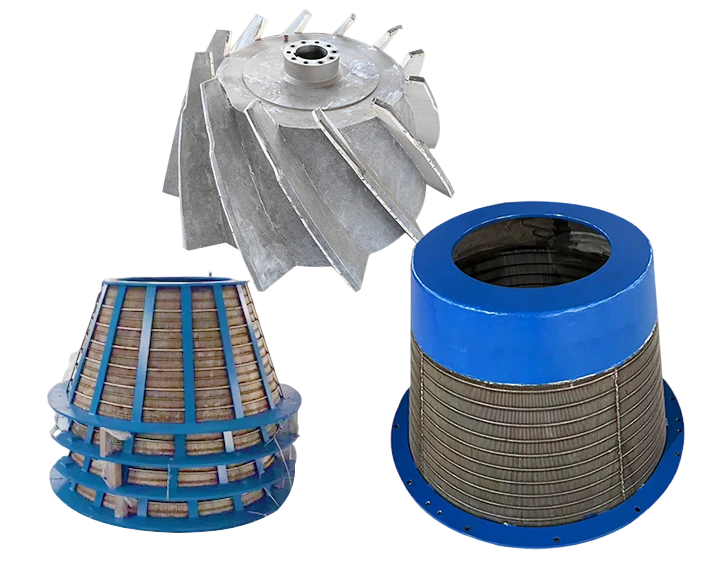

Industrial filtration relies on the precise separation of solids from liquids or gases, a process where wedge wire technology has become a benchmark for high-performance screening. By utilizing V-shaped wires, these systems prevent clogging and ensure consistent throughput in the most demanding environments. This article examines the technical architecture of industrial screens and how specialized manufacturing in China supports global mining and processing infrastructure.
For engineers and procurement managers, selecting a wirescreen china solution involves balancing mechanical strength with aperture precision. In sectors like mineral processing and chemical filtration, the wrong material or slot size can lead to catastrophic system failure or inefficient recovery rates. Understanding the interplay between wire geometry and fluid dynamics is essential for optimizing plant performance.
Readers will explore the critical selection criteria for wedge wire screens, including material grades such as Stainless Steel 316L, the role of polyurethane edging in durability, and the technical requirements for dewatering and desliming applications. We will provide a framework for evaluating supplier capabilities to ensure the chosen equipment meets specific industrial tolerances and operational lifecycles.
Industrial Filtration Fundamentals
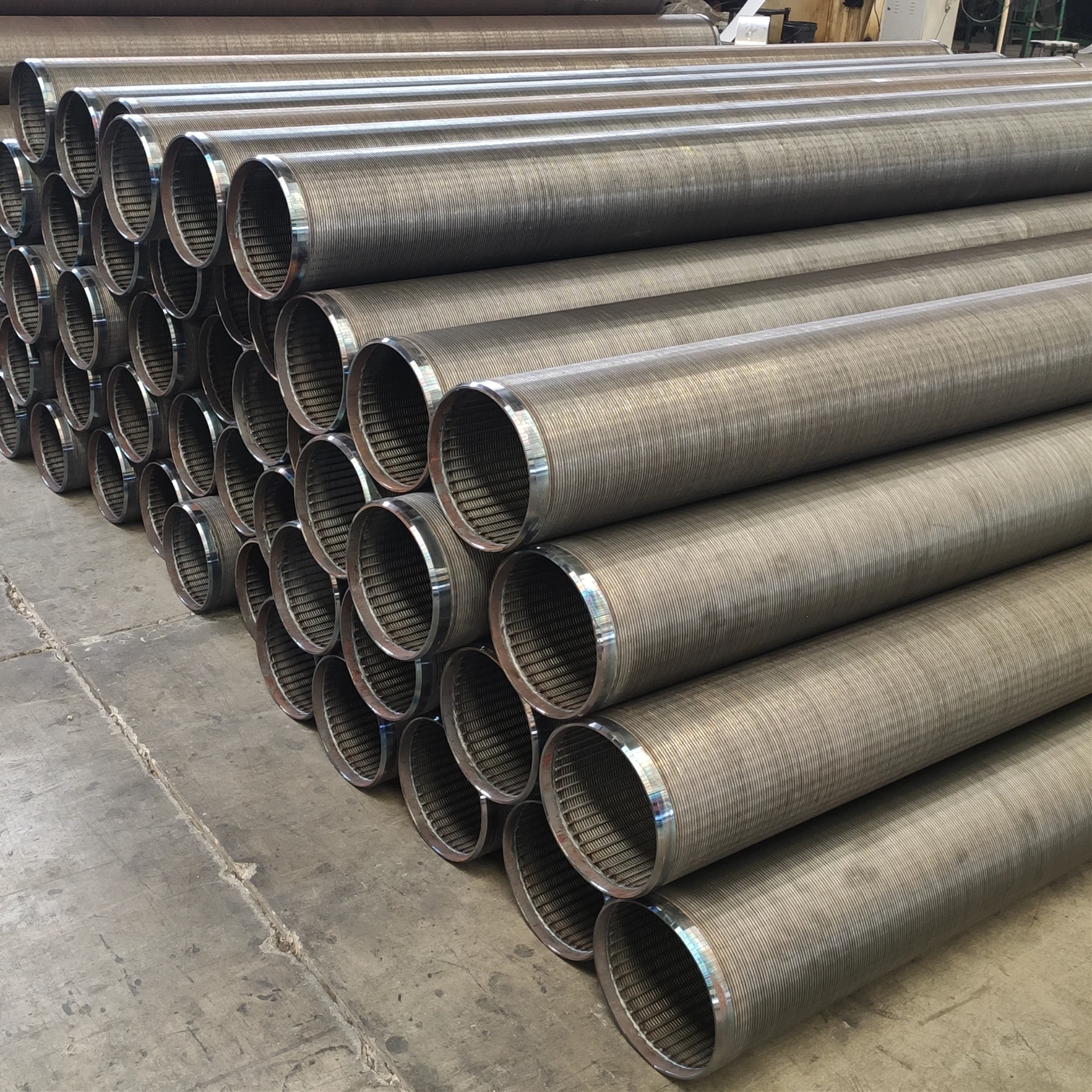
The core principle of wedge wire screening is the creation of a "non-clogging" aperture. Unlike perforated plates or woven meshes, the V-shaped profile of the wire ensures that particles larger than the slot width are stopped, while those smaller pass through without becoming wedged. This geometry creates a progressive opening that minimizes the risk of blinding, which is critical in heavy-duty mining operations where slurry viscosity and particle variability are high. From a technical standpoint, the efficiency of these screens is determined by the open area ratio and the accuracy of the slot width. Modern manufacturing utilizes precision drawing and welding to maintain these tolerances across large surface areas. For B2B procurement, the value lies not just in the hardware but in the engineering design—ensuring the screen can handle the specific volumetric flow and pressure drops of the targeted process.
Engineering Wedge Wire Screen Solutions
Designing a filtration system requires a deep dive into the physical properties of the medium and the environmental stressors of the site. The following analysis breaks down the seven critical dimensions of high-performance wedge wire engineering.
Material Selection and Corrosion Resistance
The chemical composition of the screen material directly impacts its operational lifespan. Stainless steel remains the standard due to its balance of strength and oxidation resistance, though specific grades are required based on the fluid chemistry. In highly acidic mining environments, 316L is preferred over 304 to prevent pitting corrosion.
| Material Grade | Primary Property | Typical Application | Corrosion Risk |
|---|---|---|---|
| SS 304 | General Corrosion Resistance | Water Treatment | Moderate |
| SS 316 | Enhanced Chloride Resistance | Chemical Processing | Low |
| SS 316L | Low Carbon / Weldable | Acidic Slurry | Very Low |
| Polyurethane | High Abrasion Resistance | Mining Tailings | N/A (Chemical) |
| Duplex Steel | Extreme Strength/Corrosion | Offshore Oil & Gas | Minimal |
| Special Alloys | Temperature Stability | High-Heat Filtration | Specific |
Slot Precision and Flow Dynamics
Slot size (opening) is the most critical specification in filtration. For precise separation of fine particles, slots as small as 0.05mm are utilized. The precision of these gaps determines the "cut point" of the separation process. Inconsistent slot widths can lead to "leakage" of oversized particles, contaminating the filtrate and reducing the overall efficiency of the recovery circuit.
Structural Integrity and Support Systems
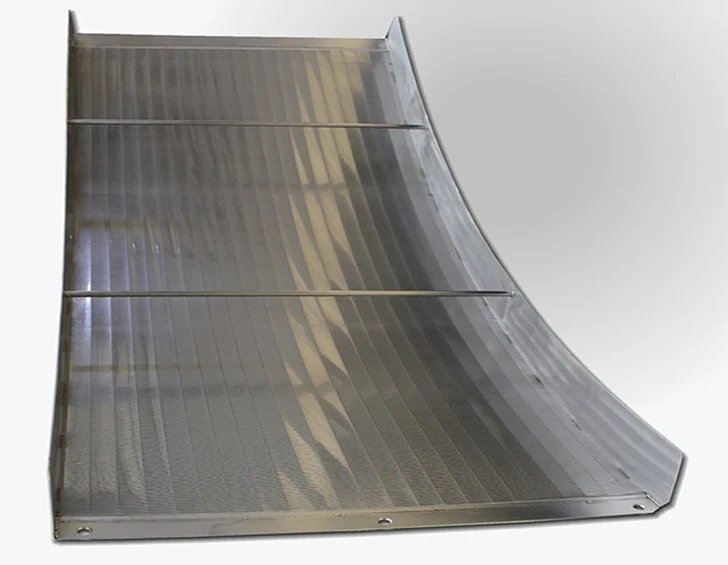
To prevent bowing or deformation under high pressure, wedge wires are supported by robust support rods. The pitch of these bars (typically 1.5-3cm) must be calculated based on the expected load. Additional welded supports are often integrated into the frame to enhance durability in heavy-media recovery processes, ensuring the screen maintains its geometry over years of use.
Mining Application Scenarios
Wedge wire screens are indispensable in gold, coal, and mineral sand mining. They are primarily used for dewatering slurry and desliming. By removing the fine "slime" particles from the ore, mining companies can increase the efficiency of subsequent chemical leaching or gravity separation stages, significantly improving the total metal recovery rate.
Manufacturing Process Control
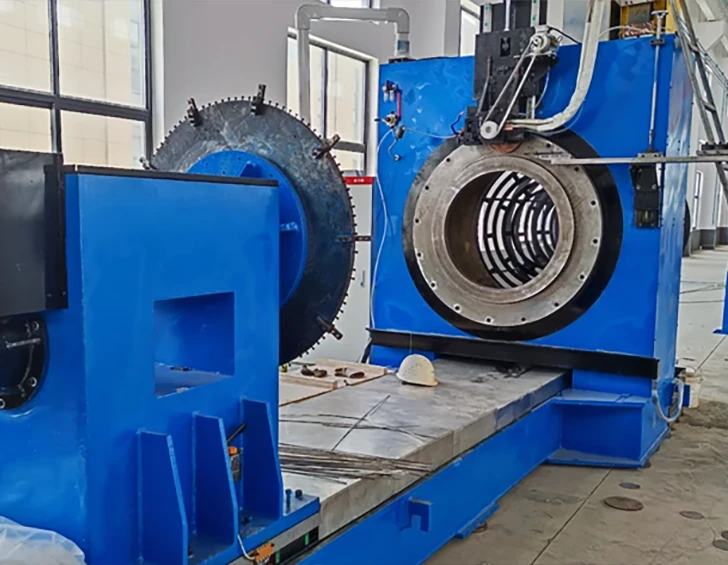
Quality is ensured through a rigorous sequence: wire drawing, precise cutting, and automated welding. A critical step is the final assembly and cleaning; any foreign bodies or impurities left on the screen can cause localized turbulence and premature wear. High-tech manufacturers now integrate specialized testing phases to verify slot accuracy before the screens are dispatched.
Customization and Specification Analysis
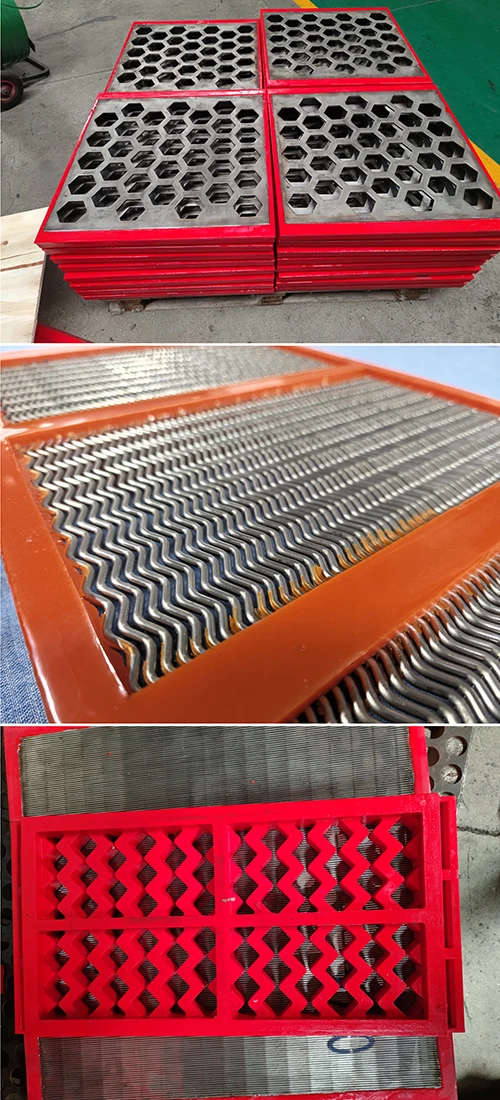
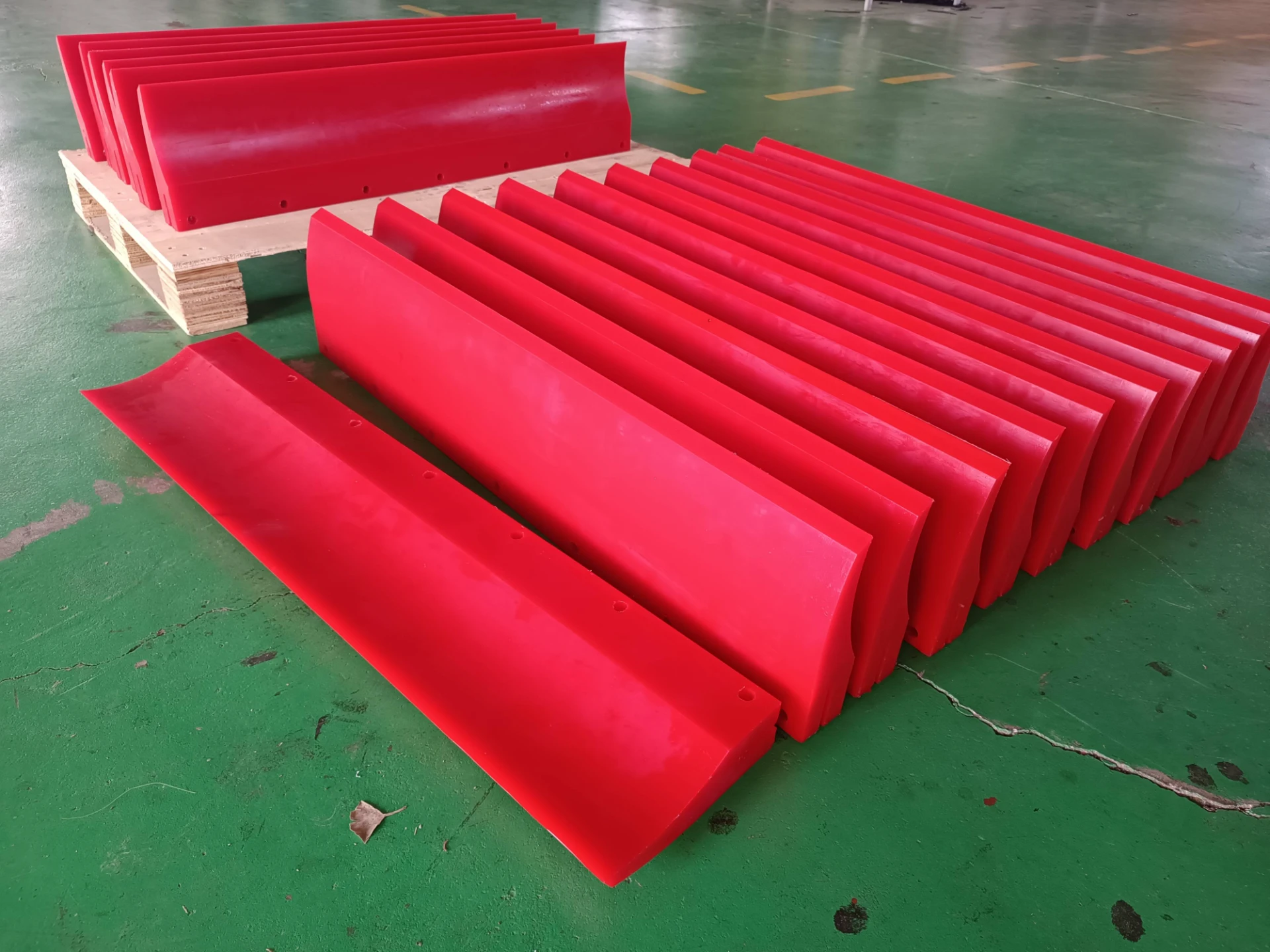
Standard sizes rarely fit complex industrial needs. Customization includes adjusting the wedge wire dimensions (e.g., 12mm or 34.6mm) and selecting the edge material. While stainless steel edges offer maximum rigidity, Polyurethane (PU) edges provide superior vibration damping and wear resistance in abrasive mining environments.
Operational Maintenance and Lifecycle
The lifecycle of a screen is extended through professional installation and routine inspection. Checking for "blinded" slots and ensuring the support frames are not fatigued prevents unplanned downtime. For major installations, on-site technical support and the availability of spare parts are critical for maintaining continuous production cycles in 24/7 operations.
FAQ
What is the main advantage of wedge wire over perforated screens?
The primary advantage is the V-shaped wire profile, which creates a progressive opening. This design prevents particles from becoming stuck (blinding), resulting in higher flow rates and less frequent cleaning compared to the straight-through holes of perforated screens.
How do I choose between Stainless Steel 304 and 316L for my screens?
Use SS 304 for general purpose applications with low corrosivity. Choose SS 316L for environments involving chlorides, acids, or where high-quality welding is required, as the low carbon content prevents carbide precipitation during the welding process, maintaining corrosion resistance.
What are the typical slot sizes available for industrial mining screens?
Industrial wedge wire screens typically offer slot sizes ranging from 0.05mm to 5mm. The exact size is customized based on the particle size distribution of the material being filtered to ensure an efficient cut-point for separation.
Why is polyurethane used for the edges of the screen?
Polyurethane (PU) is used for edges because it is highly resistant to abrasion and impacts. In mining, where screens are subject to constant vibration and contact with abrasive ores, PU edges protect the screen frame and reduce noise and wear.
Can these screens be customized for high-pressure applications?
Yes, structural integrity for high-pressure use is achieved by decreasing the pitch of the support bars and adding additional welded reinforcements to the frame. The material grade and wire thickness are also adjusted to withstand the specific mechanical load.
What technical support should I expect from a professional screen supplier?
A professional supplier should provide project consultancy, feasibility analysis for slot selection, process design, and post-installation support, including commissioning, training, and a guaranteed supply of spare parts to minimize operational downtime.
References and further reading
- Industrial Filtration Standards for Mineral Processing - Technical Guide
- Comparative Analysis of V-Wire vs. Perforated Plate Efficiency in Slurry Dewatering
- Material Science Handbook: Stainless Steel Grades for Corrosive Environments