
Industrial Wedge Wire Centrifuge and Coanda Screen Price Guide
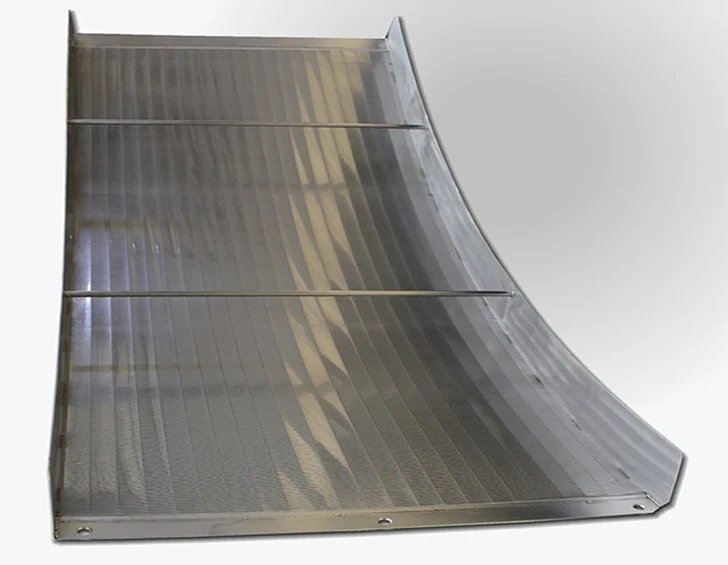
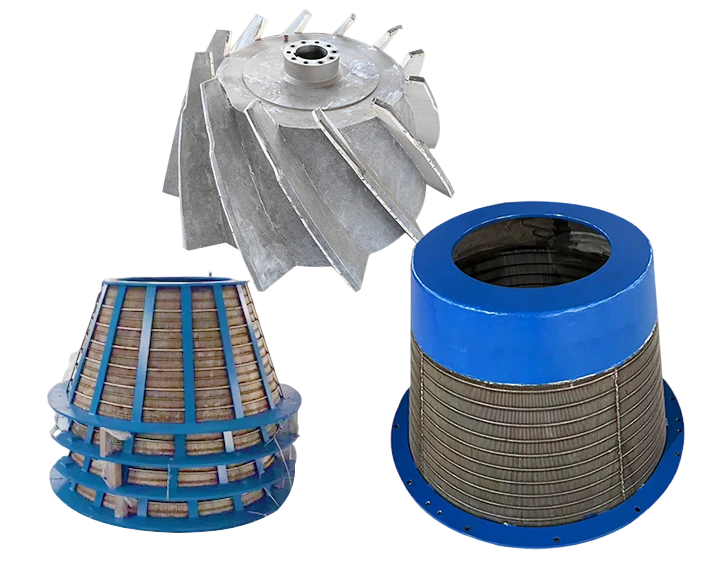
When optimizing industrial centrifugal dehydration, the selection of the internal filtration element is critical to achieving high solids recovery and efficient liquid separation. The wedge wire screen centrifugal basket serves as the heart of this process, utilizing precision-engineered V-shaped wires to prevent clogging while maintaining high flow rates. For procurement managers and plant engineers, understanding the factors that influence the coanda screen price is essential for balancing capital expenditure with operational longevity.
Manufactured from high-grade stainless steels and alloys, these baskets are designed to withstand extreme centrifugal forces and corrosive environments. Whether applied in mining mineral processing or pharmaceutical filtration, the structural integrity of the support rods and the accuracy of the slot dimensions directly impact the overall separation efficiency. By integrating advanced welding technology and strict material selection, MUTO provides filtration solutions that maximize throughput and reduce maintenance downtime in demanding industrial applications.

Engineering Architecture of the Centrifugal Wedge Wire Basket
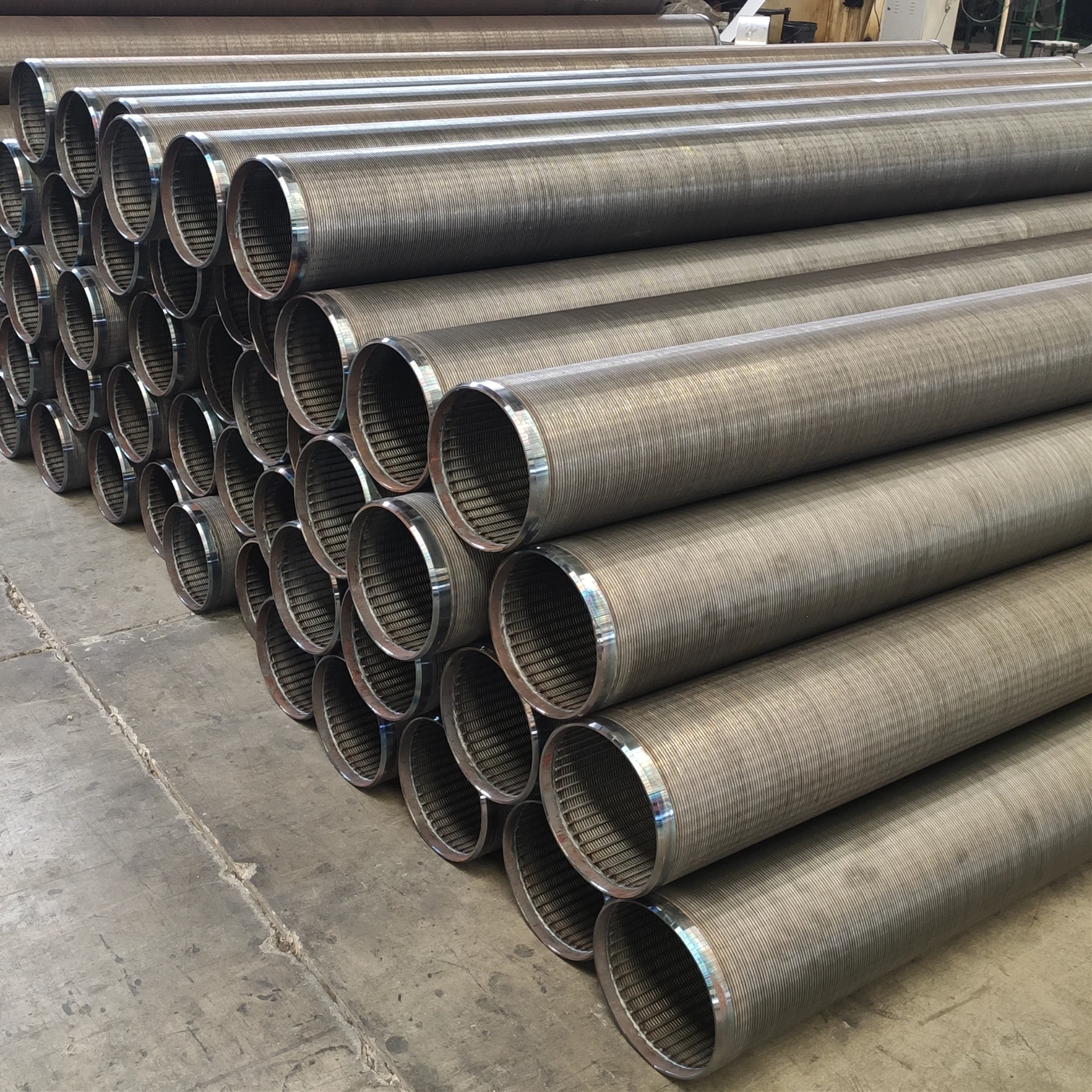
The structural design of a centrifugal basket is a sophisticated balance of strength and permeability. At its core, the basket is constructed from profile wires (Vee wire) and robust support rods. The V-shaped profile is a strategic engineering choice; it ensures that particles larger than the slot opening cannot plug the screen, as the widening gap allows particles to pass through or be swept away by the centrifugal force. This "non-clogging" characteristic is what makes coanda screen price considerations an investment in operational stability.
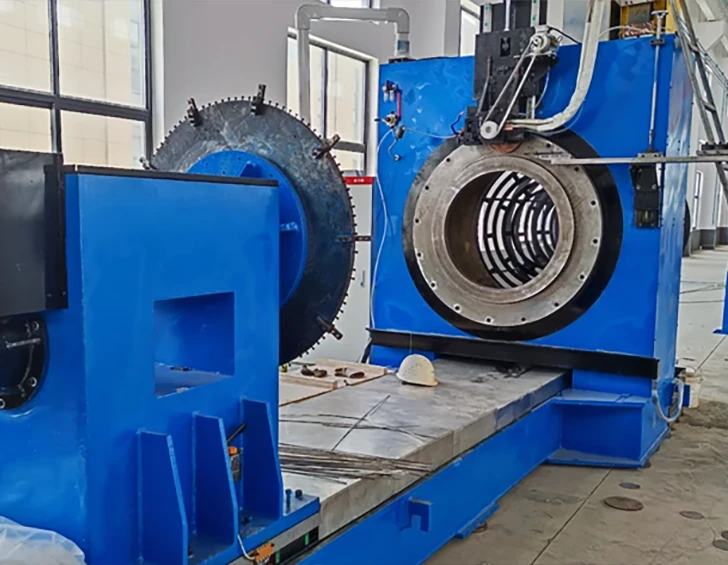
The support rods are resistance-welded onto the profile wires, creating a rigid framework capable of resisting the immense G-forces generated during high-speed rotation. The geometry typically features a narrow top and a wide bottom, tailored to fit specific centrifuge machine models. Precise control over the slot size—ranging from 0.02mm to 3.00mm—allows for the customization of the screen to target specific particle size distributions, ensuring that the separation accuracy meets the exacting requirements of the process.
- Material Versatility: Available in SS304, 316L, 2205 Duplex, and Hastelloy for extreme corrosion resistance.
- Welding Precision: High-strength resistance welding prevents joint failure under vibration.
- Dimensional Accuracy: Strict tolerances on diameter and length to ensure perfect fitment in the centrifuge housing.

Critical Industry Applications and Performance Requirements
Centrifugal baskets are indispensable across diverse sectors where mechanical dewatering and enrichment are required. In the mining and mineral processing industry, these screens handle abrasive slurries, requiring high-manganese steel or specialized alloys to prevent premature wear. In contrast, the food, beverage, and pharmaceutical industries demand high-polish stainless steels (like SS316L) to maintain hygienic standards and prevent batch contamination.
Wastewater treatment and chemical processing plants utilize these baskets to separate solids from liquid streams, often dealing with corrosive chemicals. The choice of slot size is paramount here; a slot too wide allows valuable solids to escape, while one too narrow restricts flow and increases the risk of blinding. In recycling and construction waste management, the baskets must handle heavy, irregular debris, necessitating thicker support rods and reinforced construction to maintain structural integrity over thousands of operational cycles.
The effectiveness of the separation process is largely determined by the alignment of the screen's specifications with the material properties of the slurry. By analyzing the particle size distribution of the feed, engineers can specify the exact wedge width and slot gap required to optimize the dehydration rate.
Procurement Logic: Factors Influencing Filtration Equipment Costs
When evaluating the cost of high-performance screens, buyers must look beyond the initial quote and consider the Total Cost of Ownership (TCO). The pricing of these specialized components is driven by several technical variables. Material selection is the most significant driver; while SS304 is cost-effective, Hastelloy or Duplex 2205 is necessary for highly acidic or saline environments, significantly increasing the raw material cost but extending the service life.
Furthermore, the complexity of the customization affects the final cost. Custom diameters up to 2.5 meters and lengths up to 6 meters require specialized welding jigs and precision machining. The tighter the slot tolerance required, the more rigorous the testing phase becomes, as every single screen must undergo strict quality checks to ensure consistent permeability. Buyers should also account for the manufacturing process, including drawing, bending, and the critical assembly phase where all impurities must be removed to ensure the screening effect.
Choosing a manufacturer that provides project consultancy, feasibility analysis, and installation support can reduce the risk of equipment mismatch, which is far more costly than the initial purchase price of the component itself.
Technical Specification Matrix for Selection
| Material Grade | Common Application | Corrosion Resistance | Typical Slot Range |
|---|---|---|---|
| Stainless Steel 304 | General Industrial / Water | Medium | 0.1mm - 2.0mm |
| Stainless Steel 316L | Food / Pharma / Chemical | High | 0.02mm - 1.0mm |
| Duplex 2205 | Marine / Oil & Gas | Very High | 0.2mm - 3.0mm |
| Hastelloy | Extreme Acidic Environments | Extreme | Custom Range |
| High-Manganese Steel | Mining / Heavy Abrasives | Low (High Wear Res.) | 1.0mm - 3.0mm |
Quality Assurance in Wedge Wire Manufacturing
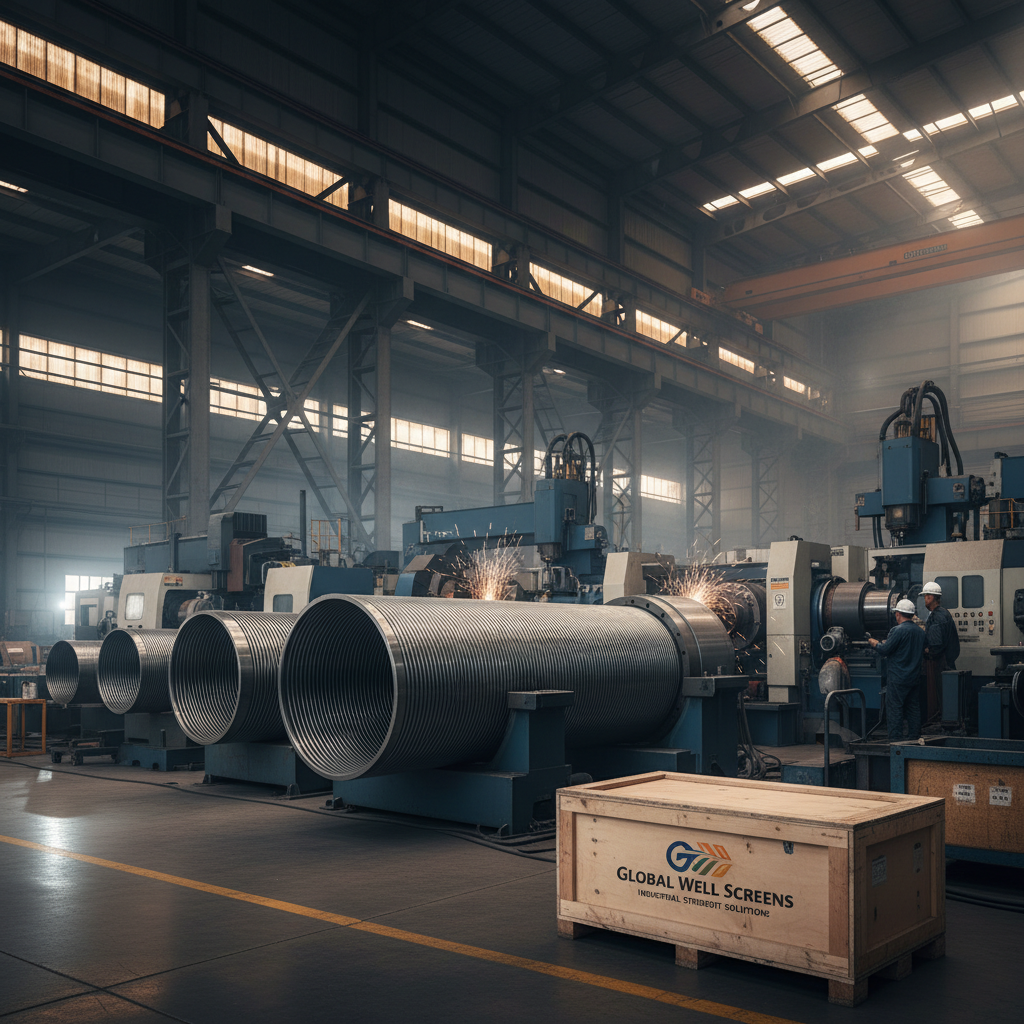
The reliability of a centrifugal basket depends on the precision of its assembly. In the manufacturing process, wire processing—including drawing and cutting—must be executed with extreme accuracy. The assembly phase is particularly critical; any foreign bodies, such as cotton wool or screws, left within the structure can lead to catastrophic failure during high-speed rotation or cause uneven flow distribution, compromising the separation efficiency.
MUTO emphasizes a comprehensive testing regimen where every product is verified before moving to the packing area. This includes dimensional checks of the top and bottom diameters and the verification of slot gaps using precision gauges. With 12 screen technology patents and 4 equipment patents, the integration of smart technology into the welding process ensures that every joint is consistent, reducing the risk of stress fractures under centrifugal load.
Post-production, the screens are placed in a dedicated testing zone to ensure they meet the customer's functional requirements. This commitment to quality is backed by warranties ranging from 3 to 12 months depending on the material, reflecting the confidence in the structural integrity of the finished product.
Optimizing Centrifuge Performance Through Customization
No two industrial processes are identical, which is why customization is the cornerstone of efficient filtration. To optimize a centrifuge, one must consider the interaction between the feed material and the screen surface. For instance, adjusting the angle of the wedge wire can influence the ease with which solids are discharged from the basket, potentially reducing the frequency of manual cleaning cycles.
Modern trends in the metal products industry are moving toward the use of hybrid materials and advanced alloys to increase the lifespan of wear parts. By coordinating with a supplier that offers complete service—from process design and model selection to commissioning and training—operators can ensure that the basket is perfectly matched to the centrifuge's RPM and the slurry's viscosity. This holistic approach transforms a simple component purchase into a comprehensive filtration solution.
Ultimately, the goal is to achieve the highest possible cake dryness with the lowest energy consumption. This is achieved by precisely tuning the support rod height and wedge width to maintain the optimal open area, ensuring that the liquid phase exits the basket with minimal resistance.
Frequently Asked Questions on Centrifugal Baskets
What is the main advantage of wedge wire over perforated plate in centrifuges?
Wedge wire provides a V-shaped opening that is naturally resistant to clogging. Unlike perforated plates, where particles can become wedged in the hole, the wedge wire allows particles to pass through or stay on the surface, significantly increasing the flow rate and reducing downtime for cleaning.
How do I choose the correct slot size for my application?
Slot size selection should be based on the particle size distribution (PSD) of your solids. Typically, the slot size is chosen to be slightly smaller than the minimum particle size you wish to retain, though this varies based on the required separation accuracy and the nature of the material.
Which material is best for highly corrosive chemical slurries?
For highly corrosive environments, SS316L is a standard choice, but for extreme conditions involving chlorides or strong acids, Duplex 2205 or Hastelloy are recommended due to their superior pitting and stress corrosion cracking resistance.
What are the typical dimensions available for these baskets?
We can manufacture baskets with diameters up to 2.5 meters and lengths up to 6 meters. However, most specifications can be fully customized to fit the specific dimensions of your existing centrifuge machine.
How often should a centrifugal basket be inspected for wear?
Inspection intervals depend on the abrasiveness of the material. In mining applications, monthly checks for thinning of the profile wires are recommended. In pharmaceutical applications, checks are usually performed during scheduled annual maintenance to ensure hygiene and structural integrity.
Can these baskets be repaired, or must they be replaced?
Minor damage to support rods can sometimes be repaired through specialized welding, but if the profile wires are worn or the slot dimensions have changed due to erosion, replacement is necessary to maintain separation efficiency and safety.
Technical References & Industry Standards
- ISO Standards for Stainless Steel Filtration
- ASTM Material Specifications for Industrial Screens
- Research on Centrifugal Separation Efficiency
- Guidelines for Industrial Wastewater Dewatering
Selecting the right filtration component is a strategic decision that impacts your plant's productivity and operational costs. Whether you are upgrading an existing centrifuge or designing a new system, focusing on material quality and precision engineering will ensure long-term success.
Related Articles