

Understanding the cost structure of industrial separation equipment is essential for procurement managers in the mining and chemical sectors. When evaluating a vibrating screen price, it is rarely a fixed figure; rather, it is a result of complex variables including material grade, throughput requirements, and the specific nature of the medium being processed. This article explores the economic drivers behind these systems to help buyers make informed decisions.
In high-demand environments like mineral processing or port operations, the cost of a vibrating screen is inextricably linked to its durability and operational efficiency. From the selection of stainless steel versus synthetic materials to the integration of precision welding technology, every technical specification alters the total investment. For companies seeking filtration solutions, the focus must shift from the lowest sticker price to the total cost of ownership, considering factors like wear resistance and downtime.
Readers will gain a professional framework for auditing supplier quotes and understanding the technical trade-offs that impact pricing. We will examine how material processing—such as drawing, bending, and welding—contributes to the final cost and how specific certifications, such as those held by high-tech enterprises, ensure long-term reliability. This guide provides the necessary criteria to balance initial expenditure with operational longevity.
Industrial Screening Cost Fundamentals
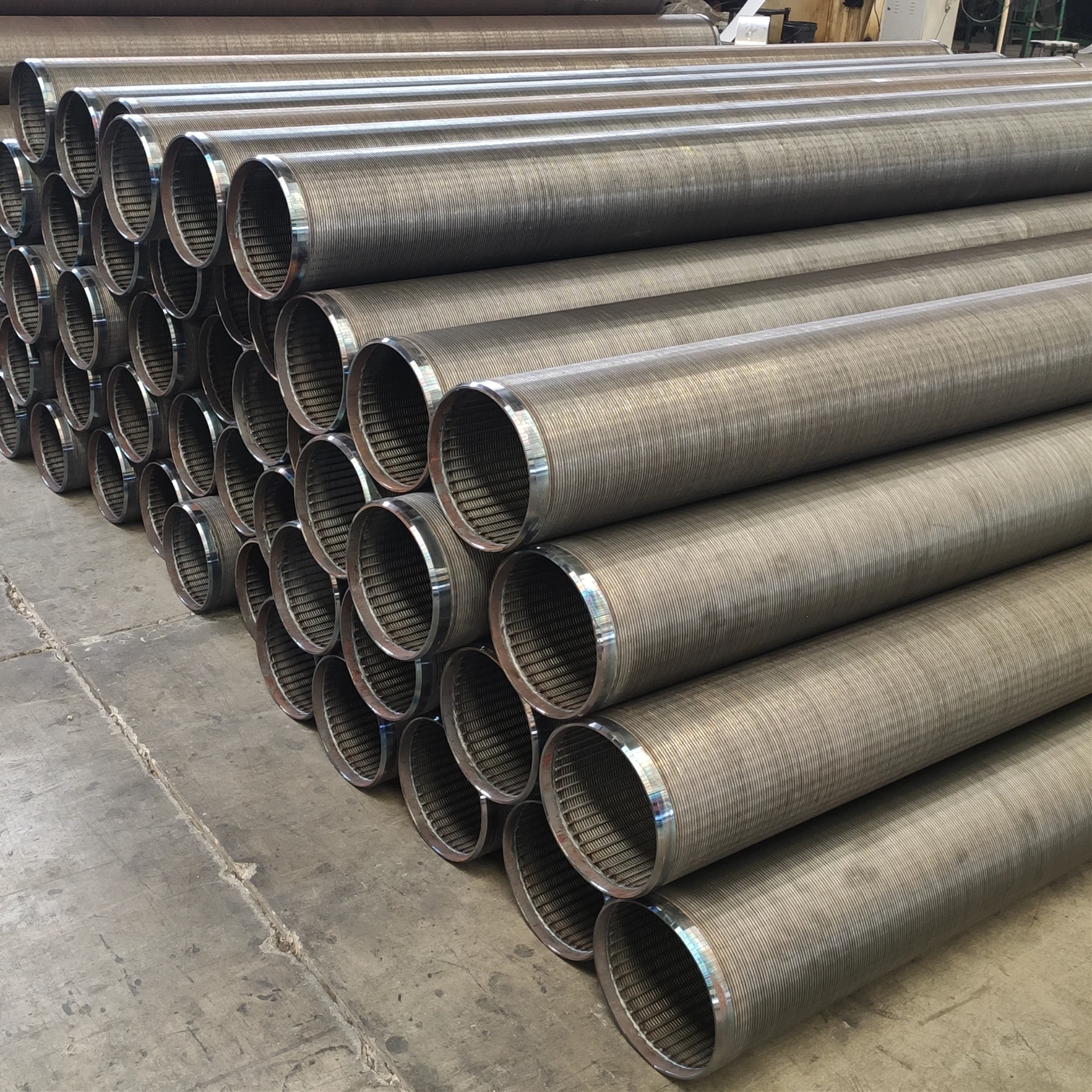
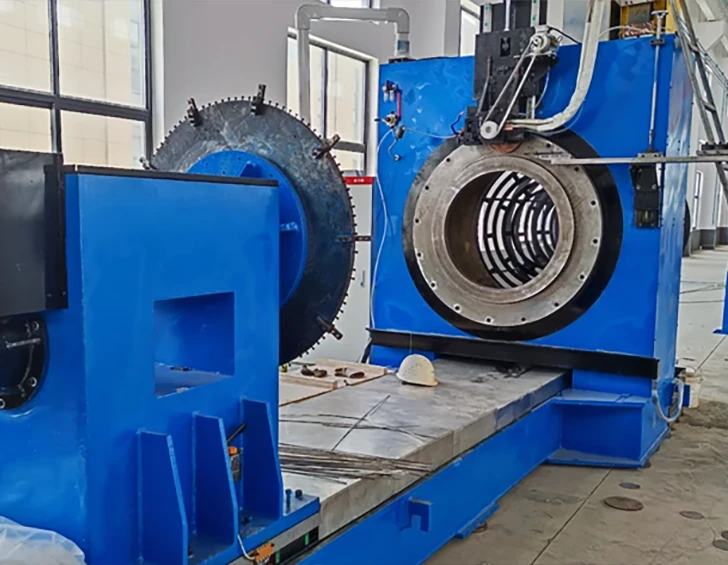
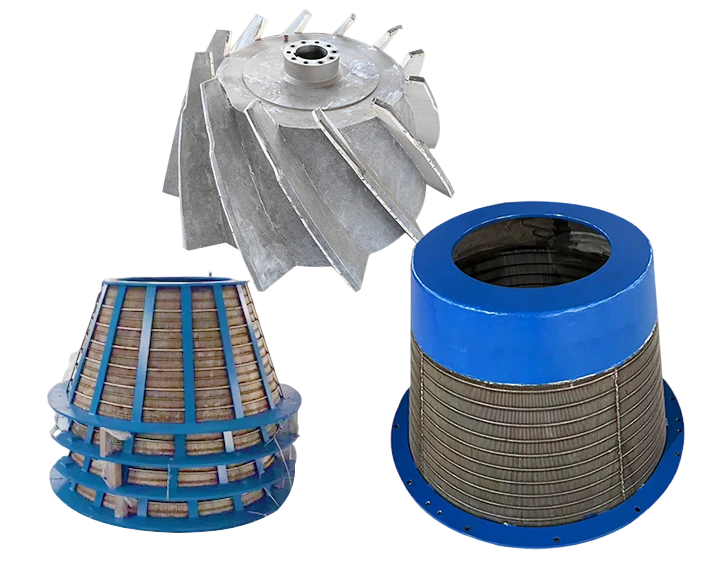
The pricing of vibrating screens is governed by the intersection of raw material costs and specialized manufacturing processes. In the metal products industry, particularly for wire mesh and screen manufacturing, the base cost is heavily influenced by the grade of metal used. Stainless steel, widely utilized for its corrosion resistance, carries a premium over carbon steel. However, the real value is added during the processing phase. Technologies such as precise wire drawing and automated welding are critical; for instance, MUTO utilizes advanced welding workshops to ensure that wedge wire screens maintain strict tolerances, which directly impacts the efficiency and price of the final unit. Furthermore, the assembly phase is a significant cost driver, as the removal of impurities like cotton wool or screws is mandatory to prevent screening failure in sensitive industrial applications. This level of quality control transforms a basic piece of equipment into a professional filtration solution, justifying the price variance across different manufacturers.
Analyzing Vibrating Screen Investment Factors
To accurately assess a quote, one must decompose the equipment into its primary cost drivers. The following sections analyze the specific technical and commercial elements that cause price fluctuations in industrial screening systems.
Material Influence on Unit Pricing
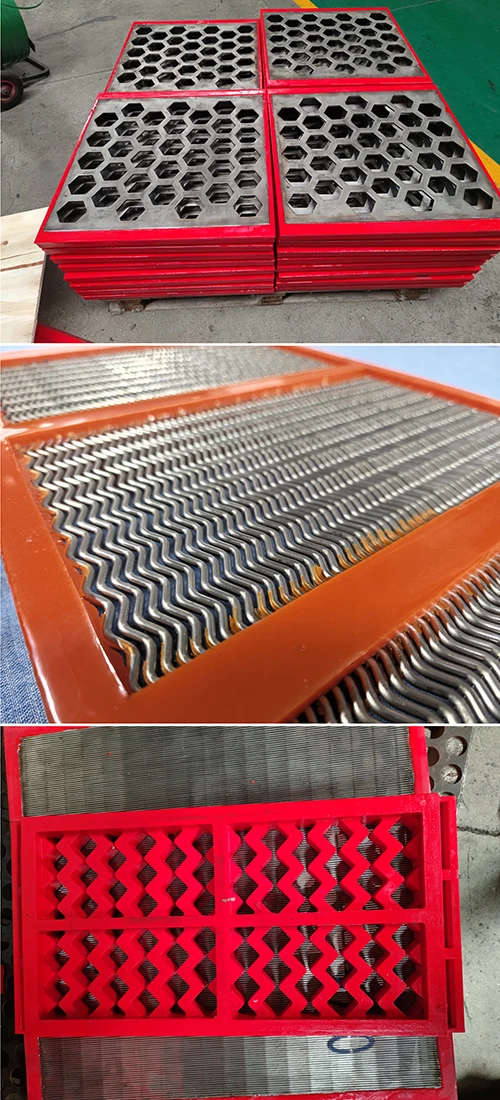
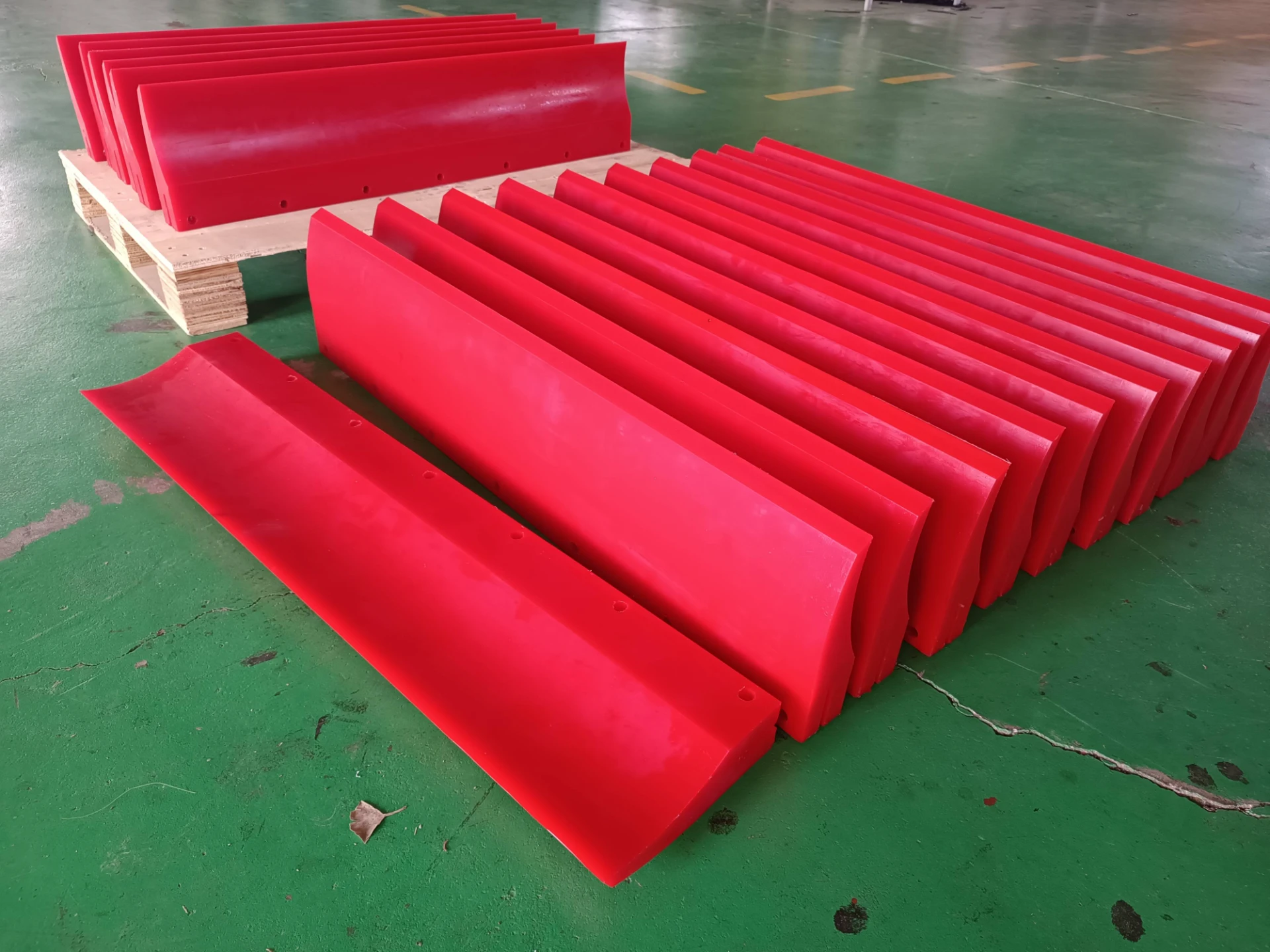
The choice of material is the most immediate factor affecting cost. While stainless steel is standard for chemical environments, polyurethane is often preferred for high-abrasion mining applications due to its superior wear resistance and elasticity. The following table illustrates how different material selections correlate with performance requirements and cost implications.
| Material Type | Wear Resistance | Corrosion Grade | Price Impact |
|---|---|---|---|
| Stainless Steel | Moderate | High | Medium-High |
| Polyurethane | Excellent | Moderate | Medium |
| Synthetic Polymers | Low-Moderate | High | Low-Medium |
| Carbon Steel | Moderate | Low | Low |
| Tungsten Carbide | Extreme | Moderate | Very High |
| Special Alloys | High | Extreme | High |
Structural Design and Capacity
The physical scale and throughput capacity of the machine dictate the amount of raw material and the complexity of the support structures. Larger screens require heavier-duty frames to withstand the centrifugal forces of vibration without fatigue. Engineering for higher tonnage requires reinforced welding and thicker gauge materials, which increases the manufacturing time and the final cost of the unit.
Precision Engineering Requirements
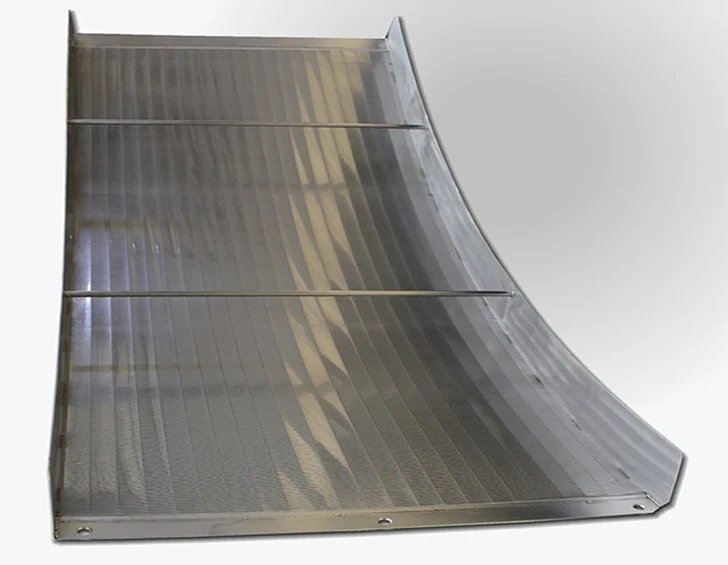
High-precision screens, such as wedge wire filters, require more expensive manufacturing processes than standard woven mesh. The requirement for precise aperture control and seamless welding prevents material leakage and ensures consistent product grading. Companies with technical patents in screen welding can offer higher precision, which typically commands a price premium due to the increased efficiency and reduced waste in the customer's production line.
Customization and Special Coatings
Standardized models are cheaper, but B2B operations often require customized dimensions or specific food-grade certifications. For example, food-grade polyurethane scrapers or fire-retardant screens for the mining industry involve specialized chemical formulations during production. These customized attributes increase the R&D and production costs, as they cannot be mass-produced using standard templates.
Energy Efficiency and Drive Systems
The vibration mechanism—whether it be electromagnetic, pneumatic, or motor-driven—significantly affects the price. High-efficiency drive systems reduce long-term electricity costs and noise pollution. Investing in a more expensive, smart-technology-driven motor can lower the total cost of ownership by reducing energy consumption and extending the intervals between maintenance cycles.
Installation and Commissioning Costs
The purchase price is only a portion of the initial investment. Professional installation, commissioning, and staff training are critical for operational success. Some suppliers bundle these services, while others charge separately. On-site diagnosis and repair services for complex equipment ensure that the machine is calibrated to the specific material characteristics of the site, preventing premature wear.
Lifecycle Value vs. Initial Outlay
A lower initial cost often leads to higher replacement frequency. Evaluating the warranty period—which can range from 3 to 12 months for screens and up to a year for machinery—is vital. A high-quality screen with a longer lifespan and better spare parts availability reduces the risk of costly unplanned downtime, providing a better return on investment over 5-10 years of operation.
FAQ
What primary factors influence the cost of a vibrating screen?
The cost is primarily driven by the material used (e.g., stainless steel vs. polyurethane), the precision of the mesh apertures, the structural capacity of the frame, and the type of vibration drive system. Additionally, customization for specific industry standards, such as food-grade or fire-retardant requirements, adds to the final price.
Is it more cost-effective to buy stainless steel or polyurethane screens?
It depends on the application. Stainless steel is more cost-effective for corrosive chemical environments where purity is paramount. However, for abrasive mining materials, polyurethane is more economical in the long run because its superior wear resistance reduces the frequency of replacements, lowering the total lifecycle cost.
How does welding precision affect the price of industrial sieves?
Precision welding ensures that the screen maintains its structural integrity under high stress and prevents "blind spots" or leaks. Higher precision requires specialized equipment and skilled labor, which increases the manufacturing cost but results in higher throughput efficiency and longer equipment life.
What should I check in a supplier's quote beyond the base price?
Buyers should evaluate the warranty terms (typically 3-12 months for screens), the availability of spare parts, and whether technical support and commissioning are included. It is also important to verify if the manufacturer holds relevant high-tech certifications or patents that guarantee quality standards.
Do customized dimensions significantly increase the cost?
Yes, customized designs often require unique engineering drawings, specific material cuts, and non-standard assembly processes. This removes the advantage of mass production, increasing labor costs and lead times, though it ensures the equipment fits perfectly into the existing production line.
How can I reduce the long-term cost of screening operations?
Focus on selecting materials with the highest wear resistance for your specific medium and investing in energy-efficient drive systems. Regular maintenance and utilizing professional training services provided by the manufacturer can prevent catastrophic failures and extend the replacement cycle of the screens.
References and further reading
- Industrial Filtration Standards and Material Selection Guide for Mining Equipment.
- Comparative Analysis of Polyurethane vs. Stainless Steel in Abrasive Environments.
- Guidelines for B2B Procurement of Heavy-Duty Industrial Screening Machinery.